

Can I use self rising flour instead of all purpose flour? It’s a common pantry dilemma, especially when you’re mid-recipe and realize you’re out of the right flour. The short answer is yes, but only if you adjust for the leavening and salt already built into self-rising flour. Blindly swapping them can lead to dense cakes, salty biscuits, or flat pancakes.
Manufacturer specifications indicate that standard self-rising flour contains 1.5 teaspoons of baking powder and 0.5 teaspoon of salt per cup of all-purpose flour. That pre-mixed formula works great in some recipes but throws off others entirely. Understanding when and how to substitute is key to avoiding baking disasters.
The Short Answer
Yes, but only if you adjust for leavening and salt.
Not a straight swap: it changes how your recipe behaves.
Self-rising flour isn’t just all-purpose flour with a fancy name. It’s a blend designed for specific types of baking, and using it incorrectly can ruin texture, rise, and flavor. If your recipe already calls for baking powder or baking soda, adding self-rising flour doubles up on leavening, and often salt, leading to unpredictable results.
The rule is simple: if your original recipe includes added leavening agents (baking powder or soda) and salt, you can usually substitute self-rising flour 1:1 by omitting those extras. But if the recipe relies solely on all-purpose flour without added leavening, like many cookies or pie crusts, self-rising flour will over-rise and collapse.
What’s Actually in Self-Rising Flour?
All-purpose flour + baking powder + salt (pre-mixed).
Standard ratio: 1.5 tsp baking powder + 0.5 tsp salt per 1 cup flour.
Shelf life matters: leavening loses power over time.
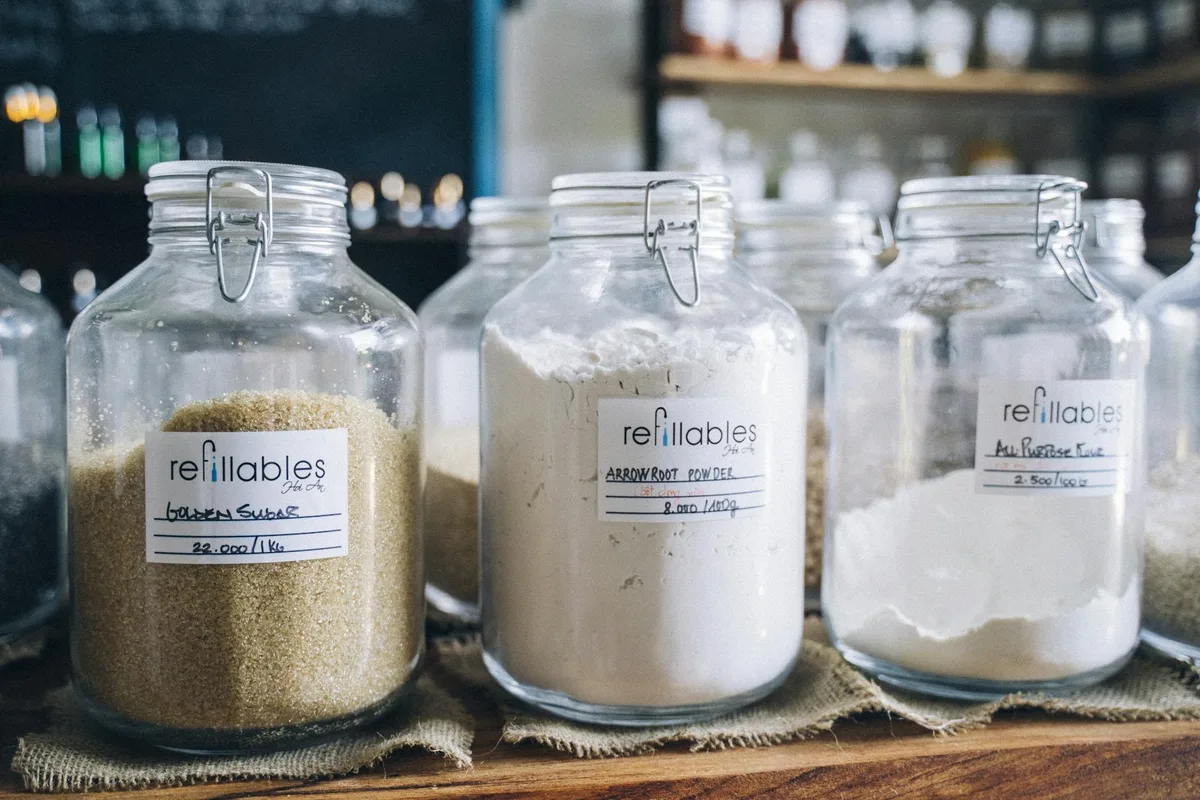
Self-rising flour is essentially all-purpose flour that’s been pre-blended with leavening and salt. In the U.S., the standard formulation, confirmed by major brands like King Arthur and Gold Medal, is 1 cup of all-purpose flour combined with 1.5 teaspoons of double-acting baking powder and 0.5 teaspoon of table salt. This mix is optimized for quick breads and biscuits, where consistent rise and mild salinity are desired.
Unlike plain all-purpose flour, self-rising flour has a limited effective shelf life. Baking powder begins to lose potency after about six months, even when stored properly. That means an old bag might not give you the lift you expect, resulting in dense or flat baked goods. For best results, check the date on the package and store it in a cool, dry place.
When It Works (And When It Doesn’t)
Great for:
- Biscuits, muffins, pancakes, quick breads.
- Recipes that already call for baking powder + salt.
Avoid for:
- Cakes, cookies, or anything with precise leavening.
- Recipes using baking soda (needs acid to activate, self-rising flour won’t help).
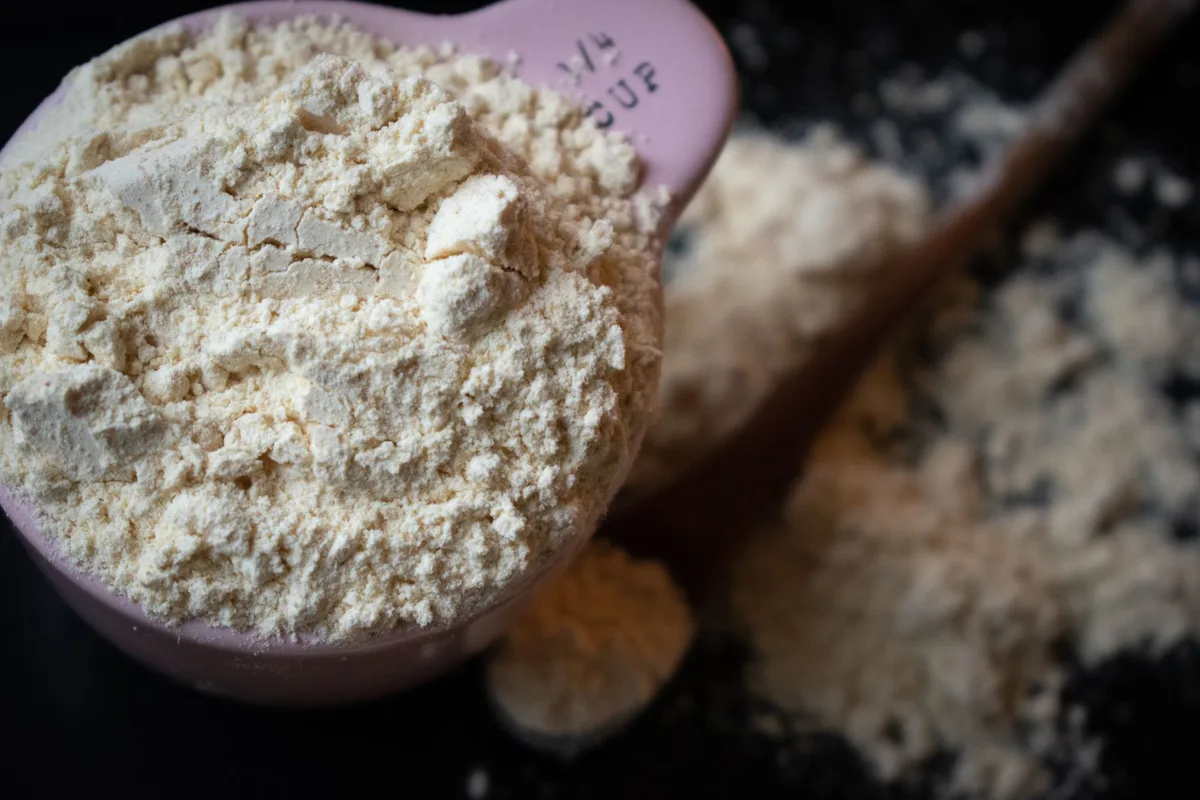
Self-rising flour shines in recipes where the leavening and salt are already part of the formula. Think Southern-style biscuits, cornbread, or buttermilk pancakes, these were literally designed with self-rising flour in mind. In these cases, swapping in self-rising flour for all-purpose (while removing added baking powder and salt) delivers reliable, fluffy results.
But it fails in delicate or chemically balanced recipes. Cakes often rely on precise ratios of baking soda and acidic ingredients (like yogurt or vinegar) to activate properly. Self-rising flour contains baking powder, not soda, so it won’t react correctly. Similarly, cookies and pie crusts depend on minimal leavening; adding self-rising flour introduces unwanted rise and salt, leading to spread, toughness, or off-flavors.
How to Substitute (Without Ruining Your Bake)
If your recipe uses all-purpose flour + baking powder + salt:
, Swap 1:1, but omit the added baking powder and salt.If your recipe uses only all-purpose flour (no added leavening):
, Don’t use self-rising flour, it’ll over-rise and collapse.Making your own self-rising flour:
, Mix 1 cup all-purpose flour + 1.5 tsp baking powder + 0.5 tsp salt.
Substituting isn’t just about swapping bags, it’s about recalculating your recipe’s chemistry. Start by identifying whether your original formula includes leavening agents. If it lists baking powder or soda separately, you’re likely safe to use self-rising flour, provided you remove those extras.
For example, a muffin recipe calling for 2 cups all-purpose flour, 2 tsp baking powder, and 1/2 tsp salt can be made with 2 cups self-rising flour, just skip the extra powder and salt. But a cookie recipe with only flour, butter, and sugar? Stick to all-purpose. Adding self-rising flour here introduces uncontrolled rise and salt, which can make cookies cakey or overly salty.
If you don’t have self-rising flour on hand, you can make a quick substitute: whisk together 1 cup all-purpose flour, 1.5 teaspoons baking powder, and 0.5 teaspoon salt. Sift once to ensure even distribution, then use as directed. This DIY version works well in a pinch, though commercial blends may have slightly finer particles for more consistent results.
Common Mistakes (And How to Fix Them)
- Too much rise? You likely doubled up on leavening. Stick to the swap rules above.
- Salty results? Self-rising flour already has salt, taste your batter before adding more.
- Dense texture? Old baking powder in self-rising flour = weak lift. Test it first (mix with hot water, it should fizz).
One of the most frequent errors is assuming all flour swaps are equal. Bakers often reach for self-rising flour as a default substitute, only to wonder why their cake domed and cracked or their biscuits turned out like hockey pucks. The root cause is usually over-leavening, adding self-rising flour to a recipe that already includes baking powder or soda.
Another common pitfall is ignoring salt content. Self-rising flour contains about 0.5 teaspoon of salt per cup. If your recipe also calls for added salt, you’re doubling up unintentionally. This can throw off flavor balance, especially in sweet bakes.
Always taste your dry mix or batter (if safe) before baking, and adjust accordingly.
Finally, don’t overlook freshness. Baking powder loses effectiveness over time. To test your self-rising flour, stir 1 teaspoon into 1/3 cup hot water. If it bubbles vigorously within 10 seconds, it’s still active.
If not, it’s time to replace it. Using expired leavening leads to dense, flat results, no matter how perfect your technique.