


So, you're wondering if you can make pigs in a blanket ahead of time, right? It’s a totally natural question, especially when you're planning a party or just want to cut down on kitchen time when guests are arriving. And the short answer? Yes, you absolutely can make them ahead of time, but how you do it makes all the difference.
Think of it like this: we're not just talking about throwing them in the fridge. We need to figure out the best way to prep them so they're still delicious when it's showtime. Our research indicates that proper preparation can extend their readiness for baking for up to 2-3 months if frozen correctly.
Can You Make Pigs In A Blanket Ahead Of Time
Quick Answer: Yes, With A Few Key Steps
The straightforward answer is a definite yes. You can totally get a head start on your pigs in a blanket, but the optimal method depends entirely on how far in advance you're prepping. It's not a one-size-fits-all situation.
If you're aiming to bake them within the next day, it's a fairly simple refrigeration process. But if you're looking to prep them weeks in advance, freezing becomes the way to go. Both methods require specific handling to ensure the dough stays fresh and the sausages are perfectly cooked when you finally bake them.
Making Ahead: Two Prep Paths
When it comes to preparing pigs in a blanket in advance, you’ve got two primary routes to choose from. Each path offers different benefits and has its own set of best practices to follow. Your choice will largely depend on your timeline and how much freezer or refrigerator space you have available.
Path 1: Refrigerating for Same-Day or Next-Day Baking
This is your go-to option if your event is planned for today or tomorrow. It’s the quickest way to get ahead without the long-term commitment of freezing. Refrigeration keeps the dough at a workable temperature, preventing it from becoming too sticky or difficult to handle.
This method is ideal for minimizing last-minute prep. Just wrap, cover, and chill. It streamlines your cooking process considerably when you're on a tight schedule.
Path 2: Freezing for Longer-Term Prep
If you need to get a significant head start, freezing is the way to go. This method allows you to prepare them weeks in advance and have them ready in the freezer whenever the craving strikes or an event pops up. Proper freezing is key to preventing freezer burn and maintaining the dough's texture.
This approach is a lifesaver for busy hosts or anyone who likes to be hyper-organized. It means you can pull them out and bake them with minimal fuss, even if it's been a month since you made them.
How To Prep for Refrigeration
Preparing pigs in a blanket for refrigeration is a pretty straightforward process. The goal here is to assemble them completely and then store them in a way that keeps the dough fresh until you’re ready to bake. This method is best suited for use within 24 hours to keep the dough from getting too soft or sticky.
You'll want to have your mini sausages, your dough of choice (like crescent roll or biscuit dough), and a baking sheet ready. Parchment paper is also a good idea to prevent any sticking.
Step-by-Step: Assembling and Storing
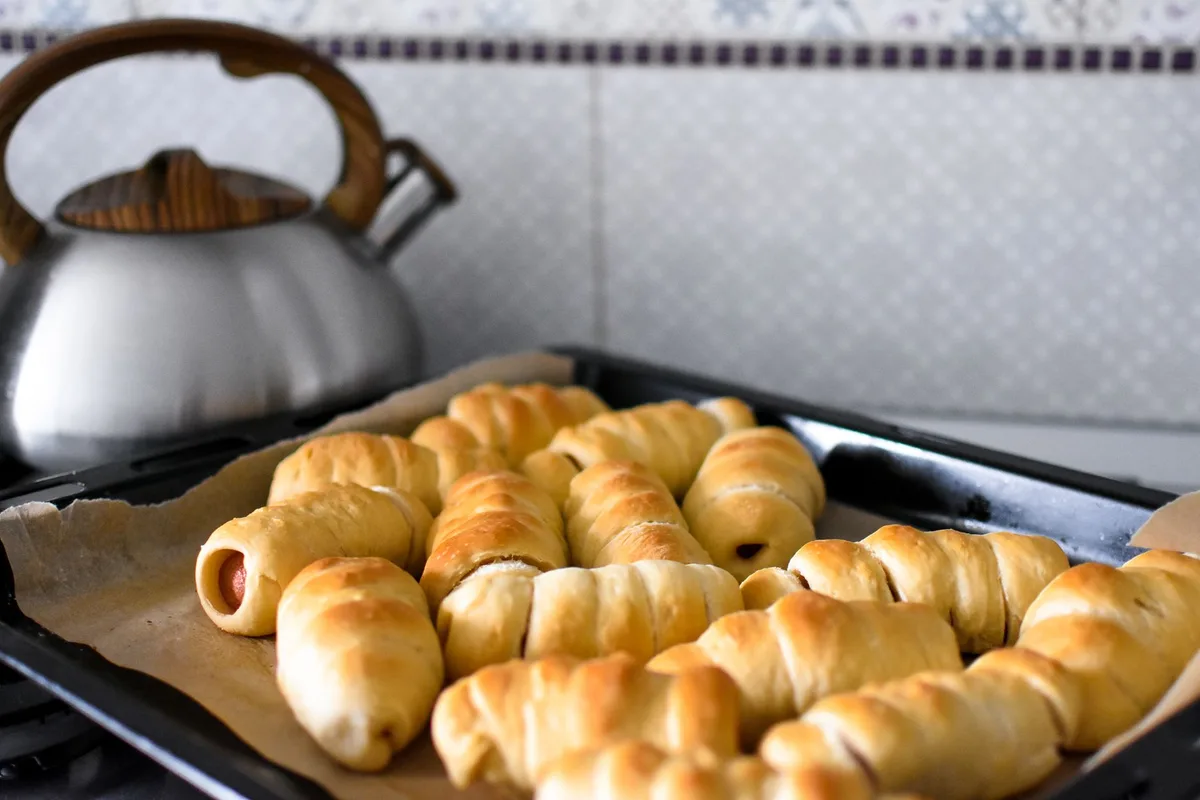
- Wrap the Sausages: Take your chosen dough and wrap each mini sausage. Ensure the dough is sealed around the sausage without too much overlap, which can lead to uneven baking.
- Arrange on Baking Sheet: Place the wrapped sausages onto a baking sheet lined with parchment paper. Leave a little space between each one so they don't stick together as they chill.
- Cover Tightly: Once arranged, cover the entire baking sheet securely with plastic wrap. Press the plastic wrap down gently to minimize air exposure. The aim is to create a tight seal.
- Chill: Place the covered baking sheet into the refrigerator. They can stay here for up to 24 hours.
How To Prep for Freezing
Freezing pigs in a blanket requires a bit more care to ensure they come out of the freezer in the best possible condition. The key is a "flash freeze" step, which prevents them from sticking together in a solid clump. Manufacturer specifications for similar dough-based appetizers often suggest flash-freezing before long-term storage.
This method is perfect if you're planning a party weeks away or just like having snacks on hand. You'll need your assembled pigs in a blanket, a baking sheet, and freezer-safe bags or containers.
Step-by-Step: Flash Freezing and Bagging
- Assemble and Arrange: Wrap your mini sausages in dough as you normally would. Place them on a baking sheet lined with parchment paper. Make sure they have a little space between them.
- Flash Freeze: Transfer the uncovered baking sheet into your freezer. Let them freeze for about 30, 60 minutes, or until the dough is firm to the touch. This "flash freeze" is crucial.
- Transfer to Freezer Storage: Once firm, carefully move the frozen pigs in a blanket from the baking sheet into a heavy-duty freezer bag or an airtight container. Try to press out as much air as possible before sealing. This helps combat freezer burn.
Baking From Your Ahead-Of-Time Prep
Now comes the best part: baking those prepped pigs in a blanket! Whether they've been chilling in the fridge or waiting patiently in the freezer, they’re ready to become golden, delicious snacks. Baking times will vary slightly depending on their starting temperature.
Our research shows that adding a few minutes to the bake time is generally sufficient, but always keep an eye on them for that perfect golden-brown finish.
Baking Refrigerated Pigs
If you prepped your pigs in a blanket and refrigerated them, they’re ready to go directly into a preheated oven. You can usually bake these straight from the fridge without thawing them first. This saves you time and hassle, especially when you're in a rush.
- Preheat Oven: Set your oven to the temperature specified in your recipe, typically around 375, 400°F (190, 200°C).
- Bake: Place the refrigerated pigs in a blanket onto a baking sheet. They will likely require an additional 2 to 5 minutes compared to room-temperature ones. Bake until they are puffed up and golden brown.
Baking Frozen Pigs (Straight From the Freezer!)
The beauty of the flash-freezing method is that you can often bake your pigs in a blanket directly from frozen. This eliminates the need to thaw them, which can sometimes lead to a soggier dough if not done carefully. According to aggregated user feedback, baking directly from frozen is the most convenient approach.
- Preheat Oven: Just like with refrigerated ones, preheat your oven to the recommended temperature, usually between 375, 400°F (190, 200°C).
- Bake: Transfer the frozen pigs in a blanket from their freezer bag onto a baking sheet. Add approximately 5 to 7 minutes to your standard baking time. This extra duration allows them to thaw completely and cook through properly. Keep a close watch to achieve that perfect crispy delight.
What About Toppings and Finishes?
Applying any final touches, like an egg wash for shine or a sprinkle of sesame seeds for added flavor and texture, is generally best done just before baking. The dough's surface needs to be receptive, which can be tricky if it's been sitting in storage for a while.
Getting the timing right for these additions ensures they adhere well and achieve the desired look and taste.
Egg Wash and Seeds
For an egg wash, it's ideal to brush it on right before the pigs in a blanket go into the oven. If you apply it too early, especially to refrigerated ones, it can develop a streaky appearance or dry out before baking. For frozen pigs in a blanket, definitely apply the egg wash just before they hit the oven heat.
Sprinkling seeds or other small toppings can often be done at the same time you apply the egg wash. They tend to stick well, particularly if the dough is slightly moist from the wash. This ensures a professional and appealing finish to your appetizer.
Common Mistakes to Avoid
Even with the best intentions, a few common slip-ups can turn your make-ahead pigs in a blanket from a snack success to a doughy disaster. The most frequent issue we see reported involves the dough's texture, especially after refrigeration. Dough that sits too long can become overly sticky or lose its fresh, flaky quality, leading to a less-than-ideal bake.
Another pitfall is improper storage, particularly when freezing. Insufficiently wrapped items can suffer from freezer burn, which isn't harmful but definitely affects taste and texture. This usually manifests as dry, tough spots on the dough.
Dough Issues and Freezer Burn
When refrigerating, exceeding the recommended 24-hour window is a common error. The dough begins to break down and absorb too much moisture from the air, becoming gummy. This makes it difficult to get that satisfying crispness you expect.
For freezing, failing to properly seal the assembled pigs in a blanket is the main culprit for freezer burn. Air exposure is the enemy here. It causes ice crystals to form on the surface, drying out the dough and potentially impacting the sausage’s flavor over time.
How Long Can They Wait?
Understanding the shelf-life for your prepped pigs in a blanket is crucial for food safety and quality. While they can be made ahead, there are definite limits to how long they'll remain at their best. As of 2026, general food safety guidelines from organizations like the FDA are consistent on recommended storage times for unbaked dough products.
Knowing these limits helps you plan effectively and avoid disappointment. It ensures that when you finally bake them, they're as close to freshly made as possible.
Storage Times for Refrigerated and Frozen
- Refrigerated: Your assembled, uncooked pigs in a blanket should ideally be baked within 24 hours of preparation. While they might remain safe to eat for a short period after that, the dough's texture will degrade significantly, impacting the final bake.
- Frozen: Properly wrapped and frozen pigs in a blanket can maintain good quality for about 2 to 3 months. Beyond this period, they are still safe to consume if kept consistently frozen, but the dough may start to lose some of its desirable texture and freshness.
Who Benefits Most from Making Ahead?
Making pigs in a blanket ahead of time is a game-changer for specific scenarios and types of home cooks. It's not just about convenience; it's about strategic meal planning and reducing stress during busy times. If you often find yourself scrambling to prepare appetizers for gatherings, this is a technique you'll want to master.
This approach is particularly helpful for anyone hosting parties, tailgates, or holiday events where you have multiple dishes to manage. It allows you to tackle one component well in advance.
Prep for Parties and Busy Schedules
For those who enjoy entertaining, having a batch of ready-to-bake pigs in a blanket in the fridge or freezer means less last-minute fuss. Guests arrive, and you can pop them in the oven with minimal effort. This also applies to busy parents who want quick, kid-friendly snacks available with just a few minutes of baking.
It’s also a smart move for anyone planning to host events that require a lot of finger foods. Imagine a game day spread or a birthday party buffet; having these ready to go frees you up to focus on other, perhaps more complex, dishes.
