


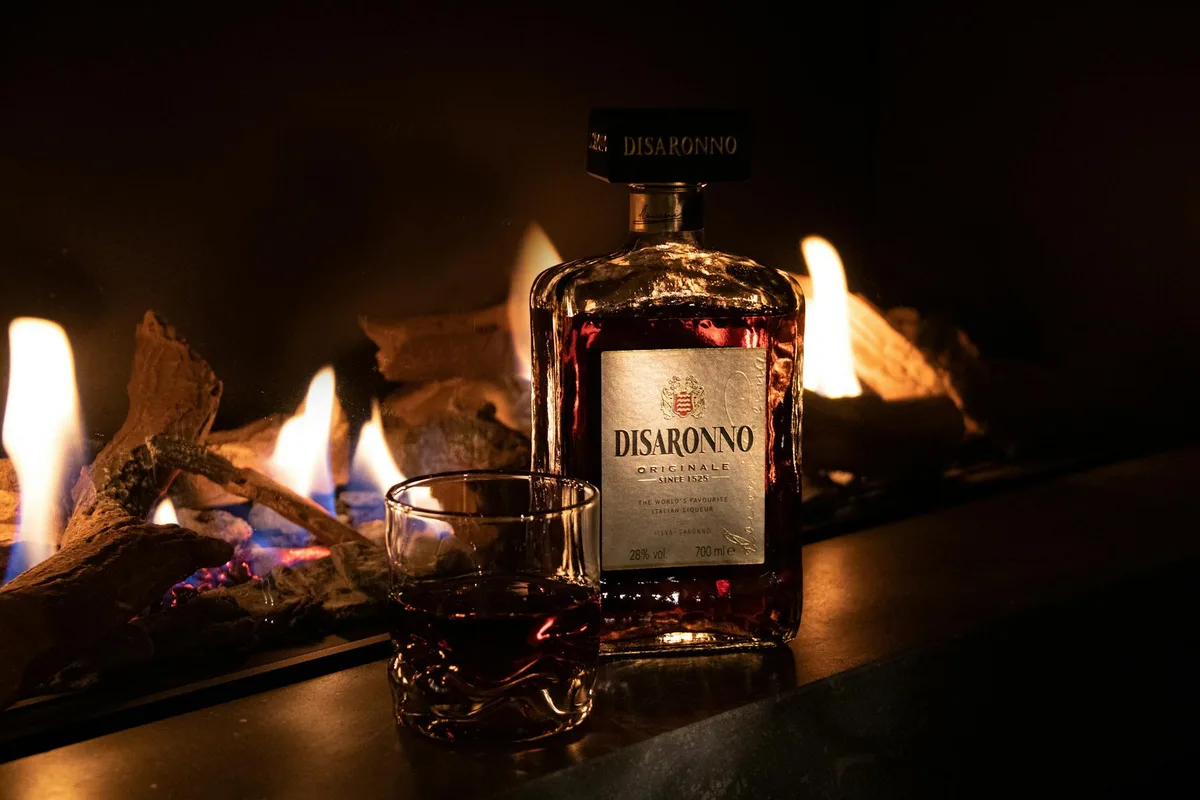
How To You Make Amaretto is a question many home cocktail lovers ask because buying quality amaretto can get pricey, and making it yourself opens up room for customization. You’re essentially working to extract nutty, sweet flavors from almonds or apricot kernels, combining that with a base spirit and sugar. The trick is balancing these components so the final drink has the smooth, almond-forward aroma and warmth you expect.
From a technical viewpoint, amaretto typically clocks in between 20% and 28% alcohol by volume (ABV), per common manufacturer specs, while hitting a sweetness that makes it both sippable straight and perfect for mixing. As of 2026, homemade recipes still follow the same principles. Let’s start by understanding why making amaretto at home can be fun but also requires close attention to what you use and how you do it.
Why Making Amaretto at Home Can Be Rewarding and Challenging
Making your own amaretto means gaining control over every aspect, from the strength of the alcohol to how sweet or bitter it is. With homemade amaretto, you can skip artificial flavorings and tailor the drink to your taste. This process is a satisfying craft for those who enjoy DIY liquors or want unique cocktail ingredients that reflect their preferences.
That said, there are challenges. Finding the right raw ingredients, understanding infusion times, and keeping toxicity risks low are part of the learning curve. Bitter almonds and apricot kernels can carry cyanide compounds, so handling and substituting them safely is key. Also, too little infusion can sound flat, and too much can cause harsh bitterness.
An added complexity is that while recipes are well-documented, the nuance in each ingredient type and ratio can make results vary widely. This section sets the stage for making smart choices about your nut base and spirit, so your amaretto shines without risk or guesswork.
Choosing Your Nut Base: Almonds vs. Apricot Kernels
When choosing the core flavor source for amaretto, you’re between two traditional options: almonds (sweet or bitter) and apricot kernels (the seeds inside apricot pits). Both provide the characteristic almond-like aroma, but with important differences.
- Sweet Almonds: Mild, safe, and give a gentle nutty flavor but lack the full bitter almond note that defines amaretto’s bite.
- Bitter Almonds: Offer that classic, intense almond essence but contain trace cyanide compounds and require careful sourcing or roasting to reduce risk.
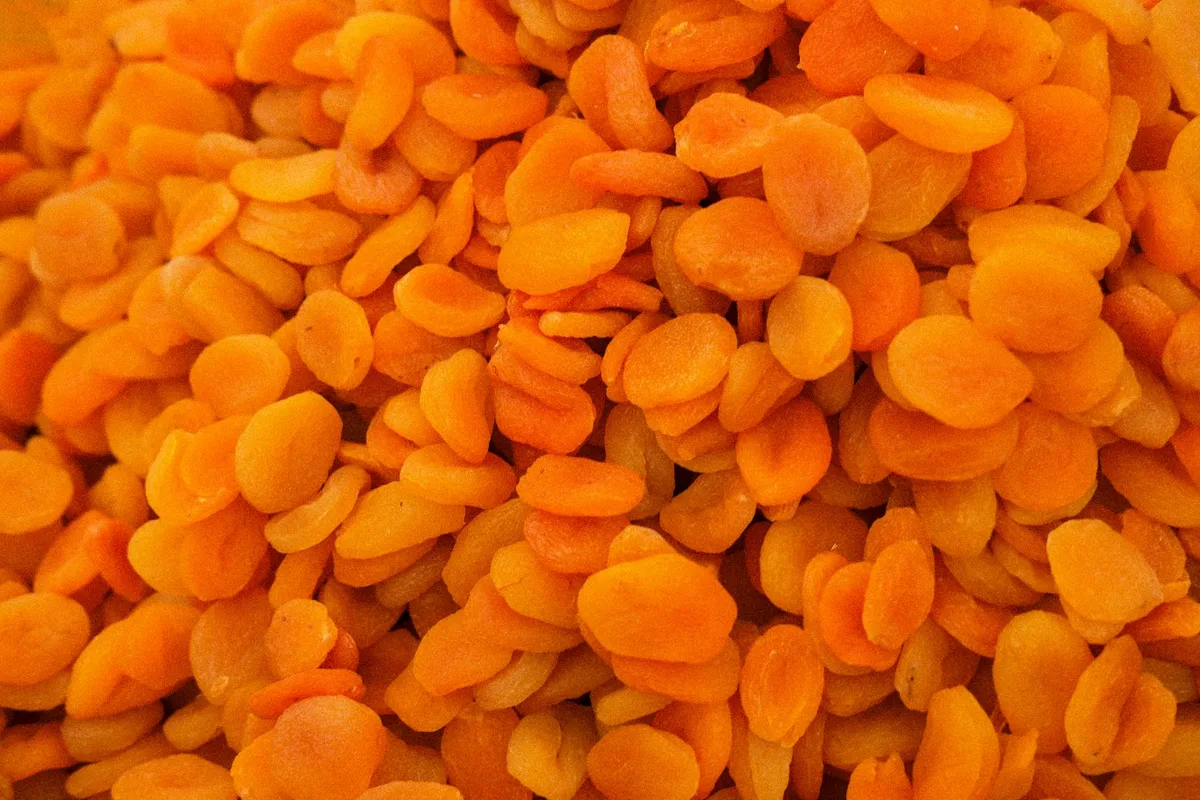
- Apricot Kernels: Popular in original Italian recipes, they supply a similar bitter almond flavor because of their chemical makeup. They also carry cyanide risks and need proper treatment.
If you want the safest route for home infusions, sweet almonds paired with almond extract and vanilla can mimic the traditional taste without toxicity concerns. If you prefer authenticity, bitter almonds or apricot kernels need careful handling, roasting, or purchase from reputable suppliers that have removed toxins.
Here’s a quick comparison table for the bases:
| Nut Type | Flavor Profile | Safety Considerations | Best For |
|---|---|---|---|
| Sweet Almonds | Mild, smooth, nutty | Safe, low risk | Beginners, safer DIY |
| Bitter Almonds | Strong almond, slightly bitter | Toxic if raw, needs roasting | Experienced makers seeking authenticity |
| Apricot Kernels | Sharp, almond-like, bitter | Toxic if raw, requires prep | Traditional recipes, Italian style |
Selecting Your Alcohol: Vodka, Grain Spirit, or Bourbon?
The choice of base alcohol is surprisingly important. Neutral spirits let the nut flavor stand out, while darker spirits add their own subtleties.
- Vodka or Neutral Grain Spirit: These are clear, high-proof alcohols (40-50% ABV) ideal for clean extractions. They highlight the almond aroma without interference and are easiest to source legally.
- Bourbon or Whiskey: Adds caramel, vanilla, and oak notes that blend with the nuts and sugar. This can create a richer amaretto variant but risks masking the nut flavors if used too heavily.
Manufacturer specs for standard amaretto list ABV between 20-28% after dilution and sweetening. So some spirit strength is reduced after infusion and syrup addition. Choose a higher-proof spirit to accommodate this. If your goal is a neutral, classic amaretto taste, vodka or grain spirit is your best choice.
If you want a layered flavor, bourbon is worth experimenting with but consider if you prefer a subtle or dominant bourbon profile.
Understanding Key Ingredients: Sugar Types and Flavor Additions
Sugar smooths out the alcohol and balances the bitterness from nuts. The type of sugar you use affects taste and the final color of your amaretto.
- Brown sugar: Adds molasses notes and deeper amber color, common in many recipes.
- White sugar: Cleaner sweetness, lighter color.
- Simple syrup: Mixing sugar with water for easier blending and dissolve.
Additional flavorings include:
- Vanilla extract or bean: Often used to round out and soften sharp notes.
- Almond extract: Amplifies almond aroma if your nut base is mild.
- Other spices: Some recipes add cinnamon or clove for complexity, but these aren’t traditional.
Texture and sweetness can be tested by adjusting syrup concentration. Aggregate reviews suggest a sugar to water ratio of 1:1 or 2:1 for syrup is typical, but you can tune based on your sweetness preference.
Step-by-Step Guide to Infusing Your Alcohol with Nut Flavors
Infusion is the heart of homemade amaretto. You’re soaking the nut base in alcohol to extract oils, flavors, and aromas. Follow these core steps:
Prepare Nuts:
Crack and lightly crush the nuts or apricot kernels to increase surface area. If using bitter almonds or apricot kernels, roast gently at low heat (e.g., 250°F for 15 minutes) to reduce cyanide risk.Combine with Alcohol:
Place nuts in a clean glass jar, cover with your chosen spirit (40-50% ABV ideal), sealing tightly.Infuse:
Let the mixture sit in a cool, dark spot. Shake gently once daily. Typical infusion lasts 3 days to 3 weeks depending on desired intensity.Filter:
After infusion, strain the liquid through fine mesh or cheesecloth to remove solids.Add Sugar Syrup:
Blend in your prepared syrup (brown or white sugar-based) and flavor additions like vanilla extract.Bottle and Age:
Transfer to a clean bottle. Some prefer to let it rest additional days to mellow before drinking.
Per manufacturer and recipe databases, infusion time controls bitterness and flavor strength. Short times yield mild flavor, long times risk harshness. Taste tests during infusion help calibrate this.
This step-by-step approach keeps your process manageable and helps avoid over-extraction or off-flavors common in DIY batches.
Preparing and Handling Nuts Safely to Avoid Toxicity
Handling bitter almonds or apricot kernels requires caution because they naturally contain traces of amygdalin, which breaks down into cyanide once ingested. If you choose to work with these additives, roasting nuts at low heat is essential to reduce toxicity safely. Roasting around 250°F (120°C) for 10-15 minutes is a common approach and helps vaporize harmful compounds without destroying flavor.
If you prefer to skip any risk, use sweet almonds combined with almond extract to mimic the bitter note. Sweet almonds contain no hazardous compounds and are far safer for casual infusion. Remember, food safety guidelines from government agencies recommend avoiding raw bitter almonds unless processed commercially.
In any case, store your nuts in a dry, cool place to prevent mold or spoilage, which can spoil the batch or cause health issues. Proper preparation is the foundation for clean, safe, and flavorful amaretto.
Creating the Perfect Sweetener: Making Your Sugar Syrup
Sugar syrup is the key to the smooth sweetness in amaretto. A simple syrup made by dissolving sugar in water is the standard way to incorporate sugar evenly without graininess.
Most recipes follow one of these common ratios:
- 1:1 sugar to water, balanced sweetness with medium viscosity
- 2:1 sugar to water, thicker and sweeter, often used for richer amaretto
Brown sugar syrup adds caramel and molasses undertones, enhancing the amber color and complexity. White sugar syrup provides a clean, neutral sweetness that lets the nutty flavors take center stage.
Steps to prepare your syrup:
- Combine sugar and water in a saucepan.
- Heat gently, stirring until fully dissolved, avoid boiling to prevent caramelization unless desired.
- Cool completely before mixing into your infused alcohol.
Add vanilla extract or a scraped vanilla bean during syrup preparation to build layers of flavor. Check sweetness by tasting small amounts of syrup mixed with infused alcohol to avoid overpowering the base spirit.
Blending, Filtering, and Bottling Your Homemade Amaretto
Once your infusion reaches the flavor intensity you want, the next step is to filter out the solids. Use fine mesh strainers or cheesecloth to remove nut particles that would cloud the liqueur or cause off-flavors.
After filtering, carefully measure your alcohol volume to guide how much sugar syrup to add and maintain the target ABV between 20% and 28%. Adding syrup will lower alcohol content and increase sweetness, so adjustment is key.
Mix sugar syrup slowly into the strained infusion, stirring gently to combine without introducing air bubbles. Taste as you go to find the perfect balance.
Transfer the blend into clean glass bottles with airtight seals. Label with date and ingredient notes. Some homemade amaretto benefits from a few days or weeks of rest after bottling, allowing flavors to marry and mellow.
How Long to Infuse: Timing Tips for Optimal Flavor and Smoothness
Infusion time controls how much flavor and bitterness you pull from the nuts. Short infusions of 3 to 5 days give a light almond aroma with mild sweetness focus, while longer times of 2 to 3 weeks produce full-bodied, intense flavors that mimic commercial amaretto more closely.
However, extending infusion beyond 3 weeks risks extracting too many bitter tannins, making the drink harsh. If you notice bitterness rising too quickly, strain early and dilute with more syrup or neutral spirit to smooth it out.
Daily gentle shaking helps distribute extraction evenly, and tasting every few days is essential to avoid over-extraction. Many home recipes recommend starting tasting at day 3, then every 2 days thereafter.
Common Mistakes in Amaretto Making and How to Avoid Them
The three biggest pitfalls are under-extracting, over-extracting, and sugar imbalance.
- Under-extracting: If the nuts are crushed too coarsely or infusion is too brief, you get weak flavor. Make sure your nuts are cracked or crushed moderately and allow at least 3 days before testing.
- Over-extracting: Too long an infusion or harsh raw nuts create bitterness and off-flavors. Roasting nuts and tasting frequently help avoid this. If bitterness creeps in, filter immediately, then add more syrup or dilute.
- Sugar imbalance: Overly sweet or under-sweetened batches feel unbalanced. Add syrup gradually, tasting between additions, to hit smoothness without overpowering alcohol or nut flavors.
Other common errors include using poor-quality spirits that mask flavors and skipping filtration, leading to gritty texture.
Stick closely to infusion timelines and ingredient prep to avoid these errors and craft smooth, authentic amaretto every time.
Adjusting Sweetness and Flavor: Tasting and Tweaking Your Batch
Tasting your amaretto throughout the process is crucial for achieving the right balance. As you blend sugar syrup into the infused spirit, start with small additions and sample frequently. Your goal is a sweetness that complements the nutty flavor without turning syrupy.
If the amaretto tastes too bitter or sharp, try adding more vanilla extract or a touch of additional simple syrup to mellow the edge. Conversely, if the sweetness overwhelms the almond notes, dilute with a bit of neutral spirit to restore depth.
Remember that flavor evolves during resting periods. After bottling, let your amaretto sit for at least a few days for the ingredients to marry, then reassess. Aggregate reviews of homemade amaretto batches suggest waiting 1-2 weeks before final adjustments leads to a smoother, more integrated taste.
Safety Considerations and Legal Tips for Homemade Liqueurs
Safety is non-negotiable when making flavored liqueurs like amaretto. Handling apricot kernels or bitter almonds requires caution due to cyanide precursors. Roasting nuts properly and sourcing from reputable suppliers with toxin removal certificates are essential steps.
From a legal perspective, making liqueurs at home for personal use is generally legal, but distilling spirits without a license is not, and commercial sale or gifting may be regulated. Following local alcohol laws avoids fines or other penalties.
Use food-grade glass containers for infusion and bottling to prevent contamination. Avoid plastic or metal vessels that can interact with high-proof alcohol. Keep spirits away from children or pets during production and storage.
Label your homemade amaretto clearly with ingredients and date to track freshness and comply with any gifting customs. Doing this responsibly ensures you enjoy your craft safely.
Best Practices for Storing and Aging Your Amaretto
Proper storage preserves your amaretto’s flavor and prevents spoilage. The ideal environment is a cool, dark spot away from heat, sunlight, or temperature fluctuations. Exposure to light can degrade the color and delicate aromas.
Glass bottles with airtight seals are best. Over time, small flavor changes due to slow oxidation and ingredient blending can improve smoothness. Many enthusiasts recommend aging homemade amaretto for at least one month before use.
Avoid storing amaretto in the freezer since excessive cold dulls aroma and changes texture. Instead, keep it at room temperature or slightly below. Properly stored batches typically keep well for 6 to 12 months.
If you notice cloudiness, sediment, or off aromas developing, it may be time to discard the batch. Clean utensils and bottles thoroughly to promote safe shelf life.
When Homemade Amaretto Is Right for You: Use Cases and Gifting Ideas
Homemade amaretto fits perfectly if you enjoy tailored cocktails, want to control ingredients, or appreciate the craft of liqueur making. It’s ideal for home bartenders seeking unique recipes or flavor profiles that commercial options don’t offer.
It also makes a thoughtful gift for holidays or special occasions. Personalized bottles labeled with the production date and flavor notes show care and skill, making your amaretto stand out in a sea of generic bottles.
Small-batch artisan producers might use homemade recipes to test market interest or scale crafts. DIY liqueur enthusiasts value the creative control over sweetness, base alcohol, and nut intensity.
Turn your amaretto into classic cocktails like the Amaretto Sour or use it in desserts for added flavor depth. Knowing how your batch was made adds satisfaction and confidence in quality.
Quick Decision Guide: Choosing Methods and Ingredients for Your Amaretto Style
If you want safety and ease, pick sweet almonds with neutral grain spirit and add almond extract for flavor. Infuse 5 to 7 days, sweeten with 1:1 sugar syrup, and use vanilla for smoothness.
For traditional intensity, use roasted apricot kernels or bitter almonds cautiously, coupled with vodka or a clear grain spirit. Infuse for up to 3 weeks, filter well, then balance sweetness carefully to counter bitterness.
If you prefer richness, substitute bourbon for vodka. This suits drinkers who favor layered, amber-colored liqueurs with vanilla and oak undertones but may mask delicate nut flavors.
Here’s a simple decision checklist:
| Goal | Nut Base | Alcohol Base | Infusion Time | Sweetener Ratio | Flavor Boost |
|---|---|---|---|---|---|
| Safe, mild, beginner | Sweet almonds + extract | Vodka or grain spirit | 5 to 7 days | 1:1 syrup | Vanilla extract |
| Authentic, bold flavor | Roasted apricot kernels | Vodka or grain spirit | 2 to 3 weeks | 1:1 or 2:1 syrup | Vanilla bean |
| Rich, complex, layered | Any nut base | Bourbon or whiskey | 7 to 14 days | 1:1 syrup | Vanilla + spices |
This guide helps tailor your approach depending on what you want from each batch. You’ll learn to steer clear of pitfalls and produce amaretto that matches your taste and level of experience.
