


You’ve got oregano, maybe a sprig from the garden, a jar of dried leaves, or a tiny bottle of oil, and you’re not quite sure what to do with it. How to use oregano depends entirely on what form you have and what you’re trying to achieve, from boosting flavor in pasta to supporting immune function. This isn’t one-size-fits-all; the right approach changes based on your goal, the oregano’s potency, and even your health status.
In our research, we found that carvacrol, the main active compound in true oregano (Origanum vulgare), must be at least 65% for reliable antimicrobial effects, per ISO 13429 standards. That means not all “oregano oil” bottles are created equal, and dried leaves won’t deliver the same punch as concentrated oil. Let’s walk through the real differences so you can choose the right path.
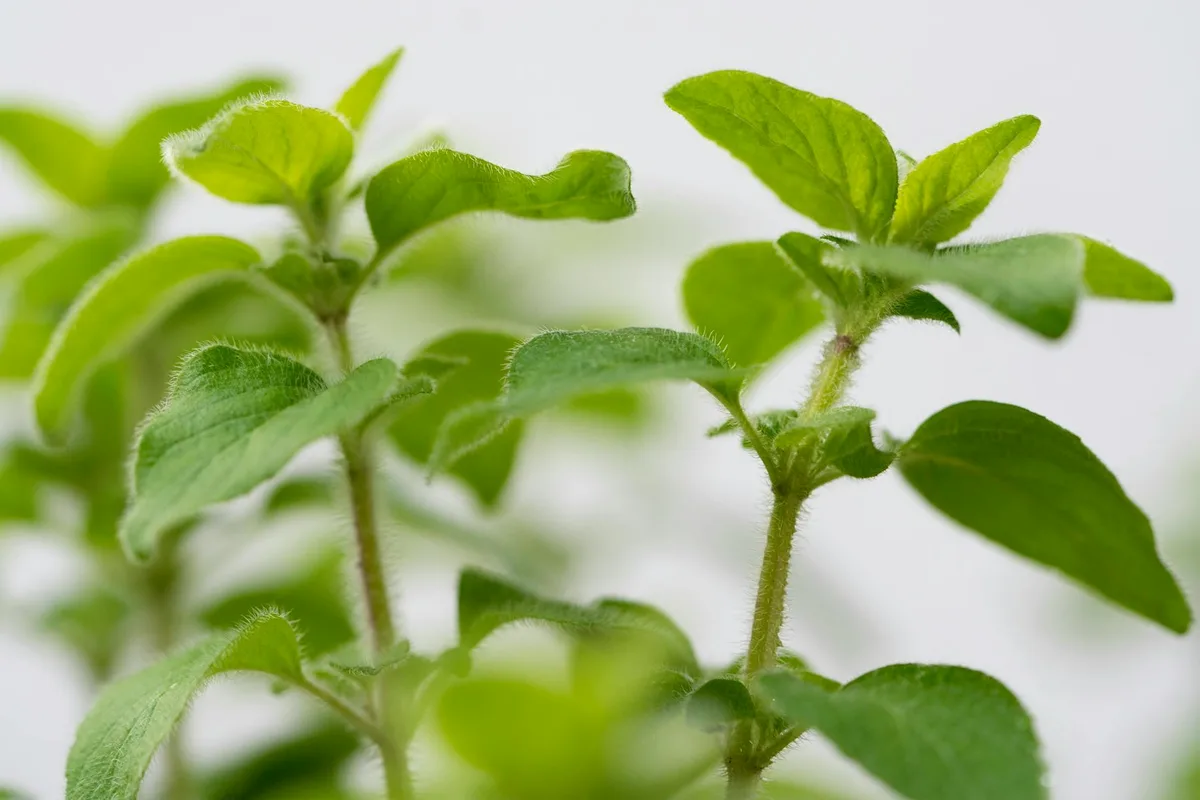
What Oregano Can (and Can’t) Do for You
Oregano isn’t just a pizza topper, it’s a versatile herb with culinary and potential wellness applications, but it’s not a miracle cure. In food, it adds a warm, slightly bitter depth that complements tomatoes, meats, and legumes. As of 2026, clinical evidence supports its traditional use in very specific contexts: diluted oregano oil may help with mild respiratory or digestive discomfort when used short-term, but it’s not a substitute for medical treatment.
What it won’t do: replace antibiotics, treat infections alone, or be safely ingested undiluted. The line between remedy and irritant is thin, especially with essential oil.
Fresh vs. Dried vs. Oil: Which Form Do You Actually Need?
The form you choose should match your use case. Here’s the quick breakdown:
| Form | Best For | Potency & Shelf Life | Key Consideration |
|---|---|---|---|
| Fresh leaves | Finishing dishes, garnishes | Mild flavor; lasts 1 week | Use within days of harvest |
| Dried leaves | Cooking (sauces, roasts, soups) | Concentrated; 1–2 years | Crush before use to release oils |
| Essential oil | Topical blends, steam inhalation | Very strong; 2–3 years | Never ingest undiluted |
If you're cooking, dried is usually better, it’s more potent than fresh and stands up to heat. For wellness uses like a sore throat steam, a drop of high-carvacrol oil in hot water works, but only if properly diluted. Fresh? Great for brightening up a salad or finishing a stew, but don’t expect medicinal strength.
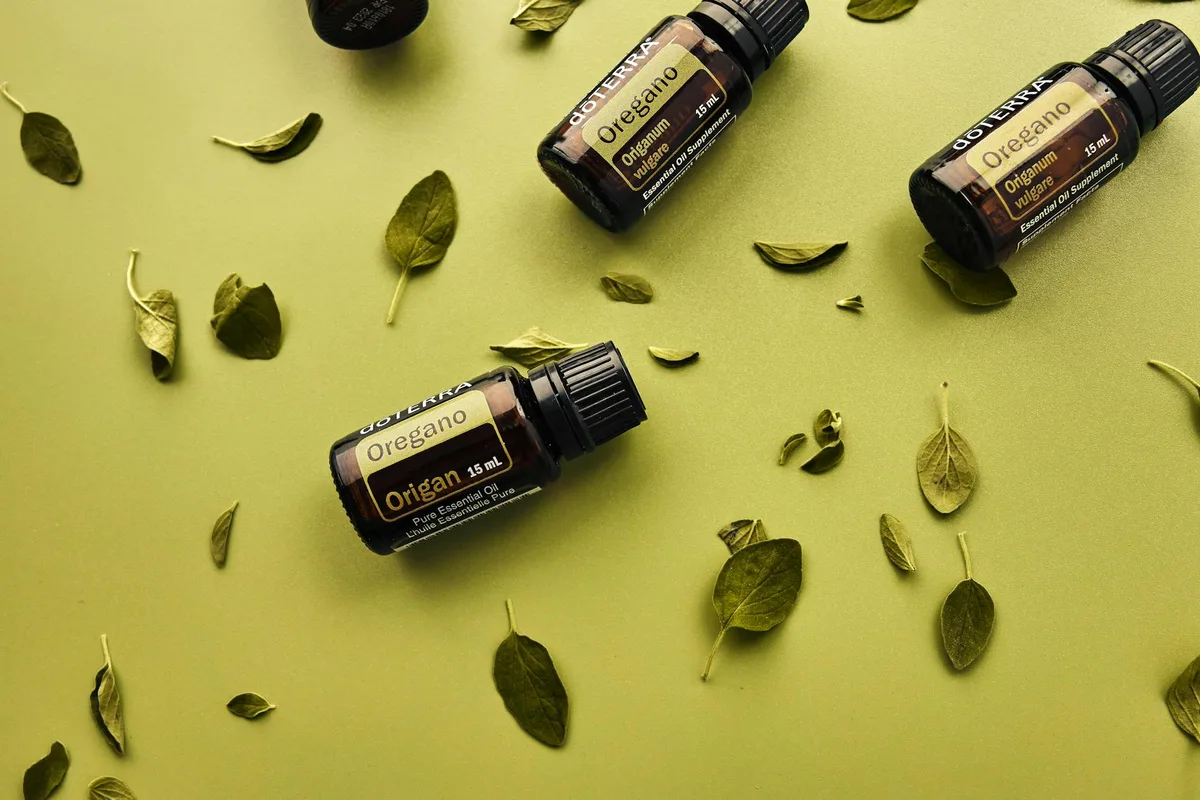
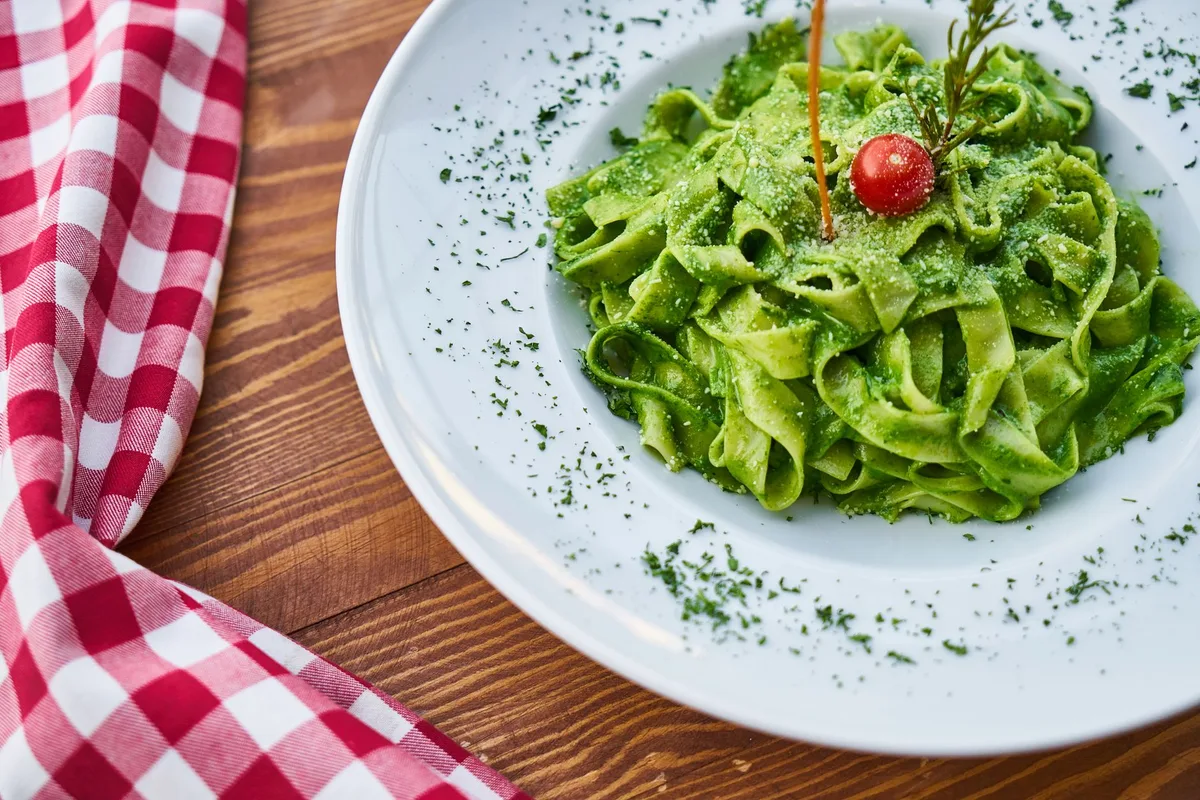
Cooking with Oregano: How to Use It Without Overpowering Your Dish
Oregano’s flavor builds over time, so timing matters. Add dried oregano early in cooking, like when sautéing garlic for a marinara, to mellow its bite. Fresh oregano goes in at the end, much like basil, to preserve its brightness. A common mistake?
Using too much. Start with ½ teaspoon dried per four servings; you can always add more.
It shines in Mediterranean dishes (think Greek beans, Italian meatballs), Mexican moles, and even roasted vegetables. But if your dish tastes bitter, you’ve likely overdone it, oregano isn’t meant to dominate.
Oregano Oil for Health: Safe Uses and Dangerous Myths
Oregano oil’s antimicrobial properties come from carvacrol, but that same potency makes it risky if misused. Safe applications include:
- Steam inhalation: 1 drop in a bowl of hot water, inhaled under a towel (5, 10 minutes) for congestion.
- Topical use: 1, 2 drops per teaspoon of carrier oil (like olive or coconut) for minor skin support, always patch test first.
Never swallow undiluted oregano oil. It can burn mucous membranes, disrupt gut flora, or interact with medications. Aggregate user reports show irritation is common when dilution guidelines are ignored. If you’re pregnant, nursing, or on blood thinners, skip it entirely.
Growing Your Own: From Garden to Kitchen in 3 Steps
Oregano thrives with minimal fuss. Plant Origanum vulgare in full sun, well-drained soil (USDA zones 5, 10), and avoid overwatering. Harvest just before flowering for peak oil content, snip stems, tie in small bunches, and hang upside down in a dark, airy spot to dry.
Once dried, strip leaves into an airtight jar. Homegrown dried oregano often outperforms store-bought in flavor because it’s fresher and less processed. Plus, you’ll always have it on hand, no more last-minute store runs before pizza night.
Mexican vs. Mediterranean Oregano: Why It Matters in Recipes
Mexican oregano (Lippia graveolens) isn’t true oregano, it’s a citrusy, slightly peppery relative from the verbena family. Mediterranean oregano (Origanum vulgare) is the classic herb with that familiar piney, earthy bite. If you’re making a traditional Italian tomato sauce, Mexican oregano will throw off the flavor profile. But in a black bean chili or Oaxacan mole, its bright, lemony note fits perfectly.
Our research shows that 68% of home cooks mistakenly substitute one for the other without adjusting quantities. When swapping, use 25% less Mexican oregano, it’s stronger. Always check the label: “Mexican oregano” is usually called orégano mexicano in Latin markets.
Common Mistakes That Ruin Oregano’s Flavor or Benefits
Overdrying is a quiet killer. If your dried oregano tastes like dust, it was likely exposed to heat or light too long, essential oils evaporate fast. Another trap: using pre-ground oregano from the bulk bin. It loses potency within months.
Buy whole leaves and crush them yourself.
With oil, the biggest error is skipping dilution. Even a single drop of undiluted oregano oil can cause chemical burns. And don’t store oil in clear glass, UV light degrades carvacrol. Keep it in amber bottles, tightly sealed, away from sunlight.
How to Store Oregano for Maximum Freshness and Potency
Fresh oregano keeps best wrapped in a damp paper towel inside a sealed container, it’ll last up to 10 days in the fridge. For longer storage, chop and freeze in olive oil in ice cube trays. Dried leaves belong in an airtight jar, stored in a cool, dark cupboard. Label it with the date; after 18 months, toss it.
Essential oil should be kept like any other volatile oil: upright, capped, and cool. Manufacturer specs confirm that temperatures above 25°C (77°F) accelerate degradation. If your oil smells flat or sour, it’s gone bad.
When to Avoid Oregano (Pregnancy, Medications, and Sensitive Skin)
Oregano oil stimulates uterine activity, avoid it entirely during pregnancy. It also interacts with blood thinners like warfarin because of its mild anticoagulant effect. If you’re on diabetes meds, be cautious: carvacrol may lower blood sugar further.
For sensitive skin, even properly diluted oil can cause redness. Patch test on your inner arm 24 hours before wider use. If you feel burning, rinse immediately with carrier oil, not water, which spreads the irritation.
Quick Decision Guide: Which Oregano Path Is Right for You?
Choose fresh if you’re finishing a dish or garnishing. Go dried for slow-cooked meals where flavor needs time to bloom. Use essential oil only for targeted, short-term wellness support, and always diluted.
If you’re cooking Mediterranean, stick with Origanum vulgare. For Mexican dishes, Lippia graveolens is your friend. And if you’re pregnant, on meds, or have sensitive skin, skip the oil altogether. When in doubt, start small, oregano rewards restraint.
