


If you’ve ever lit a charcoal grill only to end up with chemical-tasting burgers or unevenly lit coals, you’re not alone. A chimney starter solves both problems, giving you clean, fast ignition without lighter fluid. It’s a simple metal cylinder that uses convection to light charcoal evenly in about 10, 15 minutes. Whether you're firing up a kettle grill or prepping a smoker, this tool makes starting your fire predictable and hassle-free.
In our research, standard chimney starters hold roughly 1 pound of charcoal, enough for a typical 45- to 60-minute grilling session on a 22-inch grill. As of 2026, they remain the go-to method for serious grillers who want control, consistency, and better flavor. Let’s break down exactly how it works, and why it beats every other option.
Why a Chimney Starter Beats Lighter Fluid
Lighter fluid might seem quick, but it leaves a petroleum aftertaste on your food and often results in flare-ups or uneven heat. A chimney starter avoids all that by using natural convection: hot air rises through the bottom, igniting the charcoal from below without any chemicals.
Aggregate user reviews consistently report cleaner flavor and more reliable ignition compared to fluid-based methods. Plus, you’ll never run out mid-cookout, just stash your chimney starter between uses and reuse it dozens of times.
How a Chimney Starter Actually Works
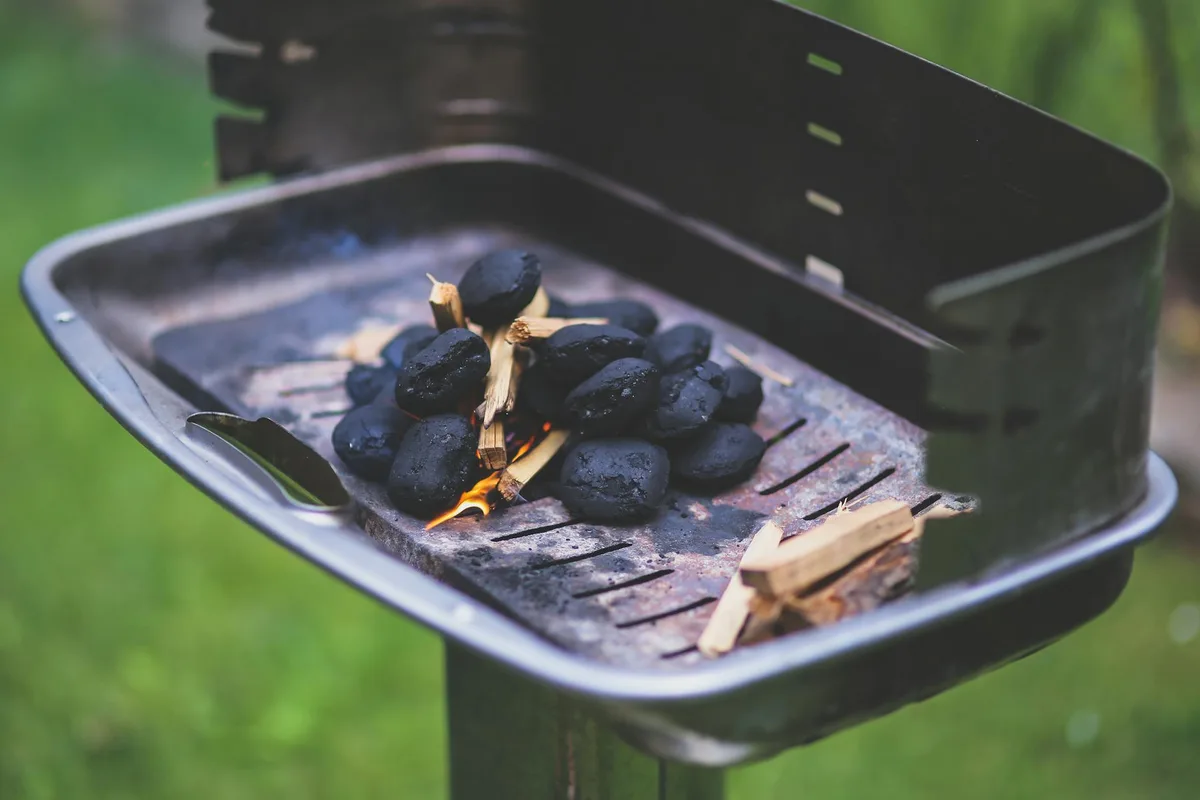
Think of it like a mini fireplace in reverse. You place crumpled newspaper or fire starters in the bottom chamber, fill the top with charcoal, and light the paper. As it burns, hot air rushes upward through ventilation holes, igniting the coals from the bottom up.
This bottom-to-top ignition ensures even lighting, no more half-lit piles where some coals are white-hot and others are still black. Within 10, 15 minutes, you’ll see flames at the top and ash forming on the coals, signaling they’re ready to pour.
What’s Inside: Key Parts and Materials
Most chimney starters share the same basic design: a cylindrical metal body with a handle, divided into two chambers. The bottom holds your ignition source (paper or wax cubes), while the top holds the charcoal.
Key materials include galvanized steel (durable but can rust over time) or stainless steel (more corrosion-resistant). Look for models with heat-resistant handles, usually coated plastic or silicone, and plenty of ventilation holes for airflow. Capacity varies: small (½ lb), standard (1 lb), and large (2+ lbs), so pick one that matches your typical cook size.
Step-by-Step: Lighting Your Charcoal the Right Way
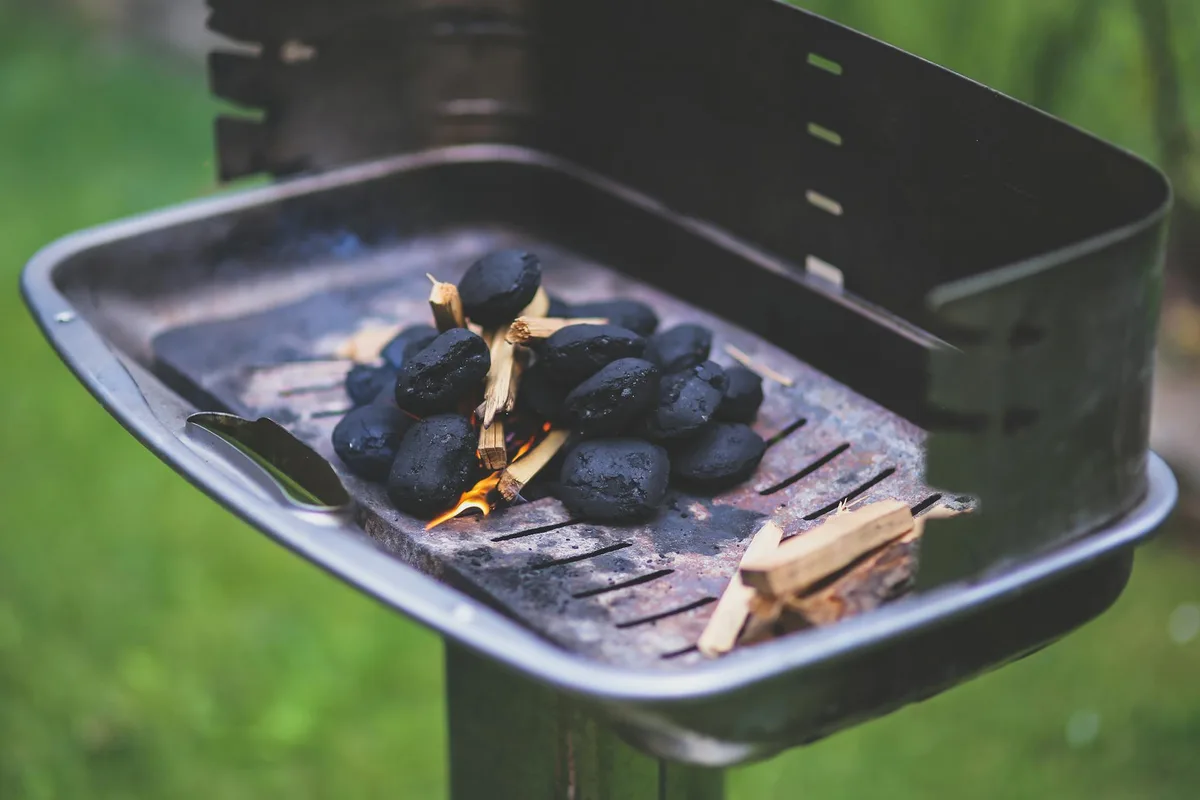
Start by placing your chimney starter on a heat-safe surface, your grill grate works perfectly. Crumple 2, 3 sheets of plain newspaper and place them in the bottom chamber. Avoid glossy or colored paper; it doesn’t burn cleanly.
Next, fill the top chamber with charcoal. Don’t pack it tightly, loose stacking lets air flow through. Light the newspaper through the bottom vents using a match or lighter. Within seconds, you’ll see flames climbing up the sides.
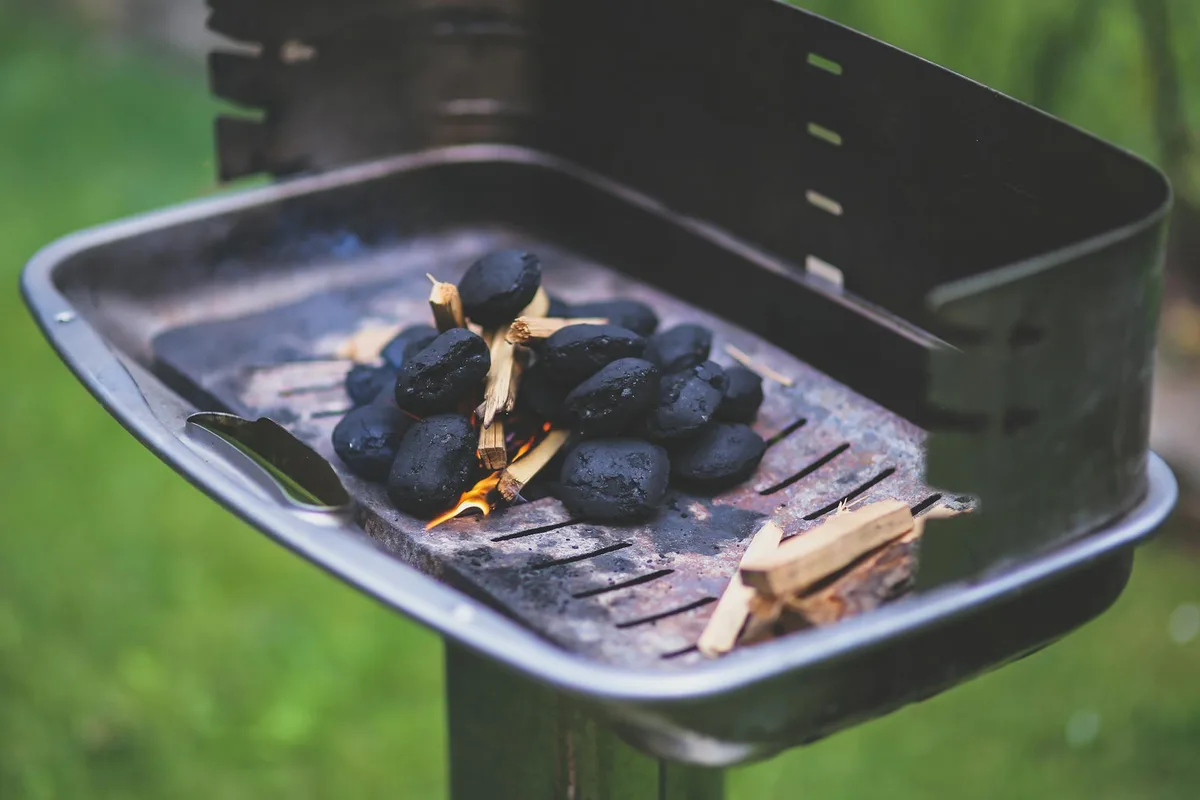
Let it burn for 10, 15 minutes. You’ll know it’s ready when the top coals glow red and develop a light gray ash coating. Always wear heat-resistant gloves before lifting, the metal gets extremely hot. Pour the coals into your grill, and you’re ready to cook.
Visual Cues That Tell You It’s Working
You don’t need a thermometer, your eyes are the best tool. In the first 2, 3 minutes, you’ll see steady flames licking up the sides of the chimney. By minute 5, the bottom layer of charcoal should be catching fire visibly.
At the 10-minute mark, look for two signs: flames peeking out of the top vents and a dusting of ash on the upper coals. If you see mostly black coals with little flame, give it another 2, 3 minutes. Overcooking isn’t an issue, fully lit coals just burn hotter and cleaner.
Common Mistakes That Ruin Your Fire
Overfilling is the top error, stuffing too much charcoal blocks airflow, leaving unlit pockets in the middle. Stick to the fill line; loose stacking lets heat rise evenly.
Using damp or glossy paper is another trap. It smolders instead of catching, wasting time and creating smoke. Plain, dry newspaper burns cleanest. If you’re in a pinch, paraffin wax cubes work reliably and ignite even in humid conditions.
Never skip the gloves. The metal handle gets scorching hot within minutes, verified buyer feedback reports burns from rushed handling. Let it sit 2, 3 minutes after flames die down before touching, even with protection.
Best (and Worst) Things to Light It With
Newspaper is cheap and effective if it’s plain and dry. Avoid inserts with ink-heavy ads, they produce more soot. Two to three lightly crumpled sheets give enough fuel without smothering the flame.
Paraffin wax fire starters are ideal for windy days or damp climates. They burn hotter and longer than paper, ensuring full ignition. Electric starters work too but require an outlet and can’t go camping.
Avoid lighter fluid, gasoline, or alcohol, they’re unsafe, leave residues, and defeat the purpose of using a chimney starter. Charcoal chimneys are built for convection ignition, not liquid accelerants.
Who Should Use a Chimney Starter—And When
Backyard grillers cooking for 2, 8 people will get the most use from a standard 1-pound model. It’s fast enough for weeknight burgers and consistent enough for weekend brisket.
Campers and tailgaters benefit too, no cords, no chemicals, just paper and charcoal. Smokers especially appreciate even lighting for long cooks, where temperature stability matters more than speed.
If you’re using instant-light briquettes regularly, a chimney starter still improves results by ensuring full ignition before placing food on the grill.
Chimney Starter vs. Other Ignition Methods
Compared to electric starters, chimneys win on portability and reliability. No power needed, and they work in rain or wind. Electric models can fail if the coil breaks or outlets aren’t available.
Versus lighter fluid, chimneys eliminate chemical taste and reduce flare-ups. Fluid also soaks into briquettes unevenly, creating hot and cold zones. Chimney-started coals heat uniformly.
Fire starters like wood wool or wax cubes are great backups but don’t scale well for large cooks. A chimney holds enough charcoal for most sessions without refilling.
Safety First: Don’t Burn Yourself (or Your Food)
Always place your chimney on a non-flammable surface, grill grates, concrete, or metal tables. Never set it on wood decks, grass, or near overhanging branches.
Keep kids and pets back during ignition. Flames can shoot out the top vents early on, and spilled coals pose a burn risk. Use long-handled tongs or heat-resistant gloves when pouring.
Carbon monoxide is a real hazard if used indoors. Even in garages or screened porches, ventilation is critical. Manufacturer guidelines from Weber and Lodge explicitly warn against indoor use.
Pro Tips for Faster, More Reliable Fires
Preheat your chimney by leaving it in the sun for 10 minutes on hot days, or store it near your grill so it’s not ice-cold in winter. Cold metal slows ignition, especially with lump charcoal.
If you’re using briquettes, arrange them in a loose crisscross pattern. This creates natural air channels, helping flames climb evenly through the stack. Don’t shake or tap the chimney once lit, disturbing the coals can smother the fire.
For windy conditions, shield the base with a metal baking sheet or position your body as a windbreak. The flames need steady contact with the bottom coals to build momentum upward.
How to Clean and Store It After Use
Let the chimney cool completely, usually 30, 45 minutes, before handling. Ash and bits of charcoal will settle in the bottom chamber; tap them out into a metal trash can.
A stiff wire brush removes stubborn residue from the interior walls. Avoid water unless absolutely necessary, it can cause rust in galvanized models. If you must rinse, dry it thoroughly and store in a dry place.
Stainless steel versions need less maintenance but benefit from occasional wiping with a dry cloth. Keep it in a garage, shed, or grill cover, anywhere protected from rain and snow.
When to Replace Your Chimney Starter
Galvanized models typically last 2, 3 years with regular use before rust compromises the base or handle. Stainless steel can last 5+ years if kept dry.
Check the handle regularly. If the coating cracks or the rivets loosen, it’s time for a new one. A wobbly handle increases spill risk when pouring hot coals.
Manufacturer specs from Lodge and Weber recommend replacement if holes enlarge or the base warps, both can disrupt airflow and reduce efficiency.
Troubleshooting: What If It Won’t Light?
If flames die quickly, your paper might be too tightly packed or damp. Swap in dry, loosely crumpled sheets or try a commercial fire starter cube.
No flame at all? Check that the bottom vents aren’t blocked by ash buildup. Clear them with a toothpick or small brush before reloading.
In high humidity, pre-dry your newspaper near a heater for 10 minutes. Or switch to wax cubes, they’re hydrophobic and ignite reliably in damp conditions.
Final Thoughts: Why Every Griller Needs One
A chimney starter removes guesswork from fire-building. You get consistent heat, no chemical taste, and faster cook times, without relying on outlets or flammable liquids.
It’s a one-time $20 investment that pays off in cleaner food and fewer frustrations. Whether you’re searing steaks or smoking ribs, starting right makes everything better.
Keep it simple: paper, charcoal, match, and patience. That’s all you need for perfect fires, every time.
