


Whether you're searing a steak or baking cornbread, there's a good chance your cast iron skillet has served you well on the stovetop. But when a recipe calls for oven time, you might pause and wonder: Can I put a cast iron skillet in the oven? The answer is a resounding yes, but understanding how to do it safely and effectively is key to avoiding damage to your cookware and ensuring delicious results.
In our research, most cast iron skillets are designed for both stovetop and oven use, offering incredible versatility. Manufacturer specifications often confirm oven-safe temperatures, with many rated up to 500°F (260°C) or higher. This makes them fantastic tools for finishing dishes, baking, and slow roasting. Let’s break down what you need to know to make the transition from stove to oven seamless and successful.
Quick Answer: Yes, With a Few Caveats
Yes, you can absolutely put your cast iron skillet in the oven. In fact, that's one of its greatest strengths! Many recipes go from a sear on the stovetop to baking or roasting in the oven. It’s the versatility that makes cast iron a kitchen workhorse.
However, a few things matter. First, ensure your skillet is actually cast iron. Some skillets have non-metal handles or components that aren't oven-safe. Second, extreme temperature changes can be an issue, so it’s important to preheat and cool down gradually to prevent thermal shock and potential cracking.
When the Oven is Your Skillet's Best Friend
What Happens When Cast Iron Meets the Oven?
When you move a cast iron skillet from the stovetop into a hot oven, you're leveraging its core properties: superior heat retention and even heat distribution. The thick cast iron absorbs and holds a tremendous amount of heat, which it then steadily releases. This means that after an initial sear on the stove, a steak placed in the oven will continue to cook evenly, developing a beautiful, consistent crust without overcooking the interior as quickly as it might on the stovetop alone.
This ability to maintain a steady temperature is why cast iron is fantastic for dishes that require a slow, even cook or a crusty finish. Think of baking a rustic loaf of bread where the hot skillet helps create a crispy crust, or roasting vegetables that benefit from consistent, enveloping heat.
Oven-Safe or Not? Checking Your Skillet
Before you assume every cast iron skillet is ready for a trip to the oven, a quick check is wise. Most modern cast iron skillets, especially those made from a single piece of cast iron, are designed to go from stovetop to oven without an issue. Their typical oven-safe temperature range often reaches 500°F (260°C).
However, there are a few exceptions to watch out for:
- Wooden or Plastic Handles: If your skillet has any parts made of wood or plastic, these will not withstand oven temperatures and can melt or burn.
- Older/Antique Skillets: While often durable, very old skillets might have unseen stress fractures or different metal compositions that could be more susceptible to damage from extreme heat cycles.
- Detachable Handles: Some skillets have detachable handles. If yours does, check the manufacturer's instructions to ensure the skillet itself, when used without the handle, is oven-safe.
- Enameled Cast Iron: Enameled cast iron, like Le Creuset or Staub, is also oven-safe, but its maximum temperature limit might be lower than plain cast iron, often around 450°F (232°C). Always check the manufacturer's specific guidelines.
Look for markings on the bottom of your skillet or consult the original packaging or manufacturer’s website for specific temperature limits.
Navigating Your Cast Iron in High Heat
Heating Essentials: Preheating the Skillet
Preheating your cast iron skillet before it goes into the oven is crucial. Just like you preheat your oven, preheating the skillet on the stovetop for about 5-10 minutes over medium heat ensures that the entire piece of cookware is evenly hot. This avoids the risk of thermal shock and guarantees that your food starts cooking immediately and uniformly upon entering the oven.
If you’re transferring a dish from the stovetop to the oven, ensure the skillet has been adequately preheated on the stove first. For recipes that start in a cold oven with the skillet, follow those specific instructions, but generally, a stovetop preheat on medium heat makes the pan more receptive to the oven's full temperature.
Temperature Limits: What to Watch Out For
As mentioned, most cast iron skillets can handle temperatures up to 500°F (260°C). Some specialized pieces might go even higher, but it's rare for home cooking. What you absolutely must avoid is exceeding the skillet's specified maximum temperature. Pushing beyond this limit, particularly with thin-walled or older pans, increases the risk of warping or even cracking the cast iron itself.
Always check the manufacturer's guidelines. For instance, Lodge skillets are generally rated for 500°F (260°C), but you should always confirm with their official documentation. If your skillet has a helper handle, that component also needs to be oven-safe; typically, cast iron helper handles are fine, but you'd need to verify.
Handle with Care: Dealing with Hot Handles
Cast iron handles get just as hot as the rest of the skillet, especially when they are made from cast iron themselves and have been in the oven. This is a critical safety point. Using oven mitts or thick pot holders is non-negotiable when removing a hot cast iron skillet from the oven.
If your skillet has a small "helper" handle opposite the main one, it's there for better leverage, but it also gets extremely hot. Even skillets with a longer main handle will transfer significant heat up to the handle. Never, ever touch a cast iron handle directly after it's been in a hot oven without adequate protection.
Mastering Oven-Cast Iron Cooking
The Art of the Sear and Finish
This is where cast iron truly shines. You can achieve a magnificent, restaurant-quality sear on a steak, pork chop, or chicken breast right on your stovetop. Once you’ve developed that golden-brown crust, you simply transfer the entire skillet to a preheated oven to finish cooking the interior to perfection. This method ensures your protein is cooked through evenly without burning on the outside before the inside is done.
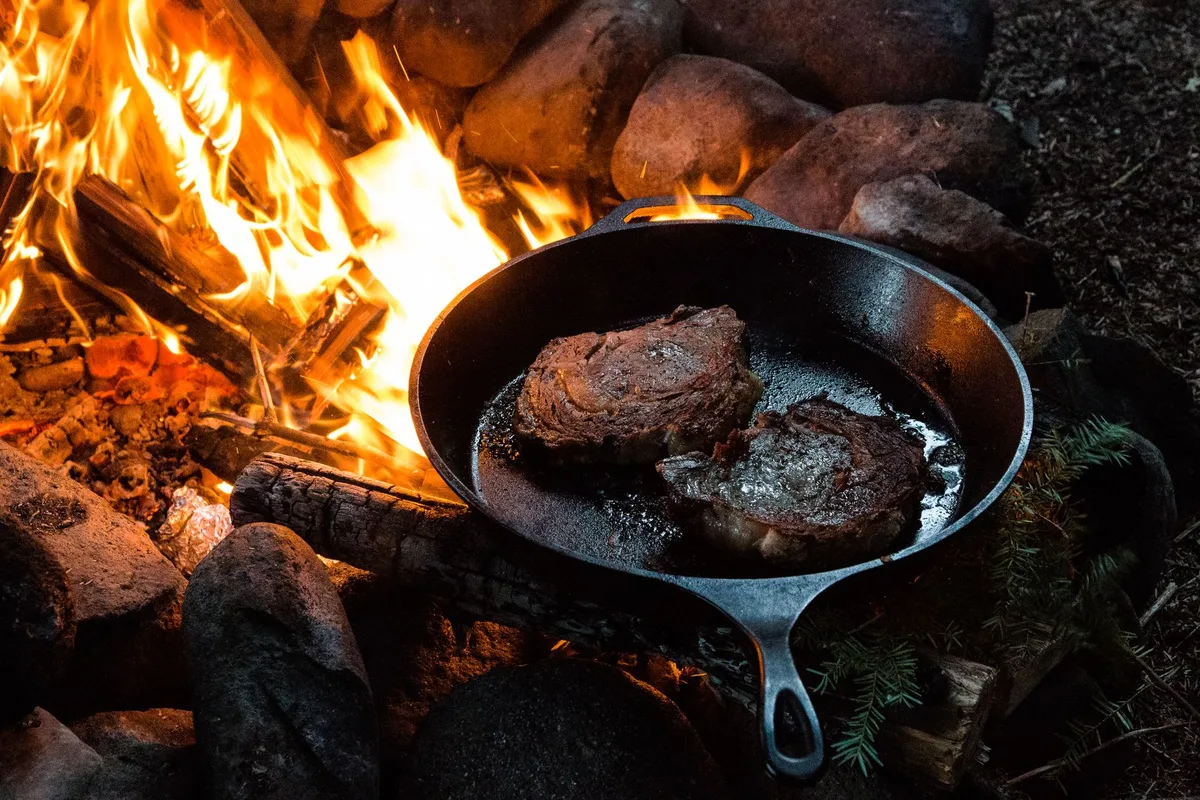
For example, searing a thick-cut ribeye on high heat for 2-3 minutes per side, then moving it to a 400°F (204°C) oven for another 5-8 minutes (depending on thickness and desired doneness), yields incredible results. This technique works beautifully for many meat dishes, including baked chicken Jamaican recipe or the recipe for chicken marsala from cheesecake factory.
Baking Success: Bread, Cornbread, and More
Cast iron skillets are surprisingly adept at baking. Their ability to retain heat helps create the perfect crust for many baked goods. Think about cornbread: pouring the batter into a screaming hot, oiled cast iron skillet just as it enters the oven results in an incredibly crispy, golden exterior that’s hard to achieve with other pans.
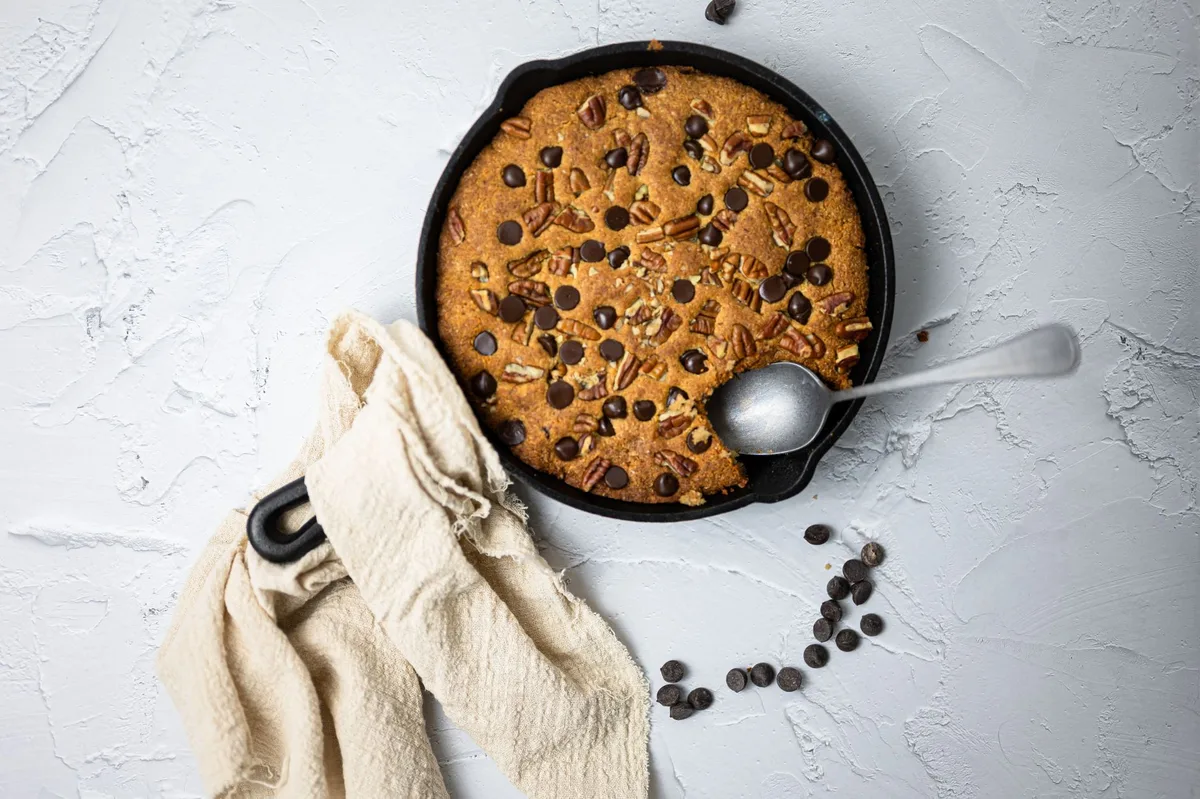
Beyond cornbread, many bakers use cast iron for rustic loaves of bread, apple crisps, fruit cobblers, and even cakes. The even heat distribution helps prevent hot spots that can lead to uneven baking. For a whole meal that benefits from this, consider sides for a recipe for bourbon street chicken.
Roasting Brilliance: Veggies and Meats
Roasting vegetables or smaller cuts of meat in a cast iron skillet in the oven is another fantastic application. The skillet holds heat well, ensuring those vegetables get nicely caramelized and tender. For example, tossing Brussels sprouts or root vegetables with oil and seasoning in the skillet before placing it in a hot oven (around 400-425°F or 204-218°C) leads to beautifully roasted results. This is perfect for a hearty side dish that complements a main like a recipe chicken mornay.
If you're roasting boneless chicken pieces or even a whole chicken (depending on skillet size), the cast iron will ensure a consistent cooking temperature. This method is often more efficient than using a standard baking sheet for smaller roasting tasks.
Avoiding Cast Iron Calamities
The Big Three: Rust, Cracking, and Seasoning Issues
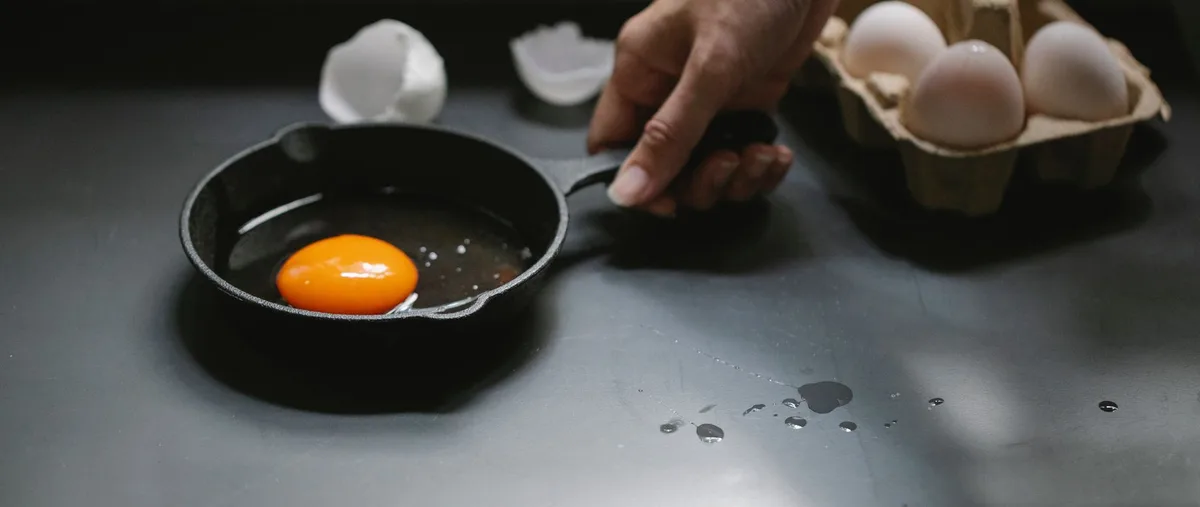
- Rusting: This is the most common enemy of cast iron. It happens when the protective seasoning layer is compromised and the iron is exposed to moisture for too long. Always dry your skillet completely immediately after washing and apply a thin layer of oil.
- Cracking: While cast iron is tough, it's not indestructible. Thermal shock, rapid extreme temperature changes, can cause the metal to crack. This happens if you plunge a very hot skillet into cold water or, conversely, blast a cold skillet with extreme heat too quickly.
- Seasoning Damage: Over time, your painstakingly built seasoning can degrade. This can happen from using harsh detergents, abrasive scrubbers, or prolonged cooking of highly acidic foods without proper care. A damaged or weak seasoning will lead to food sticking and increased vulnerability to rust.
Thermal Shock: The Quick Way to Damage Your Pan
Thermal shock is a serious concern for cast iron. It occurs when there's a drastic temperature difference between the pan and its environment, or between different parts of the pan itself. For instance, pouring cold water into a blazing hot skillet on the stovetop is a classic, and quick, way to cause a crack. Similarly, taking a skillet frozen in the freezer and immediately placing it onto a red-hot burner or into a very hot oven can induce stress.
Manufacturer specifications often recommend slow, gradual temperature changes. For example, if your skillet has been in a hot oven, let it cool down significantly before washing it with water. If it's been on the stovetop on high heat, let it cool down a bit before rinsing. Most cast iron is built to withstand normal cooking temperature fluctuations, but extreme, rapid shifts are its Achilles' heel.
Common Cooking Mistakes in the Oven
Even with a sturdy cast iron skillet, a few common mistakes can derail your oven cooking. One frequent error is overcrowding the pan. When roasting vegetables or meats, giving them space to breathe allows heat to circulate, promoting browning and crisping rather than steaming. Another pitfall is impatience; pulling food out too early because the exterior looks done, while the interior remains undercooked.
Cleaning Up Without Losing Your Seasoning
Proper cleaning is vital to prevent rust and maintain your skillet's non-stick properties. As soon as the skillet is cool enough to handle safely, wash it with hot water and a stiff brush or a non-metal scraper. If food is really stuck, a bit of coarse salt can act as a mild abrasive, but avoid metal scourers or harsh dish soaps, especially on well-seasoned pans.
For most everyday messes, hot water and a good scrub are all you need after cooking something like recipe chicken artichoke hearts sundried tomatoes. Once clean, immediately place the skillet on a low heat burner on the stovetop for a few minutes to ensure it's bone dry. This step is non-negotiable.
Drying and Oiling: The Key to Longevity
After washing and thoroughly drying your cast iron skillet on the stovetop, apply a very thin layer of cooking oil, like vegetable oil or flaxseed oil, using a paper towel. Rub it all over the interior and exterior surfaces. Then, place the skillet back on the stovetop over low heat for 5-10 minutes, or in a warm oven (around 200-250°F / 93-121°C) for about 30 minutes. This process helps to "polymerize" the oil, reinforcing the seasoning layer and protecting the iron from moisture.
This brief oiling and heating step is the secret to preventing rust and building a truly non-stick surface over time, ensuring your skillet is ready for everything from prepping ingredients for a ras el hanout recipes using chicken to baking a sweet treat.
Finishing Strong: Beyond the Stovetop
Cast iron excels at bridging the gap between stovetop searing and oven finishing. This dual capability allows for culinary techniques that are difficult with other cookware. For instance, you can achieve a perfect char on a steak or chicken thighs on the hob, then seamlessly move the pan into the oven to complete the cooking process. This is frequently employed in dishes that require both intense initial heat for browning and gentle, even heat for a thorough cook.
This method is perfect for preparing dishes like a recipe for bourbon street chicken or a robust recipe chicken mornay. The oven’s consistent heat ensures that the inside cooks through perfectly without drying out, while the initial sear locks in juices and builds a delicious crust.
Who Benefits Most from Oven-Cast Iron?
Essentially, anyone who cooks regularly will find immense value in using their cast iron skillet in the oven. Home cooks looking to achieve restaurant-quality results will particularly benefit from the sear-then-bake technique for meats. Bakers will appreciate the consistent, even heat that results in superior crusts for bread and cornbread.
This versatility also appeals to those who enjoy a wide range of cooking styles, from simple weeknight dinners to more elaborate weekend projects. If you’re interested in exploring more precise cooking methods, consider looking into resources for air fryer recipes vegetarian high protein which often demand similar attention to heat control for optimal results. The ability to move from direct heat to indirect heat, all within the same pan, simplifies cooking and expands your recipe repertoire.
