


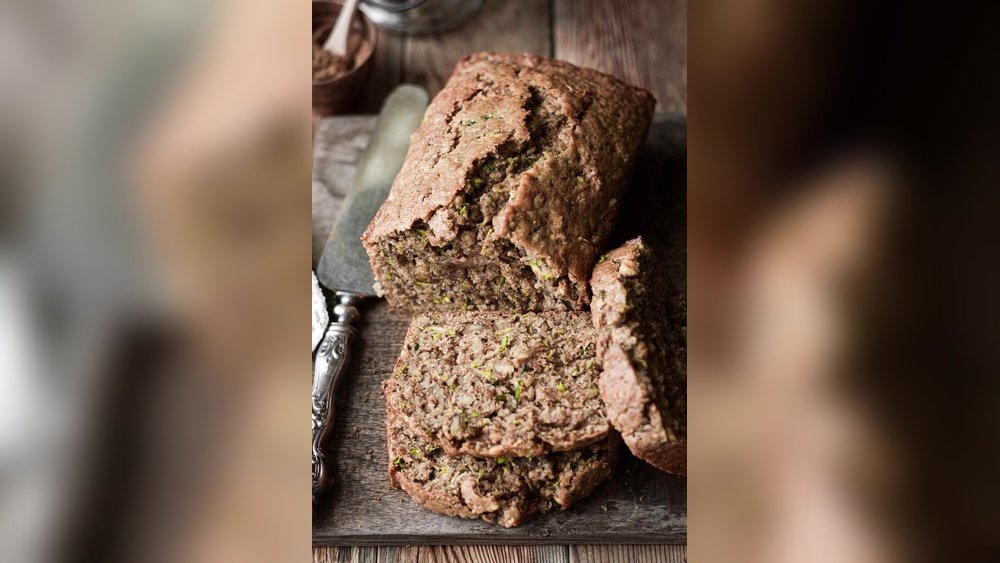
Baking zucchini bread at high altitude can be tricky, but you’re about to discover an easy recipe that works perfectly every time. If you’ve ever had your bread turn out too dry, too dense, or just not right, this guide is made for you.
Imagine pulling a warm, moist loaf from your oven—full of fresh zucchini flavor and just the right texture. Keep reading, and you’ll learn the simple adjustments that make all the difference when baking high-altitude zucchini bread. Your next baking success is just a few steps away!
Challenges Of High Altitude Baking
Baking at high altitude brings unique challenges. The lower air pressure changes how ingredients react. This affects baking times, textures, and moisture levels in your zucchini bread. Adjustments are necessary to get a perfect loaf every time.
Effects On Texture And Moisture
At high altitudes, air expands faster in the oven. This can cause your zucchini bread to rise quickly and then collapse. The crumb might turn dry or crumbly instead of moist and soft. Water evaporates faster, so the bread may lose moisture during baking. Balancing liquids and baking time is key for the right texture.
Common Issues With Zucchini Bread
Zucchini bread often faces problems like sinking in the middle. It can also become too dense or dry. Too much rising can create large holes and uneven texture. The bread might bake unevenly because the outside cooks faster than the inside. Understanding these issues helps to adjust ingredients and baking steps correctly.

Credit: mountainmamacooks.com
Ingredients For High Altitude Zucchini Bread
Baking zucchini bread at high altitude requires careful attention to ingredients. The right choices help the bread rise well and stay moist. Small changes in ingredients make a big difference in texture and flavor.
Choosing Fresh Zucchini
Use fresh zucchini that is firm and bright green. Avoid zucchinis with soft spots or wrinkles. Fresh zucchini has more moisture and better flavor. Grate it finely for even mixing in the batter. Drain excess water to prevent soggy bread.
Adjusting Dry And Wet Ingredients
High altitude baking needs less flour and more liquid. Reduce flour by about 2 tablespoons to keep bread tender. Add extra liquid like milk or water to balance moisture. Use one or two extra eggs for structure. These changes help the bread rise without drying out.
Step-by-step Baking Instructions
Baking zucchini bread at high altitude needs care and attention. Follow these step-by-step instructions to get soft, moist bread with a perfect rise. Each step helps balance ingredients and baking conditions for the best results.
Preparing The Zucchini
Start by washing the zucchini well. Grate it finely using a box grater or food processor. Squeeze out extra water with a clean towel or cheesecloth. Removing moisture keeps the bread from becoming soggy. Set the zucchini aside for the batter.
Mixing The Batter
Combine dry ingredients in a large bowl: flour, baking powder, baking soda, salt, and spices. In a separate bowl, beat eggs with sugar until smooth. Stir in oil and vanilla extract. Add the grated zucchini and mix well. Slowly fold the dry ingredients into the wet mixture. Avoid overmixing to keep bread tender.
Baking Time And Temperature Tips
Preheat the oven to 350°F (175°C). Use a light-colored metal pan for even baking. Bake the bread for 50 to 60 minutes. Check doneness with a toothpick; it should come out clean. If the top browns too fast, cover with foil. Let the bread cool in the pan for 10 minutes. Then transfer to a wire rack to cool completely.

Credit: mountainmamacooks.com
Tips For Moist And Fluffy Results
Making zucchini bread at high altitude can be tricky. The air pressure affects baking times and moisture. These tips help keep your bread moist and fluffy every time. Follow them to enjoy soft, tender slices full of flavor.
Balancing Moisture Content
Zucchini naturally adds moisture, but it can vary. Grate zucchini and squeeze out extra water with a clean towel. Too much water makes the bread soggy. Use oil or butter to keep the bread tender. Avoid using too much flour; it dries the bread out. Adding a little extra egg helps bind moisture and structure.
Preventing Overbaking
Oven temperature rises faster at high altitudes. Check the bread 5-10 minutes before the recipe time ends. Use a toothpick to test; it should come out with a few moist crumbs. Overbaking causes dryness and hardness. Lower the oven temperature by 15-25 degrees Fahrenheit. This keeps the bread soft and evenly baked.
Variations And Add-ins
Adding variations and mix-ins to your zucchini bread can make it more exciting. Small changes create new flavors and textures. This keeps the bread interesting and fresh every time you bake it.
Try different nuts, seeds, or spices to suit your taste. These extras can enhance the flavor without changing the baking process. Choose what you like and experiment with amounts.
Nuts And Seeds
Chopped walnuts add a nice crunch and a mild flavor. Pecans work well too, giving a buttery taste. Sunflower seeds bring a subtle nuttiness and extra texture. Pumpkin seeds add a slight earthiness and a good crunch.
Use about half a cup of nuts or seeds. Toast them lightly before adding for deeper flavor. Mix them gently into the batter to keep pieces whole.
Spices And Flavor Enhancers
Cinnamon is a classic spice that pairs well with zucchini bread. Nutmeg adds warmth and a little sweetness. Ginger gives a slight spicy kick. Vanilla extract boosts the overall flavor without overpowering.
Try one or a combination of these spices. Use about a teaspoon of cinnamon and a pinch of nutmeg or ginger. A teaspoon of vanilla extract blends smoothly with the spices.

Credit: curlygirlkitchen.com
Storage And Serving Suggestions
Storing and serving zucchini bread properly keeps it tasty and fresh. This section shares easy tips to enjoy your high altitude zucchini bread longer. Plus, discover fun ways to serve it for any time of day.
Keeping Zucchini Bread Fresh
Cool the zucchini bread completely before storing. Wrap it tightly in plastic wrap or foil. Store at room temperature for up to three days.
For longer storage, place the bread in an airtight container. Keep it in the fridge for up to a week. To freeze, wrap the bread well and use a freezer bag.
Thaw frozen bread at room temperature. Avoid leaving it out too long to keep moisture. Fresh bread tastes best within the first few days.
Creative Serving Ideas
Serve zucchini bread warm with a light spread of butter. Add cream cheese for a rich taste. Try honey or jam for a sweet touch.
Cut the bread into small cubes for a snack or party platter. Pair it with nuts or fresh fruit. Use slices as a base for a quick breakfast.
Turn leftover zucchini bread into a dessert by topping with yogurt and berries. Toast slices lightly for a crisp texture. Enjoy it plain with a cup of tea or coffee.
Frequently Asked Questions
How Do You Adjust Zucchini Bread For High Altitude?
At high altitude, reduce baking powder slightly and increase flour by 1-2 tablespoons. Also, bake at a slightly lower temperature for even cooking.
What Causes Zucchini Bread To Collapse At High Altitude?
Zucchini bread collapses due to too much leavening or insufficient flour. Adjust ingredients and baking time to prevent sinking or collapsing.
Can I Use Regular Recipes For High-altitude Zucchini Bread?
Regular recipes often fail at high altitude. Modify ingredient amounts and baking time to ensure proper texture and rise.
How Long Should Zucchini Bread Bake At High Altitude?
Bake zucchini bread 5-10 minutes less than sea level recipes. Check doneness with a toothpick to avoid overbaking.
Conclusion
Baking zucchini bread at high altitude needs small changes. This recipe helps you get soft, tasty bread every time. Follow the steps and measure ingredients well. Fresh zucchini adds moisture and flavor to your bread. Enjoy warm slices with butter or jam.
Baking at high altitude can be fun and rewarding. Try this recipe and see the difference yourself. Your kitchen will smell wonderful, and your family will love it. Keep practicing and soon you’ll bake with confidence. Simple tweaks make all the difference in high-altitude baking.
