


Descaling your Delonghi coffee machine is essential for maintaining flavor quality and machine longevity. Over time, mineral buildup from hard water can clog internal components and affect performance. Regular descaling ensures consistent espresso taste and extends the life of your appliance.
Coffee lovers know that a great cup starts with a well-maintained machine. Whether you’re pulling shots of espresso or making a morning latte, your Delonghi coffee machine plays a crucial role in delivering that rich, aromatic experience. But over time, minerals like calcium and magnesium build up inside the boiler and tubing—especially if you live in an area with hard water. This buildup, known as limescale, can silently degrade your machine’s performance.
That’s where descaling comes in. Descaling is the process of removing this mineral deposit to restore optimal function and preserve the flavor of your coffee. Ignoring it may seem harmless at first—after all, your machine still makes coffee—but eventually, you’ll notice slower brewing times, weaker extraction, or even error codes. Worse yet, prolonged neglect can permanently damage internal components. So let’s dive into how to descale your Delonghi coffee machine properly, safely, and effectively so you can keep enjoying barista-quality brews at home.
Key Takeaways
- Why descaling matters: Mineral deposits from water reduce heating efficiency and alter taste; regular descaling delonghi coffee machine prevents long-term damage.
- Frequency guidelines: Descale every 1–3 months depending on water hardness and usage—check your model’s manual for specifics.
- Safety first: Always unplug the machine before starting any cleaning or descaling process.
- Use approved solutions: Only use Delonghi-recommended descalers or white vinegar to avoid harming internal parts.
- Post-descaling rinse: Run several cycles of clean water through the system to remove all traces of descaler.
- Signs you need to descale: Slow brewing, bitter taste, error messages, or steam wand issues often indicate it’s time.
- Maintenance beyond descaling: Combine descaling with monthly deep cleaning of the brew group and drip tray for best results.
📑 Table of Contents
What Is Descaling & Why Does It Matter?
Descaling isn’t just another item on a long list of chores—it’s a vital part of espresso machine maintenance. At its core, descaling removes scale (limescale) that accumulates from hard water used during regular brewing cycles. These tiny crystals form inside the water reservoir, heating element, and internal pipes. While they don’t cause immediate problems, over time they insulate heat transfer, forcing the machine to work harder and less efficiently.
For Delonghi machines—whether you own a PrimaDonna, Magnifica, or Compact model—this means reduced pressure during extraction, uneven temperature distribution, and ultimately, bitter or sour-tasting coffee. Some models even have built-in descaling alerts that remind you when it’s time. If ignored, these warnings can lead to costly repairs or replacement. That’s why understanding how to descale your Delonghi coffee machine isn’t optional—it’s necessary for both performance and longevity.
How Often Should You Descale?
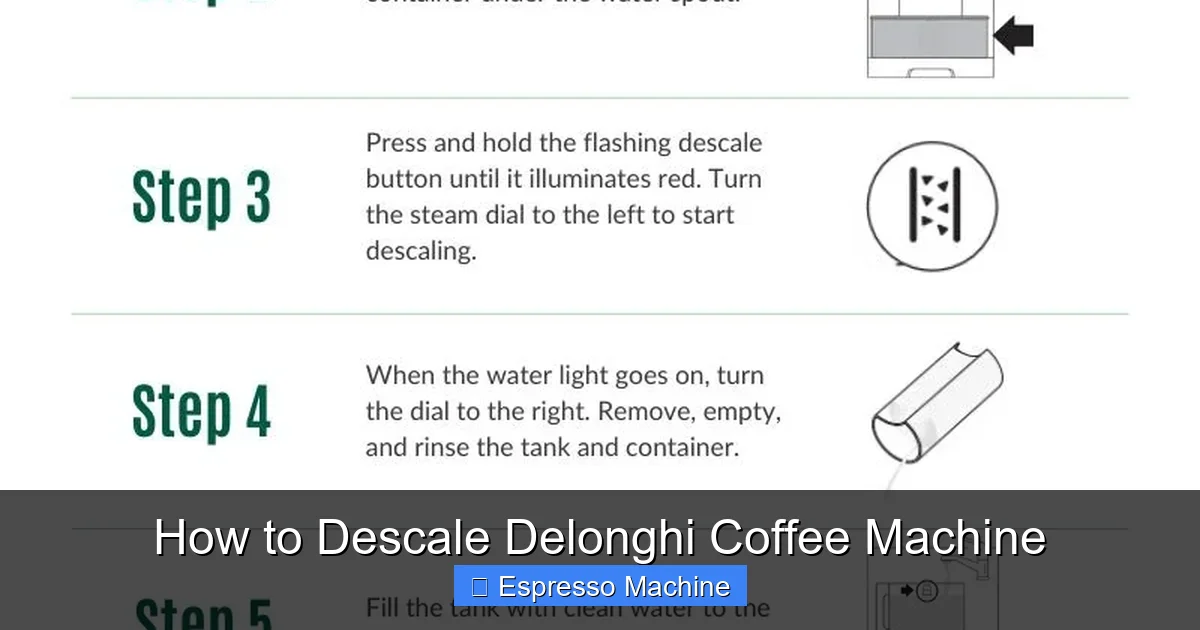
Visual guide about How to Descale Delonghi Coffee Machine
Image source: coffeemachinedescaler.com
The frequency of descaling depends on several factors: water hardness in your area, how frequently you use the machine, and the specific model you own. As a general rule, most Delonghi owners should plan to descale every 1 to 3 months under normal conditions. However, if you live in a region with very hard water or use your machine daily for multiple drinks, you might need to go monthly.
To help you stay on track, many Delonghi models feature a built-in counter that tracks water usage and reminds you via display messages like “Descale Now” or “Service Required.” Pay attention to these signals! They’re designed to protect your investment. For reference, here’s a quick guideline:
- Soft water + light use (1–2 cups/day): Every 3 months
- Moderate water hardness + moderate use (3–5 cups/day): Every 6–8 weeks
- Hard water + heavy use (multiple shots daily): Every 4–6 weeks
If you’re unsure about your local water quality, consider using a home test kit or installing a water softener. Alternatively, switching to filtered or distilled water can significantly reduce scaling risk—and yes, you can still descale your Delonghi coffee machine even if you switch to softer water, but less often.
Gather Your Supplies: What You’ll Need
Before diving into the steps, make sure you have everything ready. Having supplies on hand prevents interruptions and ensures a smooth process. The good news? You don’t need anything fancy—just a few common items and possibly a container to catch overflow.
Start with a **Delonghi-approved descaling solution**, which typically comes in liquid form and is specifically formulated for espresso machines. These are available at most kitchen supply stores or online. Alternatively, you can use **white vinegar**, though it requires more dilution and rinsing. Avoid generic cleaners—they can leave residues or corrode seals.
You’ll also need:
– A large measuring jug (at least 1 liter)
– A clean cloth or sponge
– A container to collect water during the rinse cycle (bowl or large mug works fine)
– Access to fresh, preferably softened or distilled water
Pro tip: Always check your user manual for model-specific recommendations. Some Delonghi machines recommend only their branded descaler, while others allow alternatives like vinegar. Using the wrong product could void your warranty or damage sensitive parts.
Step-by-Step Guide: How to Descale Delonghi Coffee Machine
Now that you’re prepared, let’s walk through the actual descaling process. This method applies to most Delonghi superautomatic and semi-automatic models, including popular series like Magnifica, ECAM, and Dedica. If your machine has unique features (like dual boilers or milk frothers), refer to your manual for adjustments.
Step 1: Prepare the Machine
Begin by turning off and unplugging your Delonghi coffee machine. Allow it to cool completely if it was recently used. Empty the water tank and drip tray, then refill the tank with fresh water—about half full. Next, add the appropriate amount of descaling solution based on your model’s capacity and the product instructions. For example, if your tank holds 2 liters and the descaler recommends 200ml per liter, pour 400ml into the water.
Step 2: Initiate the Descaling Mode
Locate the descaling menu on your control panel. On many Delonghi models, this is accessed by holding down specific buttons (often “Menu” + “Espresso”) for a few seconds until an indicator light blinks or a message appears. Once in descaling mode, the machine will begin pumping the solution through the internal system. Let it run until prompted to refill the tank again—this usually happens after one cycle.
Step 3: Rinse Thoroughly
After the descaling solution circulates, empty the tank and fill it again with fresh, clean water. Return to the descaling menu and select the “rinse” or “water flush” option. This step removes any leftover descaler residue and flushes out loosened mineral deposits. Repeat this process 2–3 times or until the rinse water runs clear.
Step 4: Reset the Machine
Once rinsing is complete, exit descaling mode and reset the machine. Some models automatically reset after rinsing; others require you to press a confirmation button. Don’t forget to wipe down the exterior and reassemble any removable parts like the brew group or milk carafe. Then plug the machine back in and run a test shot to ensure everything’s working smoothly.
Common Mistakes to Avoid
Even experienced users sometimes skip steps or use improper techniques. Here are a few frequent errors and how to fix them:
- Using tap water without softening: Hard water defeats the purpose of descaling. Always use softened, filtered, or distilled water during rinsing.
- Rushing the rinse cycle: Skipping rinses leaves chemical residue that affects taste and machine health.
- Not following timer prompts: Many Delonghi machines pause during descaling to let you refill. Ignoring these pauses can cause incomplete cycles.
- Mixing vinegar with other cleaners: Vinece and alkaline cleaners react dangerously—stick to one method at a time.
Also, never force parts during disassembly. Delonghi machines are precision-engineered; prying open components can break plastic clips or misalign sensors. When in doubt, consult your manual or reach out to customer support.
Maintaining Your Delonghi Between Descales
Descaling alone isn’t enough. To truly keep your machine performing like new, incorporate regular maintenance habits. After each use, always wipe the steam wand immediately and purge it with hot water. Weekly, remove and wash the brew group, drip tray, and water tank with warm, soapy water. Monthly, give the exterior a gentle wipe with a damp cloth—never submerge electronic parts.
Additionally, consider using a water filter insert in the reservoir if your model supports it. This simple upgrade reduces mineral intake and extends time between descals. And remember: if you notice changes in taste or performance between scheduled descals, trust your instincts—descale sooner rather than later.
When to Call a Professional
While DIY descaling is safe and effective for most users, there are signs that indicate deeper issues. If your machine displays persistent error codes after descaling, leaks around the base, or makes unusual noises, stop using it immediately. These could point to cracked seals, failing pumps, or electrical faults that require expert diagnosis. In such cases, contact Delonghi customer service or an authorized technician. Attempting complex repairs yourself risks further damage and voids warranties.
Frequently Asked Questions
Can I use vinegar instead of a commercial descaler?
Yes, you can use white vinegar to descale your Delonghi coffee machine, but dilute it heavily—typically a 50/50 mix with water. Commercial descalers are safer and faster, but vinegar works in a pinch. Just be sure to rinse thoroughly afterward to avoid lingering acidity affecting future brews.
How do I know if my Delonghi needs descaling?
Watch for signs like slow brewing, weak espresso shots, bitter taste, error messages on the display, or reduced steam pressure. Many Delonghi models also show a “Descale Now” prompt when mineral buildup reaches a threshold. Regular monitoring helps catch issues early.
Is descaling covered under warranty?
Descaling itself isn’t considered damage—it’s recommended maintenance. However, using unauthorized chemicals or improper methods may void your warranty. Always follow your manual’s instructions and use approved products to stay protected.
Can I descale my Delonghi machine too often?
Technically yes, but it’s unnecessary. Over-descaling wastes solution and doesn’t improve performance. Stick to the recommended schedule based on usage and water hardness. More isn’t better when it comes to descaling your Delonghi coffee machine.
What happens if I ignore descaling?
Ignoring descaling leads to clogged pipes, inefficient heating, poor-tasting coffee, and eventual mechanical failure. In severe cases, the pump or thermostat may burn out, requiring expensive repairs or replacement of your Delonghi machine.
Do all Delonghi models have the same descaling process?
Most share similar steps, but details vary by model. Always consult your owner’s manual for exact procedures, especially regarding button combinations, rinse cycles, and solution ratios. Referencing guides like How To Clean And Descale A Coffee Maker can also provide helpful context.
