


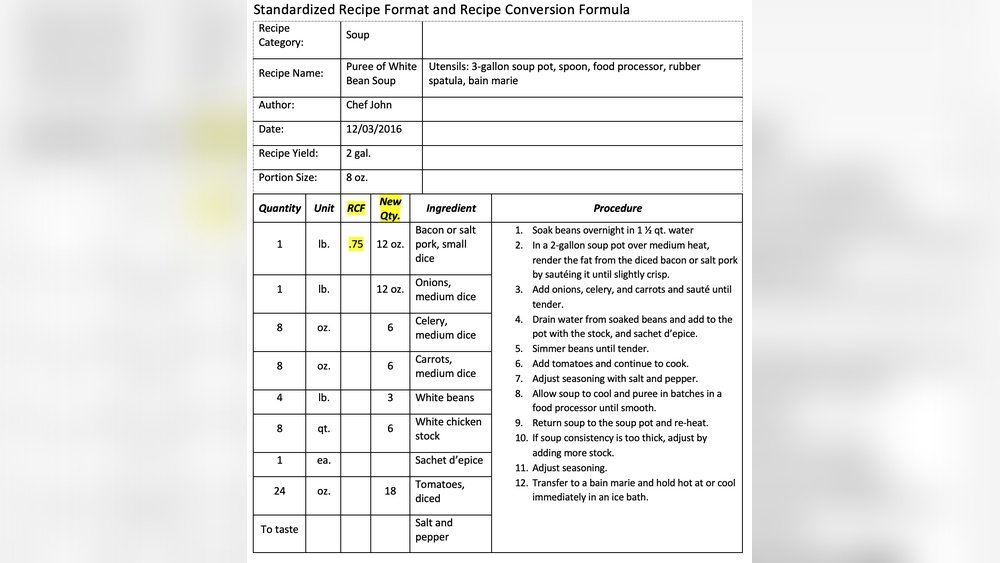
Have you ever followed a recipe only to end up with more food than you expected—or sometimes not enough? Understanding the yield of a recipe is the key to getting it just right every time.
Knowing how much your recipe will produce helps you plan meals better, avoid waste, and even save money. You’ll discover simple tips to master recipe yields and make your cooking experience smoother and more predictable. Ready to take control of your kitchen results?
Let’s dive in!

Credit: www.youtube.com
Factors Affecting Recipe Yield
Recipe yield means how much food the recipe makes. It depends on many things. Knowing these helps you plan better. It stops food waste and saves money.
Ingredient Variations
Different brands or types of ingredients change the yield. Fresh vegetables have more water than frozen ones. This affects the final amount of food. Using big eggs instead of small ones changes volume. Ingredients with more moisture can reduce the yield.
Cooking Techniques
How you cook affects the yield. Boiling can cause water loss, reducing the final amount. Baking might dry food out and lower the yield. Steaming keeps moisture and keeps more weight. Cooking time and temperature also change the yield.
Measurement Accuracy
Exact measurements give better yield results. Too much or too little ingredient changes the amount made. Using proper tools like cups and scales helps. Guessing or eyeballing can cause errors. Accurate measurements lead to consistent and reliable yields.
Adjusting Ingredients For More Servings
Adjusting ingredients to serve more people can be simple and effective. Knowing how to change the amounts keeps the dish tasty and balanced. It helps to avoid waste and ensures everyone enjoys the meal.
Scaling Recipes Up Or Down
Start by deciding how many servings you need. Multiply or divide each ingredient by the same number. For example, double the recipe for twice as many servings. Cut ingredients in half for fewer servings.
Measure carefully to keep the taste right. Some ingredients like spices may need less change. Adjust them to keep the flavor from becoming too strong.
Substitutions To Stretch Ingredients
Substitutions help when you do not have enough of one ingredient. Use similar items that work well in the recipe. For example, use yogurt instead of sour cream.
Stretch ingredients by adding fillers like vegetables or grains. These add volume and keep the dish balanced. This way, you can serve more without buying extra items.
Portion Control Strategies
Portion control strategies help manage the yield of a recipe. They guide how much to serve and eat. This keeps meals balanced and prevents waste. These strategies suit all kitchens, whether cooking for one or many. Simple steps make portion control easy to follow.
Serving Size Recommendations
Serving size recommendations show how much to eat per person. Labels on food packages give clear portion amounts. Recipes often list servings to help divide food properly. Following these guides helps keep portions consistent and healthy.
Using Measuring Tools
Measuring tools like cups and spoons ensure accurate portions. They remove guesswork from serving sizes. A kitchen scale offers precise weight measurement for ingredients. These tools help control calories and avoid overeating.
Visual Portion Guides
Visual portion guides use simple objects to estimate serving sizes. For example, a fist equals one cup of food. A deck of cards can represent a serving of meat. These guides work well when tools are unavailable. They make portion control quick and easy.
Cooking Methods To Enhance Yield
Cooking methods can affect the yield of a recipe a lot. Choosing the right method helps keep more food usable. It also saves ingredients and reduces waste. This section looks at ways to cook that keep the yield high.
Moisture Retention Techniques
Keeping moisture in food stops it from drying out. This keeps the weight and texture good. Covering food with a lid traps steam and moisture inside. Using slow cooking methods helps the food absorb liquids well.
Wrapping food in foil or parchment paper locks in juices. Marinating before cooking adds extra moisture and flavor. Avoid overcooking, as it dries food and lowers yield.
Efficient Heat Distribution
Even heat spreads cooking evenly. This prevents some parts from burning while others stay raw. Use pots and pans that spread heat well, like cast iron or stainless steel. Preheating pans ensures steady heat from the start.
Stirring food often helps heat reach all parts. Cooking in smaller batches avoids crowding, which can cause uneven heat. Proper heat control saves energy and keeps food quality high.
Storing And Reusing Leftovers
Storing and reusing leftovers helps reduce food waste and saves money. It also makes meal planning easier. Proper storage keeps food fresh and safe to eat. Creative ideas turn leftovers into tasty new dishes.
Proper Storage Tips
Use airtight containers to keep food fresh longer. Cool food before storing to prevent bacteria growth. Label containers with the date to track freshness. Store leftovers in small portions for easy reheating. Keep food in the fridge for up to four days. Freeze leftovers for longer storage, up to three months.
Creative Leftover Recipes
Turn roasted vegetables into a colorful salad. Use cooked rice to make fried rice with eggs and veggies. Mix leftover chicken into a warm soup or stew. Make a quick sandwich with sliced meats and cheese. Blend fruits into smoothies for a healthy snack. Bake leftover bread into crunchy croutons for salads.

Credit: www.drupal.org
Common Mistakes That Reduce Yield
Many cooks face problems with the yield of a recipe. The final amount often turns out less than expected. This can happen for several reasons. Knowing the common mistakes helps avoid them. It keeps the recipe yield consistent and satisfying.
Overcooking And Shrinkage
Overcooking food causes moisture loss. Meat, vegetables, and baked goods shrink as they dry. This reduces the final yield significantly. Cooking at the right temperature and time prevents this. Use a timer and check food often. Avoid drying out ingredients for better results.
Incorrect Ingredient Ratios
Using wrong ingredient amounts can lower yield. Too much liquid or too little flour changes texture and size. Follow the recipe carefully to keep balance. Measure ingredients accurately with proper tools. This ensures the dish turns out as planned and full in quantity.
Credit: www.recipal.com
Frequently Asked Questions
What Does Yield Of A Recipe Mean?
Yield of a recipe refers to the total quantity or number of servings it produces. It helps plan portions and ingredients accordingly. Knowing the yield ensures you prepare the right amount of food to avoid waste or shortages.
How Is Recipe Yield Calculated?
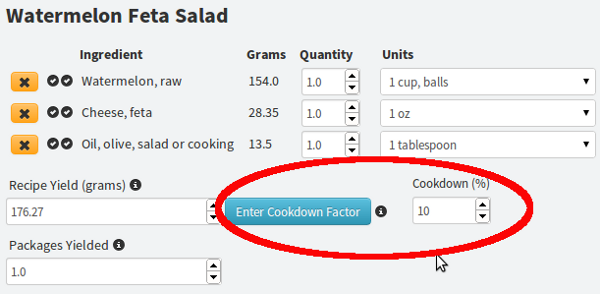
Recipe yield is calculated by measuring the final product amount after cooking. It can be in servings, weight, or volume. Accurate measurement helps adjust ingredient quantities and scale recipes efficiently for different serving sizes.
Why Is Recipe Yield Important In Cooking?
Recipe yield is crucial for portion control, cost management, and meal planning. It ensures consistent results and helps cooks prepare the right food quantity for events or daily meals. Proper yield prevents food wastage and improves kitchen efficiency.
Can Recipe Yield Vary With Ingredient Changes?
Yes, altering ingredients or cooking methods can affect recipe yield. Moisture loss, ingredient density, or substitutions impact final quantity. Always recalculate yield when making changes to maintain accurate serving sizes and ingredient amounts.
Conclusion
Understanding the yield of a recipe helps plan meals better. It shows how many servings you will get. This saves time and reduces food waste. Always check the yield before you start cooking. Adjust ingredients if you need more or fewer servings.
Knowing the yield makes cooking less stressful. It helps you share food with family or friends. Simple steps lead to better cooking results. Keep practicing, and you will get it right every time.
