


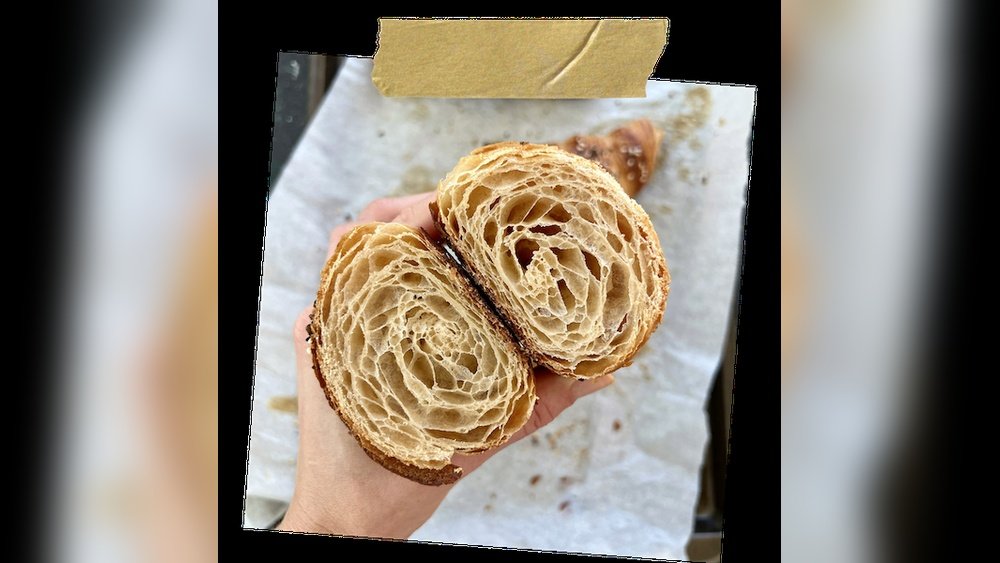
Are you ready to enjoy a delicious, flaky croissant that’s also good for you? This wholemeal croissant recipe brings together the rich, buttery taste you love with the wholesome goodness of whole grains.
Imagine biting into a warm, golden pastry that’s soft inside and perfectly crisp outside—made right in your kitchen. Whether you want a healthier breakfast or a tasty snack, this recipe will show you how to make croissants that satisfy your cravings without the guilt.
Keep reading, and you’ll discover simple steps to create bakery-quality wholemeal croissants that everyone will adore.

Credit: www.frenchtarte.com
Ingredients For Wholemeal Croissants
Making wholemeal croissants starts with choosing the right ingredients. Each item plays a key role in the final taste and texture. Using wholemeal flour adds a rich, nutty flavor and more fiber.
Fresh ingredients help create soft, flaky layers. This section breaks down what you need to prepare delicious wholemeal croissants at home.
Wholemeal Flour
Wholemeal flour is the base of this recipe. It contains the whole grain, giving croissants a deeper flavor. It also adds fiber and nutrients missing in white flour.
Butter
Butter creates the flaky, layered texture croissants are known for. Use cold, unsalted butter for the best results. It helps separate the dough layers while baking.
Milk
Milk adds moisture and richness to the dough. Warm milk helps activate the yeast. It also improves the croissants’ softness and color.
Yeast
Yeast makes the dough rise and become airy. Use active dry yeast or instant yeast. Make sure it is fresh for a good rise.
Sugar
Sugar feeds the yeast and adds a slight sweetness. It balances the flavors and helps the crust brown nicely.
Salt
Salt enhances the flavor of the croissants. It also controls yeast activity to prevent over-rising. A small amount is enough.
Egg
Eggs improve dough elasticity and richness. They also give the croissants a shiny, golden crust when brushed on top.
Choosing The Right Flour
Choosing the right flour is key for making wholemeal croissants soft and tasty. The flour affects the texture, rise, and flavor of the dough. Using the best type helps create flaky layers and a rich, nutty taste.
Wholemeal flour has more fiber and nutrients than white flour. It gives croissants a deeper color and a stronger flavor. But it also changes how the dough handles and rises. Picking the right flour balance matters.
Understanding Wholemeal Flour Types
Wholemeal flour comes from the whole grain. It has bran, germ, and endosperm. This makes it denser and heavier than white flour. Some wholemeal flours are finely ground. Others are coarser. Fine wholemeal flour works best for croissants.
Protein Content And Gluten Strength
Flour with higher protein makes stronger gluten. Gluten helps the dough stretch and trap air. This creates the croissant’s flaky layers. Wholemeal flour usually has less gluten than white flour. Mixing wholemeal with strong white flour improves dough elasticity.
Blending Flours For Best Results
Mixing wholemeal and white flour balances taste and texture. A common ratio is 50% wholemeal and 50% white flour. This keeps the dough light but still healthy. Adjust the mix based on your taste and dough feel.
Preparing The Dough
Preparing the dough is the first and most important step in making wholemeal croissants. The dough needs to be soft but strong to hold the layers of butter. Taking time to mix, knead, and rest the dough helps create a light and flaky texture. This part requires patience and care.
Mixing Ingredients
Start by combining wholemeal flour with yeast, salt, sugar, and warm water. Use a spoon or your hands to mix until the ingredients form a rough dough. Add cold butter in small pieces. Mix gently to keep the butter cold. Cold butter helps create the croissant’s layers.
Kneading Techniques
Turn the dough onto a floured surface. Press it with the heels of your hands, then fold it back. Repeat this process for about 10 minutes. Kneading makes the dough smooth and elastic. Avoid adding too much flour. Too much flour makes the dough dry and hard.
Resting Time
Wrap the dough in plastic wrap. Let it rest in the fridge for at least 1 hour. Resting cools the dough and helps gluten relax. This makes the dough easier to roll out later. Do not skip this step. Resting improves the croissant’s texture and flavor.
Laminating With Butter
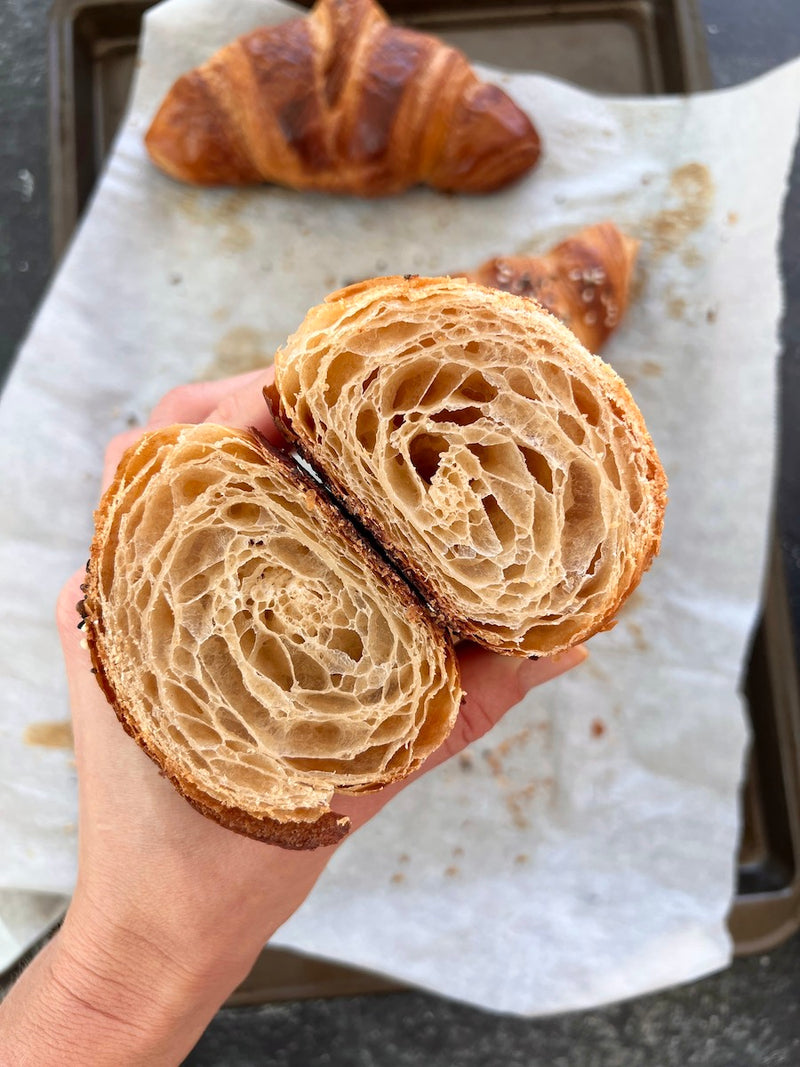
Laminating with butter is the key step in making wholemeal croissants. This process creates the flaky, layered texture that croissants are famous for. Butter is folded into the dough multiple times to form thin layers. These layers puff up during baking, giving croissants their light and airy feel.
Using wholemeal flour makes the dough denser. Proper laminating helps balance this and keeps the croissant soft inside. Butter must be cold but pliable. It should spread evenly without breaking through the dough.
Folding Methods
Folding is how you create many layers in the dough. Start by rolling the dough flat. Place the butter block in the center. Fold the dough edges over the butter, like an envelope.
Roll the dough flat again, then fold it into thirds. This is called a “letter fold.” Repeat this process three or four times. Each fold doubles the layers of butter and dough.
Be gentle to avoid tearing the dough. Keep the butter evenly spread. This ensures even baking and a better texture.
Chilling Periods
Chilling is important between folds. It helps the butter stay cold and firm. Warm butter melts into the dough, ruining the layers.
Place the dough in the fridge for 20 to 30 minutes after each fold. This relaxes the gluten and keeps the dough easy to roll.
Chilling also stops the butter from sticking to the rolling pin. This keeps the dough smooth and workable. Proper chilling leads to crisp and flaky croissants.
Shaping Croissants
Shaping croissants is a key step to get the classic crescent shape. It also affects the texture and rise during baking. Patience and gentle hands help create perfect wholemeal croissants. Each fold and roll builds layers that make them flaky and soft.
Cutting The Dough
Start by rolling the dough into a large triangle. Use a sharp knife or pizza cutter for clean edges. Cut the dough into smaller triangles, about 4 to 5 inches wide at the base. Even sizes ensure they bake evenly. Make sure the cuts are straight and neat. Avoid tearing the dough, as it may lose air and layers.
Rolling Techniques
Take one triangle and gently stretch the base. Begin rolling from the wide end toward the point. Roll tightly but without squeezing the dough. A firm roll keeps the layers intact. Bend the ends slightly to form the crescent shape. Place croissants on a baking sheet with the tip underneath to hold shape. This technique helps croissants puff up beautifully.
Credit: www.janiesmill.com
Baking Tips For Flakiness
Baking wholemeal croissants with perfect flakiness requires careful attention. The right oven temperature and baking time make a big difference. These tips help create layers that are light and crispy. Follow them to enjoy a delicious, flaky croissant every time.
Oven Temperature
Set the oven to 375°F (190°C) for best results. This temperature helps the butter melt slowly. It creates steam inside the dough, forming flaky layers. Avoid a hotter oven; it burns the outside before the inside cooks. A cooler oven leads to dense croissants. Maintain a steady temperature for even baking.
Baking Duration
Bake the croissants for 15 to 20 minutes. Check for a golden brown color on top. Too short baking keeps the dough soft inside. Too long dries out the croissants and loses flakiness. Rotate the tray halfway to ensure even baking. Let them cool slightly before eating to keep layers crisp.
Health Benefits Of Wholemeal Croissants
Wholemeal croissants offer more than just great taste. They bring several health benefits that make them a smart choice for your diet. Using wholemeal flour adds nutrients and fiber missing in regular croissants. This makes them a better option for a balanced meal or snack.
Choosing wholemeal croissants can help improve digestion and keep you feeling full longer. They provide essential vitamins and minerals that support overall health. Let’s explore the key health benefits of wholemeal croissants.
Rich In Dietary Fiber
Wholemeal croissants contain more fiber than white flour versions. Fiber helps improve digestion and prevents constipation. It also helps control blood sugar levels and supports heart health.
Higher Nutrient Content
Wholemeal flour keeps the bran and germ parts of the grain. These parts have vitamins like B-complex and minerals such as iron and magnesium. These nutrients support energy and metabolism.
Better For Blood Sugar Control
Wholemeal croissants release energy slowly. This helps prevent spikes in blood sugar. It supports steady energy levels and reduces hunger cravings.
Supports Heart Health
Eating whole grains may reduce heart disease risk. Wholemeal croissants contain antioxidants and fiber that lower cholesterol. They help keep your heart healthy.
Serving Suggestions
Wholemeal croissants have a rich, nutty flavor and a soft texture. They taste great on their own. Serving them with simple sides can make your meal special.
Try different toppings or pairings to enjoy variety. Here are some easy ideas to serve your wholemeal croissants.
Sweet Toppings For Wholemeal Croissants
Spread honey or fruit jam for a sweet touch. Nut butter adds protein and a creamy texture. Fresh berries or sliced bananas bring freshness and color.
Savory Fillings And Add-ons
Fill croissants with cheese and ham for a tasty snack. Avocado slices and tomato make a healthy, fresh combo. Eggs and spinach turn croissants into a filling breakfast.
Perfect Drinks To Pair
Coffee or tea complements the croissant’s flavors well. Fresh fruit juice adds a refreshing, natural sweetness. A glass of milk suits kids and adults alike.
Storing And Reheating
Storing and reheating wholemeal croissants keeps them fresh and tasty. Proper storage stops them from drying out or going stale. Reheating brings back the croissants’ soft, flaky texture and warm flavor.
Follow simple steps to store and reheat your wholemeal croissants right. This way, you enjoy them as if freshly baked.
Storing Wholemeal Croissants
Let croissants cool completely before storing. Wrap them in plastic wrap or place in an airtight container. Keep them at room temperature for up to two days. For longer storage, freeze croissants in a freezer bag. Use within one month for best taste.
Reheating Wholemeal Croissants
Preheat oven to 350°F (175°C). Place croissants on a baking sheet. Heat for 5-7 minutes until warm and flaky. Avoid microwaving; it makes croissants soggy and chewy. For frozen croissants, thaw at room temperature first. Then reheat in the oven using the same method.

Credit: www.davidlebovitz.com
Frequently Asked Questions
What Ingredients Are Needed For Wholemeal Croissants?
Wholemeal croissants require whole wheat flour, butter, yeast, sugar, salt, milk, and water. These ingredients create a healthier, nutty-flavored pastry with the classic flaky texture.
How Long Does It Take To Make Wholemeal Croissants?
Making wholemeal croissants typically takes 3 to 4 hours. This includes dough preparation, resting, laminating with butter, shaping, proofing, and baking.
Can Wholemeal Croissants Be Made Vegan?
Yes, wholemeal croissants can be made vegan by substituting butter with plant-based margarine and using non-dairy milk. This keeps the croissants flaky and delicious.
Are Wholemeal Croissants Healthier Than Regular Ones?
Wholemeal croissants contain more fiber and nutrients due to whole wheat flour. They offer a healthier alternative with slightly denser texture and rich flavor.
Conclusion
Wholemeal croissants bring a healthy twist to a classic treat. Making them at home is fun and rewarding. You control the ingredients and enjoy fresh, warm pastries. These croissants taste great with butter or jam. Baking them often helps improve your kitchen skills.
Try this recipe to enjoy a wholesome, tasty snack anytime. Simple steps lead to delicious results every time. Enjoy baking and sharing your wholemeal croissants with family or friends.
