


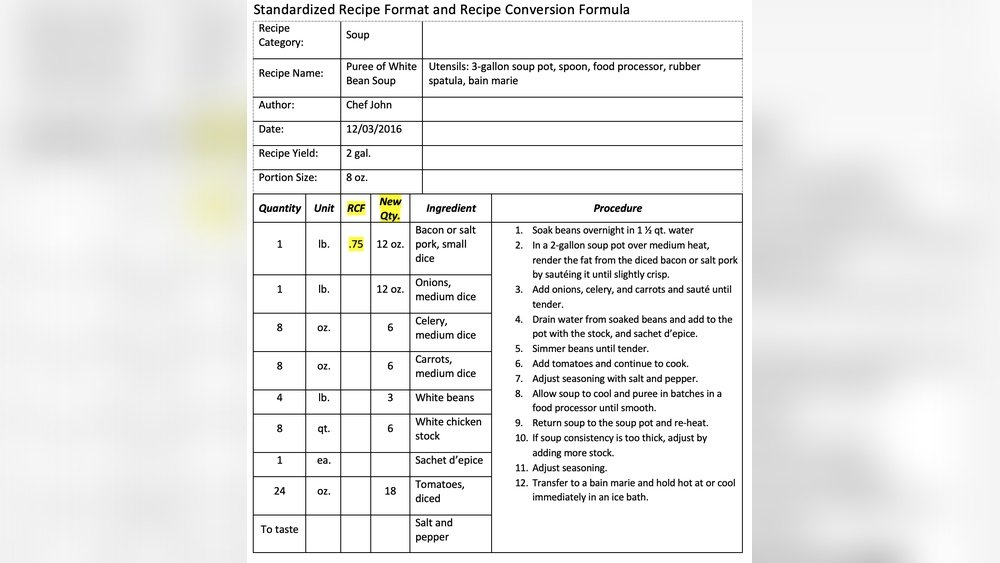
Have you ever followed a recipe perfectly, only to end up with more or less food than you expected? Understanding the concept of “yield in a recipe” can change the way you cook and plan your meals.
Knowing your recipe’s yield helps you serve the right portions, avoid waste, and even save money. You’ll discover exactly what yield means, why it matters, and how you can easily calculate it every time you cook. Ready to take control of your kitchen and make your cooking more predictable?
Let’s dive in.
Credit: www.recipal.com
What Yield Means In Recipes
Understanding the term “yield” in recipes helps in planning meals better. Yield tells you how much food the recipe will make. This is important for cooking the right amount for your needs. Knowing the yield helps prevent waste and ensures everyone gets enough to eat.
Many people confuse yield with serving size. They are related but different. Learning the difference makes cooking and meal prep easier.
Yield As Portion Indicator
Yield shows the total quantity of food a recipe produces. It can be in cups, pieces, or weight. For example, a recipe might yield 12 muffins. This means you will get 12 muffins after baking.
Yield helps you decide how much to cook. If you need more, you can double the recipe. If you need less, you can cut it in half. This avoids making too much or too little food.
Yield Vs Serving Size
Yield is the total amount of food made. Serving size is the amount one person eats. For instance, a cake may yield 8 slices. The serving size is one slice per person.
Serving size helps with nutrition and portion control. Yield helps with meal planning and shopping. Both are important but serve different purposes in recipes.
Why Accurate Yield Matters
Knowing the exact yield of a recipe is important for many reasons. It helps you plan meals better and manage ingredients wisely. Accurate yield shows how much food the recipe will make. This prevents surprises in the kitchen.
Clear yield information helps cooks avoid making too much or too little food. It also guides portion sizes for serving. This ensures the recipe works well every time.
Avoiding Waste And Overcooking
Accurate yield stops you from cooking extra food that goes to waste. It helps buy the right amount of ingredients. This saves money and reduces leftovers thrown away.
Cooking the right portion means food stays fresh and tasty. Overcooking happens less when the amount is correct. This keeps meals enjoyable and nutritious.
Consistency Across Batches
Knowing the yield keeps your recipe consistent every time you cook. It ensures the same amount of food for each batch. This is important for meal planning and serving guests.
Consistency builds trust in your cooking. People will expect the same taste and portion size every time. This makes your recipes reliable and easy to follow.
How To Calculate Recipe Yield
Calculating the yield of a recipe helps you know how many servings it makes. This is important for planning meals and shopping for ingredients. Yield tells you the total amount of food or number of portions your recipe produces. Understanding how to calculate it ensures you cook just the right amount.
Measuring Ingredients Precisely
Start by measuring all ingredients carefully. Use standard measuring cups and spoons for accuracy. Weigh dry and liquid ingredients with a kitchen scale if possible. Precise measurement helps predict the final quantity of the dish. Small errors can change the yield significantly.
Adjusting For Cooking Losses
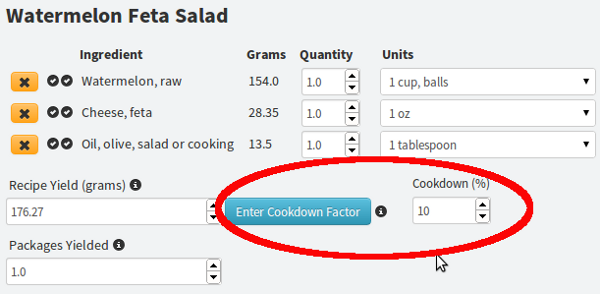
Some ingredients lose weight during cooking. Water evaporates, fat renders, and foods shrink. Estimate the percentage of loss for each ingredient. Subtract this from the raw weight to find the cooked weight. This step gives a more accurate idea of the final yield.
Scaling Recipes Without Losing Yield
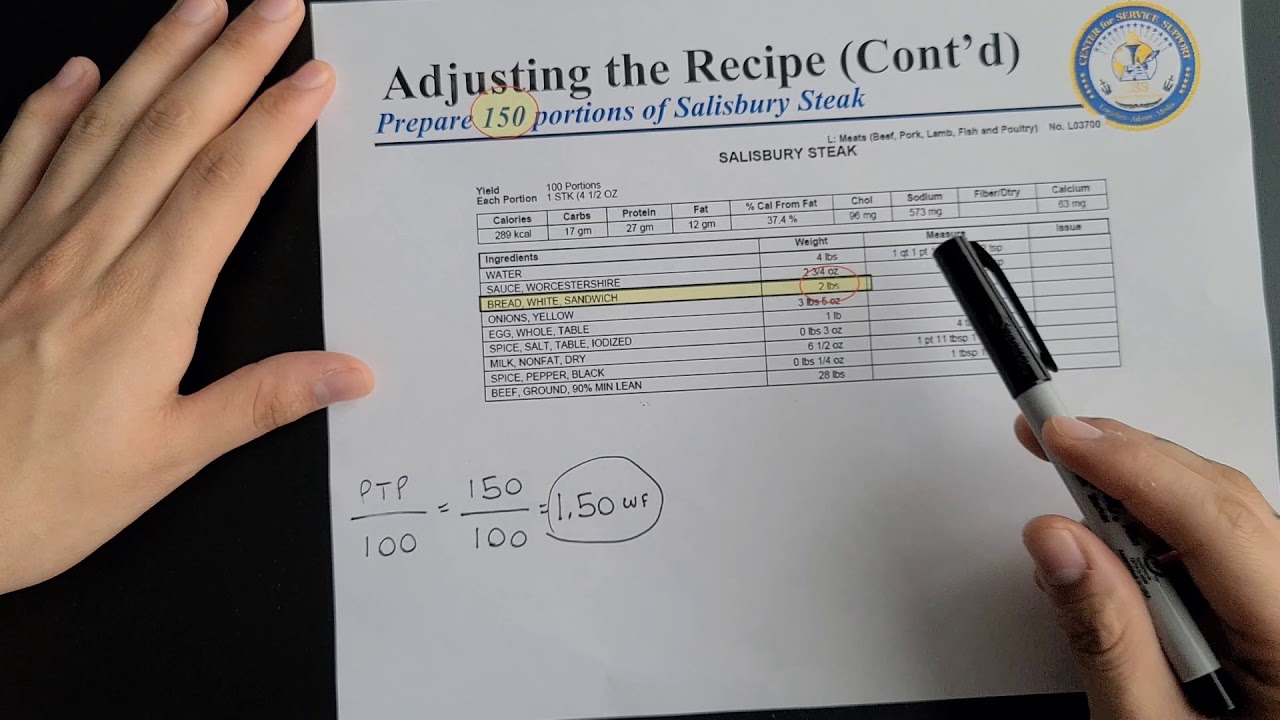
Scaling recipes means changing the amount of ingredients to make more or less food. It helps when cooking for many or just a few people. The goal is to keep the final dish just as good as the original. The yield, or the amount of food made, should stay accurate. Careful adjustments keep the taste and texture just right.
Doubling And Halving Tips
Doubling a recipe usually works well for most dishes. Measure ingredients carefully to avoid mistakes. Some ingredients, like spices, should be increased less than double to keep flavor balanced. Halving is trickier. Use smaller pans and adjust cooking time. Check food often to prevent overcooking or undercooking.
Maintaining Flavor And Texture
Flavor can change if ingredients are not balanced. Taste the dish while cooking and adjust spices gently. Texture depends on cooking time and temperature. Larger batches may need longer cooking or stirring. Avoid overcrowding pans to keep textures crisp or tender. Small changes keep the dish tasty and consistent.
Tools To Track And Improve Yield
Tracking and improving yield helps cooks reduce waste and save money. It ensures recipes produce the right amount of food every time. Simple tools make this task easier and more precise. These tools help measure ingredients and record results clearly.
Using Kitchen Scales
Kitchen scales give exact measurements for ingredients. They prevent guesswork and keep portions consistent. Using scales helps adjust recipes to fit different serving sizes. Scales also catch mistakes early, avoiding extra waste. Digital scales with tare functions speed up the process. Weigh ingredients before and after cooking to see true yield.
Yield Tracking Templates
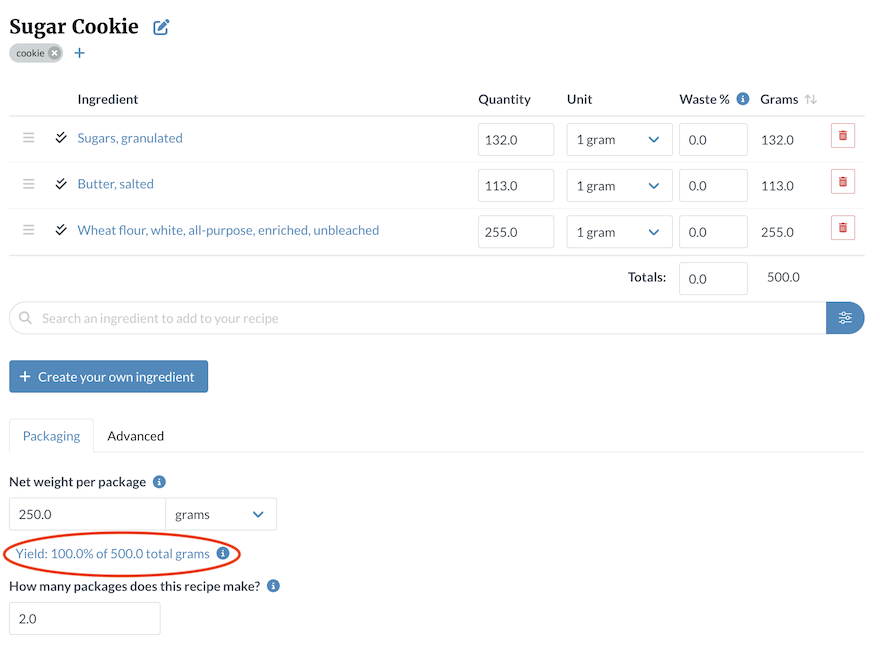
Yield tracking templates organize data in one place. They record ingredient amounts, cooking losses, and final yield. Templates make it easy to compare results across batches. Many templates use simple tables to track changes over time. This method helps improve recipe accuracy and efficiency. Keeping clear records saves time and improves kitchen management.
Common Challenges With Recipe Yield
Understanding recipe yield can be tricky for many home cooks. Yield tells you how much food a recipe makes. It helps plan meals and avoid waste. Several challenges can affect the accuracy of recipe yield. These challenges often cause confusion and frustration.
Ingredient Variability
Ingredients vary in size, weight, and moisture. For example, eggs can be small or large. Vegetables may have more or less water. This difference changes the final amount of food. Using fresh or frozen ingredients also affects yield. Small changes in ingredients can cause big yield differences.
Cooking Method Impact
Different cooking methods change the food’s weight and volume. Boiling or steaming keeps moisture, but frying reduces it. Baking may cause evaporation and shrinkage. Cooking time and temperature also affect the final yield. The same recipe can give different yields with different methods.
Yield Tips From Professional Chefs
Professional chefs share useful tips to get the best yield from recipes. They focus on saving time and ingredients while keeping the food tasty. These tips help cooks make the most of every recipe without waste.
Batch Cooking Strategies
Chefs often cook large batches to save time. They prepare several servings at once and store extras safely. This method reduces cooking time on busy days. It also helps control portions better.
Batch cooking allows easy meal planning. Chefs use airtight containers to keep food fresh. Labeling containers with dates prevents spoilage. This way, food stays good longer and is ready to eat quickly.
Portion Control Techniques
Chefs measure ingredients carefully to control portions. Using standard scoop sizes helps keep servings consistent. This avoids making too much or too little food.
They also use smaller plates to serve meals. This simple trick helps manage how much food is eaten. Portion control reduces food waste and keeps meals balanced.
Credit: www.recipal.com
Credit: www.youtube.com
Frequently Asked Questions
What Does Yield Mean In A Recipe?
Yield refers to the total amount or number of servings a recipe produces. It helps you plan portions and ingredients accurately.
How To Calculate Recipe Yield Accurately?
Measure the final product’s weight or volume after cooking. Divide by serving size to find total servings or yield.
Why Is Recipe Yield Important For Cooking?
Yield ensures you prepare enough food for guests or meal prep. It reduces waste and helps manage ingredient costs.
Can Recipe Yield Change After Cooking?
Yes, yield can change due to moisture loss or ingredient expansion during cooking. Always weigh or measure final product.
Conclusion
Understanding yield in a recipe helps you plan meals better. It shows how much food you will get from cooking. Knowing yield saves money and reduces waste. It also helps when sharing food with friends or family. Always check the yield before starting any recipe.
This way, you cook just the right amount. Yield makes cooking easier and more enjoyable. Keep practicing to improve your kitchen skills. Recipes become clearer and more useful with this knowledge.
