


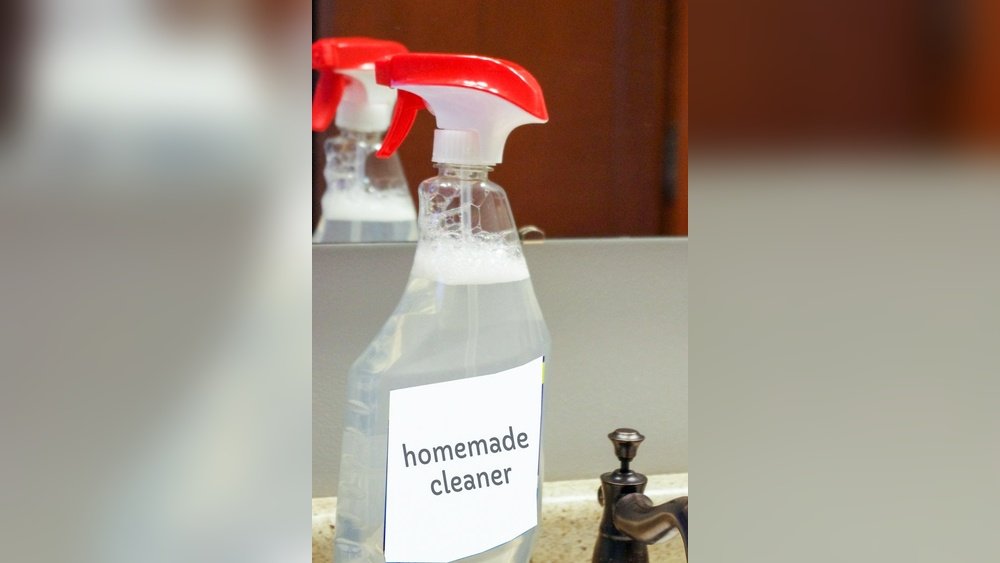
Are you tired of streaky windows that never look truly clean? Imagine having a simple, effective recipe that makes your windows sparkle like new—without spending a fortune on commercial cleaners.
Your search ends here with a powerful window washing recipe using ammonia. This easy solution cuts through grime and leaves your glass crystal clear. Keep reading, and you’ll discover how to mix it safely and use it for the best results.
Your windows will thank you!
Benefits Of Using Ammonia
Ammonia is a popular choice for window washing. It cleans glass thoroughly and quickly. Many people prefer it because it makes windows shine without streaks.
This ingredient works well on dirt, grease, and fingerprints. It also helps remove tough stains that water alone cannot clean. Using ammonia saves time and effort in cleaning windows.
Effective Streak-free Cleaning
Ammonia breaks down grime and dirt easily. It leaves windows clear and bright. The solution dries without marks or streaks. This makes your windows look spotless and fresh.
Cost-effective Solution
Ammonia is inexpensive and widely available. A little goes a long way in cleaning windows. It reduces the need for expensive commercial cleaners. This helps save money on cleaning supplies.
Quick Evaporation For Faster Results
Ammonia evaporates fast after application. This speeds up the drying process of windows. You can finish cleaning and move on quickly. It reduces waiting time for streak-free glass.
Essential Ingredients
Creating a window washing solution with ammonia needs a few key ingredients. Each part plays a role in cleaning power and safety. Knowing these essentials helps you make the best mix for sparkling windows.
Ammonia Concentration
Use household ammonia with about 5% concentration. Stronger ammonia can damage surfaces or cause fumes. A mild mix cleans well without risk. Always measure ammonia carefully for safe use.
Water Type And Quality
Choose clean, lukewarm water for the best results. Tap water works if it is not too hard. Hard water leaves spots on glass. Filtered or distilled water helps avoid streaks. Warm water dissolves dirt faster than cold water.
Optional Additives
Add a few drops of liquid dish soap for extra grease cutting. Avoid too much soap to prevent streaks. White vinegar can boost shine and remove mineral spots. A small amount of rubbing alcohol speeds drying and stops smudges.
Step-by-step Mixing Guide
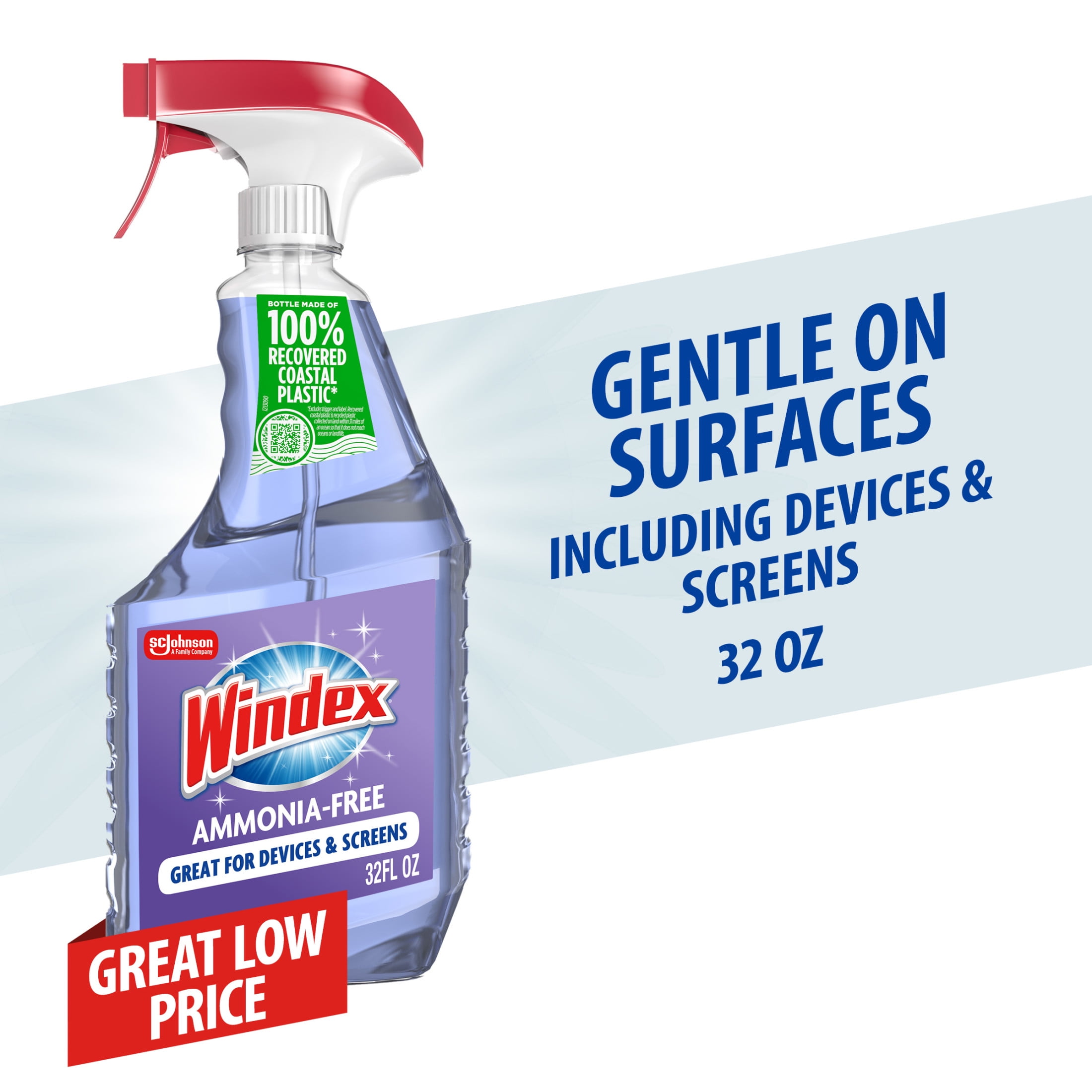
Making your own window washing solution with ammonia is simple and cost-effective. Follow this step-by-step mixing guide to create a powerful cleaner. The process involves careful measuring, proper mixing, and safe storage. This ensures the solution works well and lasts longer.
Measuring Ingredients Safely
Start with clean measuring tools. Use a measuring cup or spoon for accuracy. Measure one part ammonia carefully. Then, measure two parts water. Avoid using too much ammonia. Too much can damage surfaces or cause strong fumes.
Mixing Instructions
Pour water into a clean bucket first. Slowly add the ammonia to the water. Stir gently with a plastic or wooden stick. Do not use metal, as it may react. Mix until the solution looks even. Never mix ammonia with bleach or other cleaners.
Storage Tips
Store the solution in a sealed plastic container. Label the container clearly as “Window Washing Solution.” Keep it out of reach of children and pets. Store in a cool, dry place away from sunlight. Use the solution within two weeks for best results.
Credit: www.walmart.com
Tools For Window Washing
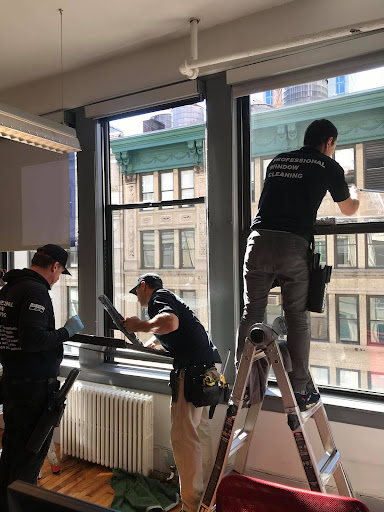
Having the right tools makes window washing easier and faster. The right equipment helps clean windows without leaving streaks or spots. It also protects your hands and clothes. Below are the best tools for washing windows using an ammonia cleaning recipe.
Recommended Cleaning Cloths
Use soft, lint-free cloths for cleaning windows. Microfiber cloths work very well. They absorb water and dirt easily. Avoid rough fabrics that may scratch glass. Cotton cloths or old T-shirts can also be good choices.
Keep extra cloths handy for drying and polishing. Clean cloths prevent streaks and smudges on the glass.
Squeegees And Brushes
A squeegee removes water and cleaning solution fast. Choose one with a smooth rubber blade. It helps remove liquid without leaving streaks behind.
Use brushes to clean window corners and frames. Soft-bristled brushes remove dirt gently. They reach spots cloths cannot clean well.
Protective Gear
Wear gloves to protect your skin from ammonia. Ammonia can cause irritation or dryness on your hands.
Use goggles or safety glasses to protect your eyes. Splashing cleaning solution may harm your eyes. Wear old clothes or an apron to avoid stains.
Application Techniques
Applying a window washing recipe with ammonia needs careful steps for best results. Proper techniques make windows shine and stay clean longer. Follow clear steps to avoid streaks and spots. These tips help you clean windows safely and easily.
Preparing The Window Surface
Start by removing loose dust and dirt. Use a dry cloth or brush for this. Clear away spider webs or cobwebs from corners. Check the window frame for grime or mold. Clean the frame with a mild soap if needed. This step stops dirt from mixing with the ammonia solution.
Applying The Solution
Mix ammonia with water in a spray bottle. Spray the solution evenly on the glass surface. Avoid soaking the window to prevent drips. Work from top to bottom for best coverage. Let the solution sit for a minute to loosen dirt. Do not let it dry completely on the glass.
Removing Dirt And Grime
Use a soft sponge or cloth to wipe the window. Move in circular motions to lift grime gently. For tough spots, apply a little extra solution and rub carefully. Use a squeegee to remove liquid in straight strokes. Wipe the squeegee blade after each pass. Finish by drying edges with a clean cloth to avoid streaks.
Safety Precautions
Using ammonia for window washing is effective but requires care. Safety is important to avoid health risks. Knowing how to handle ammonia properly keeps you and others safe. Follow these safety steps closely.
Handling Ammonia Safely
Always wear gloves before touching ammonia. Avoid direct skin contact to prevent burns. Use protective goggles to shield your eyes. Keep ammonia away from children and pets. Store it in a cool, dry place with a tight lid. Never mix ammonia with bleach or other cleaners. This can create harmful gases.
Ventilation Importance
Open windows and doors before cleaning. Good airflow reduces harmful fumes in the air. Use a fan to help move fresh air around. Avoid closed spaces when using ammonia. Breathing in fumes can cause coughing and dizziness. Working outside is best if possible.
First Aid Measures
If ammonia touches your skin, rinse with water immediately. For eye contact, flush eyes with water for 15 minutes. Move to fresh air if you feel dizzy or have trouble breathing. Call emergency services if symptoms persist. Keep the ammonia container label handy for medical help.
Troubleshooting Common Issues
Troubles with window washing happen to everyone. Simple recipes with ammonia can cause issues if not used correctly. Fixing these problems makes your windows shine clear and bright. Below are common troubles and easy tips to solve them.
Avoiding Streaks
Streaks appear when too much liquid stays on the glass. Use a clean, soft cloth or a squeegee to wipe windows. Wipe in one direction to stop streaks from forming. Avoid washing windows in direct sunlight to reduce streaks. Use less ammonia to prevent strong residue on glass.
Dealing With Tough Stains
Grease and dirt can be hard to remove with regular washing. Mix more ammonia in your solution for tougher stains. Let the solution sit on the stain for a few minutes. Scrub gently with a soft brush or sponge to lift dirt. Rinse the area well to remove all cleaning residue.
Adjusting Recipe For Hard Water
Hard water leaves spots and film on windows. Use distilled water instead of tap water for better cleaning. Add a small amount of vinegar to break mineral deposits. Avoid using too much ammonia, which can react with hard water. Test your recipe on a small area to check results first.
Credit: bigapplewindowcleaning.com
Eco-friendly Alternatives
Ammonia is a strong cleaner but not always the best for the environment. Many people want safe ways to clean windows without hurting nature. Eco-friendly alternatives can help keep your glass shiny and protect the planet. These options use natural ingredients and reduce harsh chemicals. They also make cleaning safer for you and your family.
Natural Cleaning Agents
Vinegar is a popular natural cleaner. It cuts grease and leaves windows clear. Mix one part vinegar with two parts water for a simple solution. Lemon juice also works well. It adds a fresh scent and cleans dirt. Baking soda can scrub tough spots without scratching glass. These ingredients are easy to find and safe to use.
Reducing Chemical Use
Use less ammonia by mixing it with water. This lowers the chemical strength but keeps cleaning power. Try using microfiber cloths instead of paper towels. They clean better and reduce waste. Test small amounts of natural cleaners first. This helps avoid overuse of chemicals. Less chemical use means safer air and water around your home.
Disposal Tips
Never pour leftover ammonia down the drain. It can harm water and fish. Use up small amounts by cleaning other surfaces. Store extra cleaner in a labeled bottle for future use. Dispose of large amounts at a hazardous waste site. Follow local rules to protect your community and the earth.
Credit: www.cleverlysimple.com
Frequently Asked Questions
What Is The Best Ammonia Recipe For Window Washing?
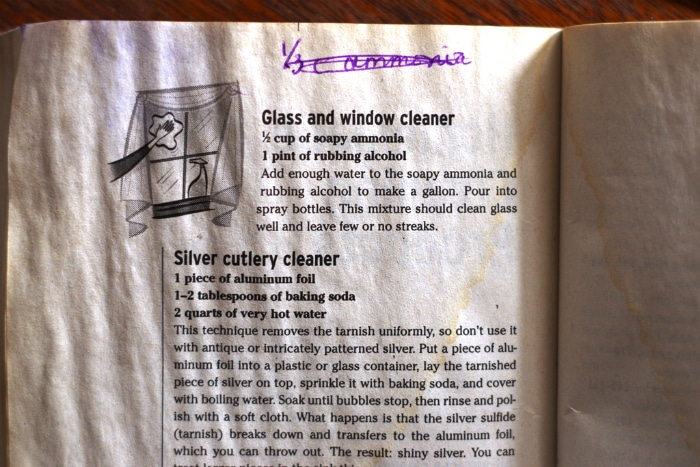
A simple recipe uses 1/4 cup ammonia, 2 cups warm water, and 1/4 cup white vinegar. This mix cleans windows effectively and removes grime without streaks.
Can Ammonia Damage Window Glass Or Frames?
When diluted properly, ammonia is safe for glass and most frames. Avoid using it on wood or painted surfaces to prevent damage or discoloration.
How Often Should I Wash Windows With Ammonia?
Washing windows with ammonia once every 1-2 months keeps them clear and bright. Frequent cleaning prevents buildup and maintains a streak-free shine.
Is Ammonia Safe For Indoor Window Cleaning?
Yes, ammonia is safe indoors if used in a well-ventilated area. Avoid mixing it with bleach to prevent harmful fumes and wear gloves for skin protection.
Conclusion
Using ammonia in your window washing recipe cleans glass quickly and clearly. It removes dirt, grease, and streaks with ease. Always mix ammonia with water safely to avoid strong smells or damage. This simple solution saves money and time. Clean windows let more light into your home.
Try this easy recipe for sparkling windows today. Your view will look fresh and bright every day.
