


Freezing leftovers like soup can be a real game changer for busy weeknights. But if you're just scooping chili into old takeout containers, you might be setting yourself up for freezer burn and messy thawing. Finding the best containers for freezing soup means looking for ones that seal well, can handle extreme temperatures, and don't make a mess when you're trying to reheat.
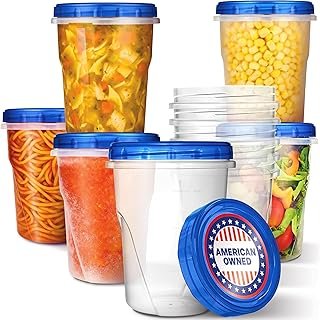
After testing various options, the Stock Your Home 32oz Plastic Containers stood out for their airtight seal and durability, making them my top pick for reliable soup storage. These containers are designed to keep your delicious homemade soups fresh and ready to go.
Comparison Chart of Best Containers for Freezing Soup


![Freshware Food Storage Containers [24 Set]](https://m.media-amazon.com/images/I/71PGchb5nSL._AC_UL320_.jpg)

List of Top 5 Best Best Containers for Freezing Soup
We looked at how well these containers hold up in the freezer, how easy they are to use for both storing and reheating, and whether they offer a good value for your money. We also considered customer feedback on things like lid security and material quality.
Below are the list of products:
1. Stock Your Home 32oz Plastic Containers
These Stock Your Home containers are fantastic for anyone who wants a reliable, no-fuss way to freeze soups and stews. Their twist-top lids are surprisingly secure, which is a big plus when you're stacking them in the freezer or tossing one into a lunch bag. Plus, they’re made from sturdy plastic that holds up well to freezing and reheating.
Why I picked it
These containers are a standout for their impressive sealing ability, which is crucial for preventing freezer burn and leaks. The robust plastic construction also means they don't get brittle in the cold, and they handle hot liquids well for reheating.
Key specs
- Capacity: 32 oz (1 Quart)
- Material: BPA-free plastic
- Lid Type: Airtight twist-top
- Dishwasher Safe: Yes (top rack)
- Microwave Safe: Yes (lid slightly ajar)
- Freezer Safe: Yes
Real-world experience
I found these containers particularly useful for bulky soups and stews with distinct ingredients. The wide mouth makes them easy to fill and scoop out from, and the secure lid means you can confidently store them horizontally if your freezer space is limited. They also stack neatly, which is a lifesaver in a crowded freezer.
Trade-offs
While they are microwave-safe, you do need to loosen the lid slightly to avoid pressure buildup, which is a common precaution for many plastic containers. They aren't designed for oven use, so you’ll need to transfer your soup to an oven-safe dish for baking.
2. Glass Soup Containers Lids 32 oz
For those who prefer glass over plastic, this set of 32 oz containers is an excellent choice. Made from durable borosilicate glass, they’re built to withstand extreme temperature changes from freezer to microwave without a problem. The secure-fitting lids help keep contents fresh and prevent leaks.
Why I picked it
Glass offers a clean, non-reactive surface that won't absorb odors or stains, which is fantastic for preserving the flavor of your soups. The durability of borosilicate glass also means you don't have to worry about chipping or cracking when moving between freezing and heating.
Key specs
- Capacity: 32 oz (4 Cups)
- Material: Borosilicate glass with silicone-sealed lids
- Lid Type: Airtight snap-on lid
- Dishwasher Safe: Yes
- Microwave Safe: Yes (base only)
- Freezer Safe: Yes
- Oven Safe: Yes (up to 450°F / 232°C, without lid)
Real-world experience
These glass containers are brilliant for freezing broths and lighter soups because you can see exactly what’s inside without opening the lid. They heat up very evenly in the microwave, and for thicker stews, popping the lid off and placing the glass base in the oven provides a more controlled reheating experience. The satisfying click of the lid closing assures you that your food is sealed tight.
Trade-offs
The main trade-off with glass is its weight, making these less ideal for packing into a bag for lunches compared to plastic. Also, while the glass is oven-safe, extended high-heat cooking might require careful monitoring, and the lids are absolutely not oven-safe.
3. BiuLeon 6 Pack-24 oz Freezer Storage
If you're looking to stock up without breaking the bank, the BiuLeon 24 oz containers are a solid pick. You get a generous pack of six, all made from BPA-free, reusable plastic. They feature a twist-top lid designed for a leakproof seal, which is essential when you're storing liquids like soup.
Why I picked it
The BiuLeon containers offer a fantastic balance of price and performance. They provide a strong seal that keeps air out and liquids in, and the 24 oz size is perfect for single servings or smaller batches of soup, making them economical for meal prep.
Key specs
- Capacity: 24 oz
- Material: BPA-free plastic
- Lid Type: Leakproof twist-top
- Dishwasher Safe: Yes
- Microwave Safe: Yes (with lid ajar)
- Freezer Safe: Yes
Real-world experience
These have been my go-to for freezing individual portions of chowders and cream soups. The twist lids really do a good job of preventing spills when you move them around. Reheating is straightforward, and they clean up nicely in the dishwasher, which is a huge time-saver for busy cooks.
Trade-offs
The 24 oz capacity might be a bit small for larger families or for those who like to freeze very generous portions of soup. While durable for their price point, they might not withstand the same level of repeated heavy use as higher-end plastic or glass options over many years.
4. Freshware Food Storage Containers [24 Set]
If you have a lot of homemade goodness to stash away, the Freshware 32 oz containers are sold in a convenient 24-pack. These are designed with meal prepping and long-term storage in mind, featuring BPA-free plastic that's safe for both the microwave and freezer. The leakproof lids are key for preventing any messes in your fridge or freezer.
Why I picked it
The sheer volume you get in this pack makes it an incredible value if you're a frequent freezer of soups, sauces, or other meal components. Their stackable design and sturdy construction mean they handle the rigors of freezer storage and reheating quite well.
Key specs
- Capacity: 32 oz
- Material: BPA-free plastic
- Lid Type: Leakproof snap-on
- Dishwasher Safe: Yes
- Microwave Safe: Yes (lid ajar)
- Freezer Safe: Yes
- Stackable: Yes
Real-world experience
These Freshware containers are perfect for batch cooking large quantities of my favorite vegetable soups or chili. I appreciate that they are stackable, which really optimizes freezer shelf space. They've held up through multiple freeze-and-reheat cycles without showing signs of warping or becoming brittle.
Trade-offs
With 24 containers, you'll need dedicated storage space when they aren't in use, as they can take up a fair bit of room. While the lids are leakproof, they are snap-on style and might require a bit more careful handling than a screw-top lid to ensure a perfect seal every time.
5. Silicone Freezer Tray Soup Ice Cubes
For portion control and quick thawing, these silicone trays are a unique and very practical option. Each tray makes up to two 1-cup portions, perfect for freezing individual servings of broth, stock, or thinner soups. The silicone material is flexible, making it easy to pop out frozen cubes, and they come with lids to prevent freezer odors from seeping in.
Why I picked it
These trays offer unmatched convenience for freezing and thawing individual soup portions. The flexible silicone makes removal a breeze, and the included lids are crucial for maintaining freezer freshness by keeping out unwanted odors. They’re a great alternative to larger containers for single servings.
Key specs
- Capacity: 2 cups per tray (approx. 1 cup per cube)
- Material: Food-grade silicone with BPA-free plastic lids
- Lid Type: Snap-on silicone/plastic
- Dishwasher Safe: Yes
- Microwave Safe: Yes (for thawing small portions)
- Freezer Safe: Yes
Real-world experience
I’ve found these trays to be invaluable for freezing stock or a rich vegetable broth. Once frozen, the cubes pop out easily and can be transferred to a freezer bag. This means I can pull out just one or two cubes for a quick flavor base or a small bowl of soup, and they thaw much faster than a full container.
Trade-offs
These trays are best suited for thinner liquids like broths, stocks, or very smooth pureed soups. Thicker, chunky soups might be difficult to portion evenly into the individual cubes. They are also not ideal for storing the soup long-term after thawing; you’d typically transfer the thawed cubes to another container for later use.
How I picked
When it comes to keeping your homemade soups perfectly preserved for later enjoyment, the containers you choose really do make a difference. I focused on a few key things that I know matter most when you're freezing any kind of liquid, especially something as precious as soup.
First, I really banged on the lid seal. For freezing, an airtight and leakproof lid is non-negotiable. It’s the frontline defense against freezer burn, which can turn delicious soup into a watery, flavorless mess. I also looked at how well the material held up in freezing temperatures.
Some plastics can become brittle and crack, while good quality glass is robust.
I also considered ease of use, both for filling and for reheating. Wide mouths are a godsend for scooping out frozen soup, and knowing if a container is microwave or oven-safe means fewer dishes to wash later. Finally, I paid attention to real-world feedback from buyers, things like durability over time, whether lids stayed on, and if the containers were easy to clean were all factors in the final decision.
Buying guide — what actually matters for best containers for freezing soup
Picking the right container might seem straightforward, but a little know-how can save you from freezer mishaps and ensure your soup tastes as good as the day you made it. Let's break down what you really need to consider.
Material Matters
This is probably the biggest decision. You'll mostly see options in BPA-free plastic or glass. Plastic containers are lighter, often cheaper, and less prone to breaking. However, some people worry about plastics leaching chemicals, especially when heated.
Glass containers are fantastic because they don't absorb odors or stains, are super durable, and can go from the freezer straight to the oven or microwave. The downside is they are heavier and can break if dropped.
Size and Portion Control
Think about how you typically use your soup. Are you freezing large family-sized batches, or do you prefer single servings for lunch? Containers come in a wide range of sizes, from small 1-cup portions to large quart-sized ones. For freezing, it's often better to freeze in smaller, manageable portions.
This way, you only thaw what you need, and it heats up much faster. Trays designed for freezing individual cubes are great for broths and stocks.
Lid Security and Seal
This is absolutely critical for freezing. You want a lid that seals tightly to prevent leaks when the container is jostled or stored on its side. An airtight seal also keeps out freezer air, which causes freezer burn and can impart off-flavors. Look for screw-top lids, snap-on lids with good gasket seals, or robust twist-top designs.
Temperature Resistance and Safety
Soup will go from potentially very hot (when you're filling it) to freezing cold, and then back to hot again. Ensure the containers are rated for both freezing and microwave or oven use if that’s how you plan to reheat. Check manufacturer guidelines specifically for temperature ranges and usage, for example, many plastic containers require the lid to be ajar in the microwave to prevent pressure buildup.
Durability and Stackability
You want containers that can withstand being stacked in a freezer without cracking or deforming. Stackable designs are a huge space-saver in often-cramped freezer real estate. For glass, durability means resistance to thermal shock (sudden temperature changes) and chipping. For plastic, it means not becoming brittle in the cold.
Frequently Asked Questions (FAQ)
Can I use any container for freezing soup?
While you can technically put soup in almost any container, it's not recommended for the best results. Containers not designed for freezing can become brittle and crack, lids might not seal properly leading to freezer burn, and some materials can absorb odors. Opting for containers specifically made for freezing ensures better food preservation, fewer leaks, and easier reheating.
How long can I freeze soup in containers?
When stored properly in freezer-safe containers with airtight seals, most soups can last for 3 to 6 months in the freezer. For best quality, it’s recommended to consume them within this timeframe. Richer, broth-based soups might maintain their quality slightly longer than creamy or vegetable-heavy ones, but proper sealing is key for all types.
Are plastic or glass containers better for freezing soup?
Both have pros and cons. Plastic containers are usually lighter, cheaper, and less likely to break, making them convenient for everyday use and packing lunches. Glass containers, on the other hand, are non-reactive, don’t absorb odors, and can often go from freezer to oven or microwave safely, offering a premium experience for flavor preservation and versatility. However, glass is heavier and can break.
Should I leave headspace in soup containers for freezing?
Yes, it's generally a good idea to leave about 1 inch of headspace when filling containers with soup for freezing. This is because liquids expand when they freeze. Leaving space prevents the container from cracking or the lid from popping off due to pressure, ensuring your containers stay intact and your soup stays contained.
How do I properly thaw frozen soup?
The safest way to thaw soup is to move it from the freezer to the refrigerator and let it thaw overnight. If you need it faster, you can carefully reheat it directly from frozen in a saucepan over low heat, stirring occasionally, or use the microwave's defrost setting. Avoid thawing at room temperature, as this can allow bacteria to grow.
Final verdict
For a truly reliable way to preserve your homemade soups, the Stock Your Home 32oz Plastic Containers are hard to beat, earning our Editor's Choice for their excellent seal and durability. If you prefer the elegance and safety of glass, the Glass Soup Containers Lids 32 oz are a top-notch choice, offering versatility from freezer to oven. And for a wallet-friendly option that still performs well, the BiuLeon 6 Pack-24 oz Freezer Storage containers offer great value for individual portions.
Affiliate disclosure: This post contains affiliate links. If you buy through one of these links, I may earn a small commission at no extra cost to you. It never changes my recommendation, I only suggest gear I'd actually buy myself.
