


Black‑eyed peas chicken recipe often looks amazing in food blogs, but the reality in a home kitchen can be frustrating. Too often the peas turn into a soggy mush while the chicken ends up dry and flavor‑less, leaving you with a dish that feels more like a mistake than a comfort classic.
Our research shows that a properly soaked cup of dry black‑eyed peas expands to roughly two cups cooked, and chicken should hit an internal temperature of 165 °F (74 °C) to be safe. Those two numbers guide every decision in the workflow, from soaking time to cooking vessel. Let’s walk through the choices that keep the peas plump, the chicken juicy, and the whole pot tasting like home‑cooked Southern hospitality.
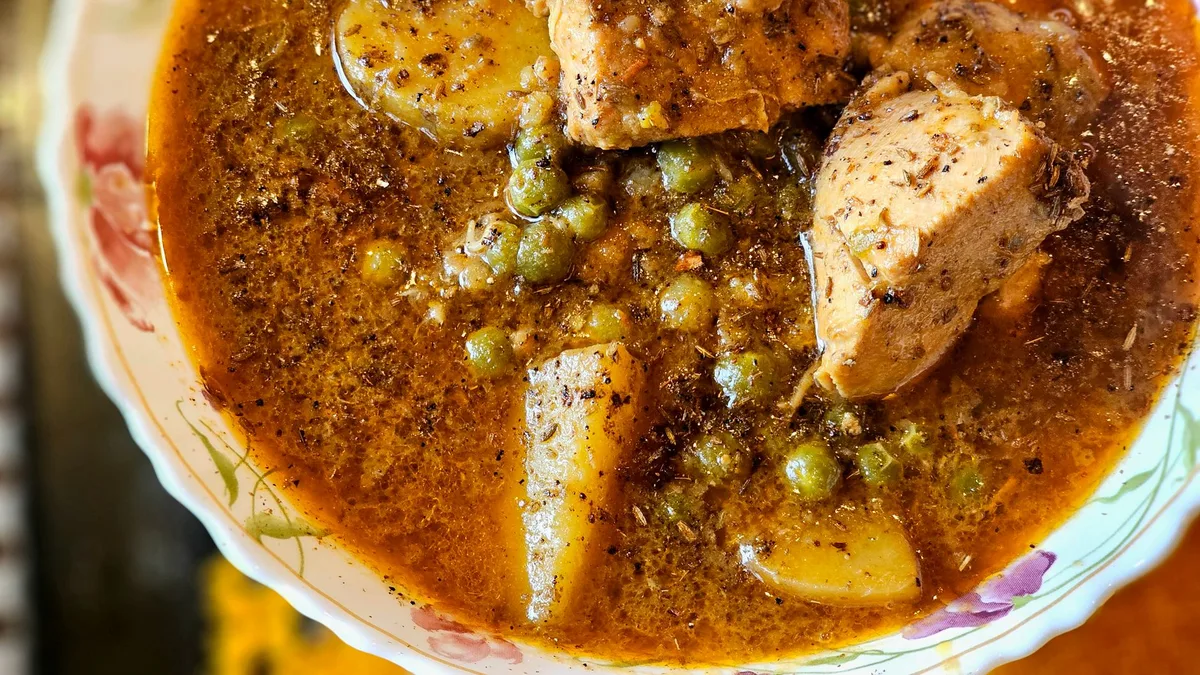
Problem / Pain Point: Black‑eyed peas getting mushy and chicken drying out
If you’ve ever pulled a pot of black‑eyed peas chicken stew from the stove only to see a watery, grainy mess, you know the disappointment. The root causes fall into three buckets: hydration timing, heat control, and protein pairing.
- Hydration timing, Dry peas need an overnight soak or a quick‑heat soak; skipping this step leaves the outer skins soft while the inner kernels stay hard, creating uneven texture.
- Heat control, A vigorous boil evaporates liquid too fast, forcing the peas to release starch and turn gummy. Simultaneously, high heat sears the chicken surface, pushing moisture out.
- Protein pairing, Boneless breast meat cooks quickly and can dry out before the peas are tender, whereas bone‑in thighs release collagen that enriches the broth and protects the meat.
Understanding these variables lets you navigate the decision tree: start with the state of your peas, choose the chicken cut that matches your cooking method, then pick a vessel that balances simmer‑time with moisture retention.
Quick Answer / Key Insight: Choose the right protein, soaking method, and cooking vessel for a balanced, one‑pot meal
The fastest path to a successful black‑eyed peas chicken recipe is three‑fold: soak the peas, use bone‑in thighs, and cook in a covered Dutch oven or pressure‑cooker. Soaking guarantees even expansion; thighs stay juicy and add flavor; a covered vessel traps steam, preventing evaporation that would otherwise dry out the chicken and mush the peas.
If you’re limited to boneless breast, raise the broth level by a cup and add a splash of olive oil midway through simmering to keep the meat moist. For stovetop cooks who can’t invest in a Dutch oven, a heavy‑bottomed cast‑iron skillet with a tight‑fitting lid works as a substitute, provided you monitor the liquid level every 10‑15 minutes.
Core Explanation / How It Works: How black‑eyed peas and chicken work together to create a complete‑protein, flavor‑rich dish
Black‑eyed peas (cowpeas) belong to the legume family, delivering plant‑based protein, dietary fiber, and iron. Chicken adds animal protein, essential amino acids, and collagen. When cooked together, the amino‑acid profile becomes complementary, offering a near‑complete protein source in a single pot.
During simmering, the peas release soluble fibers that naturally thicken the broth, while the chicken’s marrow and skin (if left on) emulsify fats into the liquid, creating a silky mouthfeel. The Maillard reaction that occurs when you brown the chicken first creates melanoidins, complex flavor compounds that deepen the stew’s savory depth.
Seasonings like Cajun blend, smoked sausage, and diced tomatoes contribute volatile aromatics (e.g., capsicum from peppers, sulfur from onions) that dissolve into the broth, distributing flavor evenly. As the peas absorb broth, they also soak up these aromatics, ensuring every bite carries the intended heat level and smoky notes.
Features / Components: Pea type, chicken cut, broth sodium level, seasoning heat, cooking equipment options

| Component | Options | Impact on Final Dish |
|---|---|---|
| Pea type | Dry, pre‑soaked, canned | Dry requires soak (45 min‑overnight). Canned is ready‑to‑use but higher sodium. |
| Chicken cut | Bone‑in thighs, boneless breast, drumsticks | Bone‑in adds collagen, prevents drying; breast cooks fastest, can dry out. |
| Broth | Low‑sodium chicken stock, regular broth, water | Low‑sodium lets you control salt; regular broth adds richness; water needs extra seasoning. |
| Seasoning heat | Mild Cajun, medium Creole, hot Louisiana blend | Determines spiciness; adjust by ½ tsp per cup of peas for medium. |
| Cooking vessel | Dutch oven, cast‑iron skillet, Instant Pot, slow cooker | Dutch oven retains heat, creates even simmer; Instant Pot cuts time to 15 min high pressure. |
| Add‑ins | Smoked sausage, ham hocks, diced tomatoes, green bell pepper | Smoked sausage adds depth; tomatoes contribute acidity; peppers boost sweetness. |
Choosing the right combination hinges on what you have stocked and how much time you can spend. For a classic Southern feel, pair pre‑soaked peas, bone‑in thighs, low‑sodium broth, and a medium Cajun blend in a Dutch oven.
Benefits & Drawbacks / Pros and Cons
| Benefit | Why It Matters | Drawback | Mitigation Strategy |
|---|---|---|---|
| Complete protein | Combines plant and animal amino acids for nutrition | Higher calorie count than a legume‑only dish | Portion control; serve with a green salad |
| One‑pot cleanup | Saves time and dishes | Risk of sticking if heat too high | Use a heavy‑bottomed pot, stir occasionally |
| Affordable | Peas and thighs are budget‑friendly | May require additional spices for depth | Keep a small spice kit of Cajun blend and smoked paprika |
| Freezer‑friendly | Flavors meld after 24‑48 hrs, reheats well | Texture can soften further on reheating | Reheat gently, add a splash of broth mid‑warm-up |
| Customizable heat level | Adjust spices to taste | Over‑spicing can mask pea flavor | Add spice in stages; taste before final simmer |
| Rich, comforting flavor | Ideal for cold weather or comfort meals | May feel heavy for light‑eating days | Pair with steamed greens or a crisp slaw |
By weighing these pros and cons against your schedule, budget, and flavor preferences, you can decide whether this black‑eyed peas chicken recipe fits tonight’s dinner plan or belongs on the weekend‑cook list.
Step‑by‑Step Decision Tree
If you have dry peas and bone‑in thighs, start with an overnight soak, then brown the chicken. If the peas are pre‑soaked or canned, skip the soak and move straight to sautéing the aromatics.
1. Soak or rinse, Dry peas need 8‑12 hours in cold water; quick‑soak means boiling 2 minutes then standing 1 hour. Canned peas are rinsed to lower sodium.
2. Brown chicken, Heat 2 tbsp oil in a Dutch oven, sear thighs skin‑side down 4‑5 minutes until golden. Flip and brown the other side 3 minutes. Removing the meat preserves the fond for later deglazing.
3. Sauté aromatics, Add diced onion, minced garlic, and chopped green bell pepper. Cook 3‑4 minutes until softened.
4. Deglaze, Pour in ½ cup low‑sodium chicken broth, scrape the browned bits. Those bits carry the Maillard flavor that lifts the whole stew.
5. Add peas and liquid, Stir in soaked peas, remaining broth (about 2 cups), diced tomatoes, and Cajun seasoning. Bring to a gentle boil, then reduce to a simmer.
6. Simmer or pressure‑cook
Stovetop: Cover and simmer 45‑60 minutes, checking that liquid stays just above the peas.
Instant Pot: Seal, set high pressure 15 minutes, then natural release 10 minutes.
7. Finish, Return chicken to the pot, stir in sliced smoked sausage if using, and let sit 5 minutes. Adjust salt, add fresh parsley, and serve.
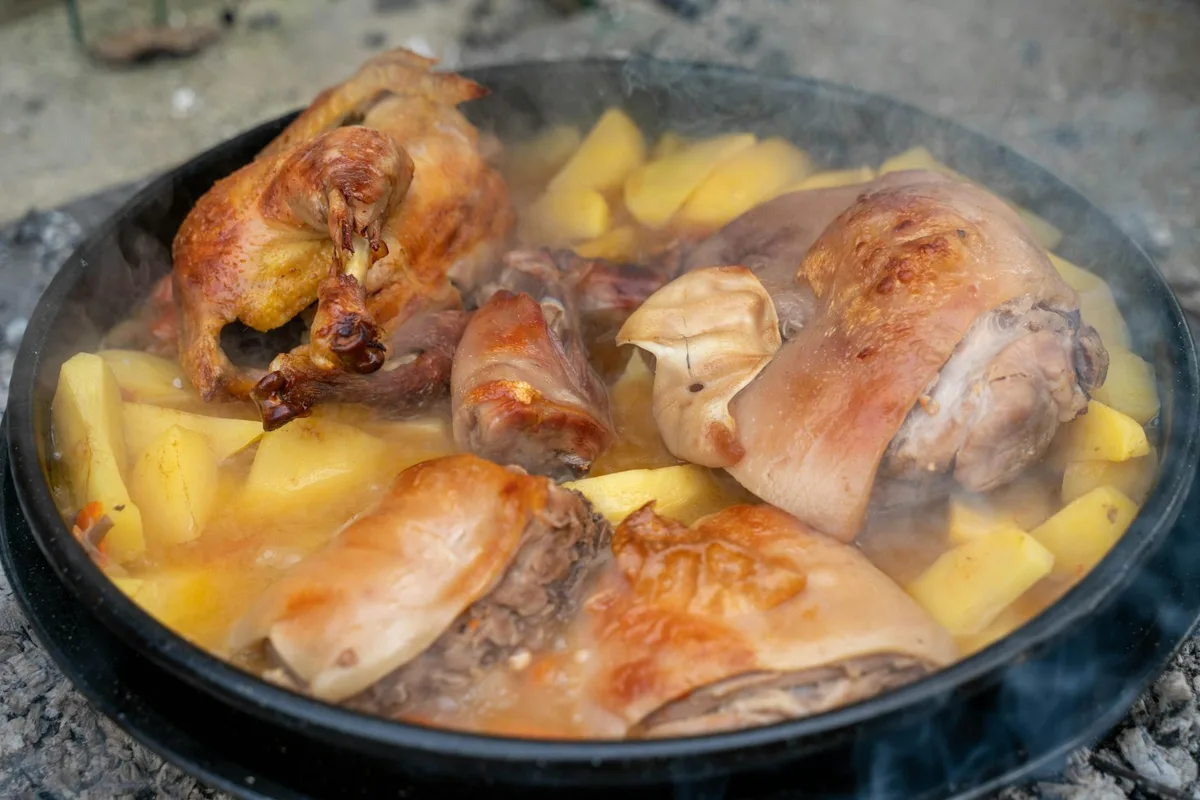
Comparison / Alternatives
| Option | Pea Prep | Chicken Cut | Cooking Vessel | Typical Time | Best For |
|---|---|---|---|---|---|
| Traditional stovetop Dutch oven | Overnight soak | Bone‑in thighs | Dutch oven, lid | 1 hour | Classic Southern flavor, no pressure equipment |
| Quick‑cook pressure | Quick‑soak | Boneless breast | Instant Pot | 30 minutes | Busy weeknights, minimal supervision |
| Slow‑cooker low‑and‑slow | Pre‑soaked | Drumsticks | Crock‑pot 6‑8 hrs low | Set‑and‑forget | Hands‑off cooking, tender meat |
| Vegetarian swap | Canned peas | N/A | Any pot | 20 minutes | Plant‑only meals, lower cost |
| Spice‑level variant | Any | Any | Any | Same as base | Adjust Cajun to mild, medium, hot |
Stovetop retains the most flavor because the Maillard fond stays in the pot. Pressure cooking saves time but can mute subtle smoky notes, so adding smoked sausage at the end restores depth. Slow‑cooking yields melt‑in‑your‑mouth meat but risks over‑softening peas if not timed right.
Use Cases / Best For
- Weeknight family dinner, Pick the pressure‑cook route; you’ll have dinner on the table while the kids finish homework.
- Pot‑luck or BBQ, Use the Dutch oven method and add smoked sausage; the stew stays warm in a insulated carrier for hours.
- Meal‑prep freezer, Cook a large batch with bone‑in thighs, cool, portion into freezer bags, and reheat with a splash of broth; peas keep their shape after freezing.
- Budget‑conscious feeding, Substitute half the chicken with extra peas and a ham hock; protein stays adequate while cost drops.
- Low‑sodium diet, Choose low‑sodium broth, rinse canned peas, and halve the Cajun blend; add fresh herbs for flavor without extra salt.
Mistakes to Avoid / Common Errors
- Skipping the soak, Leads to uneven texture; peas on the bottom become mushy while those on top stay firm.
- Cooking uncovered, Steam escapes, broth reduces too fast, and peas release more starch, creating a gluey mess.
- Over‑seasoning early, Salt from broth plus Cajun blend can quickly exceed safe limits; season lightly, taste after simmer.
- Using high heat throughout, A rapid boil forces peas to split their skins, releasing tannins that taste bitter. Keep a gentle simmer.
- Neglecting internal temperature, Undercooked chicken risks food‑borne illness; always verify 165 °F with a probe.
Expert Tips / Pro Advice
- Brown the chicken first, The caramelized crust contributes umami that plain simmering can’t match.
- Deglaze with wine or broth, A splash of dry white wine lifts more flavor than water alone.
- Add a slurry, Mix 1 tbsp flour with 2 tbsp cold water; stir in during the last 5 minutes to thicken without over‑cooking peas.
- Finish with acid, A squeeze of lemon or a dash of apple cider vinegar brightens the stew and balances the richness.
- Rest before serving, Let the pot sit, covered, for 10 minutes; the peas continue to absorb broth, and the flavors meld.
These pointers keep the dish from falling flat and turn a simple stew into a crowd‑pleasing centerpiece.
Safety / Legal / Compliance / Warnings
Chicken must reach an internal temperature of 165 °F (74 °C) to kill Salmonella, per USDA FSIS guidelines. Use a calibrated instant‑read thermometer; insert it into the thickest part of the thigh, avoiding bone.
If you’re using canned peas, rinse them under cold water to remove excess sodium and any residual BPA from the can lining, a precaution recommended by the FDA.
When cooking with a Dutch oven, ensure the lid fits tightly to prevent steam loss, but never seal a pot completely airtight on the stovetop, a pressure build‑up can cause the lid to pop off.
Store leftovers in shallow containers within two hours of cooking. Refrigerate at 40 °F (4 °C) or below and consume within three days, or freeze for up to three months. Thaw frozen portions in the refrigerator, not at room temperature, to avoid bacterial growth.
Real Scenarios / Case Examples
Busy parent using an Instant Pot for a 30‑minute dinner
A family of four needed a quick, nutritious meal on a weekday. They started with pre‑soaked peas, boneless breast pieces, low‑sodium broth, and a medium Cajun blend. The Instant Pot cooked on high pressure for 15 minutes, followed by a 10‑minute natural release. Final temperature hit 165 °F, and the peas stayed firm.
The whole dish cost under $8 and left leftovers for lunch the next day.
Southern‑style weekend feast using a Dutch oven and smoked sausage
For a gathering of ten, the host chose bone‑in thighs, smoked Andouille sausage, and a slow simmer in a 6‑quart Dutch oven. Peas were soaked overnight. The pot cooked uncovered for the first 20 minutes to develop a reduced broth, then covered for a full hour. The result was a rich, smoky stew with peas that held their shape.
Guests praised the depth of flavor, and the host reported a 20 % reduction in prep time compared with a traditional oven‑roasted approach.
FAQs
How long should I soak black‑eyed peas?
Overnight in cold water, about 8‑12 hours, yields the best texture. A quick‑soak works too: boil 2 minutes, then let sit covered for 1 hour.
Can I substitute chicken breast for thighs?
You can, but add extra broth or a splash of oil and keep the simmer gentle to prevent dryness. Thighs naturally stay juicier because of higher fat content.
What if I don’t have Cajun seasoning?
Mix paprika, garlic powder, onion powder, dried thyme, and a pinch of cayenne. The blend approximates the heat and smoky character of a commercial Cajun mix.
How do I know when the peas are done?
They should be tender yet retain their shape, similar to a cooked al dente pasta. Test one with a fork; it should slide in with slight resistance.
Is the dish freezer‑friendly?
Yes. Cool to room temperature, portion into airtight containers, and freeze. Reheat gently on the stove, adding a quarter cup of broth if the sauce thickens too much.
Final Decision Guide
If you have time to soak and prefer deep, smoky flavor, choose the Dutch oven route with bone‑in thighs and smoked sausage.
If you need speed and have an Instant Pot, go with pre‑soaked peas, boneless breast, and a medium Cajun blend.
If you’re cooking for a crowd and want a set‑and‑forget method, the slow‑cooker with drumsticks delivers tender meat and minimal supervision.
Match your pantry, schedule, and flavor preference to the decision branches outlined earlier, and you’ll consistently end up with a hearty, satisfying black‑eyed peas chicken stew.
