


Can you give your dog a T-bone steak bone? The short answer is no, especially if it's cooked. Cooked T-bones splinter unpredictably, and fragments can puncture your dog's intestines, cause blockages, or trigger internal bleeding.
Even raw bones carry real risk, though they're marginally safer than cooked ones. Bone-feeding appeals to owners because of the calcium and phosphorus content plus mental enrichment, but research into foreign body obstruction cases consistently shows that T-bones carry a higher injury profile than most owners realize. Emergency veterinary specialists flag fragile bones as high-risk items, which is why understanding the actual dangers matters before you make a decision.
Why T-Bone Bones Are Risky for Dogs (and Why It Matters)
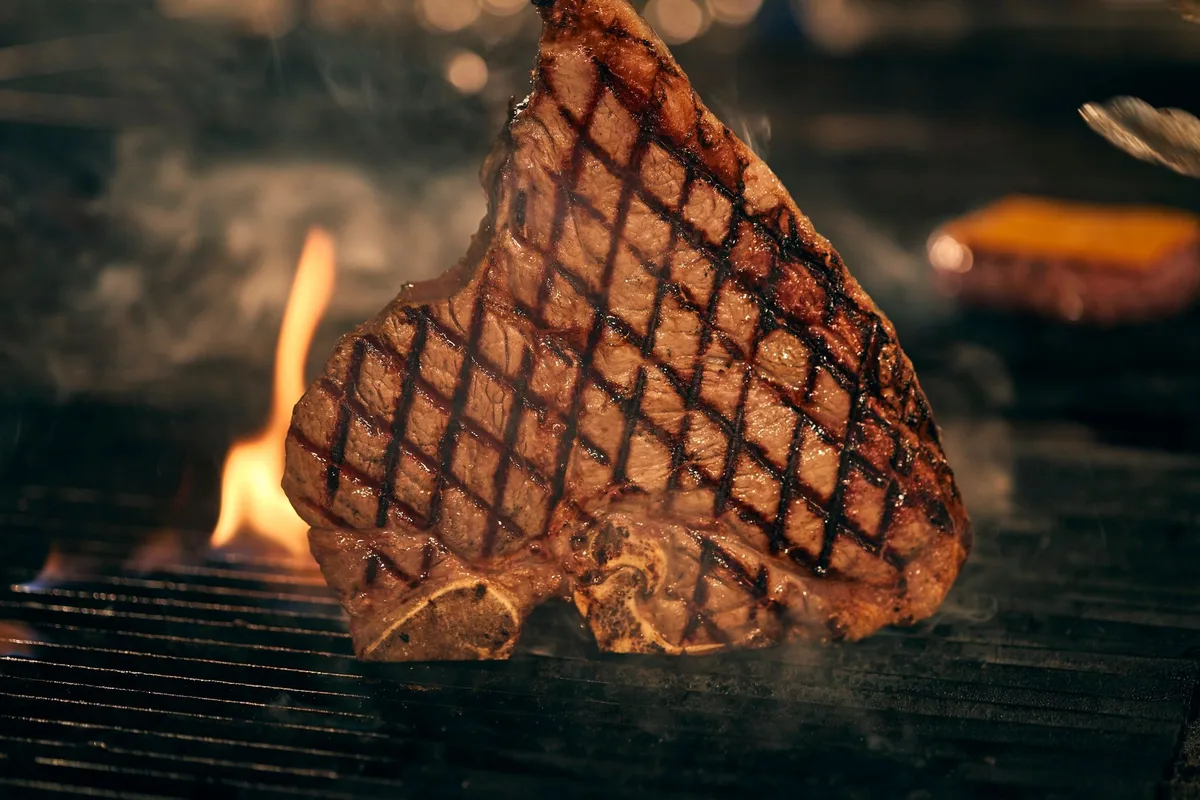
T-bone steak bones have a unique structure that makes them particularly dangerous. A T-bone is a vertebra attached to a femur, and this architecture makes it prone to splintering when cooked. Heat breaks down the collagen and mineral structure of the bone, rendering it brittle and prone to shattering under the pressure of your dog's bite.
Raw T-bones are denser than cooked ones, but they still break into sharp fragments. These fragments cause injury during chewing or as they move through the GI tract. The problem compounds because you can't predict how your individual dog will chew, or how their digestive system will respond to the material.
The risk isn't theoretical or rare. Emergency veterinary records document cases of dogs who ingested bone fragments and developed life-threatening foreign body obstructions. Some required surgery within hours of ingestion. Others didn't show symptoms until 24 to 48 hours later, by which time serious internal damage had already occurred.
Perforations in the intestine can lead to peritonitis, an infection of the abdominal lining. Peritonitis is often fatal without immediate surgical intervention. Internal bleeding from a perforation can develop rapidly and silently, and by the time your dog shows distress, the damage may be irreversible.
Supervision doesn't eliminate this risk either. You can't prevent splinter formation when your dog bites down. You can't control fragment size or sharpness. You can't predict how fragments will travel through the GI tract.
That unpredictability is exactly why veterinary experts recommend avoiding T-bones entirely.
The Short Answer: Can You Give Your Dog a T-Bone Steak Bone?
No. Don't give your dog a T-bone steak bone, whether cooked or raw. Cooked bones are the higher-risk option because heat renders them brittle and prone to splintering. Raw T-bones are marginally safer than cooked ones, but they still carry substantial risk for blockage and perforation.
The nutritional benefit isn't worth the injury potential. If your goal is to provide calcium and phosphorus, safer alternatives exist. Calcium supplements designed for dogs, commercial meaty bones specifically selected for safety, or prescription diets formulated with proper mineral balance all deliver the same nutrients without the emergency room visit.
If your goal is mental enrichment and chewing stimulation, rubber toys, dental chews, and other non-bone options deliver that benefit safely. Your dog gets the same satisfaction and jaw exercise without the perforation risk.
The timing and your dog's health history matter significantly too. If your dog has a history of pancreatitis, inflammatory bowel disease, or a sensitive stomach, bones are off-limits. The high fat content in T-bones can trigger pancreatitis flare-ups in susceptible dogs, and the fragmentation risk compounds existing digestive vulnerabilities.
Age also factors into the risk calculation. Puppies have developing digestive systems with lower stomach acid and less predictable gut motility. Senior dogs often have reduced gut motility, which increases blockage risk. Both groups should avoid T-bones entirely.
How Cooked T-Bones Injure Your Dog
Cooked bones break apart completely differently than raw ones. When you cook a steak, heat disrupts the mineral structure of the bone and breaks down collagen. The bone becomes dry, brittle, and prone to shattering under pressure.
A dog's bite force ranges from 200 to 330 PSI depending on breed and size. This force easily fractures weakened, cooked bones into razor-sharp fragments. These fragments don't stay intact as they move through your dog's digestive system.
The fragments can become lodged in the esophagus or stomach, blocking food and water intake. They can create a blockage in the small intestine, preventing normal GI flow and putting dangerous pressure on the intestinal wall. They can puncture the stomach or intestinal wall, causing peritonitis and potential organ failure.
Some fragments cause gradual, partial blockages that slowly accumulate. Others cause immediate, complete obstructions. Some create micro-tears that lead to secondary infections. The outcome depends on fragment size, sharpness, location, and your dog's individual digestive resilience.
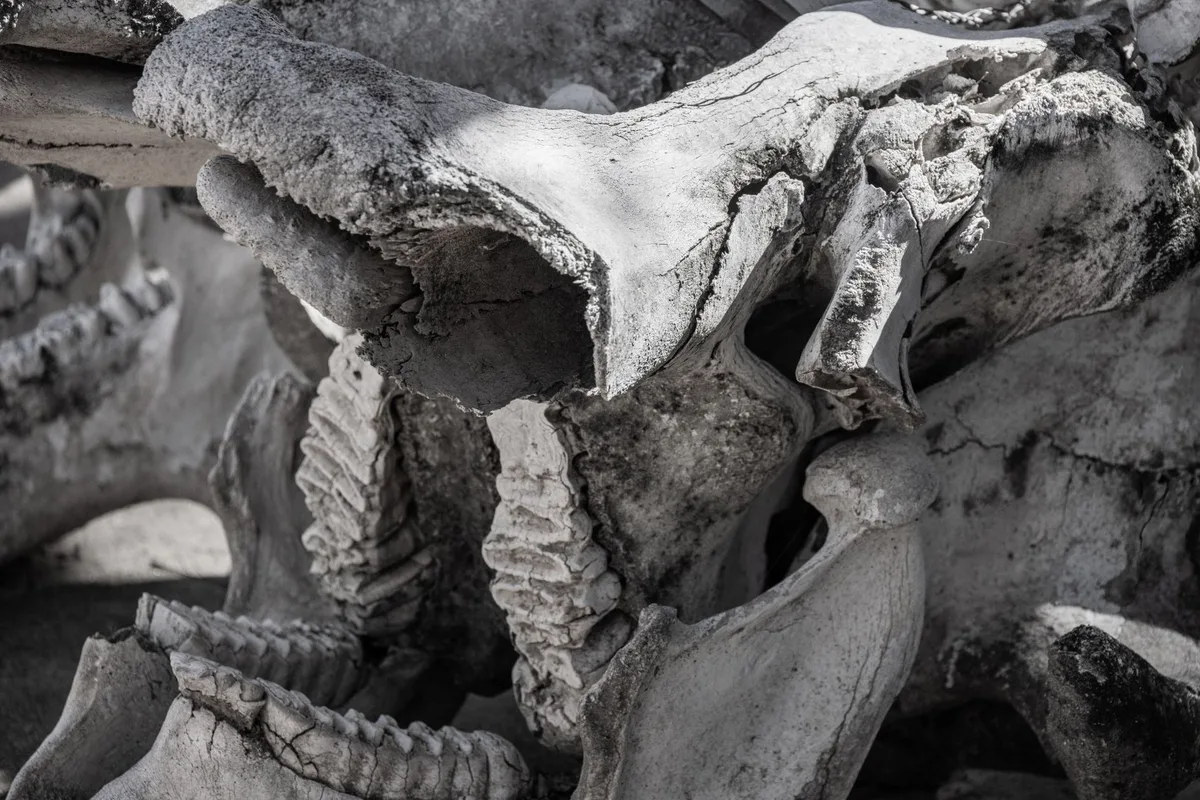
The cruelest aspect is symptom delay. Your dog might swallow a fragment at noon and seem completely fine until 24 or 48 hours later. By then, vomiting, loss of appetite, lethargy, or severe abdominal pain may appear. By then, the damage is often severe enough to require emergency surgery.
A veterinary surgeon may need to perform an enterotomy (surgical removal of foreign material) or bowel resection (surgical removal of damaged intestine). Recovery is rough, the bill often exceeds $2,000 to $5,000, and some dogs don't survive surgery or the recovery period.
Which Dogs Face the Highest Risk
Risk varies significantly by size, age, chewing style, and existing health conditions. Understanding which dogs face higher risk helps you make an informed decision about whether bones are worth the gamble.
Small breeds and toy breeds (under 15 pounds) face dramatically higher risk than larger dogs. A fragment that passes easily through a 70-pound dog's intestines may lodge completely in a Chihuahua's small intestine. Their narrower GI tract means less tolerance for foreign material.
Toy breeds also tend toward dental issues, so they're more likely to break teeth on harder bones. Broken teeth create additional injury points and pain. These breeds also eat smaller portions, so any fragment represents a larger proportion of their intestinal diameter.
Puppies (under 1 year old) have immature digestive systems with lower stomach acid and less predictable gut motility. Blockages that an adult dog's system might pass can stick in a puppy's system. Puppies are also more likely to ingest material without thorough chewing.
Senior dogs (over 7 to 8 years, depending on breed) face heightened risk because gut motility slows significantly with age. Fragments move more sluggishly through the intestines, increasing both blockage duration and severity. Organ function declines, so complications develop faster.
Dogs with inflammatory bowel disease, pancreatitis, or sensitive stomachs should never receive T-bone bones. These conditions already compromise the GI tract. Adding bone fragments or high fat content is asking for a flare-up or perforation.
Aggressive, fast chewers who bolt their food without thorough chewing are at higher risk. They're more likely to ingest large fragments that can't pass safely. Gulpers don't give stomach acid time to soften material; they just swallow.
Post-surgical dogs shouldn't have bones. Any dog recovering from abdominal surgery, dental surgery, or GI procedures is vulnerable. Wait until your vet explicitly clears them for regular chewing.
The Timeline: When Blockages and Injuries Develop
One of the trickiest aspects of bone injuries is the unpredictable timeline. Symptoms can appear in hours or days. By the time symptoms are obvious, the injury is often severe. As of 2026, emergency veterinary medicine still sees delayed diagnoses that result in preventable fatalities.
First 1 to 2 hours after ingestion: Your dog may show no signs at all. The fragment is in the stomach, moving slowly. Some dogs vomit immediately if the bone irritates the stomach lining, but many show nothing and seem completely normal.
6 to 24 hours: This is when blockages often become apparent. Your dog might vomit, lose interest in food, or seem uncomfortable. Abdominal pain can show up as restlessness, panting, or reluctance to move. Some dogs will eat and act normally even as a blockage forms slowly.
24 to 48 hours: If a perforation has occurred, peritonitis may be developing. Your dog might become lethargic, run a fever, or show severe abdominal pain. Breathing may become shallow or rapid due to pain. Dehydration sets in quickly without food or water intake.
48 hours and beyond: A partial blockage might resolve on its own if the fragment is small enough to pass. Complete blockages and perforations don't self-resolve. Your dog's condition deteriorates rapidly. Organ damage from infection or prolonged obstruction may become irreversible.
Some injuries don't show up until days later. A small perforation might not leak enough to cause immediate peritonitis, but infection develops quietly and then hits hard. A fragment might lodge partially, let some fluid through, and create a slow blockage. Your dog seems mostly fine until suddenly they don't.
This unpredictability is why the ASPCA and veterinary specialists recommend imaging (X-rays or ultrasound) if there's any suspicion of bone ingestion, even if your dog isn't showing symptoms yet. Early detection can mean the difference between medical management and emergency surgery, or between a successful recovery and a fatal outcome.
Safer Bone Alternatives
If you want to provide calcium, phosphorus, and mental enrichment without T-bone risk, alternatives exist. Raw meaty bones like chicken necks, turkey necks, or lamb necks are substantially safer because they're softer and less prone to splintering. Beef knuckle bones and marrow bones are another step safer than weight-bearing bones like T-bones.
Raw meaty bones do require proper handling. Source them from a butcher or specialty pet food supplier, store them frozen, and thaw in the fridge. Aggregate research on raw feeding suggests proper hygiene eliminates most contamination risk.
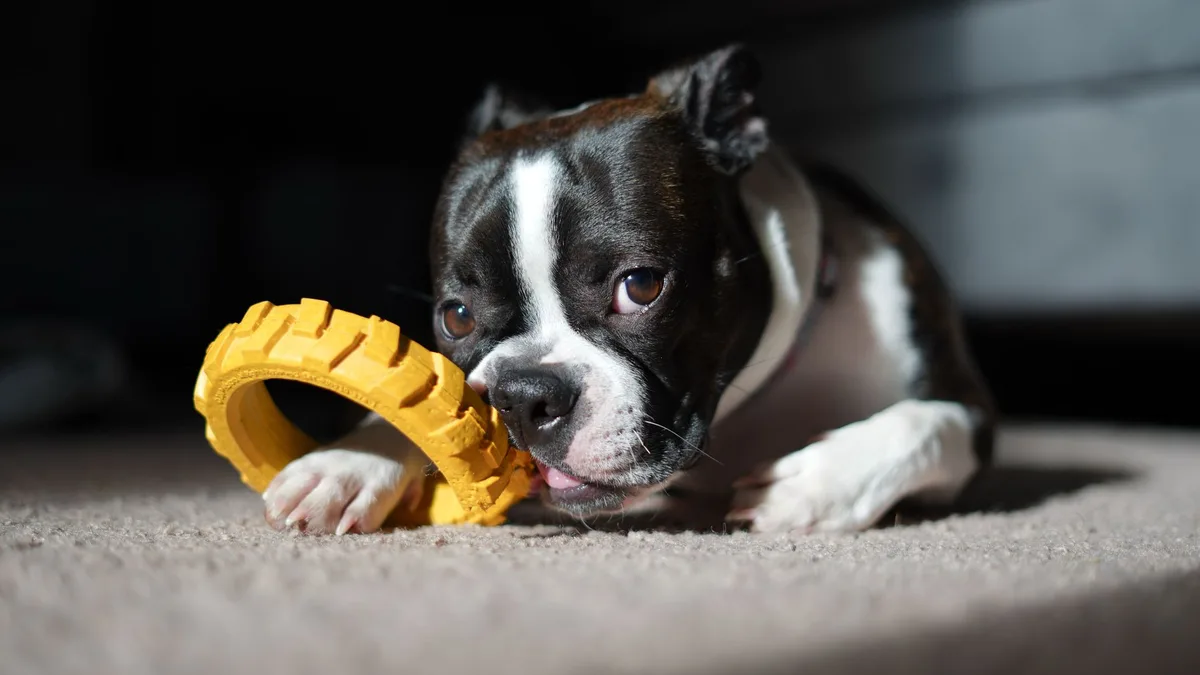
Commercial dental chews designed for dogs offer satisfying chewing without bone fragments. They soften safely during chewing and pass through the GI tract without harm. Rubber toys, puzzle toys, and interactive toys deliver mental enrichment and jaw exercise without ingestion risk.
Calcium supplements designed for dogs eliminate the need for bones entirely. Prescription diets formulated for bone health can be better balanced than home-prepared meals. Bone broth cooked from bones and strained of solid material delivers collagen and minerals safely.
Harm Reduction: If You're Going to Give a Bone
Some owners will give bones regardless of risk. If that's you, follow these guidelines to minimize injury potential.
Choose raw over cooked, always. Raw bones are denser and less brittle, so they splinter less readily. Avoid weight-bearing bones like T-bones entirely. Knuckle bones, marrow bones, and meaty bones like chicken necks are substantially safer and appropriate to your dog's size.
Supervise actively but understand what supervision can't do. It helps you identify pain or distress quickly, but it doesn't prevent fragment formation or lodging. Remove the bone after 10 to 15 minutes if your dog hasn't fully consumed it. Limiting ingestion volume reduces blockage risk.
Have your vet's emergency number readily available and know the location of the nearest 24/7 emergency clinic. If your dog shows any sign of distress within 48 hours of bone consumption, call immediately.
Red Flags You Cannot Ignore
Symptoms of blockage or perforation demand immediate veterinary attention. Don't wait to see if your dog improves.
Repeated vomiting or retching suggests something is stuck or irritating the GI tract. Vomit containing blood or bile is especially concerning.
Loss of appetite indicates abdominal distress. A dog that normally eats eagerly but suddenly refuses food warrants a vet call.
Lethargy or unresponsiveness suggests pain or systemic illness. A normally alert dog that becomes withdrawn may be in shock or experiencing peritonitis.
Abdominal pain shows as restlessness, panting, reluctance to move, or hunched posture. Your dog might pace, whimper, or resist being touched on the abdomen.
Straining to defecate or sudden diarrhea can indicate blockage or irritation.
Pale gums indicate poor circulation or blood loss. Gums should be pink and return to color quickly when pressed.
Rapid breathing can mean pain, fever, or shock. Treat it as an emergency.
Contact your vet or emergency clinic immediately rather than trying to manage symptoms at home. The difference between medical management and surgery often depends on how quickly you seek care.
Why "Supervision" Isn't the Safety Net Dog Owners Think It Is
Many owners believe watching their dog chew a bone prevents injury. This belief is dangerously incomplete. Supervision helps identify injury, but doesn't prevent it.
You cannot see splintering happen inside your dog's mouth or throat. You can't physically prevent your dog's bite from fracturing a bone. A fragment that forms while you're watching is undetectable until it causes problems.
Fragments don't necessarily cause problems immediately. A splinter swallowed at 2 p.m. might not lodge until 11 p.m. Symptoms often don't appear until the damage is already serious. You also can't monitor what happens inside your dog's digestive tract.
Internal bleeding might happen silently for hours before your dog shows distress.
Supervision is valuable for one thing, though. It helps you identify pain or distress quickly, which means faster veterinary intervention. That's damage control, not damage prevention. Don't let supervision give you false confidence that T-bones are acceptable if you're just watchful enough.
What Every Vet Wants You to Know About Bones
Veterinarians across emergency medicine, general practice, and surgery consistently recommend against cooked bones. This isn't cautious opinion. It's clear recommendation based on case files full of preventable injuries.
The American Veterinary Medical Association (AVMA) specifically recommends avoiding cooked bones entirely. Veterinary emergency medicine specialists report that bone-related foreign body obstructions are among the most common surgical emergencies they perform. Many are preventable.
Raw bones carry risks too. They don't splinter like cooked bones, but they can create blockages or cause pancreatitis from high fat content. The risk is lower than with cooked bones, but it's not zero.
The financial cost of a bone-related emergency is substantial. Emergency imaging costs $300 to $800. Surgery to remove a foreign body or repair a perforation exceeds $2,000 to $5,000 depending on complexity. Prevention through a dental chew or toy is trivial by comparison.
Talk to your vet before introducing any bones or bone-like chews. Your vet knows your dog's individual health history, chewing style, and risk factors. If your vet recommends against bones, that recommendation is based on expertise, not overcaution.
Common Questions About Dogs and T-Bone Bones
What should I do if my dog already swallowed a T-bone?
Don't panic, but do contact your vet immediately. Explain what happened, when it happened, and whether the bone was cooked or raw. Your vet will likely recommend monitoring for symptoms or may suggest preventive imaging. If your dog swallows a cooked bone, watch for the red flag symptoms outlined earlier, and don't wait more than a few hours to call if anything seems off.
Are raw meaty bones like chicken necks actually safer?
Yes, they're substantially safer than T-bones. Chicken necks and turkey necks are softer, smaller, and less prone to splintering than weight-bearing bones. They still carry some risk, but aggregate research on raw feeding shows they cause far fewer blockages and perforations than harder bones. Size them appropriately to your dog, supervise, and stop before the bone breaks into smaller pieces.
Why do some vets say bones are okay?
Some vets take a harm-reduction approach rather than an absolute prohibition. They weigh nutritional benefits, mental enrichment, and your dog's individual risk factors. If you choose bones, they recommend raw over cooked, appropriate sizing, and active supervision. Others recommend against them entirely based on their experience with emergency cases.
Your own vet's guidance is what matters, since they know your dog's health history and chewing style.
Can I give beef knuckle bones or marrow bones instead?
Knuckle bones and marrow bones are safer alternatives to T-bones. Knuckle bones are dense and less likely to splinter, though high-energy chewers can still break pieces off. Marrow bones are hollow and soften slightly as your dog chews, allowing some marrow to be extracted without dangerous splintering. Both are better options than T-bones, but still require appropriate sizing and supervision.
How do I know for certain if my dog has a blockage?
Only imaging confirms a blockage. X-rays or ultrasound can show fragments, partial obstructions, or complete blockages that a physical exam cannot detect. If you suspect your dog swallowed a bone fragment and is showing vomiting, loss of appetite, lethargy, or abdominal pain within 48 hours, contact your vet immediately. Don't try to diagnose based on symptoms alone.
