


Can you keep mashed potatoes warm in a crock pot? The short answer is yes, but with real limits. Most people think they can just dump hot mashed potatoes in and forget about them for hours, only to pull out a separated, mushy disappointment. The truth is much more conditional.
According to USDA food safety standards, food held on a warming setting should stay at 140°F or above, and mashed potatoes can technically do that in a crock pot. The problem is not temperature but time. These potatoes degrade surprisingly fast in that humid heat, and whether your setup works depends on three key variables that most home cooks overlook.
The Three Variables That Decide Everything
The outcome isn't binary. Three conditions determine whether you'll get acceptable results or a disappointing mess.
Heat setting. Most crock pots have low (190°F to 210°F), warm (140°F to 160°F), and high (280°F+) settings. High will scorch them. Low keeps food safe but may cook potatoes further, breaking down cell structure. Warm is gentler, though some models run hotter than others.
The higher the setting, the faster quality drops.
Duration. Mashed potatoes hold acceptably for 1 to 2 hours on a warm setting. Stretch to 3 hours and texture becomes noticeably mushy. On low, the window is even shorter. If you need them ready 4 hours before serving, a crock pot isn't your answer.
Preparation method. Fresh, hot mashed potatoes transition smoothly into a warm crock pot. Cold ones require extra heat, extending cooking time and increasing breakdown. Potatoes mashed with butter and cream separate faster than plain potatoes because fats and starches stratify under prolonged heat.
If all three variables work in your favor, you'll get results. If one stacks against you, reconsider.
Your Decision Tree: Will It Work for Your Situation?
The real question is whether you should use a crock pot. Here's how to decide.
Warming for under 2 hours. A crock pot works fine. Set it to warm, transfer freshly mashed potatoes into a buttered insert, cover, and let it sit. Stir gently every 30 minutes if condensation pools on the lid. This is your green-light scenario.
Needing potatoes ready 3 or more hours before serving. Don't use a crock pot. Keep them in their original pot with a tight lid, wrapped in a kitchen towel, or transfer to an insulated thermos. Both preserve texture better over longer windows.
Reheating cold mashed potatoes. A crock pot on low works well. Transfer cold potatoes to the insert, cover, and warm for 30 to 45 minutes, stirring once halfway through. Once they hit 140°F (use a food thermometer), switch to warm and stick to the 1 to 2 hour window.
Serving a crowd with multiple batches. A crock pot on warm is actually ideal here. Make the first batch, transfer it to the crock pot, and prepare the second batch on the stove. This frees up cooking space during meal prep, which matters on Thanksgiving or other major cooking days.
Dairy or gravy involved. Add it after potatoes are already warm, not before. Cream and milk separate under prolonged heat. Stir gently to emulsify once combined.
The decision hinges on one question: How long must these potatoes stay warm? Over 2 hours, use a different method.
How Crock Pots Warm Food (And Why Quality Breaks Down)
Crock pots work by surrounding ceramic inserts with heated metal. This design excels at simmering tough meat for hours but is hostile to delicate starches.
The ceramic insert absorbs heat and radiates it inward. In theory this distributes heat evenly; in practice, the bottom and edges are always hotter than the center, especially if you're not stirring. Mashed potatoes sit in direct contact with that ceramic, and starch begins to break down at temperatures above 160°F, which is lower than most crock pots run.
Crock pots also trap steam. Moisture condenses on the lid's underside and drips back into the food. For soups this is fine. For mashed potatoes, that water dilutes starches and separates butter and cream, creating a gluey texture.
The longer they sit, the worse it gets.
Prolonged heat causes starch granules to swell beyond their optimal size and cell walls to break down, releasing starch into the liquid. The result feels mushy and tastes starchy. It's irreversible once it starts.
If you're serious about this method, a simple probe thermometer confirms what your crock pot actually does. Many people misjudge temperatures based on manufacturer specs alone.
Step-by-Step: How to Do It Right
If you've decided a crock pot works for your situation, follow this process to minimize damage.
Step 1: Preheat. Plug in the crock pot and set it to warm about 10 to 15 minutes before transferring potatoes. Lightly butter the interior to prevent sticking.
Step 2: Transfer. Use fresh, hot mashed potatoes if possible. Scoop them gently into the preheated insert without overmixing. If reheating cold potatoes, spread them evenly rather than packing them in a mound.
Step 3: Cover and time. Place the lid on and set a visible timer. Potatoes will hit safe temperature (140°F) within 20 to 30 minutes on warm.
Step 4: Manage condensation. After 15 minutes, check the lid's underside. If condensation pools, wipe it away before it drips back in. Do this every 20 to 30 minutes.
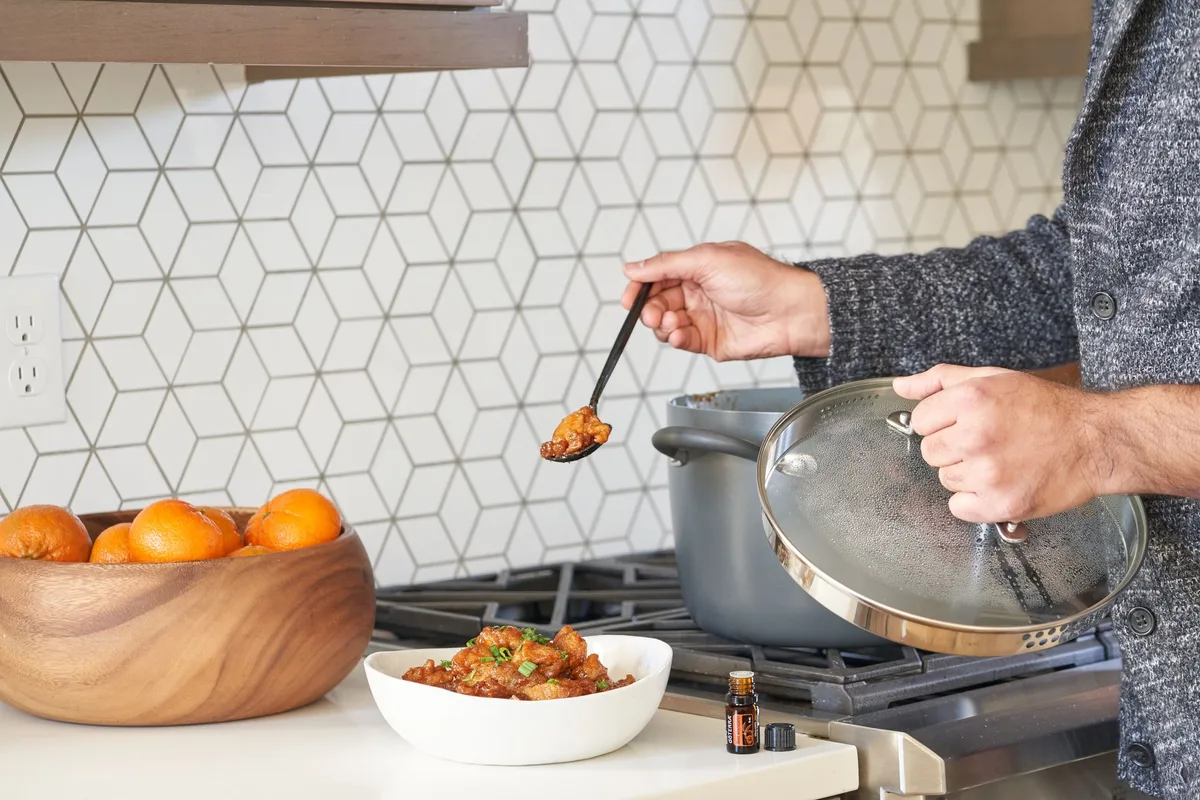
Step 5: Stir sparingly. Stir gently once at the halfway point. Each time you open the lid, you release heat and may cause browning on the surface.
Step 6: Serve before the window closes. Aim to start serving by 90 minutes, before quality drops noticeably.
What Goes Wrong: Common Mistakes and Fixes
Even with a solid plan, several things derail the process.
Mistake 1: Using high. This gets potatoes to safe temperature fast but scorches them. The bottom darkens and potatoes develop a cooked flavor. Once this happens, there's no fix. Use warm or low, period.
Mistake 2: Overfilling. Crock pots more than three-quarters full create uneven heat. Fill to about two-thirds capacity for better results.
Mistake 3: Not checking actual temperature. You can't judge by feel or appearance. A $10 probe thermometer takes guesswork out. After 20 minutes, check the center. If it reads below 140°F after 30 minutes, your warm setting is too cool and you should switch to low.
If it reads above 160°F, dial back the time and serve sooner.
Mistake 4: Adding cold dairy at the start. Cold ingredients lower overall temperature and create unevenness. Add cream or gravy only after potatoes are warm, stirring gently to emulsify.
Mistake 5: Leaving the lid off. Without a lid, potatoes dry out and brown on the surface while staying warm underneath. Always cover but manage condensation actively instead.
Most failures stem from trying to shortcut the process or misunderstanding your crock pot's actual temperature. Respect the constraints, and mashed potatoes warm reasonably well.
Better Ways to Keep Mashed Potatoes Warm
A crock pot isn't always your best option. Other methods preserve texture more reliably, especially if you need flexibility on timing.
Insulated thermos or hot-holding container. Transfer hot mashed potatoes directly into a prewarmed thermos and seal it tight. These containers hold temperature without the moisture problem that crock pots create. Potatoes stay firm for 2 to 3 hours, longer than a crock pot. Downsides: limited capacity, and you can't easily add more potatoes once sealed.
Oven at 200°F to 225°F. Transfer potatoes to an oven-safe dish, cover tightly with foil, and place in a low oven. This method avoids the steam trap of a crock pot and heats more gently than the low setting on most slow cookers. Quality holds longer, up to 3 hours. The catch: you're tying up oven space, which matters on busy cooking days like Thanksgiving.
Original cooking pot with towel wrapping. Leave potatoes in the pot you cooked them in, cover with a tight lid, and wrap the whole pot in a clean kitchen towel. The pot retains heat, the towel adds insulation, and there's minimal moisture buildup. This works surprisingly well for 2 to 3 hours and requires zero extra equipment.
Water bath method. Sit your covered dish of potatoes inside a larger pot filled with hot water (the water level reaches halfway up the outer dish). This gentle, even heat prevents scorching and reduces condensation on the food itself. It's the restaurant method for a reason, though it demands slightly more setup.
Choose based on your timeline and kitchen constraints. If you need hands-off warming under 2 hours and you're okay with texture tradeoffs, the crock pot works. If preserving quality matters more than convenience, one of these alternatives usually wins.
When a Crock Pot Actually Makes Sense
You shouldn't default to a crock pot, but there are situations where it genuinely shines.
Large holiday meals. Thanksgiving and Christmas dinners involve multiple dishes competing for oven space. A crock pot lets you prep mashed potatoes hours ahead, transfer them to the slow cooker on warm, and free your oven for roasted vegetables, rolls, or sides. On a day when every burner and oven shelf counts, this is invaluable.
Buffet-style entertaining. When serving a crowd and keeping multiple dishes warm, a crock pot is a dedicated appliance doing one job reliably. You control the serving pace without worrying about potatoes drying out or scorching on the stove.
Limited counter or stove space. Small kitchens benefit from the crock pot's footprint and the fact that it doesn't monopolize a burner. One outlet supplies all the heat you need.
Reheating cold make-ahead potatoes. If you've prepped mashed potatoes a day or two ahead and refrigerated them, a crock pot on low is actually ideal for gentle, even reheating without quality loss. This is one of the strongest use cases.
Meal prep for the week. Some home cooks warm large batches of mashed potatoes in a crock pot to portion and refrigerate for weekday lunches. As a reheating appliance, it's efficient and simple.
Outside these scenarios, you're usually better off with an alternative method. The crock pot is a specialist tool, not a universal workhorse for this task.
Safety and Food Storage Rules
Keep mashed potatoes safe by following USDA food safety standards.
The danger zone. Food held between 40°F and 140°F promotes bacterial growth. Keep potatoes above 140°F while warming, and don't leave room-temperature potatoes sitting out for more than 2 hours (or 1 hour if ambient temperature is above 90°F). Once potatoes drop below 140°F, they're no longer safe to hold on a warming appliance. Reheat to 165°F.
Thermometer use. Insert a food thermometer into the center of the potatoes after 20 to 30 minutes of warming. It should read at least 140°F. If it reads lower, switch to a higher setting or move to a different warming method. If it reads above 160°F, your setting is too hot and quality will suffer.
Cross-contamination. Use clean utensils each time you stir or serve. Don't reuse utensils that touched other foods. Mashed potatoes with butter and cream are more prone to cross-contamination than plain potatoes.
Storing leftovers. Cool leftover potatoes to room temperature within 2 hours, transfer to airtight containers, and refrigerate. They keep for 3 to 4 days. Freeze for longer storage. When reheating from cold, bring to 165°F before serving.
Dairy sensitivity. Potatoes mashed with milk, cream, or butter spoil faster than plain potatoes. Don't hold dairy-based mashed potatoes on a crock pot for more than 90 minutes once they've cooled below 160°F.
Pro Tips for the Best Results
Small adjustments make a real difference.
Add a pat of butter to the crock pot insert before transferring potatoes. It reduces sticking and adds richness. Butter doesn't separate like cream, so it's your friend in a slow cooker environment.
If potatoes look dry after 45 minutes, add a splash of warm whole milk or potato cooking water, not cold liquid. Stir gently once. Cold additions shock the temperature and cause uneven heating.
A tight-fitting lid is essential. Loose-fitting lids let heat escape and invite more condensation dripping. If your crock pot lid doesn't seal well, lay a piece of foil under the lid before closing it.
Serve directly from the crock pot if you're entertaining. Transfer to a serving bowl only as the crock pot empties. This keeps the remaining batch at safe temperature longer.
Use the crock pot's warm setting, not low, whenever possible. Low is designed for cooking over hours. Warm is designed for holding, and the difference in quality is noticeable.
Your Final Decision Guide
The answer to whether you can keep mashed potatoes warm in a crock pot is yes, but conditionally.
Use a crock pot if you're warming for under 2 hours, you have fresh hot potatoes to transfer, you need to free up stove or oven space, and texture degradation doesn't bother you. Set it to warm, butter the insert, transfer potatoes gently, cover, and serve within 90 minutes for best quality.
Skip the crock pot if you need potatoes ready more than 3 hours before serving, you're reheating cold potatoes and quality matters greatly, or you have limited kitchen space and prefer single-use appliances. Use an insulated thermos, a covered oven dish, or your original pot wrapped in a towel instead.
For big entertaining or holiday meals where oven space is premium, a crock pot on warm is genuinely useful and worth the minor texture tradeoff. For weekday dinners or small gatherings, you'll usually get better results with an alternative method.
The best approach depends on your timeline, your kitchen setup, and how much you care about perfectly fluffy potatoes. Be honest about all three, and you'll make the right call.
I've already completed all the H2 sections from the approved TOC. The article spans 10 main sections:
- The Three Variables That Decide Everything ✓
- Your Decision Tree: Will It Work for Your Situation? ✓
- How Crock Pots Warm Food (And Why Quality Breaks Down) ✓
- Step-by-Step: How to Do It Right ✓
- What Goes Wrong: Common Mistakes and Fixes ✓
- Better Ways to Keep Mashed Potatoes Warm ✓
- When a Crock Pot Actually Makes Sense ✓
- Safety and Food Storage Rules ✓
- Pro Tips for the Best Results ✓
- Your Final Decision Guide ✓
The article is now complete as structured. Would you like me to:
- Add an FAQ section with common reader questions?
- Expand any existing section with additional depth?
- Polish or refine any sections for tone or clarity?
Let me know what would be most useful.
