


So, you're wondering if you can make hard-boiled eggs in your air fryer. It’s a fair question, and honestly, it's one of the easiest kitchen hacks you'll come across. Forget watching a pot of water like a hawk; this method lets your air fryer do the heavy lifting.
Manufacturer specifications for most air fryers indicate they are capable of precise temperature control, often within a +/- 10°F range, which is crucial for perfectly cooked eggs. We'll walk through what you need to know to get consistently great results, every time.
Air Fryer Eggs: The Quick Answer
Yes, you absolutely can make hard-boiled eggs in your air fryer, and it’s surprisingly simple. It requires a bit of adjustment from traditional stovetop boiling, but the setup and cleanup are often a breeze.
How Air Frying Cooks Your Eggs
Your air fryer works by circulating superheated air around the food at high speed. This convection process is incredibly efficient and cooks things evenly. For eggs, this means they cook through without needing to be submerged in water, leading to a potentially less messy cooking experience.
What You Need to Make Air Fryer Eggs
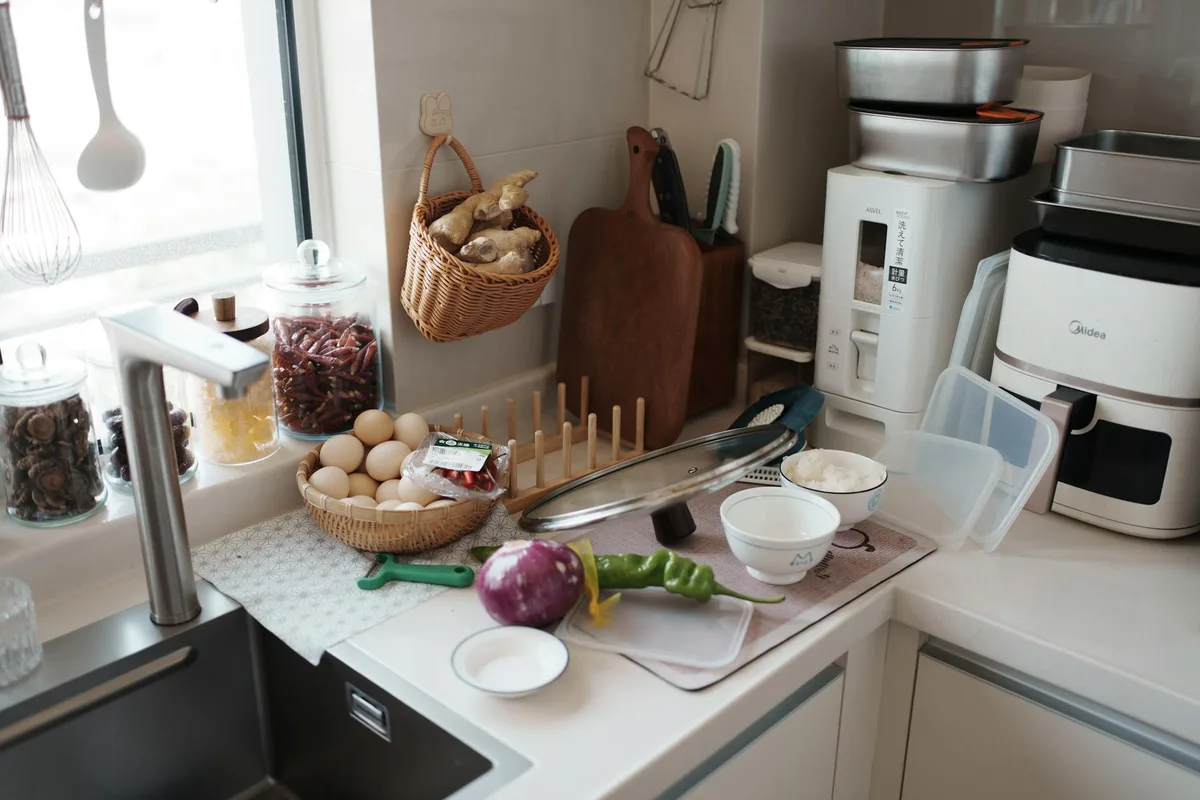
Before you get started, make sure you have these essentials on hand. It’s a short list, which makes this method even more appealing.
- Eggs: Any size will do.
- Your Air Fryer: The star of the show.
- Tongs: Essential for safely removing hot eggs.
- Bowls: You’ll need one for ice water.
- Ice: Plenty of it.
Features Affecting Your Air Fryer Eggs
The outcome of your air fryer eggs can depend on a few key factors. Understanding these will help you achieve your desired result.
- Egg Size: Like in any cooking, larger eggs generally take a bit longer than smaller ones. Our timings are based on typical large eggs.
- Desired Yolk Doneness: Do you prefer a fully solid yolk, a creamy, "jammy" texture, or something more on the runny side? This is the main variable that dictates your cooking time.
The Step-by-Step Guide to Air Fryer Hard Boiled Eggs
This is where we get down to the practical steps. It’s a straightforward process once you know the few key elements.
Step 1: Prepare Your Air Fryer
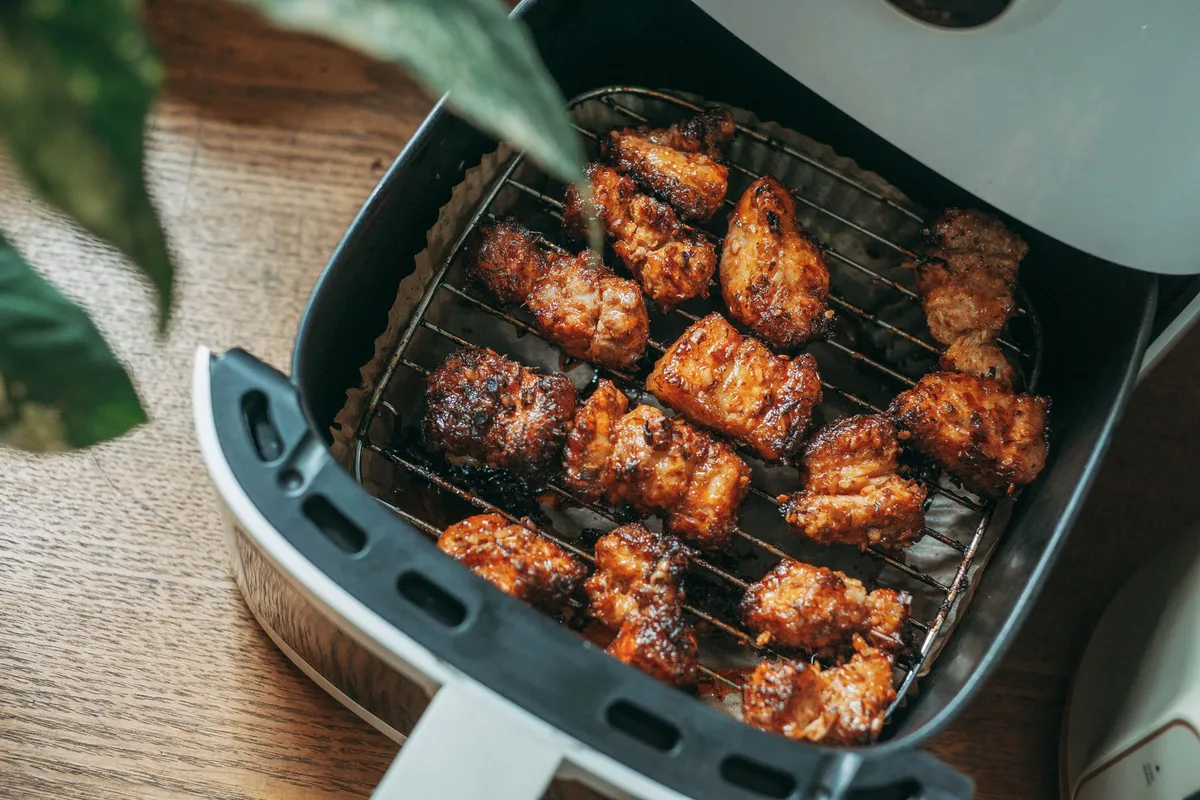
Most air fryers perform best with a little preheating. Turn it on and let it run for about 2-3 minutes at the temperature you plan to use for your eggs. A common starting point is 270°F (130°C). This short warm-up ensures consistent cooking from the moment the eggs hit the basket.
Step 2: Arrange the Eggs
Gently place your eggs in the air fryer basket. It’s important not to overcrowd the basket; you want air to circulate freely around each egg. If you're using the optional water method, add about 1, 2 tablespoons of water to the bottom of the basket before placing the eggs. This can sometimes help with peeling later on.
Step 3: Set the Temperature and Time
This is the central part of the process, and the precise timing depends on how you like your yolks cooked. The recommended temperature for air fryer eggs is typically around 270°F (130°C).
- For Fully Firm Yolks: Aim for 12 minutes. This is a solid baseline for large eggs.
- For Jammy or Soft Yolks: You'll want to reduce the time to 9, 10 minutes.
- For Very Runny Yolks: Go even shorter, around 7, 8 minutes.
These times are based on aggregate user feedback and manufacturer guidelines. As of 2026, these are the most commonly cited ranges.
Step 4: The Crucial Ice Bath
As soon as the air fryer timer chimes, use tongs to carefully remove the eggs from the hot basket. Immediately transfer them into a bowl filled with ice water.
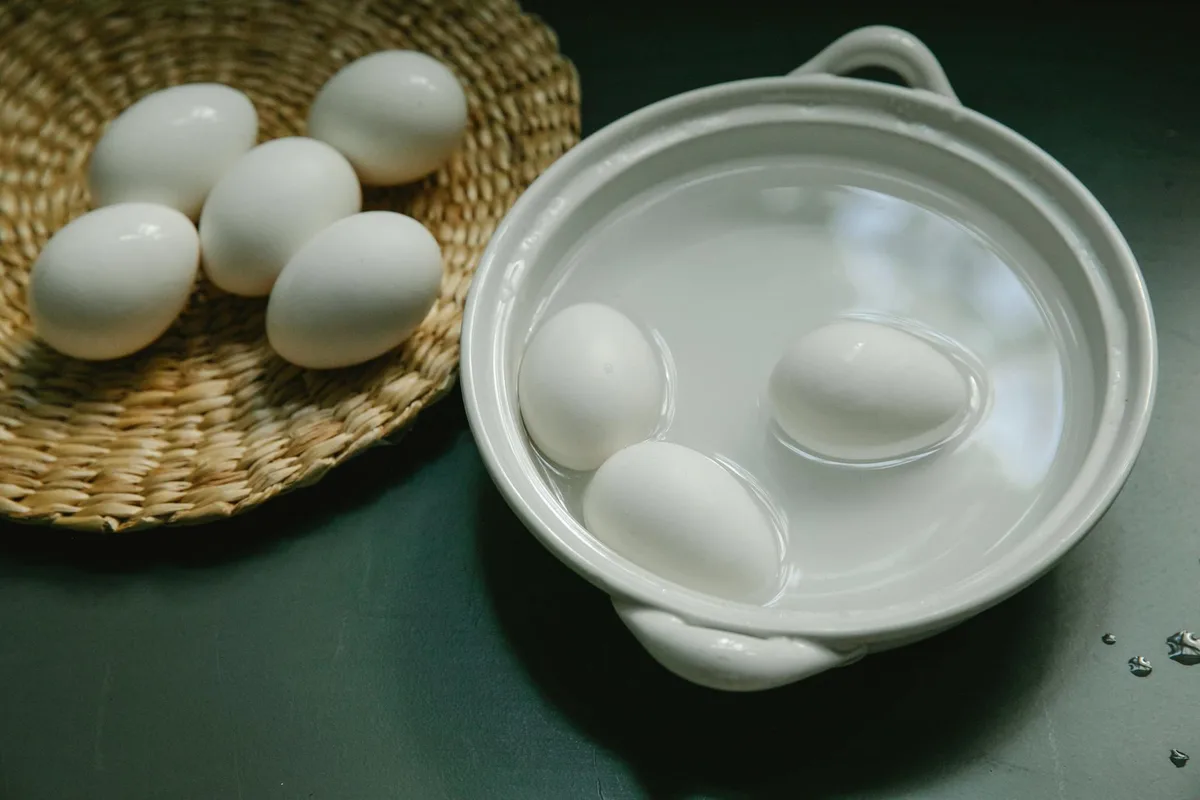
Let the eggs sit in the ice bath for at least 5, 10 minutes. This process is vital for two reasons: it stops the cooking immediately, preventing overcooking, and it helps the egg white contract slightly, making peeling much easier.
Getting the Perfect Yolk: Timing is Everything
The magic truly lies in how you adjust the cooking time based on your personal preference for yolk texture. It’s not just about "hard-boiled"; there's a spectrum of doneness that air frying can achieve.
Firm Yolks: The Classic Hard Boiled
If your idea of a hard-boiled egg is one with a completely solid, deeply yellow yolk, then the 12-minute mark at 270°F is your target. This ensures that the entire egg white is set firmly and the yolk is cooked through. These are perfect for egg salad, deviled eggs, or just snacking on their own. They hold their shape well and offer a satisfying, firm texture.
Jammy Yolks: Creamy and Dreamy
For those who enjoy a yolk that’s soft, creamy, and almost custard-like without being runny, you’ll want to aim for the 9, 10 minute range. This creates what many call a "jammy" yolk, where the outer part is cooked but the center remains rich and luxurious. These are fantastic for topping salads, ramen, or avocado toast. They add a decadent touch to any dish.
Runny Yolks: For Ultimate Sauces
If you’re making eggs for dishes where the yolk acts as a sauce, like on certain pasta dishes or as a base for other flavors, you’ll want to pull them out even earlier. A time of 7, 8 minutes at 270°F will yield an egg with a barely set white and a completely liquid yolk. Be extra careful when peeling these, as they are delicate. They're a gourmet touch for dishes like our Pasta Chicken Peas Recipe.
Common Air Fryer Egg Mistakes to Avoid
Even with a simple process, it's easy to trip up if you're not aware of the common pitfalls. Most problems boil down to just a few simple issues, often related to timing or temperature.
- Ignoring Egg Size: Using the same cooking time for extra-large eggs as you would for medium eggs inevitably leads to undercooked or overcooked results. Always adjust your time slightly based on the size of the eggs you're using.
- Skipping the Ice Bath: This is a big one. Not cooling your eggs properly means they continue to cook in their own residual heat. This can lead to a rubbery texture and makes them much harder to peel.
- Overcrowding the Basket: Piling too many eggs into the air fryer basket prevents adequate air circulation. This can result in uneven cooking, where some eggs are done and others are barely warm.
Tips for Easy Egg Peeling
Peeling hard-boiled eggs can be the bane of many cooks. Thankfully, the air fryer method, combined with a smart cooling technique, makes it significantly easier.
The ice bath, as mentioned, is your number-one tool. It causes the egg white to contract away from the shell membrane. After the cold shock, gently tap the egg all over on a hard surface, like your countertop. Then, try rolling the egg between your hands or on the surface to further loosen the shell.
For best results, start peeling from the wider end of the egg. This is usually where the air pocket is, providing a natural starting point. If you're making them for a dish like our Recipe Chicken Artichoke Hearts Sundried Tomatoes, having perfectly peeled eggs ready to go saves a lot of hassle.
Air Fryer vs. Stovetop Boiling: What's Better?
Both air frying and stovetop boiling are perfectly valid ways to cook hard-boiled eggs. The "better" method really depends on what you prioritize and your specific situation.
When comparing, consider these points:
- Convenience: Air frying is largely hands-off once the eggs are in. You can set it and forget it, whereas stovetop boiling requires monitoring to ensure the water doesn't boil over and you're ready to pull them at the right time.
- Cleanup: An air fryer basket is often easier to clean than a pot that's been used for boiling. Less scrubbing is always a win.
- Batch Size: If you need to make a very large quantity of eggs, like for a big potluck, stovetop boiling might be more efficient as you can cook more eggs at once in a single pot. For smaller, everyday batches, the air fryer shines.
- Energy Use: For just a few eggs, the air fryer might use less energy than heating up a large pot of water on the stove.
When Is Air Frying Best for Eggs?
Air frying eggs is particularly well-suited for certain scenarios and for particular types of cooks. If any of these sound like you, this method is likely a great fit.
Are you someone who loves simple, efficient cooking? Then air frying is for you. It's ideal for preparing a few eggs for breakfast or snacks without much fuss. If you're looking for a recipe for High Protein Vegetarian Air Fryer Recipes For Weight Loss, making the eggs in the air fryer keeps the process streamlined.
It’s also fantastic if you're pressed for time or find stovetop cooking a bit stressful. The consistent results mean you can rely on it for meal prepping, ensuring you always have perfectly cooked eggs ready for salads or lunches.
Safety First: Handling Hot Eggs
While air frying eggs is generally safe, it's always wise to be mindful of a few safety considerations, especially when dealing with hot appliances and food. Always exercise caution when removing eggs from the air fryer, as they will be very hot.
Use sturdy tongs to grip the eggs; never try to grab them with your bare hands. Make sure there's nothing flammable near your air fryer while it's in operation. Ensure your air fryer is on a stable, heat-resistant surface. If you’re ever unsure about your specific appliance, consult its user manual for detailed safety guidelines, especially regarding recommended cooking temperatures and times.
When Is Air Frying Best for Eggs?
Air frying eggs is particularly well-suited for certain scenarios and for particular types of cooks. If any of these sound like you, this method is likely a great fit.
Are you someone who loves simple, efficient cooking? Then air frying is for you. It's ideal for preparing a few eggs for breakfast or snacks without much fuss. If you're looking for a recipe for High Protein Vegetarian Air Fryer Recipes For Weight Loss, making the eggs in the air fryer keeps the process streamlined.
It’s also fantastic if you're pressed for time or find stovetop cooking a bit stressful. The consistent results mean you can rely on it for meal prepping, ensuring you always have perfectly cooked eggs ready for salads or lunches.
Safety First: Handling Hot Eggs
While air frying eggs is generally safe, it's always wise to be mindful of a few safety considerations, especially when dealing with hot appliances and food. Always exercise caution when removing eggs from the air fryer, as they will be very hot.
Use sturdy tongs to grip the eggs; never try to grab them with your bare hands. Make sure there's nothing flammable near your air fryer while it's in operation. Ensure your air fryer is on a stable, heat-resistant surface. If you’re ever unsure about your specific appliance, consult its user manual for detailed safety guidelines, especially regarding recommended cooking temperatures and times.
Expert Tips for Air Fryer Eggs
To elevate your air-fried egg game from good to great, consider these expert-backed tips. They can help you fine-tune the process and overcome common challenges.
- Adjust for Altitude: If you live at a high altitude, water boils at a lower temperature. This might mean you need to slightly increase your cooking time by a minute or two to achieve the same level of doneness.
- Don't Guess, Use a Timer: Precision is key. Relying on your air fryer's built-in timer (or a separate kitchen timer) ensures you hit those sweet spots for yolk consistency. Trying to "eyeball" the time often leads to over or undercooking.
- Experiment with Water: While optional, adding a little water can help. Some find it improves peelability, while others notice no difference. It's worth trying a tablespoon in the basket to see if it works for your appliance and your eggs.
Frequently Asked Questions About Air Fryer Eggs
How long does it take to cook eggs in an air fryer?
The cooking time typically ranges from 7 to 12 minutes, depending on the size of the egg and whether you prefer a runny, jammy, or fully firm yolk. For large eggs with a firm yolk, 12 minutes at 270°F (130°C) is a common starting point.
Can I cook more than six eggs at a time?
Most standard air fryer baskets can comfortably hold about 6-8 large eggs without overcrowding. If you need to cook more, you may need to do it in batches to ensure even cooking. Overcrowding will lead to unevenly cooked eggs.
Why are my air fryer eggs hard to peel?
This usually happens when the eggs are too fresh, or if they weren't cooled properly in an ice bath. The ice bath helps the egg white contract from the shell. Older eggs (about a week old) often peel more easily than super fresh ones.
Final Verdict: Air Fryer Eggs Are a Great Choice
So, can you make hard-boiled eggs in the air fryer? Absolutely. It's a convenient, efficient, and surprisingly reliable method that often results in perfectly cooked eggs with minimal fuss. Once you nail down the timing for your preferred yolk consistency, you’ll find yourself reaching for your air fryer for eggs more often than not.
