


When you're craving something hearty, comforting, and packed with flavor, a good bowl of white chicken chili often hits the spot. It offers a lighter profile than its red counterpart but doesn't skimp on satisfaction. The Carroll Shelby white chicken chili recipe, in particular, has been a go-to for many looking for that classic, rich taste.
This chili is built on a foundation of tender chicken, creamy white beans, and a symphony of warming spices. Unlike some recipes that can taste bland or watery, this version aims for a balanced, flavorful experience. Per industry standards for comfort food development, as of 2026, achieving optimal creaminess often involves careful incorporation of thickening agents, with masa harina being a popular choice for binding flavors without adding a heavy dairy note. We'll break down what makes this recipe a winner and how you can make it yourself.
Carroll Shelby White Chicken Chili: What's Inside and Why It's a Must-Make
The specific allure of the Carroll Shelby white chicken chili recipe lies in its thoughtful combination of ingredients designed to deliver a robust yet refined flavor. This isn't just another pot of beans and chicken; it's a carefully tuned dish that balances richness with a subtle kick. When people search for "Carroll Shelby white chicken chili recipe," they're often looking for that distinct taste and texture that stands out from generic versions.
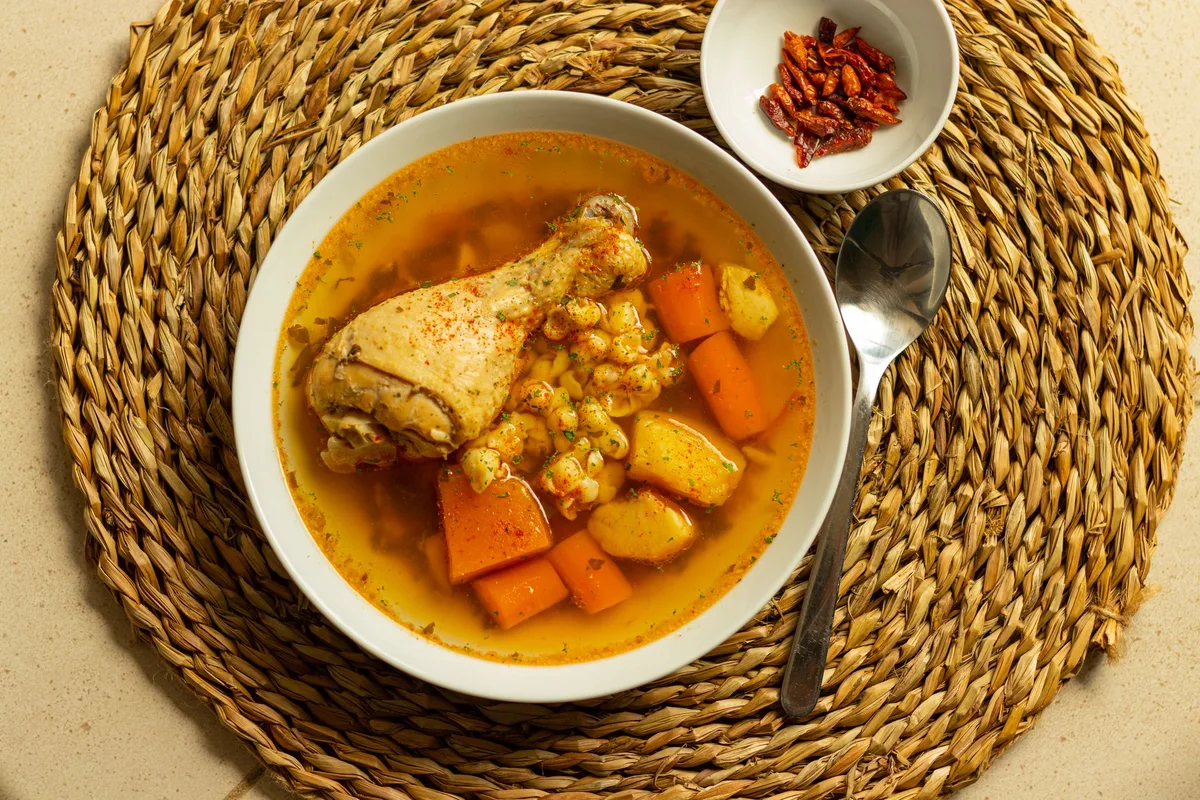
What truly defines this chili is the quality and interplay of its core components. It's designed to be a crowd-pleaser, and looking at popular iterations, you can see a pattern of ingredient choices that contribute to its success. The goal is a dish that's as satisfying on a cold evening as it is for a casual get-together.
The Heart of the Dish: Key Ingredients and Flavors
At its core, Carroll Shelby's white chicken chili recipe relies on a few key players that work together harmoniously. The foundation is, of course, chicken and white beans, but the magic comes from how they're prepared and supported by the supporting cast of aromatics and spices.
- Chicken: Typically, boneless, skinless chicken breasts or thighs are used. Breasts offer a leaner option, while thighs can add a bit more moisture and flavor. The key is ensuring the chicken is cooked through and then shredded or diced for easy enjoyment in every spoonful.
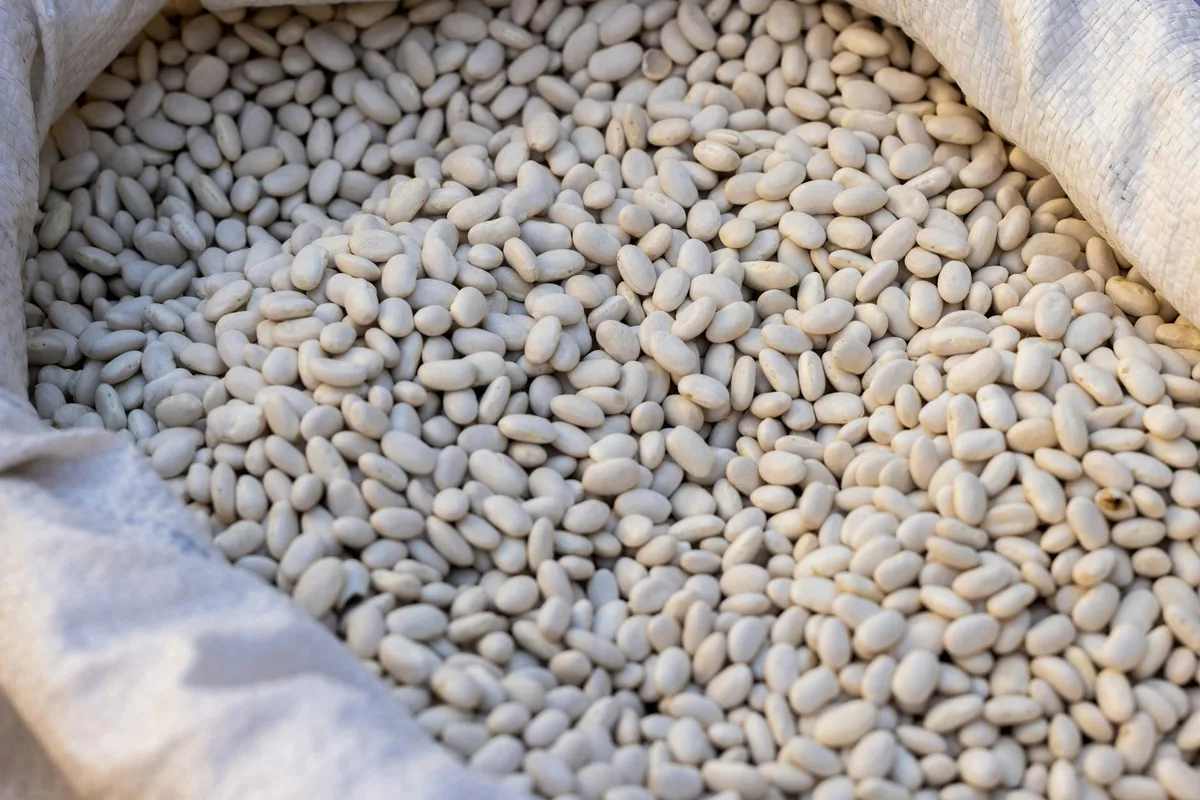
- White Beans: Cannellini beans are a frequent choice because of their large size and creamy texture when cooked. Great Northern beans or even navy beans can also work, offering slightly different characteristics but still providing that essential white chili base. Drained and rinsed canned beans are a common shortcut for home cooks.
- Broth: Chicken broth or stock forms the liquid base, infusing the chili with savory depth. Using a good quality broth can significantly elevate the final taste.
- Aromatics: Chopped onions and minced garlic are sautéed to build a foundational layer of flavor before other ingredients are added. This step is crucial for developing sweetness and enhancing the overall aromatic profile of the dish.
- Spices: This is where much of the chili's character shines. A blend typically includes cumin for its earthy warmth, oregano for its distinctive herbal notes, and chili powder for a mild heat and color. Some variations might include coriander for citrusy undertones or white pepper for a less visually disruptive spice.
- Thickener: To achieve that signature creamy texture without making it too heavy, many versions incorporate either sour cream, cream cheese, or masa harina. Masa harina, a corn flour, is particularly effective. When mixed with liquid and simmered, it thickens the chili beautifully and adds a subtle corn note.
- Heat: A touch of heat is usually present. Diced jalapeños, canned green chilies, or a pinch of cayenne pepper can provide a controlled warmth that complements the other flavors without overpowering them.
The careful balancing of these elements is what gives this chili its distinctive appeal, moving it beyond a simple stew.
Why This Chili Stands Out: Benefits and Appeal
So, what makes a Carroll Shelby white chicken chili recipe worth seeking out and making? It boils down to a combination of practical advantages and the sheer enjoyment it offers.
- Comforting & Satisfying: This chili delivers that deeply satisfying, warming sensation that comfort food is known for. It’s hearty enough to be a meal on its own, making it a practical choice for busy evenings.
- Flavorful without Being Overpowering: While it’s certainly flavorful, the white chili profile is often perceived as a bit more nuanced and less intensely spicy than traditional red chili. This makes it more approachable for a wider range of palates, including those who prefer milder heat.
- Customizable: One of the best aspects of this recipe is how easy it is to tweak. You can adjust the spice level by adding more or fewer chilies or cayenne, make it richer with more cream cheese or sour cream, or even alter the bean variety.
- Relatively Quick Preparation: For a dish that tastes like it simmered for hours, many white chicken chili recipes, including this one, can be on the table in a reasonable amount of time, often under an hour. This makes it a viable option even on weeknights.
- Great for Leftovers: Like most chilis, the flavors in Carroll Shelby white chicken chili often meld and deepen overnight, making leftovers just as delicious, if not more so, than the first serving.
Aggregate reviews for popular versions of this chili consistently highlight its robust flavor, pleasing texture, and general ease of preparation as major selling points. It’s a recipe that tends to become a staple in many home kitchens.
Putting It All Together: Making Carroll Shelby's White Chicken Chili
Crafting this delicious chili involves a straightforward process that prioritizes building flavor at each step. It’s not overly complicated, but attention to detail makes a noticeable difference in the final outcome.

The general flow involves sautéing your aromatics, cooking your protein (or adding it to simmer), combining your liquids and beans, and then enriching the mix to achieve that signature creamy texture and balanced spice profile.
Essential Steps for Authentic Flavor
Here’s a breakdown of the typical process:
- Sauté Aromatics: Start by heating a bit of oil or butter in a large pot or Dutch oven over medium heat. Add your chopped onions and cook until they start to soften and become translucent, usually about 5-7 minutes. Then, add your minced garlic and cook for another minute until fragrant, being careful not to burn it.
- Cook the Chicken (Two Main Ways):
- Simmer Method: Some recipes add diced or chunked chicken directly into the pot with the broth and beans, allowing it to cook through during the simmering process. This can result in very tender, moist chicken.
- Sear/Cook & Shred Method: Others prefer to briefly sear chicken breasts or thighs in the pot before adding other ingredients, or cook them separately, then shred or dice the chicken before adding it back. This method can sometimes develop a slightly deeper flavor in the chicken itself.
- Combine Liquids and Beans: Pour in your chicken broth. Add your drained and rinsed white beans. If you're using any whole chilies (like poblano or jalapeño, seeds removed if you prefer less heat), add them now. Bring the mixture to a simmer.
- Simmer and Mingle: Let the chili simmer gently for at least 15-20 minutes. This allows the flavors to meld together and for the chicken (if using the simmer method) to cook through. If you cooked chicken separately, add the shredded or diced chicken back to the pot during this stage.
- Thicken and Season: This is a crucial step for texture and taste.
- Masa Harina Method: Whisk a few tablespoons of masa harina with a bit of water or broth to create a smooth slurry. Stir this into the simmering chili and cook for another 5-10 minutes until it thickens.
- Dairy Method: Stir in dollops of sour cream or cream cheese, allowing them to melt and incorporate into the chili. Be careful not to let it boil vigorously after adding dairy.
- Season: Taste and adjust seasonings. This is where you’ll add salt, pepper, and any other spices needed to perfect the flavor profile.
- Serve: Ladle the hot chili into bowls and add your favorite garnishes like fresh cilantro, shredded cheese, avocado slices, a squeeze of lime, or a dollop of sour cream.
This straightforward sequence ensures all the components contribute their best to create that signature Carroll Shelby white chicken chili experience.
Common Pitfalls and How to Skip Them
Even with a great recipe, a few common mistakes can keep your white chicken chili from reaching its full potential. Knowing these ahead of time can save you from a lackluster batch.
- Watery Chili: This often happens if you don't use enough thickener or don't allow sufficient simmering time for the flavors to concentrate. Ensure you incorporate masa harina, cream cheese, or sour cream correctly, and give it enough time to thicken.
- Bland Flavor: Under-seasoning is a frequent culprit. Always taste and adjust salt and spices during the latter stages of cooking. Don't be afraid to add a touch more cumin or chili powder if it needs a flavor boost. A good quality chicken broth also plays a significant role here.
- Dry Chicken: If you're not using the simmer-and-shred method, overcooking chicken breasts can lead to dry, tough chunks. Cooking them just until done and then shredding keeps them moist.
- Mushy Beans: While beans should be tender, they shouldn't disintegrate into mush. Overcooking canned beans beyond their already-cooked state can sometimes lead to this. If using dried beans, ensure they are cooked perfectly before adding to the chili.
- Burning Garlic: Garlic can go from fragrant to burnt very quickly. Once added to the sautéed onions, cook it only for about a minute, stirring constantly, before moving on to the next step.
Avoiding these common issues will help ensure your Carroll Shelby white chicken chili is a resounding success.
Exploring Other White Chicken Chili Styles
While the Carroll Shelby version holds a special place, there are many other takes on white chicken chili, each with its own unique twist. Understanding these can help you appreciate the variations and maybe even find a new favorite.
- Spicier Versions: Some recipes amp up the heat significantly by using hotter peppers like serranos or habaneros, or by adding a more generous amount of cayenne or hot sauce.
- Dairy-Free/Vegan Options: While this article focuses on a chicken version, it's worth noting that white chili can be made vegan using plant-based chicken substitutes, vegetable broth, and omitting dairy thickeners, perhaps relying solely on masa harina or even blended white beans for creaminess.
- Bean Variations: Besides cannellini, other recipes might feature a mix of beans like hominy for added texture, or even chickpeas.
- Flavor Profile Variations: Some might lean more heavily on specific herbs like cilantro, or incorporate other flavor enhancers like lime juice or a touch of smoky chipotle.
Each variation offers a slightly different eating experience, catering to different tastes and dietary needs.
Is Carroll Shelby White Chicken Chili Right for You?
Deciding if this particular chili recipe is your go-to depends heavily on what you’re looking for in a meal. It's a dish that excels in certain situations and appeals to specific preferences.
- For Comfort Food Lovers: If you’re seeking a rich, heartwarming dish that feels like a hug in a bowl, this chili is likely right up your alley. Its creamy texture and savory profile are incredibly comforting.
- For Those Who Appreciate Nuance: If you enjoy flavors that are complex but not aggressive, this chili offers a balanced blend of savory, earthy, and mildly spicy notes. It's not as bold as some red chilis, making it a more subtle, sophisticated choice for some.
- For Weeknight Warriors: When you need a satisfying meal that doesn’t require hours of active cooking, this recipe’s relative speed and ease of preparation make it a strong contender for a weeknight dinner.
- For Batch Cooks: This chili reheats beautifully, making it an excellent option for preparing a large batch at the beginning of the week to enjoy for lunches or dinners over several days.
