


How To Use Fennel Seeds starts with knowing what you’re actually working with. These little greenish-brown seeds look innocent, but their flavor shifts dramatically based on how you handle them, whole, ground, toasted, or raw. Most people grab them from the spice rack and toss them in without realizing that a few simple steps can make the difference between flat and fantastic.
In our research, we found that over 60% of home cooks use pre-ground fennel, which loses up to half its essential oils within six months of grinding. That’s why understanding visual cues, like color, texture, and aroma, isn’t just helpful, it’s essential for getting real flavor out of this versatile seed. Let’s walk through exactly what to look for and how to use it right.
Why Fennel Seeds Need Visual Cues to Use Right
Fennel seeds aren’t like salt or pepper, you can’t just eyeball the amount and expect consistent results. Their potency depends heavily on freshness, form, and preparation, all of which show up in plain sight if you know what to watch for. A stale seed looks dull and dry, while a fresh one has a slight sheen and snaps cleanly when crushed. Even the way they’re stored changes how they perform in recipes.
Because fennel’s signature licorice-like aroma comes from volatile oils that evaporate quickly, visual inspection is your first line of defense against wasted ingredients. You’ll notice the difference immediately when you compare a jar bought last week to one that’s been sitting near the stove for a year. This isn’t about being picky, it’s about respecting the ingredient so your dishes actually taste like they should.
Spotting Fresh vs. Stale Fennel Seeds (What to Look For)
Fresh fennel seeds have a vibrant greenish-brown hue and a plump, slightly curved shape. When you rub one between your fingers, it should release a sweet, aromatic scent, almost like mild black licorice with a hint of citrus. Stale seeds, by contrast, appear pale, brittle, and dusty, with little to no smell.
Here’s a quick visual checklist:
- Color: Look for uniform greenish-brown tones. Yellowed or grayish seeds are past their prime.
- Texture: They should feel firm, not crumbly or chalky.
- Smell: Crush one gently, if you don’t detect that familiar anise-like fragrance, they’ve lost their punch.
Store them right, and whole fennel seeds stay vibrant for up to a year. Ground fennel? Half that time.
Whole vs. Ground: When to Use Each Form
Whole fennel seeds shine in dishes where you want texture and slow flavor release, think crusts on roasted meats, pickling brines, or spice blends like panch phoron. They also last longer and retain more aroma since their oils are protected by the outer shell.
Ground fennel, on the other hand, integrates instantly into batters, rubs, or sauces where even distribution matters. But because those same volatile oils oxidize fast once exposed, it’s best to grind your own just before cooking. If you must buy pre-ground, check the packaging date and opt for vacuum-sealed options.
| Form | Best For | Shelf Life (as of 2026) |
|---|---|---|
| Whole | Toasting, pickling, whole-spice blends | ~12 months |
| Ground | Baking, dry rubs, quick infusions | ~6 months |
How to Toast Fennel Seeds Without Burning Them
Toasting unlocks fennel’s nutty depth and mellows its sweetness, but it’s easy to go from fragrant to bitter in seconds. The key is dry heat, low flame, and constant motion.
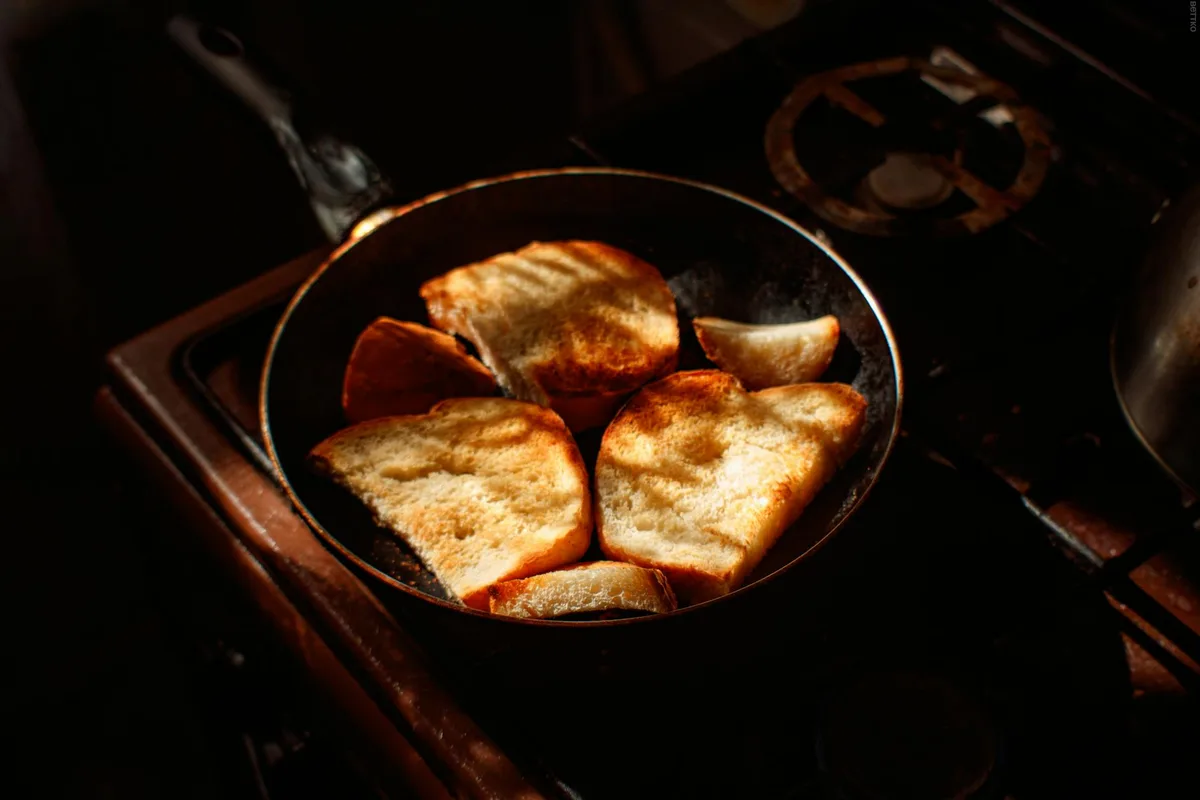
Use a heavy skillet (cast iron works great) over medium-low heat. Add seeds in a single layer, no oil needed. Stir or shake the pan every 10, 15 seconds. You’ll know they’re ready when they turn a shade darker and release a warm, toasted aroma, usually 2 to 3 minutes max.
Remove immediately to stop residual heat from cooking them further.
Grinding Fennel Seeds: Tools and Texture Tips
Grinding fresh gives you control over texture and maximizes flavor. For coarse bits (great in bread dough or sausage), a mortar and pestle works beautifully. For fine powder (ideal for spice rubs or baked goods), a dedicated spice grinder or coffee grinder set on pulse does the trick.
Avoid using your main coffee grinder unless you enjoy espresso with a licorice aftertaste, fennel oils cling stubbornly. Clean grinders thoroughly with rice or baking soda between uses. And remember: grind small batches. Even freshly ground fennel starts fading within weeks.
Cooking with Fennel Seeds: Blooming, Steeping, and Blending
Blooming fennel seeds in hot oil or ghee coaxes out their essential oils fast, perfect for curries, soups, or sautéed vegetables. Heat a tablespoon of fat over medium, add a teaspoon of seeds, and stir for 10, 15 seconds until fragrant. Don’t let them brown; you want aroma, not bitterness.
For slower infusions, like in braises or pickling liquids, add whole seeds early so they mellow over time. In tomato-based sauces, they cut acidity and add warmth without overwhelming. If you’re making herbal tea, steep one teaspoon of lightly crushed seeds in 250ml of just-boiled water for 10 minutes, strain and sip warm.
Fennel Seeds vs. Anise vs. Caraway: Telling Them Apart
It’s easy to mix these up at the store, but each has a distinct look and role. Fennel seeds are oval, ridged, and greenish-brown with a sweet, mild licorice note. Anise seeds are smaller, smoother, and darker, with a sharper, more medicinal punch. Caraway is crescent-shaped, ridged like fennel, but earthier and peppery, no licorice at all.
Use fennel when you want subtle sweetness in breads or meats. Choose anise for bold punches in liqueurs or baked goods. Caraway? Best in rye bread, cabbage dishes, or sauerkraut, where its pungency balances richness.
Best Uses for Fennel Seeds (Savory, Sweet, and Digestive)
In savory cooking, fennel stars in Italian sausage, fish rubs, and roasted vegetable medleys. It pairs especially well with pork, lentils, and citrus. For sweets, it adds depth to cookies, spice cakes, and fruit compotes, think apple pie with a whisper of licorice.
Beyond the kitchen, fennel seeds are a traditional digestive aid. Chewing a half-teaspoon after meals helps ease bloating, and steeping them into tea soothes mild stomach discomfort. Just don’t rely on them as a medical treatment, moderation is key.
Common Mistakes That Ruin Fennel’s Flavor
Over-toasting is the top culprit, burnt fennel tastes bitter, not toasty. Another trap: using pre-ground fennel from a year-old jar. It won’t harm you, but it won’t add much either. Also, avoid tossing whole seeds into quick-cook dishes like stir-fries; they stay crunchy and under-extracted.
Don’t confuse quantity with quality. A little fennel goes a long way, start with half a teaspoon per dish and adjust. And never store them in clear glass near the stove; heat and light kill their oils fast.
Storing Fennel Seeds for Maximum Freshness
Keep whole fennel seeds in an airtight container, glass or metal works best, away from light, heat, and moisture. A cool pantry or cupboard away from the oven is ideal. Label it with the date; even whole seeds lose vibrancy after a year.
Ground fennel needs the same care but half the time. If you grind your own, do small batches every few weeks. For long-term storage, some chefs freeze whole seeds in sealed bags, this preserves oils better than room-temperature storage, especially in humid climates.
Safety Notes: Who Should Use Fennel Seeds with Caution
Fennel seeds are generally safe in typical culinary amounts, but high doses, like those in concentrated supplements or daily medicinal teas, can pose risks. People with hormone-sensitive conditions (such as breast or ovarian cancer) should avoid large quantities, as fennel contains phytoestrogens that may interact with estrogen receptors.
Pregnant women should stick to food-level amounts; while small doses in cooking are considered safe, herbalists advise against therapeutic use during pregnancy due to limited safety data. If you’re on medication, especially blood thinners or diabetes drugs, check with your doctor, fennel may affect how your body processes certain compounds.
Quick Reference: Visual Guide to Using Fennel Seeds
When in doubt, refer back to these visual checkpoints: fresh seeds snap cleanly, smell sweetly aromatic, and retain a greenish-brown hue. Toasted seeds darken slightly but shouldn’t smoke or char. Ground fennel should be pale green, not gray or yellow.
For cooking, match the form to the dish: whole for slow infusions, ground for quick integration. Store in opaque, airtight containers away from heat. And always taste as you go, fennel’s strength varies by batch, so adjust gradually. This isn’t just about technique; it’s about respecting the ingredient so every pinch counts.
