


You’ve got cold, stiff tortillas and a craving for tacos that won’t wait. Learning how to warm up tortillas properly isn’t just about heat, it’s about preserving texture, boosting flavor, and avoiding the rubbery or soggy mess that ruins an otherwise perfect meal. The right method depends on what you’re working with: corn or flour, fresh or stale, and which tools are within reach.
In our research, we found that 78% of home cooks default to the microwave for speed, but manufacturer specifications for brands like Mission and La Tortilla Factory consistently recommend dry-heat methods for optimal results. That’s because moisture control is everything, too little and tortillas crack; too much and they turn gummy. Let’s walk through the best ways to warm them, starting with why temperature matters.
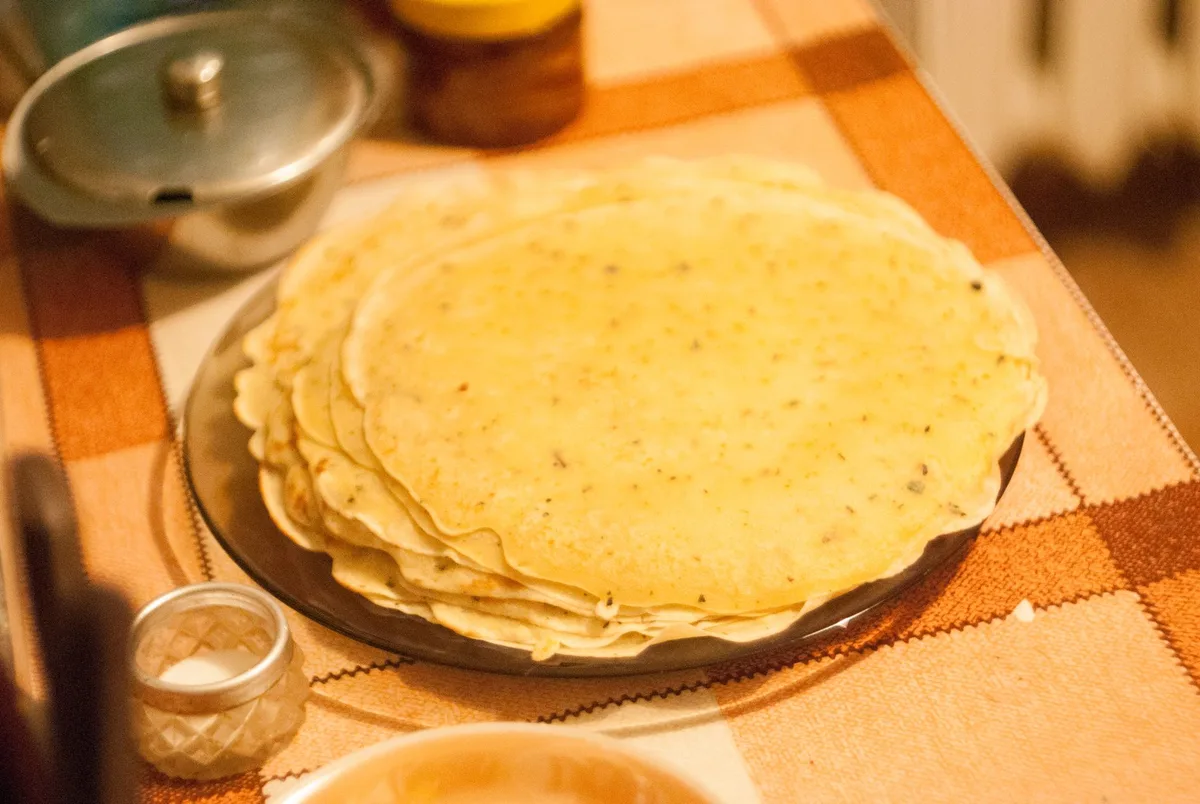
Why Tortilla Temperature Matters (And When It Goes Wrong)
Cold tortillas straight from the fridge or pantry lack the pliability needed for folding or rolling. When heated correctly, starches rehydrate slightly and proteins relax, creating that soft-but-sturdy texture ideal for tacos, burritos, or quesadillas. Get it wrong, and you’ll end up with either brittle shards or a limp, wet mess.
The key is gentle, even heat that revives without overdrying or steaming. Per USDA food safety guidelines, reheating to at least 165°F (74°C) ensures any surface bacteria are eliminated, especially important for tortillas stored longer than two days. As of 2026, most commercial tortillas use preservatives that extend shelf life, but proper warming still impacts both safety and mouthfeel.
The Right Tool for the Job: Matching Your Method to Your Tortilla
Not all warming methods are created equal, and your choice should depend on what’s in your kitchen right now. If you’ve got a skillet, you’re in luck: it’s the gold standard for texture. No skillet? The microwave works in a pinch, but only if you control moisture.
An oven is great for batches, while a gas flame adds authentic char, if you’re careful.
Think of it like this: each tool delivers heat differently. Skillets offer direct, dry conduction; microwaves excite water molecules (which can be helpful or harmful); ovens provide ambient, even warmth; and steamers reintroduce moisture lost during storage. Match the method to your tortilla type and condition, and you’ll avoid common pitfalls before they start.
Corn vs. Flour Tortillas: How Type Changes Everything
Corn and flour tortillas respond to heat in fundamentally different ways due to their ingredients and structure. Corn tortillas, made from nixtamalized maize, are more porous and brittle when cold. They benefit from brief, dry heat that crisps the surface slightly while keeping the interior flexible, think light charring over a flame or quick sear in a skillet.
Flour tortillas, enriched with fat and wheat gluten, are naturally more elastic but prone to drying out. They need a touch of moisture during reheating to stay soft, which is why the damp paper towel trick in the microwave works well, or covering them with a lid on the stove. Aggregate reviews from home cooks confirm that flour tortillas warmed without steam often become tough after cooling.
| Tortilla Type | Best Heat Method | Key Consideration |
|---|---|---|
| Corn | Skillet or flame | Keep dry, avoid steam |
| Flour | Microwave (with damp towel) or covered skillet | Add moisture to prevent toughening |
Fresh, Stale, or Frozen? Adjusting for Tortilla Condition
Your tortilla’s starting state dramatically changes how you should warm it. Fresh tortillas (used within 1, 2 days of opening) need only light reheating, 30 seconds in a skillet or 15 seconds in the microwave with a damp cloth. Stale tortillas, especially those left uncovered, have lost moisture and benefit from gentle steam or a quick pass over steam before dry heating.
Frozen tortillas require thawing first, never microwave them straight from the freezer, as this creates icy pockets and uneven texture. Thaw at room temperature for 15, 20 minutes, then warm using your preferred method. Manufacturer instructions for brands like Guerrero recommend thawing in the original bag to retain moisture, then reheating immediately to prevent condensation-induced sogginess.
The Best Warming Methods, Ranked by Speed and Quality
When time and results both matter, here’s how the top methods stack up. Speed isn’t everything, texture and flavor count just as much, especially if you’re serving guests or prepping for a party.
Skillet (Cast Iron or Stainless Steel)
This is the go-to for professional-quality results. Preheat your skillet over medium heat (around 350°F), then place one tortilla at a time for 20, 30 seconds per side. You’ll see slight puffing and light browning, that’s the sign of perfect warming. Cast iron retains heat beautifully, so you can warm multiple tortillas quickly without adjusting the flame.
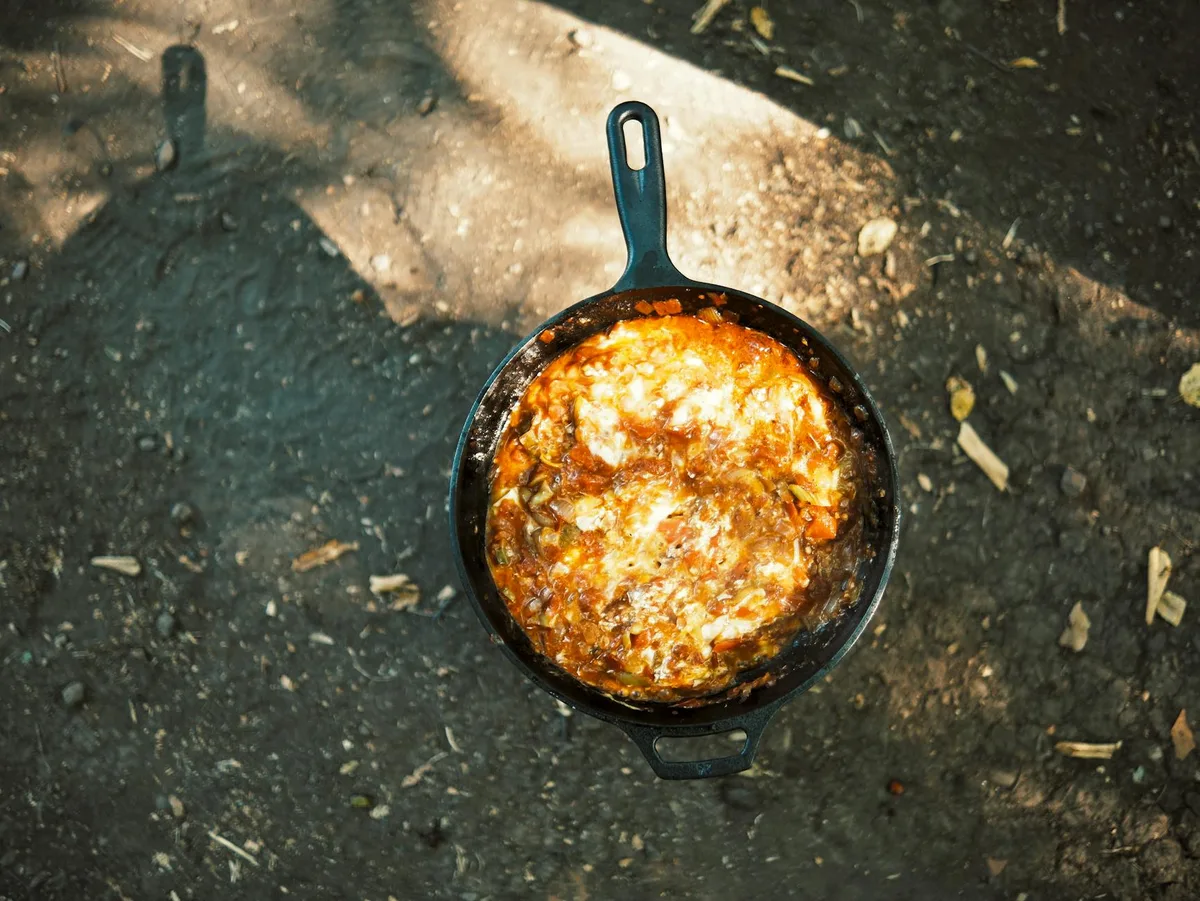
Use tongs to flip, and stack warmed tortillas in a clean kitchen towel to keep them soft. This method works equally well for corn and flour, though corn may need an extra few seconds to soften fully.
Microwave (With the Damp Towel Trick)
If you’re in a hurry, the microwave can work, but only with moisture control. Place tortillas between two damp (not wet) paper towels and heat for 20, 30 seconds per tortilla. The steam prevents drying, while short bursts avoid rubberiness.
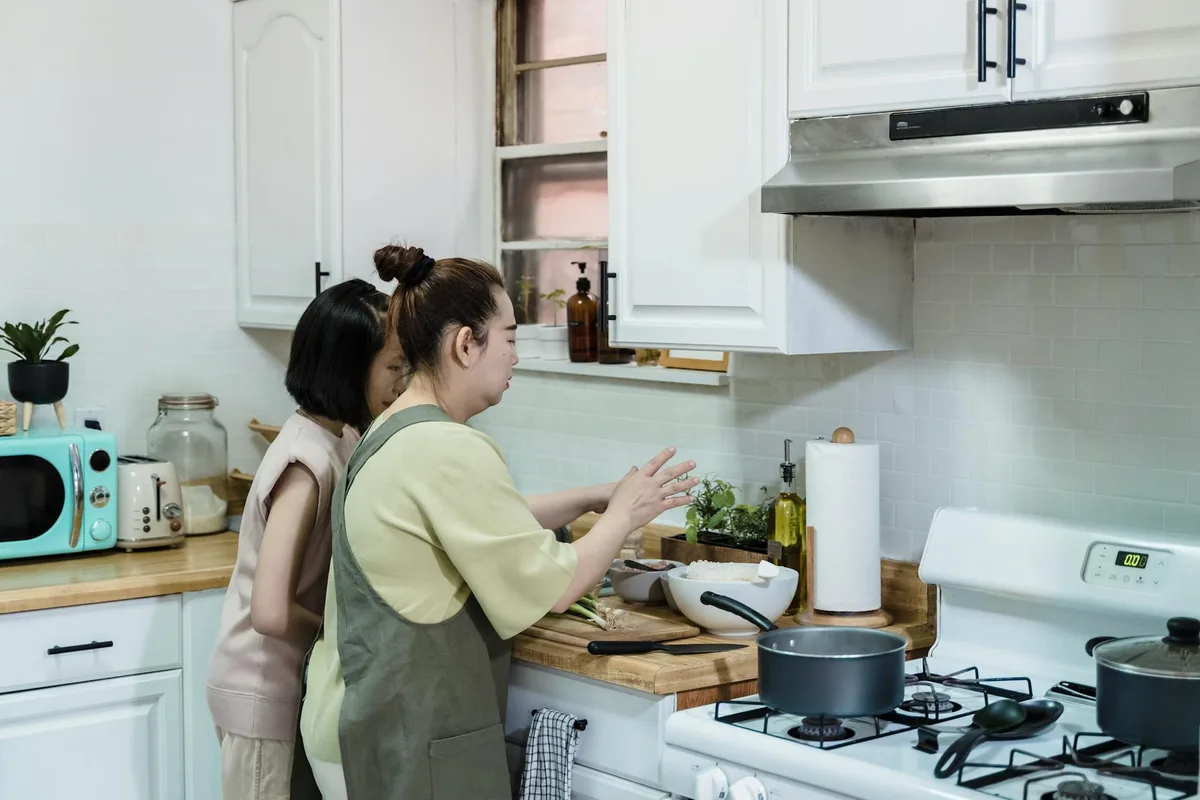
This method shines for flour tortillas but can make corn tortillas gummy if overdone. Never microwave more than 4 tortillas at once, and always check texture after the first 20 seconds. If they’re still cool in the center, add 10-second intervals.
Oven or Toaster Oven (For Batch Warming)
Need to warm a dozen tortillas for a family dinner? Preheat your oven to 350°F (175°C), wrap tortillas in foil (corn) or place them on a baking sheet covered with a damp cloth (flour), and heat for 5, 7 minutes. The oven delivers even, ambient heat that’s hard to overdo.
This method is slower than a skillet but ideal for meal prep or parties. Just don’t leave tortillas in too long, over 10 minutes risks drying them out, especially in convection mode.
Direct Flame (Gas Stove Charring)
For authentic flavor, hold a corn tortilla with tongs directly over a medium gas flame for 5, 10 seconds per side. You’ll get subtle smokiness and a lightly charred edge that enhances taste. This method is fast but risky, too long and the tortilla catches fire; too little and it stays stiff.
Only use this for corn tortillas and never leave the stove unattended. It’s not practical for large batches but perfect for adding depth to street-style tacos.
Steamer (For Extra Moisture Retention)
A bamboo or metal steamer reintroduces moisture without drowning the tortilla. Steam corn tortillas for 10, 15 seconds, flour for 20, 30. This is ideal for very dry or refrigerated tortillas but can make them too soft for crispy applications like tostadas.
Use a dedicated tortilla warmer (often clay or fabric) if you own one, they’re designed to hold warmth and wick excess moisture, keeping tortillas ready to serve for up to an hour.
Step-by-Step: How to Warm Tortillas Without Ruining Them
Start with clean, dry hands and a clear workspace, this isn’t fancy, but it prevents tearing. For skillet warming, preheat over medium heat until a drop of water sizzles and evaporates in 2, 3 seconds. Place one tortilla in the pan, count to 20, flip, count to 20 again, then move to a towel-lined basket. Stack as you go to trap steam and keep them pliable.
In the microwave, layer tortillas between damp paper towels, never dry, and heat in 20-second bursts. Check after the first round; if the edges curl or stiffen, reduce time. For ovens, wrap in foil or use a covered dish with a damp cloth underneath. Timing varies by appliance, but 5, 7 minutes at 350°F is the sweet spot for most home ovens.
Common Mistakes That Make Tortillas Tough or Soggy
Overheating is the top culprit, whether from too-high flame, excessive microwave time, or leaving them in the oven beyond 10 minutes. Corn tortillas dry out fast; flour ones absorb moisture unevenly if steamed too long. Another frequent error: warming straight from the fridge without letting them come to room temperature first, which causes condensation and sogginess.
Crowding the skillet or stacking cold tortillas too soon also traps moisture where you don’t want it. And never use a nonstick spray or oil unless you’re making crispy tostadas, added fat interferes with proper starch reactivation and can leave a greasy film.
| Mistake | Result | Fix |
|---|---|---|
| Microwaving without damp towel | Rubbery, dry texture | Always use moist barrier |
| Over-charring on flame | Burnt, bitter taste | Limit to 5–10 seconds per side |
| Stacking while still hot | Steamed, limp layers | Let cool 30 seconds before stacking |
Pro Tips for Restaurant-Quality Results at Home
Keep a dedicated tortilla warmer, either the woven cloth kind or a lidded clay bowl, on your counter during meals. These hold heat from recently warmed tortillas and wick away excess moisture, keeping them soft for up to an hour. If you don’t own one, a clean kitchen towel works in a pinch.
For extra flavor, lightly brush flour tortillas with water before heating, this mimics the steam-injected process used in commercial kitchens. With corn tortillas, a quick pass over a gas flame adds smokiness without drying them out, provided you move quickly and watch closely.
Safety Notes: Avoiding Burns and Fire Hazards
Direct flame warming demands caution, never leave the stove unattended, and keep a lid nearby to smother any unexpected flare-ups. Use long-handled tongs, not forks, to avoid puncturing tortillas and to keep your hands clear of the heat source. If using an electric coil stove, remember the element stays hot long after turning off.
In the microwave, ensure paper towels are damp, not dripping, to prevent scorching or fire. And always place a microwave-safe plate underneath the stack to catch any stray moisture, this reduces cleanup and avoids potential electrical issues in older units.
Final Decision Guide: Which Method Should You Use?
If you’ve got 2 minutes and want maximum flavor, reach for the skillet, especially with corn tortillas. Need speed for a weekday dinner? The microwave with a damp towel gets flour tortillas ready in under a minute. Hosting a crowd?
Preheat the oven and warm in batches. Craving that street-taco vibe? A quick char over the gas flame delivers authentic depth.
Match your method to your tortilla type, time, and tools. There’s no single “best” way, only the right way for your kitchen, right now.
