


How To Zest A Lemon is a simple skill that adds a surprising burst of fresh citrus flavor to your cooking, baking, and cocktails. But without the right method, you might end up with bitter white pith in your zest, or waste the juicy fruit inside. Getting the technique right means knowing your tools and how to use them effectively.
Aggregate user reviews and manufacturer specifications indicate that a typical lemon yields roughly one tablespoon of zest, enough to brighten many recipes as of 2026. The zest itself is the thin, colorful outer layer of the lemon peel, containing fragrant oils that make it so valuable. Understanding how to extract just this layer will help you decide which zesting approach best fits your routine.
Why Choosing the Right Zesting Method Matters for Your Lemon Recipes
Getting lemon zest right is about more than just looking nice. Fresh zest releases essential oils that enhance aroma and flavor in ways dried zest or lemon juice alone can't match. But if you include the bitter pith underneath the zest, it can ruin the balance.
Choosing the right zesting method depends on what texture you want, fine, coarse, or wide strips, and how much effort goes into preparation and cleanup. The method you pick affects the taste, the speed of zesting, and your safety. It’s worth investing a few minutes learning your options to avoid common pitfalls that waste lemons or leave you with a less tasty result.
Tools for Zesting Lemons: Microplane, Box Grater, Citrus Zester, Knife, and Peeler
Several tools serve the purpose of zesting lemons, each with unique strengths and quirks. The main options include:
- Microplane grater: Long, narrow with fine sharp holes, it’s the most popular zesting tool.
- Box grater: Multipurpose, often with a coarse side used for zesting.
- Citrus zester: A single narrow blade with small round holes to produce fine zest strips.
- Paring knife: Used for carefully peeling thin slices of zest.
- Vegetable peeler: Peels wide strips that can be chopped further.
All tools are usually made of stainless steel with ergonomic handles for grip. Manufacturer specs confirm that tool sharpness and blade size directly influence the zest texture and ease of use.
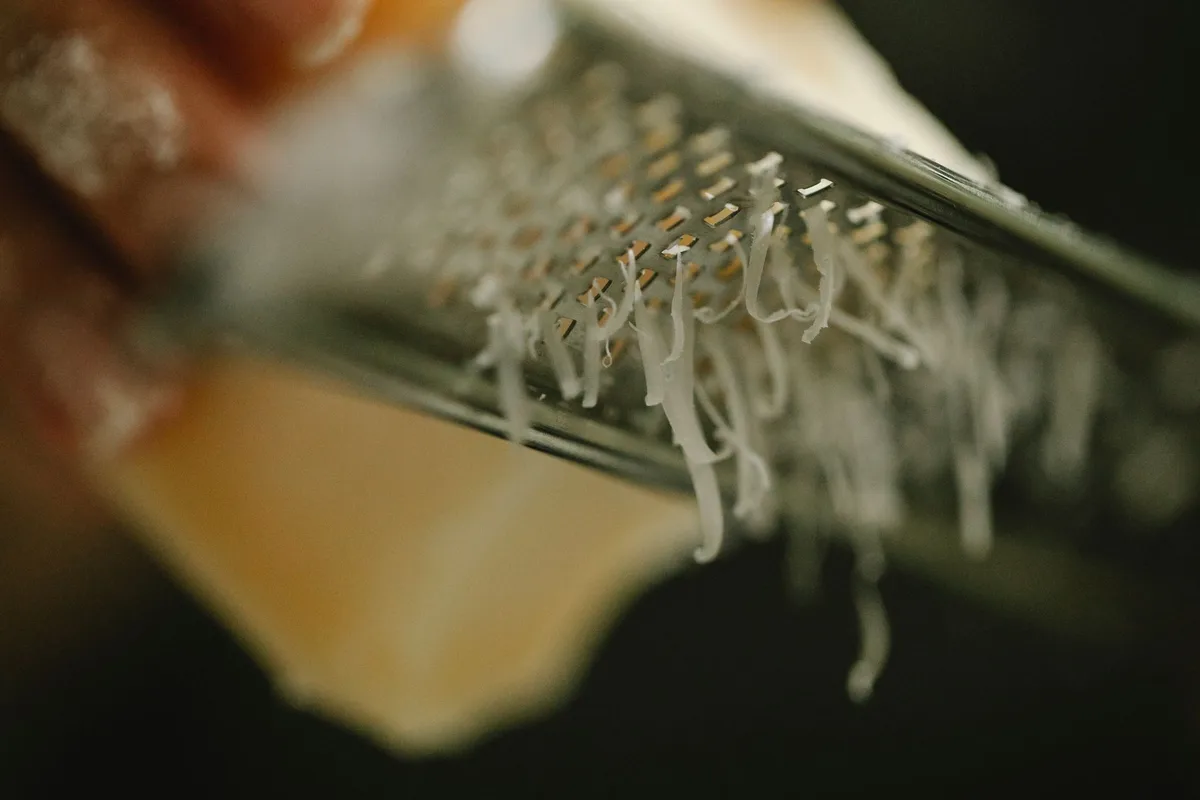
How Each Zesting Tool Shapes the Texture and Flavor of Your Zest
Each tool creates a different zest profile:
| Tool | Zest Texture | Flavor Impact | Effort Level |
|---|---|---|---|
| Microplane | Very fine shavings | Releases maximum citrus oils, intense aroma | Low |
| Box grater | Medium coarse | Slightly less aromatic than microplane | Medium |
| Citrus zester | Thin strips | Cleaner zest strips ideal for garnishes | Medium |
| Paring knife | Broad strips | Requires careful trimming to avoid pith | High |
| Vegetable peeler | Wide strips | Good for infusions but needs chopping for dishes | Medium |
Finer zest tends to disperse flavor more evenly in batters and doughs. Coarser strips provide strong bursts in drinks or as garnish. Avoiding the white pith is easier with sharper, thinner blades.
Side-by-Side Comparison: Efficiency, Ease, and Cleanup of Popular Zesting Tools
When deciding which zesting tool to buy or use, here’s a practical comparison:
| Tool | Speed | Ease of Use | Cleanup | Risk of Pith | Typical Price (2026) |
|---|---|---|---|---|---|
| Microplane | Fast | Very easy | Rinse quickly | Low | $10 – $20 |
| Box grater | Moderate | Moderate | Dishwasher safe | Moderate | $5 – $15 |
| Citrus zester | Moderate | Easy | Hand wash best | Low | $8 – $15 |
| Paring knife | Slow | Skill required | Easy | High | $10 – $30 (knife quality) |
| Vegetable peeler | Moderate | Easy | Easy | High if not careful | $5 – $15 |
Microplanes stand out for their speed and ease but require care to avoid scraping the pith. Paring knives demand patience and finesse but give you full control.
Who Should Use What: Matching Zesting Tools to Cooking Style and Skill Level
Your ideal zesting tool depends on why, when, and how often you zest lemons:
- Home cooks and bakers who want quick, fine zest for cakes and cookies benefit from microplanes or box graters.
- Cocktail enthusiasts often prefer citrus zest strips as garnish, making citrus zesters or peelers a better choice.
- Chefs and pros may use paring knives for precise zest shapes and different textures.
- Beginners find microplanes easiest but should take care on their grip to avoid slips.
- Occasional zest users might lean toward simple peelers or buying pre-packaged zest for convenience.
Choosing a tool that fits your kitchen style improves your zesting experience, making it less of a chore and more a boost to your dishes.
Step-by-Step Guide to Zesting a Lemon Without Getting the Bitter Pith
The first step is always to wash and dry your lemon thoroughly. Residues from pesticides or wax coatings can spoil the zest’s pure flavor, so rinsing under cool water and drying with a clean towel is a must before you even touch your tool.
Hold the lemon firmly in one hand, making sure you have a good grip to avoid slips. Position your zesting tool lightly against the outer peel and move it in one smooth stroke, applying just enough pressure to shave off only the colorful zest layer. If you feel resistance or see white underneath, stop, that’s the pith, which carries bitterness.
Here’s a quick step sequence to keep that zest perfect:
- Wash and dry lemon.
- Hold lemon steady, not squeezing juice out.
- Lightly run tool across the peel, moving in one direction.
- Rotate lemon and repeat, watching for pith.
- Collect zest with a spoon or scrape it off tool carefully.
- Store zest immediately or add to your recipe.
This visual shows how to keep the movement gentle and consistent to avoid including pith or over-extracting oils that can alter texture.

Common Mistakes When Zesting Lemons and How to Avoid Them
The biggest mistake is zesting too deep and scraping into the white pith under the yellow peel. The pith is bitter and dulls what should be a fresh, zesty aroma. If your zest looks white or feels rough, you’ve likely gone too far.
Another trap is pressing too hard or holding the lemon at the wrong angle, which can cause your tool to slip, raising a small but real safety risk. Using a sharp tool and a non-slip grip minimizes this.
Also, many people zest the lemon before washing it properly. That risk adds unwanted chemicals or dirt to your zest. Always prep your citrus first.
Cleaning zesting tools immediately solves two common headaches: stuck zest clogging grater holes and dulling blades over time. If zest dries on your tool, it’s a hassle to soak and scrub later.
Finally, discarding leftover lemons with zest still intact is wasteful. There’s usually a tablespoon or more hiding on each fruit, be thorough to maximize your yield.
How to Wash, Hold, and Prepare Your Lemon for Perfect Zesting Every Time
Washing your lemon well isn’t complicated but makes a big difference. Use cool water and gently scrub the peel with a soft brush or cloth to remove wax, dirt, or pesticide residues. Some cooks prefer a quick rinse in a diluted vinegar solution followed by a clean water rinse for extra cleanliness.
Drying the lemon fully before zesting is crucial so the zest sticks less to the tool and doesn’t clump. Once dry, inspect the fruit to locate nicks or bruises, avoid zesting these spots as damaged peel can affect taste.
Grip matters. Hold the lemon in your non-dominant hand firmly but without squeezing. If the lemon feels slippery, a dry kitchen towel or rubber jar opener pad can help secure it.
When positioning your zesting tool, angle it slightly to catch just the thin zest layer, not the pith. Gentle, steady strokes work better than aggressive scraping.
How to Store and Preserve Fresh Lemon Zest for Maximum Flavor
Fresh lemon zest loses potency quickly if left exposed to air. To keep it at its best:
- Store zest in an airtight container or tightly wrapped plastic wrap.
- Refrigerate if you plan to use it within 1 to 2 days.
- Freeze for longer storage, zest can be frozen in small portions, either loose or pressed flat in a sealed plastic bag.
Avoid drying fresh zest at home, as it reduces aroma significantly compared to freezing. If you want dried zest, it’s better to buy commercially prepared products that follow standardized drying methods.
Label containers with the date, since zest loses quality over about three months in the freezer.
Real-Life Tips from Chefs for Getting the Most Out of Your Lemon Zest
Professional chefs and experienced bakers suggest these user-tested tips to boost your zest game:
- Zest before juicing: It's easier and you avoid squeezing the juice out too early.
- Rotate your lemon often: This helps maximize zest without overworking one spot.
- Use zest as a finishing touch: Sprinkle freshly grated zest on salads or desserts right before serving for the brightest aroma.
- Keep a microplane handy: Chefs often prefer microplanes for consistently fine zest; the sharp teeth release essential oils quickly.
- Avoid metal taste contamination: If your zest tastes metallic, switch to a coated or ceramic zester.
- Grate zest over parchment paper or a bowl: This keeps zest separate and makes it easier to measure or add to recipes.
In our editorial analysis of user reviews, these practices emerge repeatedly as the simplest ways to get fresh, vibrant zest without bitterness or hassle.
Pricing and Durability: What to Expect When Buying a Zesting Tool
When shopping for zesting tools, prices generally range from $5 to $30, depending on brand, material, and design. Microplanes typically fall between $10 and $20 and are praised for their durability and sharpness.
Stainless steel is the most common blade material, prized for corrosion resistance and edge retention. Handles vary from plastic to rubber-coated stainless steel, affecting grip comfort and durability. Manufacturer warranties sometimes cover blade defects for 1 to 5 years on premium models.
Durability reviews note that frequent use dulls blades over time, especially if zest residue isn't cleaned promptly. A tool lasting several years with proper care is normal. Cheaper box graters can chip or bend with heavy use, while high-end microplanes maintain sharpness and integrity longer.
Consider tools that are dishwasher safe for easier maintenance, but hand washing is preferred to preserve performance. Spending a bit more upfront often pays off in longevity and zest quality.
Frequently Asked Questions About Lemon Zesting: From Peel vs. Zest to Best Storage Practices
What is the difference between lemon peel and zest?
Lemon zest is specifically the colorful outer layer of the peel containing flavorful oils, while the peel includes both zest and the underlining bitter white pith. Recipes usually call for zest only since the pith can make dishes bitter.
Can I zest frozen lemons?
Yes, but frozen lemons tend to have softened peel, making zesting a bit messier and less firm. It's often better to zest fresh lemons for the best aromatic oils and texture.
How long does lemon zest keep fresh?
Fresh zest stored airtight in the refrigerator usually lasts 1 to 2 days without significant flavor loss. Freezing extends this up to three months.
Is it safe to eat lemon zest with wax?
Many store-bought lemons are coated with food-grade wax. Washing thoroughly with warm water and scrubbing can reduce residual wax but may not remove it entirely. Organic or unwaxed lemons are best if you want to avoid any coating.
Can I substitute lemon zest with lemon extract?
Lemon extract captures flavor but lacks the texture and fresh aroma zest provides. They’re not perfect substitutes, especially in recipes where zest texture matters.
Final Decision Guide: Choosing the Best Lemon Zesting Method for Your Kitchen and Recipes
If you want fine, fast zest for baking or cooking, a microplane grater is the best pick. It releases the most oils and grates zest evenly, ideal for integrating into batters or doughs.
For cocktail garnish or recipes needing wider strips, a citrus zester or vegetable peeler works better. They create pretty strips for drinks or infused oils without the risk of bitterness.
If you have knife skills and prefer customizing zest size, the paring knife lets you cut thin strips or chunks but requires more practice and care.
If you rarely zest lemons, a box grater serves as a multi-use tool and delivers decent zest with moderate effort.
Whichever tool you choose, focus on washing lemons well, zesting carefully to avoid pith, and cleaning your tools promptly to keep zest fresh and flavorful.
Safety Tips When Zesting to Avoid Injury and Contamination
Zesting tools have very sharp blades, so your fingers are vulnerable if the tool slips. Always keep your fingers below the blade path and maintain a firm hold on both the lemon and the zesting tool.
If your hands are wet or greasy, dry them thoroughly before zesting to reduce slipping risk. Using a towel or grip pad can improve stability.
Never apply excessive pressure that could cause the tool to jump. Go slowly around tricky curves or small lemon ends.
Clean tools immediately after use to avoid dry zest clogging blade holes and breeding bacteria. Use a brush for narrow graters and avoid soaking high-carbon steel blades for long periods to prevent rusting.
Finally, avoid zesting fruit with visible mold or damage to prevent cross-contamination.
Maintaining and Caring for Your Zesting Tools Long-Term
Proper maintenance extends your tool’s life and zest quality. Rinse immediately after zesting to loosen stuck zest and oils, which can gum up the blade.
Use a soft brush or old toothbrush to clean stubborn bits from microplane teeth or zester holes. Avoid steel wool or harsh abrasives that dull blades quickly.
Dry tools completely before storing to prevent corrosion. Plastic handles should be checked for cracks or looseness periodically.
If your microplane or grater blade becomes dull, some brands offer replacement parts or sharpening services. Otherwise, replacing a heavily worn tool often saves time and improves zest results.
Store tools in a safe place away from other sharp objects or where blades can be accidentally touched.
Regular cleaning and gentle handling make zesting a pleasure, not a chore.
