


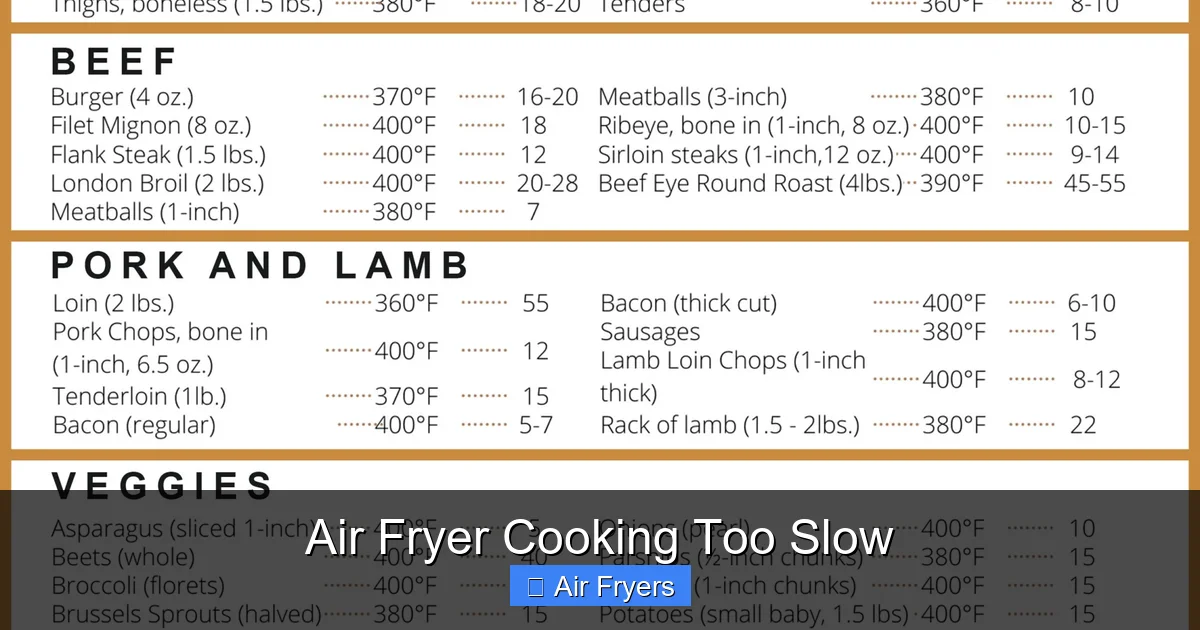
Is your air fryer taking forever to cook food? This frustrating issue can stem from improper settings, overcrowding, or even a faulty appliance. You’re not alone—many home cooks face this problem. In this guide, we’ll walk you through common causes like incorrect temperature settings, blocked airflow, and preheating mistakes, plus practical solutions to get your air fryer back on track. Whether it’s wings, fries, or chicken, you’ll learn how to cut cooking time by up to 30% while keeping everything crispy and delicious. Let’s turn that sluggish machine into a fast, reliable kitchen hero!
Key Takeaways
- Preheating is essential: Skipping the preheat step can add 5–10 minutes to cooking time. Always preheat your air fryer for optimal performance.
- Don’t overcrowd the basket: Overloading restricts hot air circulation, forcing the unit to work harder and longer. Cook in batches when needed.
- Check the temperature setting: Using too low a temperature slows down cooking significantly. Use higher temps (like 400°F/200°C) for crispier results faster.
- Clean the air fryer regularly: Grease buildup and food debris block vents and reduce airflow efficiency, slowing down heat transfer.
- Use the right rack position: Placing food too close to the heating element can cause uneven cooking, while proper spacing ensures faster, more consistent results.
- Consider food type and size: Dense items like frozen pizzas take longer than thin foods like shrimp. Cut large pieces in half for quicker cooking.
- Upgrade if necessary: Older or low-wattage models may simply be too slow. A newer high-power air fryer can dramatically improve speed and performance.
📑 Table of Contents
Why Is My Air Fryer Cooking Too Slow?
If you’ve ever pulled out cold, soggy food from your air fryer after waiting what felt like forever, you know how frustrating it is. You press start, set the timer, and wait—but instead of golden-brown fries or crispy chicken wings, you get something that barely warms through. The good news? An air fryer cooking too slow isn’t usually a sign of a broken appliance. More often, it’s a fixable issue rooted in technique, maintenance, or even the way you’re using the machine.
Air fryers work by circulating superheated air around your food at high speeds—up to 200 mph in some cases. That rapid airflow is what creates that signature crispy exterior while keeping the inside tender. But when that airflow gets disrupted or the temperature drops, everything slows down. Think of your air fryer like a tiny convection oven with fans. If the fan isn’t spinning fast enough or if warm air can’t reach all parts of the basket, your food cooks slower and unevenly.
In this article, we’ll explore the most common reasons why your air fryer might be cooking too slowly and give you actionable tips to fix each one. From preheating habits to cleaning routines, we’ve got you covered. Whether you’re new to air frying or just looking to optimize your current setup, these insights will help you reclaim your kitchen time and enjoy faster, better results every single time.
Common Causes of Slow Air Fryer Cooking
1. Not Preheating the Air Fryer
Many people assume their air fryer starts cooking immediately when powered on, but that’s not always true. Unlike traditional ovens, many modern air fryers don’t automatically preheat. If you drop your food in cold and hit start, the initial burst of heat takes extra time to build up—delaying cooking by several minutes.
Pro tip: Always allow your air fryer to preheat for 3–5 minutes before adding food. For best results, especially with frozen items or recipes requiring crispiness, follow the manufacturer’s guidelines on preheating duration.
2. Overcrowding the Basket
This is a classic mistake. When you stuff too much food into the basket, you’re essentially blocking the path of hot air. The fan has less space to circulate air, so heat doesn’t distribute evenly or efficiently. The result? Some pieces cook fast while others remain undercooked, and overall cooking time increases.
Example: Trying to cook 1 pound of chicken wings all at once in a small 3-quart model will likely lead to soggy, pale wings instead of crispy ones. Instead, cook in two smaller batches to ensure proper airflow.
3. Incorrect Temperature Settings
Using too low a temperature is one of the biggest culprits behind slow air fryer cooking. While lower temps are fine for reheating or gentle warming, they drastically increase cooking time. For example, roasting potatoes at 325°F instead of 400°F can double the cook time.
Rule of thumb: For crispy results, aim for at least 375°F (190°C), and go up to 400°F (200°C) for frozen or breaded foods.
4. Dirty or Clogged Components
Dust, grease, and food particles accumulate over time—especially around the heating element and fan vents. These blockages restrict airflow and reduce the fryer’s ability to generate consistent heat. A dirty air fryer doesn’t just cook slower; it also risks malfunctioning or developing unpleasant odors.
Maintenance reminder: Clean your air fryer after every few uses. Remove the basket and tray, wash with warm soapy water, and wipe down the interior with a damp cloth. Never submerge electrical parts in water.
5. Poor Rack Placement
How you position your food matters. If you stack multiple layers or place items directly on top of each other, hot air can’t flow freely between them. This leads to uneven cooking and extended times. Proper spacing allows heat to reach every surface quickly.
Best practice: Use the crisper basket rack (if included) to elevate food slightly off the bottom. Avoid placing delicate items like fish fillets near the heating coil unless instructed by your recipe.
6. Using Low-Quality or Outdated Models
Not all air fryers are created equal. Budget models with lower wattage (under 1200W) often struggle to reach and maintain high temperatures quickly. Older units may have worn-out heating elements or inefficient fans, both of which contribute to slow cooking.
If your air fryer consistently takes longer than expected despite following best practices, consider upgrading to a higher-performance model. For families or frequent users, investing in a best air fryer for family cooking can make a noticeable difference in speed and capacity.
How to Fix a Slow Air Fryer: Step-by-Step Solutions
Step 1: Preheat Every Time
Make preheating a non-negotiable habit. Even if your recipe doesn’t specify it, starting with a warm fryer cuts total cook time by up to 10 minutes. Most digital models display “Preheating…” on the screen until ready.
Quick check: If your air fryer lacks a preheat function, manually set it to 375°F and wait 4 minutes before adding food.
Step 2: Rearrange Food for Better Airflow
After loading food, give it a quick visual check. Are there gaps between pieces? Is anything stacked on top of another? Adjust as needed. Think of it like arranging seats in a theater—everyone needs room to breathe!
For larger items like whole chickens, consider cutting them into smaller portions next time. This not only speeds up cooking but also helps achieve crispier skin.
Step 3: Upgrade Your Cooking Oil (Optional)
The type of oil you use can subtly affect cooking time. Oils with higher smoke points (like avocado or peanut oil) conduct heat more efficiently than olive oil, helping food brown faster. However, this is a minor factor compared to airflow and temperature.
Still, using spray oil instead of dousing your food can prevent sogginess and promote even browning—leading to slightly quicker, better results.
Step 4: Clean After Every Few Uses
Build-up of old oil and crumbs acts like insulation, trapping heat and slowing circulation. A clean air fryer runs hotter and faster. Plus, it’s easier to spot potential issues like burnt residue early.
Deep clean monthly with a mild degreaser if needed. Always unplug and cool completely before cleaning.
Step 5: Test With a Simple Recipe First
If you suspect your air fryer is underperforming, try a basic test: air fry frozen french fries at 400°F for 12 minutes, shaking halfway. If they come out limp or still frozen in spots, there may be an underlying issue—possibly a failing heating element or fan motor.
In such cases, consult your manual or contact customer support. Sometimes a simple reset or firmware update (for smart models) can restore performance.
When to Consider Replacing Your Air Fryer
If you’ve tried all the above fixes and your air fryer still cooks noticeably slower than similar models, it might be time to upgrade. Modern high-end air fryers offer features like dual-zone heating, rapid-heat technology, and larger capacities that significantly reduce cook times.
For instance, if you’re cooking for a family of four and find yourself waiting too long, a 5–6 liter air fryer designed for bigger loads could solve both speed and portion size problems. Similarly, models with air fryer pressure cooker combos combine speed with versatility, letting you sauté, roast, and steam faster than ever.
Look for air fryers with at least 1300–1500 watts of power, stainless steel interiors, and user reviews praising fast cooking times. Brands known for reliability include Ninja, Cosori, and Instant Pot—each offering excellent performance for busy households.
Tips for Faster Air Fryer Cooking Without Compromising Quality
Cut Food Into Smaller Pieces
Larger chunks take longer to cook because heat must penetrate deeper. Halving thick-cut vegetables or flattening chicken breasts ensures quicker, more even results.
Use Frozen Foods Wisely
Frozen items require thawing time—unless you’re using the “frozen” setting. But even then, they often need longer than fresh. Plan ahead or opt for partially thawed options when possible.
Rotate or Shake Mid-Cook
Shaking the basket halfway through helps redistribute heat and promotes uniform browning. It also prevents one side from overcooking while the other stays raw.
Choose the Right Basket Size
A basket that’s too big wastes energy; one that’s too small forces overcrowding. Match your fryer’s capacity to your typical meal size. A budget-friendly option under $100 might work for singles, but families benefit from larger models.
Keep the Door Closed
Every time you open the door, cold air rushes in, lowering the internal temperature and delaying cooking. Resist the urge to peek! Use the light (if available) or trust the timer.
Conclusion: Speed Up Your Air Fryer Today
An air fryer cooking too slow doesn’t mean you need to throw it in the trash. Most of the time, the solution lies in adjusting your habits—preheating, avoiding overcrowding, cleaning regularly, and choosing the right temperature. By implementing these strategies, you’ll not only save time but also unlock the full potential of your appliance.
Remember, air fryers aren’t meant to replace stovetops overnight, but they should make healthy, crispy meals accessible in under 30 minutes. Whether you’re making air fryer French fries, juicy chicken thighs, or roasted veggies, consistency and attention to detail pay off.
If your current model still feels sluggish after troubleshooting, it might be worth exploring newer, faster options. Check out our picks for the best air fryer for quick meals or browse the top-rated air fryers to find one that fits your lifestyle and kitchen size.
With the right approach, your air fryer can become the fastest, most efficient tool in your culinary arsenal—delivering restaurant-quality results without the wait.
Frequently Asked Questions
Why does my air fryer take so long to cook food?
Slow cooking is often due to skipping preheating, overcrowding the basket, or using too low a temperature. Blocked vents from dirt buildup can also reduce airflow efficiency, extending cook times significantly.
Can a dirty air fryer cook food faster?
No—a dirty air fryer actually cooks slower. Grease and debris block heat transfer and airflow, forcing the appliance to work harder and longer to reach desired temperatures.
Should I preheat my air fryer every time?
Yes! Preheating ensures consistent starting conditions and can cut total cook time by 5–10 minutes. Especially important for frozen or breaded foods that need immediate high heat for crispiness.
Is it okay to cook frozen food directly in an air fryer?
Absolutely—many air fryers have dedicated “frozen” settings. Just allow extra time and shake halfway through. For best results, use higher temperatures (around 400°F) and avoid overcrowding.
How often should I clean my air fryer?
Clean the basket and tray after every few uses. Wipe the interior weekly and perform a deep clean monthly with mild soap and water. Never immerse the base or cord in water.
Will upgrading my air fryer make it cook faster?
Yes. Newer models with higher wattage (1300W+) and advanced fan systems deliver faster, more even cooking. Features like dual heating zones and rapid preheat functions can reduce total meal prep time considerably.
