


Figuring out if an egg is still good to eat can feel like a guessing game, but it really doesn't have to be. Knowing how to tell if an egg is still good gives you confidence in the kitchen and helps you avoid waste, or worse. Thankfully, a few simple checks can tell you everything you need to know.
Our research confirms that while 'best by' dates offer a guideline, they aren't the ultimate decider for egg freshness. Instead, understanding a few basic physical tests is key. For instance, per USDA guidelines, eggs can remain safe to eat for several weeks past their sell-by date if properly refrigerated. This makes direct evaluation essential for any home cook.
When Does Storing Eggs Actually Matter?
So, when should you really start paying attention to an egg's age? It comes down to how long they've been out of ideal conditions. Eggs are a fantastic source of protein and nutrients, but like many fresh foods, their quality degrades over time. Storing them correctly in a refrigerator, typically at 40°F (4°C) or below, is the first step to extending their life significantly.
This temperature slows down bacterial growth and the natural processes that lead to spoilage.
When eggs are kept at these controlled temperatures, they maintain their quality much longer than at room temperature. The main concern is typically spoilage, which can be indicated by several factors beyond just the date printed on the carton. For most purposes, prioritizing safe storage is your primary defense against eggs going bad prematurely.
The First Hint: Checking the Date on the Carton
The first thing most folks do is glance at the date stamped on the egg carton. You'll often see a "sell-by" date, a "best-by" date, or a "use-by" date. In our research, "sell-by" dates tell the store how long to display the product for sale, while "best-by" dates indicate when the egg is expected to be at its peak quality. A "use-by" date is more about safety.
It's important to remember these dates are quality indicators, not strict expiration deadlines. For example, if eggs are refrigerated promptly and properly, they can often be good for 3 to 5 weeks after the "best-by" date. So, while the date gives you a starting point, it shouldn't be the only factor you rely on.
Your First Test: Does the Egg Float?
This is a classic, and for good reason, it’s surprisingly effective. The float test helps gauge how much air has entered the egg's internal air cell, which naturally expands as the egg ages and loses moisture.
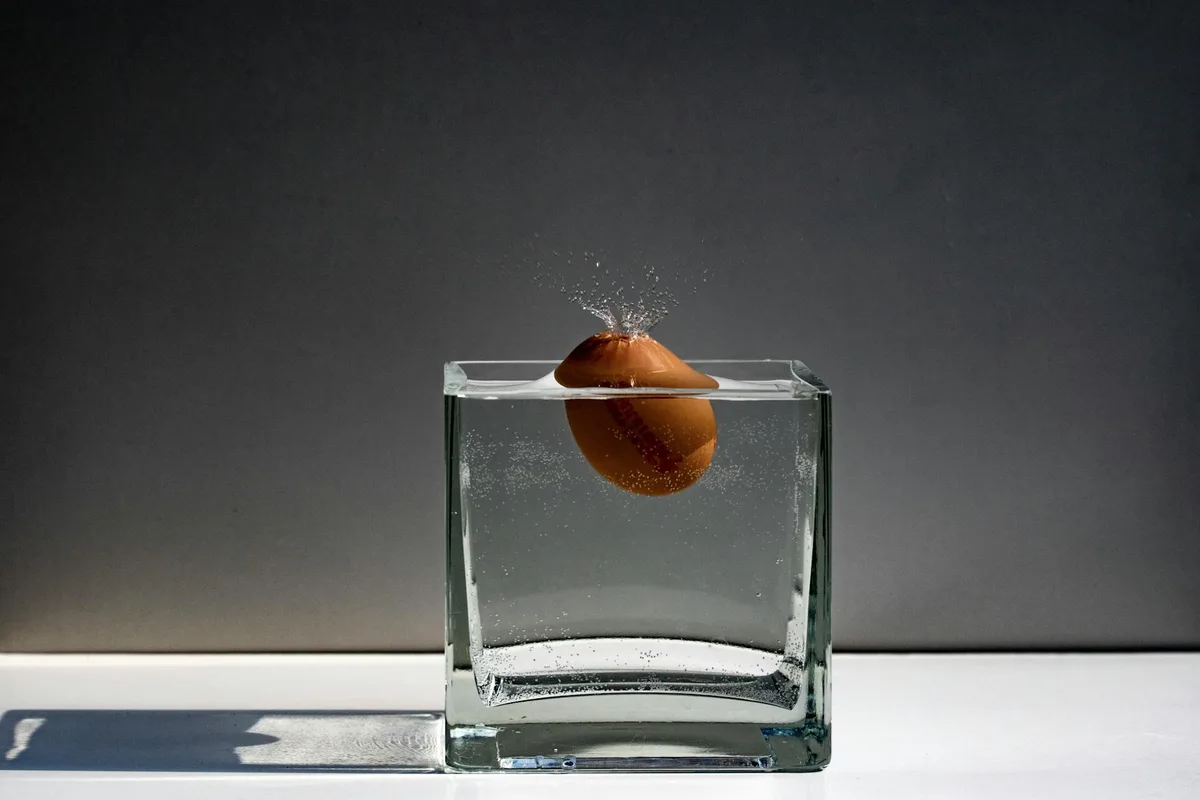
Here’s how it works:
- Grab a clear glass or bowl.
- Fill it with cool, clean water.
- Gently place your egg into the water.
What happens next tells you a lot about your egg's age and potential freshness.
What a Sinking Egg Means
If your egg sinks straight to the bottom of the glass and lies flat on its side, congratulations, you've likely got a very fresh egg on your hands. This is the ideal state.
What a Standing Egg Means
If the egg sinks but stands up on one end, it’s still perfectly good to eat. This indicates it's a bit older than a lying-flat egg, perhaps a couple of weeks old. The air cell has grown a little, making it less buoyant.
What a Floating Egg Means
If your egg floats to the surface, it’s a strong sign that it's past its prime and likely spoiled. The air cell has become quite large, making the egg buoyant enough to float. It’s best to discard these eggs to be safe.
Your Most Reliable Clue: The Smell Test
This is arguably the most definitive way to determine if an egg has gone bad. Your sense of smell is wonderfully attuned to detecting spoilage, and a rotten egg has a very distinct, unpleasant odor.
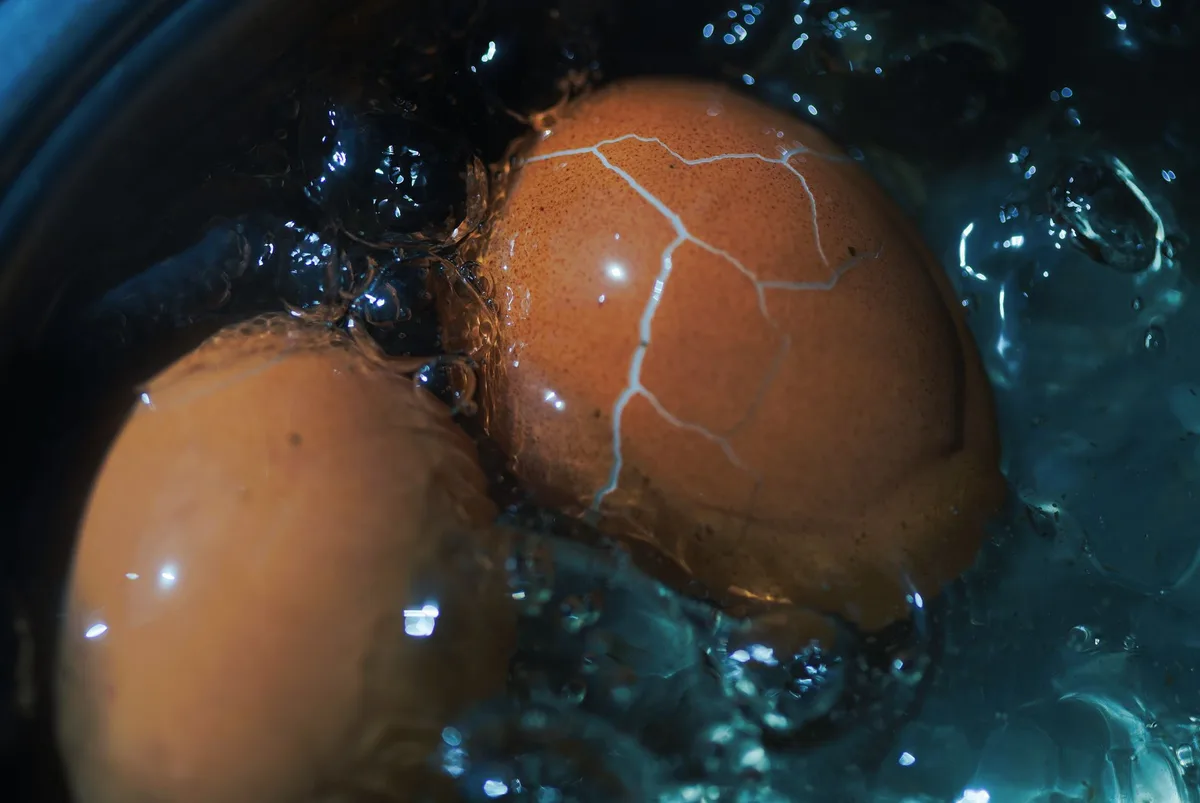
To perform this test responsibly:
- Crack the egg onto a clean plate or into a separate bowl. Don't try to sniff the egg through its shell; you need to get to the inside.
- Take a deliberate sniff.
A truly fresh egg will have a very mild, perhaps slightly sulfurous smell, or sometimes almost no smell at all. If you detect a strong, foul, sulfurous, or unmistakably rotten smell, the egg is no longer safe for consumption. Trust your nose; the odor of a spoiled egg is usually quite apparent and quite off-putting.
What to See: Inspecting the Egg's Appearance
Beyond the float and smell tests, what you see when you crack an egg open provides further clues about its freshness and quality. These visual cues can confirm what the other tests suggest.
Checking the Yolk's Condition
The yolk of a fresh egg should be firm, rounded, and prominently domed. It should hold its general shape well when you crack it. If the yolk appears flat, watery, seems to break very easily, or doesn't maintain a distinct shape, it indicates the egg is older. While this looseness doesn't automatically mean it's spoiled, it signifies a decline in quality.
Assessing the Egg White's Integrity
Similarly, the egg white, or albumen, of a fresh egg is thick and viscous. It will hold together around the yolk, creating a somewhat cohesive structure. As an egg ages, this white thins out and spreads more liquidly across the plate. A very watery white that spreads a lot is another sign of an older egg.
However, the most critical visual indicator of spoilage in the white is any unusual coloration.
If you see any pink, green, or iridescent sheens in the egg white, this is a definitive sign of bacterial contamination, such as Pseudomonas bacteria. These eggs are definitely spoiled and must be discarded immediately, regardless of any other tests.
Putting It All Together: Making the Decision
By combining these simple checks, the float test, the smell test, and the look test, you can make a highly accurate determination about an egg's usability. It’s not about relying on just one indicator, but seeing what the combination of your observations tells you. Our research shows that using all three methods dramatically reduces the chance of error.
If an egg floats to the surface and has a foul odor, it's a definite toss. If it sinks but the smell is off or the white looks distinctly off-color (pink, green, iridescent), it's also time to discard it. Even if an egg sinks, if a strong, rotten smell is present, err on the side of caution.
Which Eggs Are Still Good?
Eggs that sink to the bottom and lie on their side are as fresh as it gets. Eggs that sink but stand up are still good, though they're older. If they sink, smell neutral, and the yolk and white look clean and relatively firm, you’re usually in the clear.
Common Egg Spoilage Mistakes to Avoid
One of the most common mistakes people make is relying solely on the "best by" date. As we've discussed, this date is more of a quality suggestion than a hard expiration. Another frequent error is neglecting to perform the smell test, which is often the most telling indicator of spoilage.
People sometimes hesitate to crack an egg open if they suspect it's bad, fearing they'll waste it. However, cracking it into a separate bowl or plate first allows for easy disposal if it turns out to be spoiled, protecting other ingredients and tools from contamination. Always inspect the inside visuals for those concerning color changes too; they’re non-negotiable signs of spoilage.
Is a Slightly Runny White Always Bad?
Not necessarily. A slightly runnier white usually just means the egg is older, but not necessarily spoiled. The key is to look for extreme thinning and spreading, and especially any unusual colors. A well-stored older egg might have a thinner white and a flatter yolk, but still smell and look perfectly fine otherwise.
Egg Quality Beyond Freshness: Taste and Texture
While safety is paramount, once you've determined an egg is good to eat, its quality can still vary. Freshness impacts taste and texture, especially in dishes where the egg is a star, like in custards or fried eggs. Older eggs, even if safe, might have a less vibrant yolk and a more liquidy white that spreads out when cooked.
For baking, slightly older eggs are sometimes preferred because their whites whip up into a more stable foam, which is great for meringues or light cakes. So, the "best" egg isn't always the absolute freshest one, depending on your culinary goal. As of 2026, food science continues to explore these nuanced effects of egg aging on cooking outcomes.
When to Question an Egg's Safety: Warning Signs
The primary warning signs that an egg is unsafe to consume boil down to three main categories: odor, appearance, and of course, the float test revealing significant buoyancy. A strong, offensive smell is generally the most immediate and reliable indicator of spoilage. Visually, any pink, green, or iridescent discoloration in the white is a critical red flag for bacterial contamination.
Furthermore, if the yolk breaks with mere gentle handling, or the white spreads out extremely thin and watery, it points to significantly aged eggs that might be approaching or have crossed the spoilage threshold. Always consider these warning signs collectively, not in isolation.
What If I Can't Smell Anything?
If the smell test yields no definitive odor, positive or negative, don't stop there. Proceed to the visual inspection. If the yolk and white look healthy (firm yolk, cohesive white, no off-colors), and the egg sank in the float test, it's likely still good despite a lack of strong smell. Conversely, if you had a faint "off" smell but the visual and float tests were okay, it warrants careful consideration and perhaps using it in a dish where it will be thoroughly cooked.
