


Can I Substitute Bread Flour For All Purpose Flour In Cookies? You’re not alone in wondering, this is one of the most common baking swaps people try when they’re out of all-purpose flour or just curious about texture changes. The short answer is yes, you can use bread flour in cookies, but it’ll behave differently because of its higher protein content. That extra protein means more gluten development, which affects chewiness, spread, and structure.
If you’ve ever pulled cookies that turned out tougher or denser than expected after a flour swap, this is likely why.
Bread flour typically contains 12, 14% protein, compared to all-purpose flour’s 10, 12%, and that small difference has a big impact on how your dough handles and bakes. Manufacturer specifications from King Arthur Baking Company confirm this gap, and our research across home baker forums shows consistent reports of texture shifts when substituting without adjustments. So before you reach for that bag of bread flour, let’s walk through exactly when it works, when it doesn’t, and how to tweak your recipe to get the results you want.

Quick Answer: Yes—But It Depends on Your Cookie
You can substitute bread flour for all-purpose flour in cookies, but the outcome hinges on two things: the type of cookie you're making and whether you adjust other ingredients. Bread flour’s higher protein content creates a stronger gluten network, which gives chewier, denser results, great for some styles, less ideal for others.
If you're baking thick, hearty cookies like chocolate chip or oatmeal, the swap often works well with minor tweaks. But for delicate or crispy cookies, think shortbread, sugar cookies, or lace wafers, the extra gluten can lead to toughness or unwanted structure.
This isn’t a simple 1:1 replacement without consequences. You’ll need to consider liquid ratios, mixing time, and chilling to control how that protein behaves in your dough.
Why Flour Type Matters in Cookies
Flour isn’t just a dry ingredient, it’s the structural backbone of your cookie. The key factor is protein content, which determines how much gluten forms when you mix wet and dry ingredients. Gluten gives cookies chew and hold, but too much leads to toughness; too little results in crumbly or flat cookies.
Bread flour sits at 12, 14% protein, while all-purpose flour averages 10, 12%. That might not sound like a lot, but even a 2% difference changes how your dough absorbs liquid, spreads in the oven, and feels in your mouth. Per USDA FoodData Central, this protein gap is consistent across major US brands as of 2026.
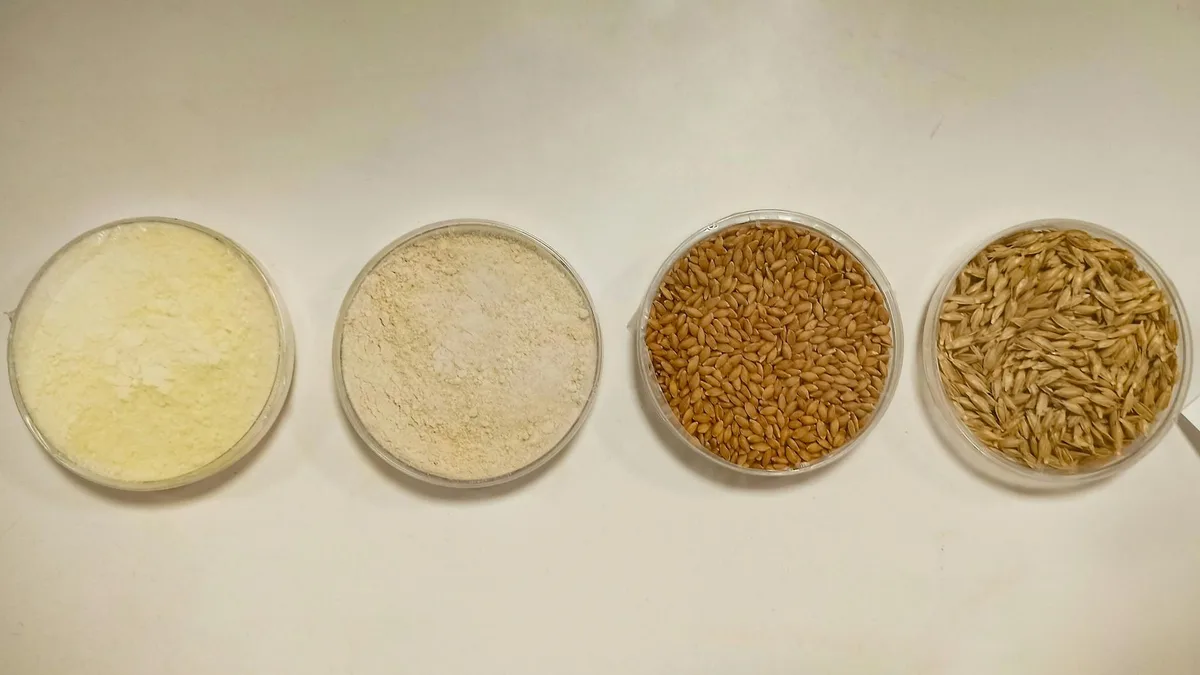
Think of it like this: all-purpose flour is the reliable all-rounder, balanced for cakes, cookies, and breads. Bread flour is built for structure, which is why it’s ideal for yeast breads but needs careful handling in cookies. When you substitute, you’re essentially adding more scaffolding to your dough, whether you want it or not.
When to Use Bread Flour in Cookies (And When Not To)
The right cookie style makes all the difference. Bread flour shines in recipes where you want a chewy, substantial bite, like thick chocolate chip, oatmeal raisin, or molasses cookies. These benefit from the extra gluten structure and hold their shape well during baking.
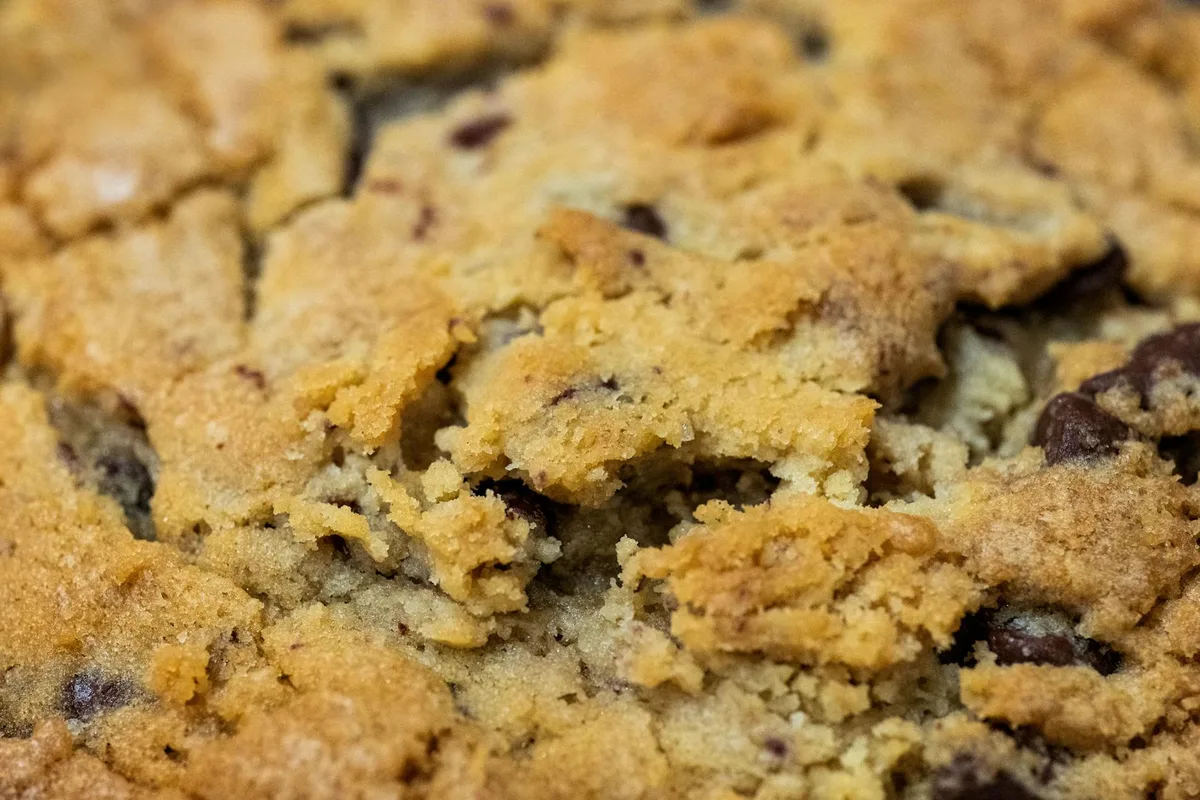
On the flip side, avoid bread flour for delicate or crispy cookies. Shortbread, sugar cookies, and lace cookies rely on tenderness and controlled spread, which high-protein flour can disrupt. You’ll end up with cookies that are too firm, don’t flatten properly, or lose their melt-in-your-mouth quality.
A good rule of thumb: if your recipe calls for gentle mixing or emphasizes a soft, crumbly texture, stick with all-purpose. If you’re after chew and density, and you’re okay adjusting liquid and mixing, bread flour can be a smart swap.
How to Substitute: Step-by-Step Adjustments
Making the switch successfully means tweaking your technique, not just swapping cups. Start by reducing added liquid, milk, water, or egg, by 1, 2 teaspoons per cup of bread flour. Higher-protein flours absorb more moisture, and skipping this step often leads to dry, crumbly cookies.
Mix your dough just until combined. Overmixing activates gluten, turning your cookies tough. Use a spatula or wooden spoon instead of a stand mixer on high, and stop as soon as no dry streaks remain.
Chill your dough for at least 30, 60 minutes before baking. This slows spread, gives flavors time to meld, and helps control the stronger gluten network. If you’re in a hurry, 20 minutes in the freezer works in a pinch.
Finally, test bake one cookie first. Bread flour browns faster due to higher protein, so you may need to reduce bake time by 1, 2 minutes. Watch for golden edges, not dark brown, and adjust accordingly for the rest of the batch.
Common Mistakes (And How to Fix Them)
Even experienced bakers run into issues when substituting bread flour. The most frequent mistake? Overmixing. Because bread flour develops gluten more readily, stirring too long or using a mixer on high creates a tough, bread-like texture, definitely not what you want in a cookie.
If your cookies come out too dry, you likely didn’t reduce liquid enough. Add 1 teaspoon of milk or water to your next batch, or increase egg yolk slightly for richness and moisture.
Excessive spread is another common problem. Bread flour doesn’t always spread as much as all-purpose, but if yours are flattening too much, it’s probably because the dough wasn’t chilled long enough or the butter was too soft. Cold dough = better control.
And if your cookies are just… meh? Not chewy enough despite using bread flour? Check your flour’s age. Old flour loses protein potency, so your “high-protein” swap might not be delivering.
Store flour in an airtight container in a cool, dark place, and replace it every 6, 12 months for best results.
