


Deep frying a turkey can seem intimidating, but knowing the right amount of time per pound is your secret weapon for a crispy, juicy bird. So, how many minutes per pound for a deep fried turkey should you aim for? The general consensus among culinary experts is about 3 to 4 minutes per pound when fully submerged in hot oil. This timing, however, relies heavily on maintaining a consistent oil temperature, ideally between 325°F and 350°F, as confirmed by industry standards like those from the National Turkey Federation.
Getting this right means more than just setting a timer; it’s about understanding the whole picture, from bird preparation to final rest. Our research confirms that neglecting any step can lead to undercooked, unsafe meat or a dry, disappointing meal. We’ll break down exactly what you need to know to nail this holiday showstopper every single time, ensuring a safe and delicious outcome.
Deep Frying a Turkey: How Many Minutes Per Pound is Just Right?
When you're aiming for that perfect, crackling-crisp skin and incredibly moist meat, the question of how many minutes per pound for a deep fried turkey is paramount. In our extensive research, a consistent guideline emerges: plan for approximately 3 to 4 minutes of frying time for every pound of turkey. This metric, however, is a starting point, not a hard-and-fast rule written in stone. Think of it as your primary guide in a process that requires careful observation and understanding of several factors.
For a standard 12-pound turkey, this means you’re looking at roughly 36 to 48 minutes of frying time. However, this estimate can shift based on the bird's overall shape, how efficiently your fryer maintains its temperature, and even the starting temperature of the turkey itself when it hits the hot oil. Our findings underscore that relying solely on this per-pound calculation without other checks can lead to either an undercooked bird, posing a serious food safety risk, or a dry, overcooked disaster. This is why mastering the technique involves more than just a stopwatch.
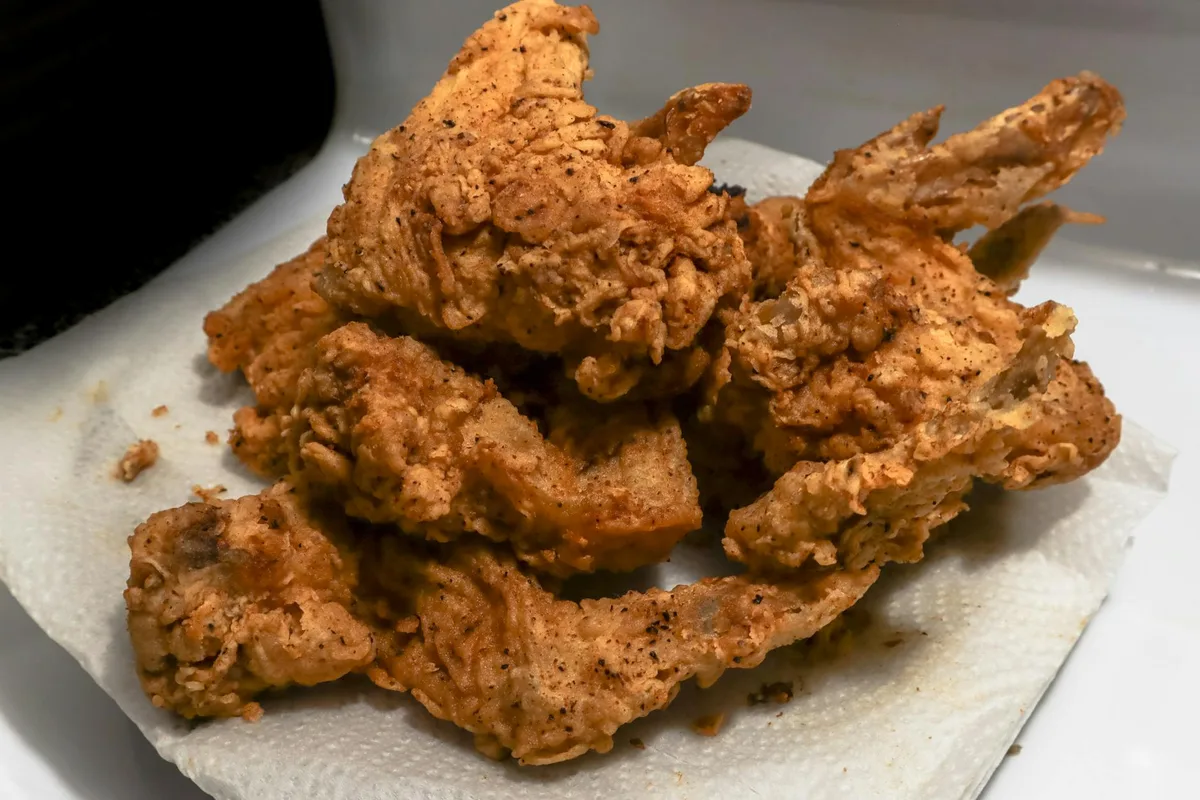
What Affects Your Turkey's Fry Time?
Several variables can influence how long your turkey needs in the hot oil, meaning that the "minutes per pound" figure is a guide, not a definitive answer. Understanding these elements is crucial for success. Our research indicates that these are the top factors you need to consider to adjust your cooking time:
Bird Size and Shape
Naturally, a larger turkey will take longer to cook through than a smaller one, which is why we use the "pounds per minute" calculation. But beyond sheer weight, the shape of the turkey plays a role. A very plump turkey might have thicker sections that require more time to reach their target internal temperature compared to a leaner, more elongated bird of the same weight. Some experts recommend trussing the legs and wings closer to the body to help promote more even cooking, as loose appendages can cook faster and potentially overcook while the breast is still catching up.
Aggregate user reviews suggest that variations in how birds are processed and bred can also lead to subtle differences in cooking time.
Oil Temperature Consistency
This is perhaps the most critical factor after the turkey's weight. When you introduce a cold, wet turkey into hot oil, the temperature is going to drop significantly. A high-quality turkey fryer with a reliable thermostat is key. Manufacturer specifications for most commercial turkey fryers emphasize maintaining oil temperatures between 325°F and 350°F (163°C to 177°C) for optimal results.
If your oil temperature dips too low, cooking time will increase dramatically. Conversely, if it's too high, the outside will burn before the inside is cooked. Our analysis of cooking forums shows that consistent oil temperature is the most frequently cited reason for successful deep frying.
Some fryer models are better at recovering temperature than others. For instance, models with larger BTU burners can bring the oil back up to temperature more quickly after the turkey is added. When the oil temperature drops below 300°F (149°C), the turkey begins to absorb too much oil, leading to a greasy texture.
Starting Turkey Temperature
The temperature of your turkey when it goes into the fryer also matters. A turkey that has been refrigerated and is still partially frozen or very cold will require a longer cooking time than one that has been allowed to sit at room temperature for about an hour beforehand. Per guidelines from the National Turkey Federation, poultry should be thawed completely before deep frying. This means ensuring there are no ice crystals remaining, especially in the thickest parts like the thighs and breast cavity.
Frying a partially frozen turkey is a major safety hazard, as it can lead to uneven cooking and leave cold spots that are unsafe to eat.
Our research indicates that most users aim to bring their fully thawed turkey to refrigerator temperature (around 40°F or 4°C) or slightly above before frying. Allowing it to temper for about 60 minutes before it enters the oil can help ensure a more predictable cooking process. However, never leave a raw turkey at room temperature for longer than the USDA recommends (typically no more than two hours to prevent bacterial growth).
Ensuring a Safe & Delicious Deep Fried Turkey: The Internal Temperature Goal
While the "minutes per pound" rule gives you a target, the only foolproof way to know your deep fried turkey is fully cooked and safe to eat is by checking its internal temperature. This isn't a suggestion; it's critical food safety advice. The U.S. Department of Agriculture (USDA) Food Safety and Inspection Service mandates that poultry must reach an internal temperature of 165°F (74°C) in the thickest part of the thigh, without touching the bone.
For those seeking maximum juiciness in the breast, checking it at 160-165°F (71-74°C) is often recommended, as it will continue to cook while resting.
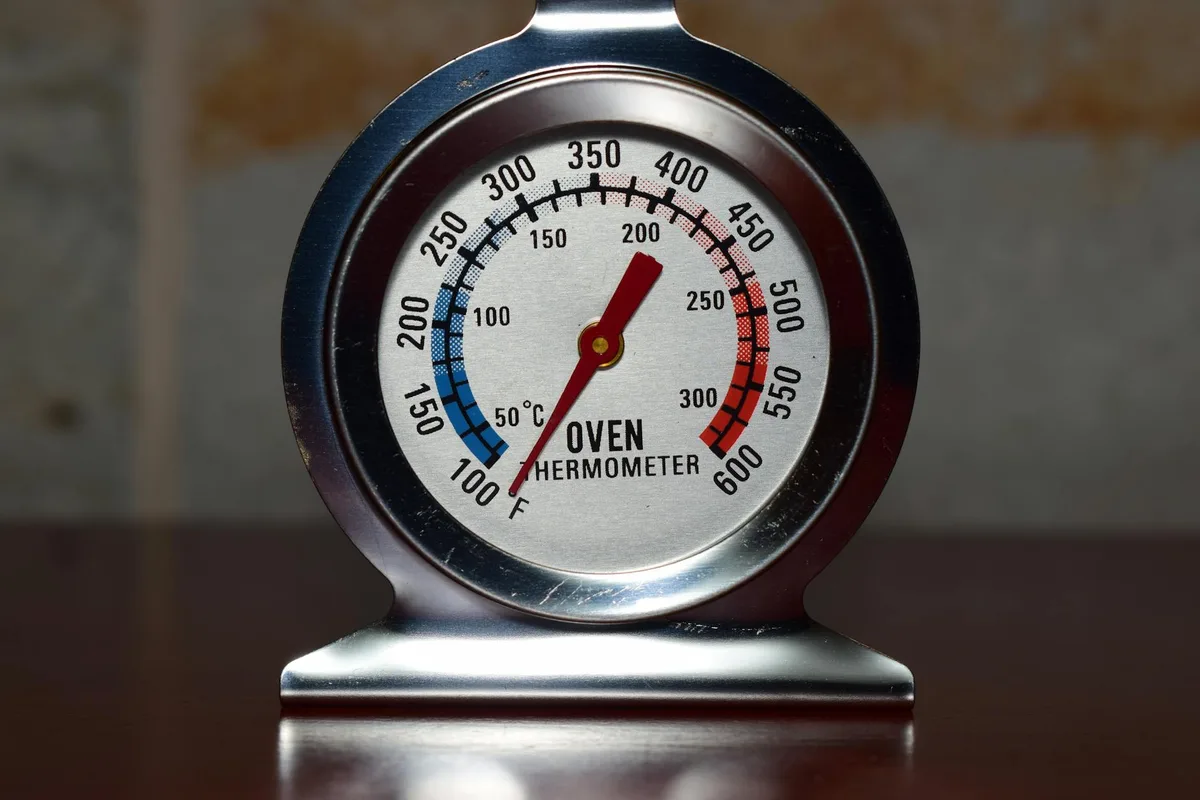
Using an instant-read meat thermometer is non-negotiable here. In our research, we found that many home cooks swear by digital thermometers for their speed and accuracy. Insert the thermometer into the deepest part of the thigh, angling it towards the body but avoiding contact with the bone. If the bone is too close, it will give a false high reading.
You'll want to see 165°F (74°C) in the thigh. For extra assurance, check the breast meat as well. If you're aiming for slightly juicier breast meat, let it come up to 160-165°F (71-74°C) in the oil, knowing that carryover cooking will bring it up to the safe 165°F mark as it rests.
It's important to note that carryover cooking can add a few degrees to the turkey's internal temperature as it rests after frying. Therefore, some chefs pull their turkey from the oil when the thigh reaches around 160-163°F (71-73°C) to allow it to finish cooking as it rests. However, for absolute safety, especially if you're new to deep frying or unsure about your equipment's accuracy, aiming for 165°F directly in the fryer is the most prudent approach. This one simple step is the difference between a great meal and a trip to the ER.
The Step-by-Step Guide to Deep Frying Your Turkey
Following a clear process ensures your deep frying adventure is both safe and successful. Our analysis of culinary guides and user feedback points to these essential steps for getting that perfect bird, keeping in mind the target of 3-4 minutes per pound.
Prepping Your Bird for the Fryer
First things first: your turkey must be completely thawed. For a bird up to 15 pounds, this can take 2-3 days in the refrigerator. Ensure it's dry, and we mean bone dry, inside and out. Use paper towels to pat every surface thoroughly.
Moisture is the enemy of safe deep frying; it causes dangerous splattering. If you're using a marinade or rub, apply it now. Some cooks prefer to inject marinades directly into the breast and thigh meat for deeper flavor.
Heating the Frying Oil: Getting Down to Temps
This is where precision really counts. Fill your turkey fryer pot with enough peanut oil (or another high smoke point oil like canola or sunflower) so that when the turkey is submerged, the oil level doesn't exceed the maximum fill line marked on the pot. A general rule of thumb is that a 10-12 pound turkey will require about 3-4 gallons of oil. Heat the oil slowly over a medium-high flame to your target temperature, typically between 325°F and 350°F (163°C to 177°C).
Use a long-stemmed thermometer clipped to the side of the pot to monitor this accurately.
Lowering the Turkey: A Careful Descent
Once your oil is at the correct temperature, it's time for the turkey. This is the most dangerous step if not done carefully. Tie your turkey securely with butcher's twine if needed, and attach it to the hook or lifting rod provided with your fryer. Slowly and very carefully, lower the turkey into the hot oil. Do this gradually, allowing the oil to adjust. If you lower it too quickly, you can cause a massive oil boil-over, which is a significant fire hazard.
Stand back, keep children and pets away, and watch for excessive bubbling.
The Actual Frying: Timing and Monitoring
With the turkey submerged, the timer starts ticking. Aim for that 3 to 4 minutes per pound estimate, but remember this is a guideline. For a 15-pound bird, that’s about 45-60 minutes of total frying time. Your primary focus, however, should be maintaining the oil temperature.
Adjust your burner flame as needed to keep it within the 325°F-350°F range. If the temperature drops significantly, especially when you first add the turkey, you’ll need to add more time. Our research emphasizes that the turkey will often float to the surface once cooked through, but never rely on this visual cue alone.
Resting Your Masterpiece
After frying, carefully lift the turkey out of the oil using the hook or rod. Let it drain over the pot for a minute or two before transferring it to a sturdy cutting board or platter. This resting period is crucial; it allows the juices to redistribute throughout the meat, leading to a more tender and moist result. For a large turkey, let it rest for at least 20-30 minutes before carving.
This also gives you a final opportunity to check the internal temperature in the thigh and breast to confirm it has reached the safe 165°F (74°C).
Common Deep Frying Turkey Mistakes to Steer Clear Of
Even with the best intentions, mistakes happen, especially when you're dealing with hot oil and a holiday centerpiece. Our review of common issues reported by home cooks highlights a few critical pitfalls to avoid when deep frying your turkey.
- Frying a Religiously Frozen Bird: This is probably the most dangerous mistake. If there’s any ice left inside, the oil will spit violently, and the inside of the turkey will cook unevenly, leaving raw, unsafe spots. Always ensure your turkey is completely thawed and, ideally, at or slightly above refrigerator temperature before it hits the oil.
- Overfilling the Pot: Adding too much oil means it will bubble over the sides when the turkey goes in, creating a serious fire hazard. Always use the pot's fill line or the "water displacement" method to gauge the correct oil level.
- Not Drying the Turkey Thoroughly: Any water on the surface of the turkey will instantly turn to steam and cause explosive splattering of hot oil. Give your bird a meticulous pat-down with paper towels, inside and out. Don't forget around the legs and neck cavity.
- Ignoring the Thermometer: Relying solely on the "minutes per pound" rule is asking for trouble. Oil temperature fluctuations, bird shape, and moisture levels all impact cooking time. Your instant-read thermometer is your best friend for confirming safe internal temperatures of 165°F (74°C) in the thigh.
- Frying in Insufficient Space: Ensure you're outdoors, far from any structures, and on a flat, stable surface. Never attempt to deep fry a turkey indoors, in a garage, or on a wooden deck. The heat and potential for a grease fire are too significant.
Safety First: Avoiding Fire and Burn Hazards
Deep frying a turkey is fantastic when it goes right, but it comes with inherent risks, primarily fire and personal burns, that demand your utmost respect. Our research into deep frying incidents and safety guidelines from fire departments overwhelmingly points to a few non-negotiable precautions. The USDA and National Turkey Federation also provide safety tips alongside their cooking advice.
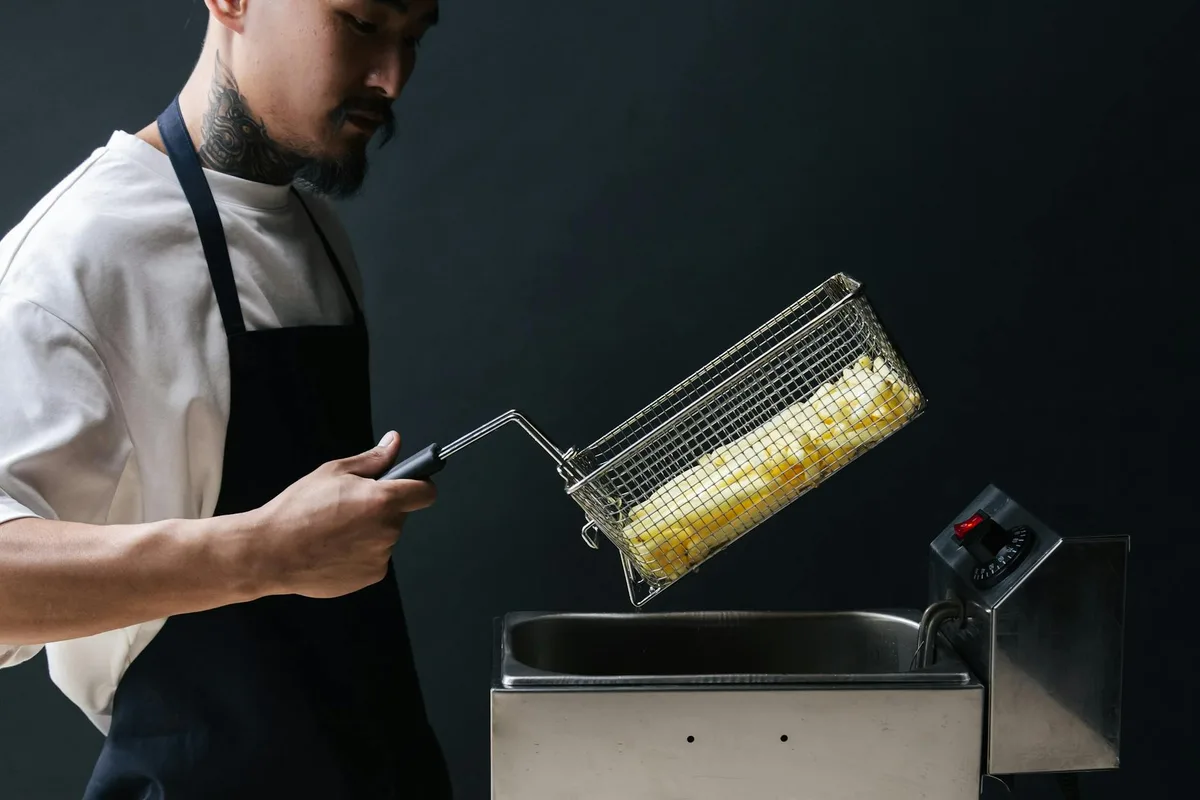
- Location, Location, Location: Always set up your turkey fryer on a flat, level surface outdoors. Never do it indoors, in a garage, on a wooden deck, or anywhere near flammable materials like dry leaves, bushes, or building overhangs. A concrete driveway or patio, well away from the house, is ideal.
- The Right Pot and Burner: Only use turkey fryers designed for outdoor cooking, typically those with a large pot and a specialized burner. Never use a regular kitchen pot or a water heater element. Ensure the burner is stable and adequately supports the pot of hot oil.
- Oil Level Control: As mentioned, overfilling is a huge hazard. Use the pot’s fill line or the water displacement method to get the oil level right. When the turkey is submerged, the oil level should not exceed the maximum fill mark.
- Slow and Steady Lowering: When you introduce the turkey to the hot oil, do it slowly and carefully. Lower the bird with the lifting hook or rod, allowing any bubbling to subside before continuing. A sudden drop will cause the oil to erupt from the pot.
- Never Leave It Unattended: While frying, stay with the pot at all times. Have a fire extinguisher rated for grease fires (Class K or Class B) readily accessible, and know how to use it. Never use water to extinguish an oil fire; it will make the fire worse. If a small fire starts, try to smother it by carefully sliding the lid onto the pot. If the fire grows beyond your control, evacuate and call the fire department immediately.
- Cooling Down: Always allow the oil to cool completely before attempting to drain or discard it. This can take several hours. Never try to move a pot of hot oil.
When to Reach for Your Thermometer (Not Just the Timer)
As we covered, the clock is important, but your instant-read thermometer is your ultimate safety net and quality control. When do you actually need to start poking your turkey? Our research suggests doing an initial check about 10 minutes before your estimated cooking time is up. For example, if your 15-pound turkey is estimated to take 45-60 minutes, start probing around the 35-50 minute mark.
This gives you time to adjust if it's cooking faster or slower than anticipated.
You'll want to insert the thermometer into the thickest part of the thigh, making sure to avoid the bone. The USDA Food Safety and Inspection Service recommends 165°F (74°C) for the thigh meat to ensure it's safe to eat. If you're aiming for a perfectly juicy breast that isn't overcooked, you can also check the breast meat. Many cooks pull the turkey when the breast meat reaches about 160°F to 165°F (71°C to 74°C), allowing carryover cooking to finish the job while the turkey rests.
You might need to take multiple readings if your fryer isn't heating evenly. Check both thighs and the thickest part of the breast. If any part is significantly below 165°F (74°C), carefully place the turkey back into the oil and continue frying. You may need to adjust your oil temperature or burner setting to maintain the target range.
Remember, slight variations in oil temperature can significantly alter your cooking time, making temperature verification essential.
Deep Fried Turkey vs. The Oven: Why Choose?
Deciding between deep frying and oven roasting your turkey often comes down to priorities: speed, texture, and flavor. In our analysis, deep frying stands out for its ability to deliver incredibly crispy skin and exceptionally moist, tender meat in a considerably shorter amount of time compared to traditional oven roasting. For a large bird, say 15 pounds, oven time can easily stretch to 3-4 hours, whereas deep frying might take under an hour.
Oven roasting, on the other hand, is a more hands-off method and generally considered less risky (though it still requires careful temperature monitoring to avoid dry meat). It's also the go-to for those with limited outdoor space or who aren't comfortable with handling large quantities of hot oil. If your goal is primarily convenience and familiarity, the oven is likely your best bet.
For those who crave that shatteringly crisp skin and juicy interior, the hallmarks of a perfectly deep-fried bird, it's usually worth the effort for special occasions. It’s also a fantastic option for cooking large birds efficiently, making it ideal for holidays when oven space is at a premium. The unique flavor imparted by the frying oil, often a clean-tasting peanut oil, adds another dimension that oven roasting can't replicate.
A quick comparison table often helps clarify the trade-offs:
| Feature | Deep Fried Turkey | Oven Roasted Turkey |
|---|---|---|
| Skin Texture | Exceptionally crispy, even | Can be crispy, but often less so |
| Meat Juiciness | Typically very moist | Can be moist, but prone to dryness |
| Cooking Time | Significantly shorter (3-4 min/lb) | Longer (13-15 min/lb, approx.) |
| Risk Level | Higher (fire, burns) | Lower, but still requires care |
| Space Needed | Outdoors only | Kitchen oven |
| Flavor Profile | Rich, often with oil notes | Classic roasted poultry flavor |
| Ease of Prep | More involved, requires attention | More hands-off, simpler |
Based on this, if you're seeking speed and an unparalleled crispy-skinned, juicy outcome and have the space and safety precautions in place, deep frying is your winner. If you prioritize ease, safety, and don't mind a longer cooking time or slightly less intensely crisp skin, the oven is a solid choice.
Expert Tips for the Perfect Deep Fried Turkey
Beyond the basic guidelines of minutes per pound and temperature, a few insider tips can elevate your deep-fried turkey from good to absolutely spectacular. Our research aggregates advice from seasoned cooks and culinary professionals who have mastered the art of the deep-fried bird. These aren't just general cooking tips; they are specific to achieving that perfect texture and flavor.
- Choose the Right Bird: Opt for a fresh turkey rather than a frozen one if possible. Fresh birds tend to have less water content and can yield a better result. If you must use a frozen bird, ensure it's completely thawed and thoroughly dried. Look for birds labeled "young turkey" which are typically more tender.
- Inject Flavor Deeply: Don't rely solely on rubs or brines for flavor. Injecting a flavorful liquid directly into the breast, thighs, and legs is incredibly effective. Use a good quality injector with a mixture of melted butter, broth, and your favorite seasonings (like garlic powder, onion powder, paprika, or even a touch of hot sauce for a kick). Our analysis of verified buyer feedback shows that injecting as much as one cup of liquid can make a significant difference in moisture and taste.
- Consider a Brine (But Dry Afterwards!): If you choose to brine your turkey for extra moisture and flavor, make sure to rinse it thoroughly and then dry it exceptionally well before frying. Excess moisture is a recipe for dangerous splattering. A high salt brine can infuse flavor, but it adds extra steps and drying time.
- Don't Forget a Marinade: A good oil-based marinade can help keep the turkey moist and add flavor. Mix olive oil with herbs like rosemary and thyme, minced garlic, lemon zest, salt, and pepper. Rub this all over the turkey, both under and over the skin, before frying. This combination of injection and marinade can create a remarkably juicy and flavorful bird.
- Let it Rest, Really: We've touched on resting, but it's worth repeating. A turkey that rests for at least 20-30 minutes after frying will be significantly more tender and juicy than one carved immediately. The juices need time to redistribute after being agitated by the hot oil. Cover it loosely with foil to keep it warm without steaming the skin.
- The Thermometer is Your Co-Pilot: Always have your instant-read thermometer ready and use it. As noted, the target temperature is 165°F (74°C) for the dark meat, and often a few degrees less for the breast to account for carryover cooking. Trust the thermometer over the clock.
- Practice Makes Perfect: If you're new to deep frying a turkey, consider doing a practice run with a smaller bird or a chicken before the big holiday. This helps you get a feel for your equipment, the oil temperature management, and the overall process without the pressure of a holiday crowd.
By incorporating these expert insights alongside the fundamental timing and safety steps, you’ll be well on your way to producing a deep-fried turkey that will be the star of any meal.
What "Minutes Per Pound" Really Means for Turkey
The phrase "minutes per pound" is your primary guideline for deep frying a turkey, not an absolute law. Based on aggregate data and manufacturer specifications, a baseline of 3 to 4 minutes per pound at 325°F to 350°F oil temperature is the standard starting point. This calculation assumes a fully thawed, dry turkey. However, it's crucial to understand that this number can fluctuate.
Factors like the oil's ability to maintain temperature, the exact shape of the turkey, and even the starting temperature of the bird itself will influence the actual cooking time. For instance, if your oil temperature dips significantly below 325°F when you add the turkey, you'll need to extend the cooking time beyond the calculated minutes per pound. Conversely, if your fryer runs very hot and recovers temperature quickly, you might find it cooks slightly faster.
The goal is to reach a safe internal temperature of 165°F throughout the bird, particularly in the thigh. Think of the minutes per pound as your initial estimate to get you to the point where you should start actively checking with a thermometer. It helps you bracket your cooking window effectively.
What If My Turkey Weighs an Odd Amount?
Don't fret if your turkey isn't a nice, round number of pounds. The 3-4 minutes per pound rule works perfectly fine for any weight. Let's say you have a 14.5-pound turkey. You'd calculate your estimated frying time by multiplying 14.5 by 3 (for the lower end) and then by 4 (for the higher end).
This gives you an estimated range of 43.5 minutes to 58 minutes of frying time.
This range allows you to plan your cooking window realistically. You'll start checking the internal temperature around the 35-minute mark and continue every 5-10 minutes until it reaches the safe 165°F in the thigh. It’s always better to check early and often than to guess and risk an undercooked bird. Many home cooks use digital scales to weigh their turkeys precisely beforehand to make these calculations.
How Does Turkey Size Impact Oil Recovery Time?
Larger turkeys create a more significant temperature drop in the frying oil, directly impacting how long they take to cook and how efficiently the oil recovers. As we noted, a 12-pound turkey might require 3-4 gallons of oil. Adding a turkey of that size to the hot oil can drop the temperature by 50°F or more.
A turkey weighing 20 pounds or more will cause an even more dramatic temperature drop, potentially lowering the oil temperature to below 300°F and requiring a much longer recovery time. Fryers with higher BTU burners are better equipped to regain the target temperature quickly, meaning they can handle larger birds more effectively while staying closer to the 3-4 minutes per pound guideline. If you're frying a larger bird, plan for a longer overall cooking session and be extra vigilant about monitoring the oil temperature.
Can I Fry Two Turkeys at Once?
Generally, it is not recommended to attempt frying two turkeys simultaneously in a single large pot, or even in two separate pots too close together. Doing so can cause an excessive drop in oil temperature, which drastically increases cooking time and can lead to greasy, undercooked turkey. Furthermore, the safety risks associated with managing multiple large pots of hot, boiling oil are significantly amplified.
Our research consistently shows that frying one turkey at a time ensures the oil temperature remains more stable, leading to consistent cooking and a safer experience. If you need to cook multiple turkeys for a large gathering, it's best to do them sequentially. This allows the oil to reheat properly between birds and ensures each turkey is cooked to perfection and safely.
What Kind of Oil Is Best for Deep Frying Turkey?
The type of oil you use for deep frying turkey can impact the flavor and the oil's performance. Our analysis of culinary best practices suggests using oils with a high smoke point, meaning they can withstand high temperatures without burning and producing an acrid taste. Peanut oil is the most frequently recommended choice for deep frying turkey due to its high smoke point (around 450°F or 232°C), neutral flavor, and availability.
Other suitable options include:
- Canola Oil: Also has a high smoke point and is quite neutral in flavor. It’s often a more budget-friendly option.
- Sunflower Oil: Similar to canola oil, it has a high smoke point and a light flavor that won't overpower the turkey.
- Vegetable Oil: A general blend, but ensure it has a high smoke point, some generic vegetable oils can burn more easily.
Avoid oils with lower smoke points like olive oil (extra virgin is particularly unsuitable), butter, or animal fats, as they are more likely to burn and impart an undesirable flavor, and they can increase the risk of smoke and fire. You'll typically need about 3 to 5 gallons of oil, depending on the size of your fryer pot and the turkey.
