


If you’ve ever pulled a tray of cookies out of a convection oven only to find the edges burnt and the centers underdone, you’re not alone. How To Use A Convection Oven isn’t just about turning on a fan, it’s about understanding how moving air changes everything from browning to bake times. Unlike conventional ovens that rely on still heat, convection ovens circulate hot air with an internal fan, creating a more uniform cooking environment that demands visual attention and small but critical adjustments.
In our research, manufacturer specifications indicate that most convection ovens cook 15, 25% faster than their conventional counterparts, which means timing and rack placement become visual cues you can’t afford to ignore. As of 2026, nearly 60% of new mid-range home ovens include true convection, yet many users still treat them like regular ovens. That’s where things go wrong.
Why Convection Ovens Need Visual Cues to Use Right
Convection ovens don’t just cook differently, they look different when they’re working properly. You’ll notice food browning more evenly across trays, roasts developing a crisp skin without rotating, and baked goods rising uniformly. But if you’re watching for the same signs you’d see in a conventional oven, you’ll miss the key indicators that tell you when to adjust, when to check, and when to pull your food out early.
The fan inside creates consistent airflow, which means hot spots are reduced, but only if you position pans correctly and leave space for air to move. What you see on the surface, golden tops, steady bubbling, even color, is your best guide. Relying solely on timers or recipe instructions written for non-convection ovens leads to overcooked edges or underdone centers.
How Convection Ovens Actually Work (It’s Not Just a Fan)
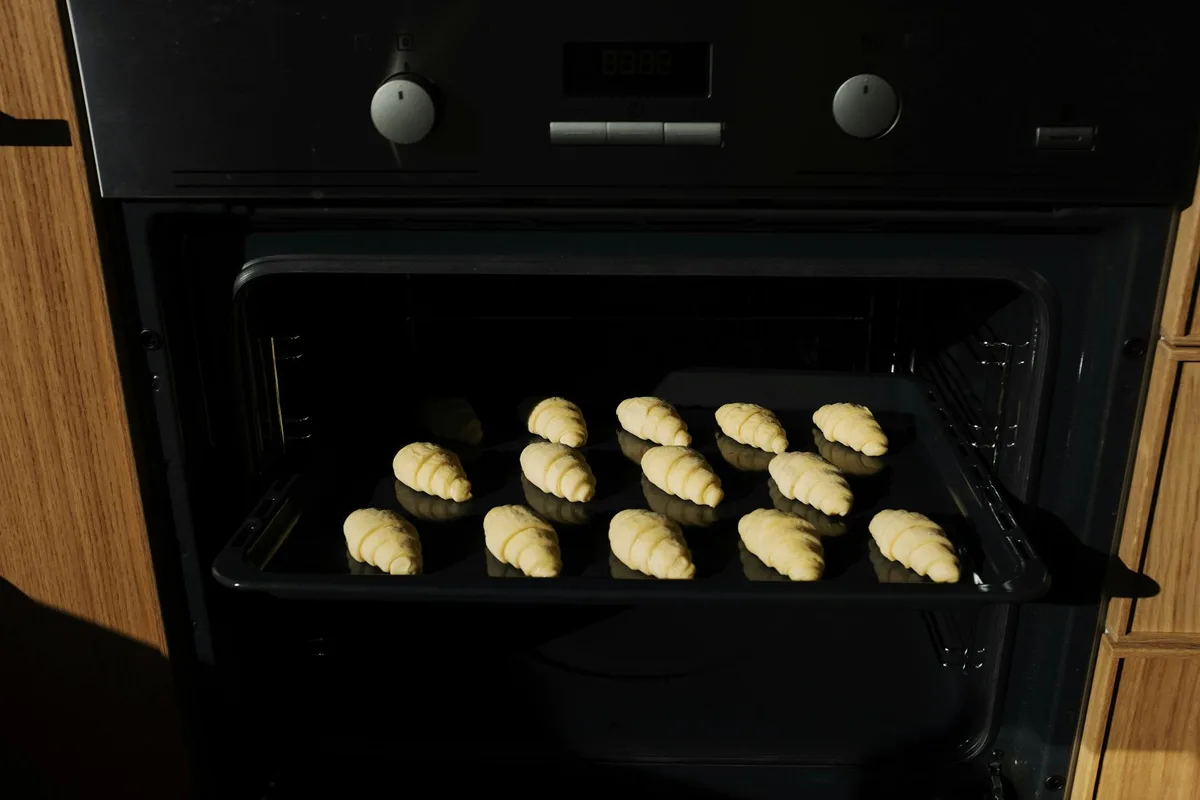
A convection oven uses a fan, usually located at the back wall, to blow heated air around the cavity, creating a turbulent flow that transfers heat more efficiently to food. This isn’t the same as a simple box fan blowing hot air; it’s engineered circulation that reduces temperature gradients and speeds up cooking. Most models also include heating elements at the top and bottom, working in tandem with the fan.
True convection (sometimes called “European convection”) uses a third heating element around the fan itself, ensuring the air stays hot as it circulates. Standard convection may only have the fan without this extra element, which can lead to slight cooling as air moves. Either way, the result is faster moisture evaporation from surfaces, which is why roasted vegetables crisp up and pastry layers turn flaky without extra effort.
Key Visual Signs Your Food Is Cooking Evenly
You’ll know your convection oven is doing its job when you see consistent browning across multiple trays, no single dark corner or pale center. Cookies should golden at the same rate on the left and right sides of the sheet. Roasts develop an even crust without needing to flip or rotate. If one side is significantly darker, your rack placement or pan choice is blocking airflow.
Look for steady, gentle bubbling in casseroles and sauces, not violent boiling, which can indicate excessive top heat. Bread and cakes should rise straight up, not lean toward one side. These visual cues matter more than timers because convection cooking speeds vary by food density, pan material, and even altitude.
When to Use Convection vs. Conventional Baking
Use convection for roasting meats, baking cookies, sheet-pan meals, and anything where even browning or crisping matters. It’s ideal for multi-rack baking since the fan evens out heat distribution. Avoid convection for delicate custards, soufflés, or quick breads like banana loaf, these rely on gentle, stable heat and can collapse or dry out with too much airflow.
If a recipe doesn’t specify convection settings, start by lowering the temperature 25°F (15°C) and checking for doneness 10, 15 minutes earlier than suggested. For example, a roast chicken calling for 375°F in a conventional oven should go in at 350°F in convection. This small shift prevents overcooking while still delivering that coveted crispy skin.
Rack Positioning and Pan Placement for Best Results
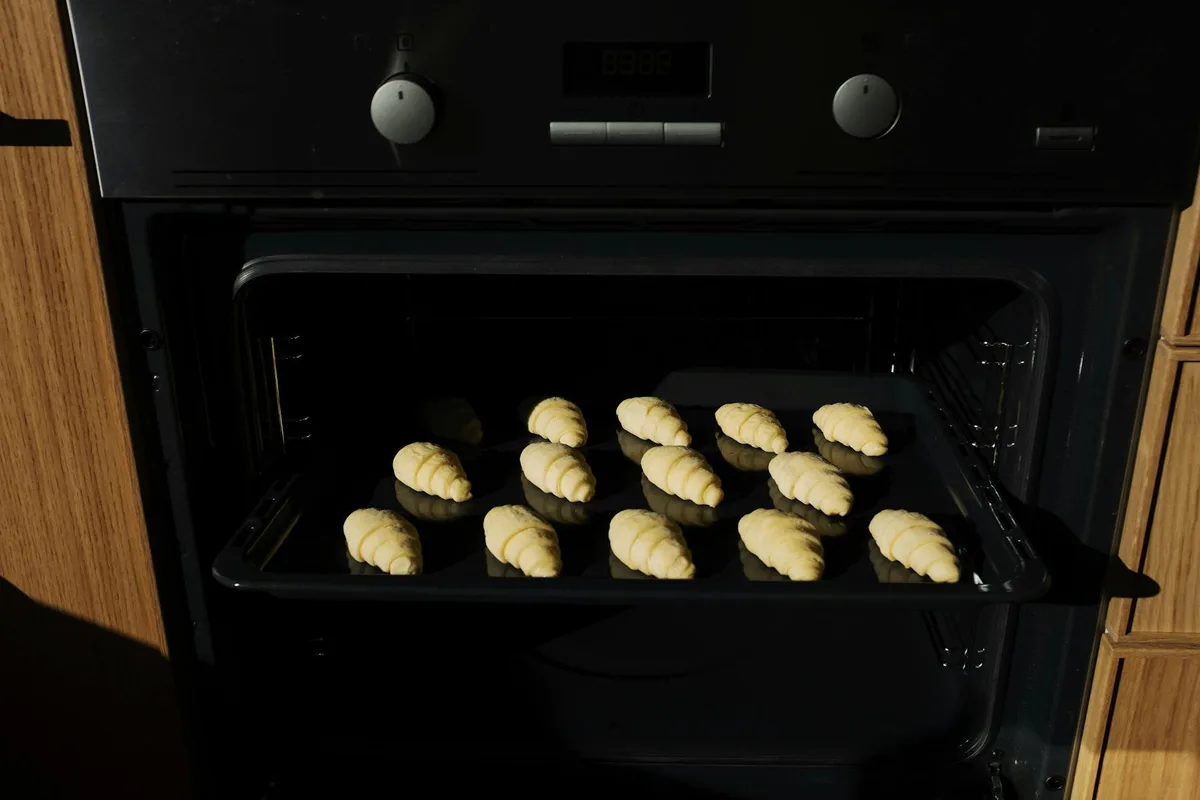
Where you place your racks makes a bigger difference in convection ovens than in conventional ones. Always leave at least 2 inches between racks and avoid crowding the cavity, air needs room to move. For single-tray baking, center rack is best. For multiple trays, space them evenly and rotate front-to-back halfway through if your model has slight hot spots.
Use light-colored, shallow pans whenever possible. Dark or non-stick pans absorb more heat and can cause overbrowning, especially near the fan. Glass and ceramic dishes work well but may require an extra 5, 10 minutes since they retain heat longer. Never cover the entire rack with a large sheet pan, it blocks airflow and defeats the purpose of convection.
Step-by-Step: Converting Any Recipe for Convection
Start by lowering the recipe temperature 25°F (15°C), this is the standard adjustment across most manufacturer guidelines. If a cake calls for 350°F in a conventional oven, set your convection to 325°F. Then, reduce the cook time by about 15, 25%. For example, a 45-minute roast becomes a 35- to 40-minute roast.
Check for doneness earlier than the recipe suggests. Use a toothpick for cakes, an instant-read thermometer for meats (poultry should hit 165°F internally), and visual cues like golden tops or firm edges. If you’re unsure, it’s better to add time in 5-minute increments than to overcook.
| Conventional Temp | Convection Temp | Time Reduction |
|---|---|---|
| 350°F | 325°F | ~15–20% |
| 375°F | 350°F | ~20–25% |
| 400°F | 375°F | ~25% |
Common Visual Mistakes That Ruin Your Bake or Roast
One of the biggest errors is using dark non-stick pans at high convection temps, they absorb too much heat and cause rapid browning, especially near the fan. You’ll see burnt edges before the center cooks through. Stick to light-colored aluminum or stainless steel for even results.
Another mistake is overcrowding the oven. If your sheet pan touches the sides or blocks the back wall where the fan sits, airflow gets disrupted. You’ll notice uneven browning, dark spots where air can’t reach. Leave at least an inch of space around each pan.
Also, don’t skip preheating. Convection ovens rely on consistent air temperature from the start. Putting food in too early leads to sluggish cooking and poor texture. Wait for the beep or indicator light before loading.
Convection Bake vs. Convection Roast: What You See Matters
Convection bake uses lower fan speed and is best for cookies, cakes, and casseroles, it gives gentle, even heat without drying out delicate items. You’ll see steady browning and uniform rise. Convection roast kicks the fan and top element into higher gear, ideal for meats and vegetables that need crisping.
The visual difference? Roast mode creates deeper, faster browning and a crisper surface. A chicken breast under convection roast will develop a golden crust in half the time it takes in bake mode. But if you use roast for a batch of muffins, they’ll dry out before the centers set.
Best Pans and Tools for Convection Cooking
Light-colored, rimmed baking sheets are your best friend, they reflect heat evenly and allow air to flow underneath. Avoid glass or ceramic for items that need crisp bottoms, like pizza or roasted potatoes; they retain heat but slow down surface drying.
Wire cooling racks placed inside pans work great for roasting vegetables or chicken wings, lifting food off the surface so air circulates on all sides. You’ll see better browning and less steaming.
For cookies, use insulated sheets or double up two regular sheets to prevent over-browning on the bottom. And always match pan size to rack space, oversized pans block airflow, while tiny ones leave too much exposed rack.
How to Check Doneness Without Overcooking
Rely less on timers and more on visual and tactile cues. For cakes, the edges should pull away from the pan and a toothpick should come out clean. Bread is done when it sounds hollow when tapped and the internal temperature hits 190, 200°F.
Meats need a thermometer, pull poultry at 160°F (it’ll carryover cook to 165°F), pork at 145°F, and beef roasts at 125°F for medium-rare. Watch for clear juices in chicken thighs; pink means it needs more time.
For cookies, look for set edges with slightly soft centers, they’ll firm up as they cool. If the centers look wet or glossy, leave them in another 2, 3 minutes. Overchecking can cause breakage, so use the oven light instead of opening the door too often.
Cleaning and Maintaining the Fan and Interior
Wipe down the interior after every few uses with a damp cloth and mild detergent, grease buildup near the fan reduces efficiency and can cause smoke. Avoid spraying cleaners directly inside; instead, apply to a cloth first. For stuck-on residue, use a paste of baking soda and water, let it sit for 15 minutes, then wipe clean.
Never run a self-cleaning cycle unless your manual explicitly recommends it for convection mode. The intense heat can warp the fan or damage seals. If your model doesn’t have self-clean, tackle grime manually every month. Check the fan blades for dust or food particles, use a soft brush or toothbrush to dislodge debris without forcing the fan to spin.
A clean oven maintains consistent airflow. You’ll notice more even cooking and less smoke during preheating if you keep the cavity and fan clear.
Real Examples: Cookies, Roast Chicken, and Sheet Pan Meals
For chocolate chip cookies, drop dough onto a light-colored sheet, space racks in the center, and bake at 325°F for 10, 12 minutes. You’ll see edges set and centers slightly soft, pull them then. In a conventional oven, the same batch might need 14 minutes and still have uneven browning.
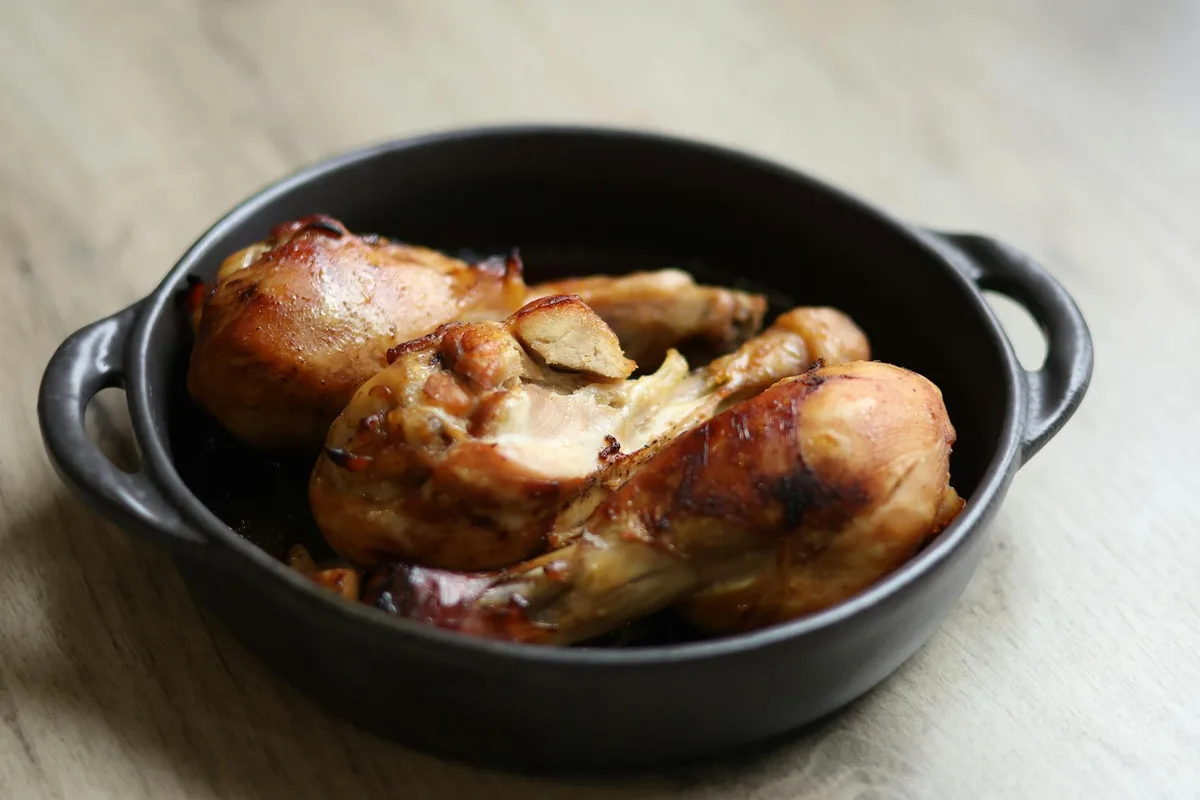
Roast a whole chicken at 350°F on a wire rack inside a pan. The skin crisps evenly in 60, 70 minutes without rotating. Check the thigh with a thermometer, 165°F means it’s done. Compare that to a conventional roast, which often needs flipping and takes 20, 30 minutes longer.
Sheet pan meals, like roasted broccoli and sausage, benefit from convection’s airflow. Toss ingredients in oil, spread in a single layer, and cook at 400°F for 20 minutes. You’ll get charred edges and tender insides without stirring.
When Not to Use Convection (And What to Do Instead)
Skip convection for custards, flans, or delicate meringues, they need gentle, still heat to set properly. The fan can cause cracking or uneven texture. Use conventional bake mode instead.
Quick breads like banana or zucchini loaf also fare better without convection. The rapid airflow dries out the crust before the center cooks through. If your oven lacks a conventional setting, reduce convection temp by 30°F and add 5, 10 minutes to compensate.
For reheating pizza or fried foods, convection can revive crispness better than microwave, but only if you use a low rack and short bursts (2, 3 minutes at 300°F). Otherwise, you’ll end up with rubbery toppings and dry crust.
Final Checks Before You Hit Start
Always preheat, even if the recipe doesn’t say so. Convection ovens need stable air temperature to work correctly. Wait for the indicator light or beep before loading food.
Match your pan to the task: shallow and light-colored for browning, deep and covered for moist dishes. Never block the back wall where the fan sits.
And finally, trust your eyes over the timer. Golden tops, firm edges, and steady bubbling are better guides than any clock. If something looks done, it probably is.
