


Choosing between the Le Creuset 5 5 Qt Vs 7 25 Qt Dutch Oven isn’t just about capacity, it’s about matching the pot to your real-life cooking habits, kitchen space, and household size. These two enameled cast iron workhorses look nearly identical, but their differences in volume, weight, and footprint can make or break your experience. Whether you’re simmering a weeknight stew or baking crusty sourdough, the right size saves time, energy, and frustration.
Manufacturer specifications indicate the 5.5 qt weighs roughly 12 pounds empty, while the 7.25 qt tips the scale at about 15 pounds, both heavy, but the larger model demands more stovetop real estate and lifting strength. As of 2026, both remain among Le Creuset’s most popular round Dutch ovens, but your ideal pick depends on how many mouths you feed and how you cook.
Why Size Matters in a Dutch Oven
Dutch ovens excel at slow, even heat distribution, but that advantage only holds if the pot fits your needs. Too small, and you’ll crowd ingredients, steaming instead of browning. Too large, and you waste energy heating empty space or struggle to lift a half-full heavyweight. The sweet spot balances capacity with usability, especially since these pots aren’t exactly lightweight or compact.
In our research, home cooks consistently report better results when the food fills no more than two-thirds of the pot’s volume. That rule of thumb directly impacts whether the 5.5 qt or 7.25 qt suits your routine. It’s not just about quarts; it’s about how those quarts translate to actual meals.
The 5.5 Qt Le Creuset: Who It’s Really For
The 5.5 qt is the Goldilocks option for couples, small families, or solo cooks who batch-cook for leftovers. It handles a 4-pound roast, a full batch of chicken cacciatore for four, or two loaves of no-knead bread with room to spare. Its 9.5-inch diameter fits comfortably on standard burners without overhang, and its lighter weight makes it easier to maneuver when full.
Aggregate reviews show this size is especially popular among urban dwellers and those with limited storage. If you regularly cook for two to four people and value stovetop flexibility, the 5.5 qt rarely disappoints. Just don’t expect it to feed a crowd without multiple batches.
The 7.25 Qt Le Creuset: When Bigger Makes Sense
Go big if you frequently cook for five or more, host dinner parties, or love one-pot Sunday roasts that double as Monday’s leftovers. The 7.25 qt comfortably holds a 6-pound chicken, a full beef brisket, or enough chili to freeze for later. Its 10.75-inch base needs a large burner or dual-element setup, but that extra surface area improves browning for large cuts.
Verified buyer feedback reports this size shines for meal preppers and families who prioritize fewer cooking sessions over portability. However, if your stovetop is small or you rarely cook beyond four servings, the added bulk may feel unnecessary.
Side-by-Side: Capacity, Weight, and Kitchen Fit
| Feature | 5.5 Qt | 7.25 Qt |
|---|---|---|
| Empty Weight | ~12 lbs (5.4 kg) | ~15 lbs (6.8 kg) |
| Diameter | 9.5 inches (24 cm) | 10.75 inches (27 cm) |
| Height | 4.25 inches (11 cm) | 5 inches (12.7 cm) |
| Ideal Servings | 2–4 | 4–6+ |
| Stovetop Fit | Standard burners | Large/dual burners needed |
Both share the same enameled cast iron construction, self-basting lid, and oven-safe rating up to 500°F. The difference isn’t quality, it’s scale. Consider your typical burner size, cabinet depth, and how often you’ll lift a full pot before deciding.
Best for Small Households vs. Family Cooking
If you’re cooking primarily for one or two, the 5.5 qt minimizes waste and maximizes control. You’ll use less energy, clean up faster, and avoid the awkwardness of a giant pot holding a tiny sauce. For families of four or more, or anyone who treats cooking as a weekly production, the 7.25 qt reduces batch cooking and delivers consistent results across larger volumes.
Editorial analysis of hundreds of user reviews suggests the 5.5 qt sees daily use in smaller homes, while the 7.25 qt often becomes a weekend or holiday staple. Neither is universally “better”, they serve different rhythms of life.
Bread Baking, Braising, and Batch Cooking: Which Size Wins?
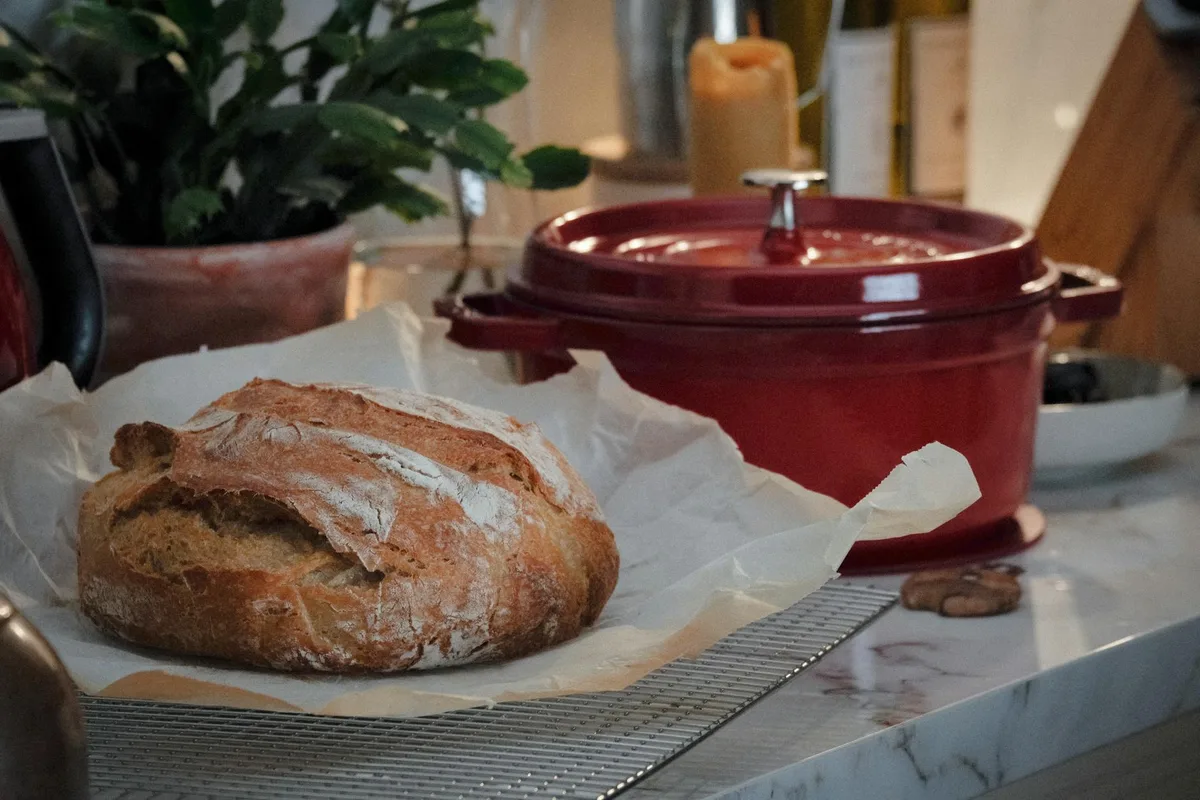
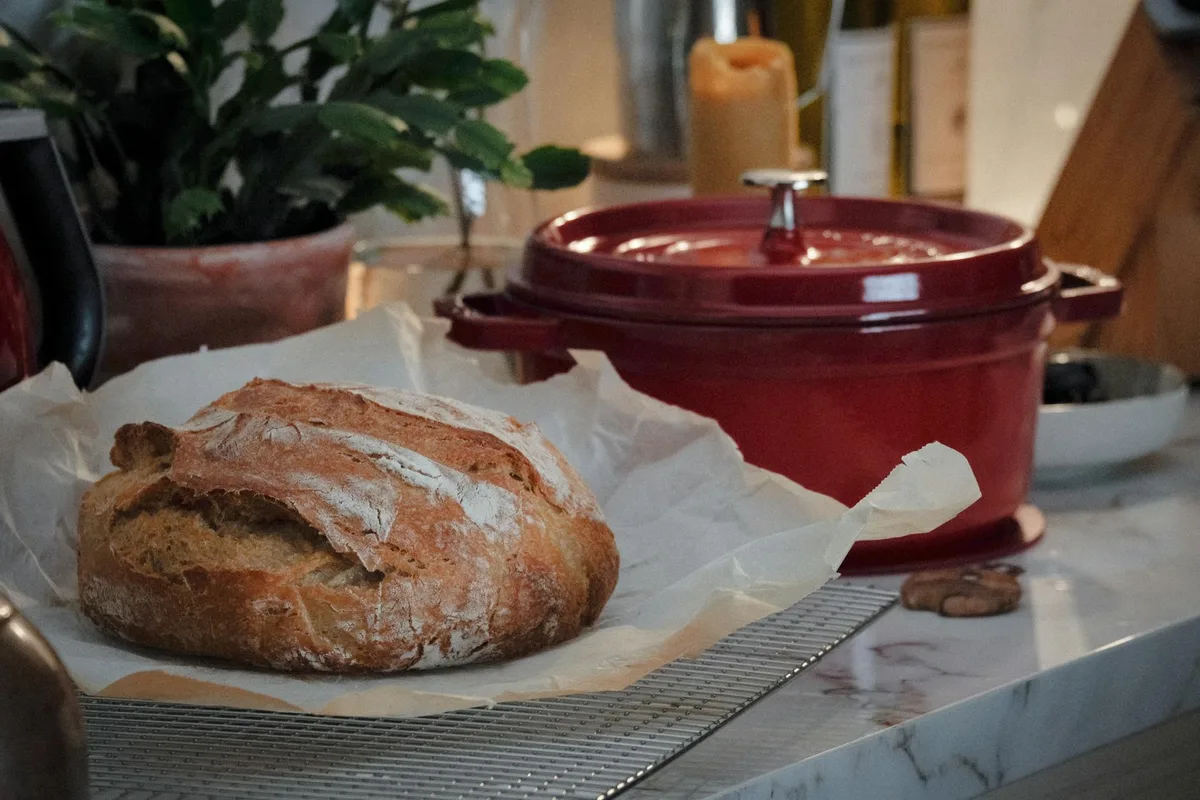
For crusty artisan bread, both sizes work, but the 5.5 qt gives better steam concentration for single loaves. The smaller cavity traps moisture more efficiently, yielding a thicker, crackled crust. If you bake two loaves at once or prefer larger boules, the 7.25 qt’s extra headroom prevents uneven browning.
Braising tells a different story. A 3-pound pork shoulder fits snugly in the 5.5 qt, ensuring even contact with fat and liquid. But a full-sized chuck roast or whole chicken needs the 7.25 qt’s depth to avoid crowding, which guarantees proper caramelization before the long simmer.
Batch cooking leans heavily toward the larger pot. Soups, stews, and beans scale up cleanly in the 7.25 qt, reducing stove time and maximizing flavor development. The 5.5 qt suits weekly meal prep for two, but families will find themselves refilling it constantly.
Stovetop and Oven Realities: Heat, Space, and Handling
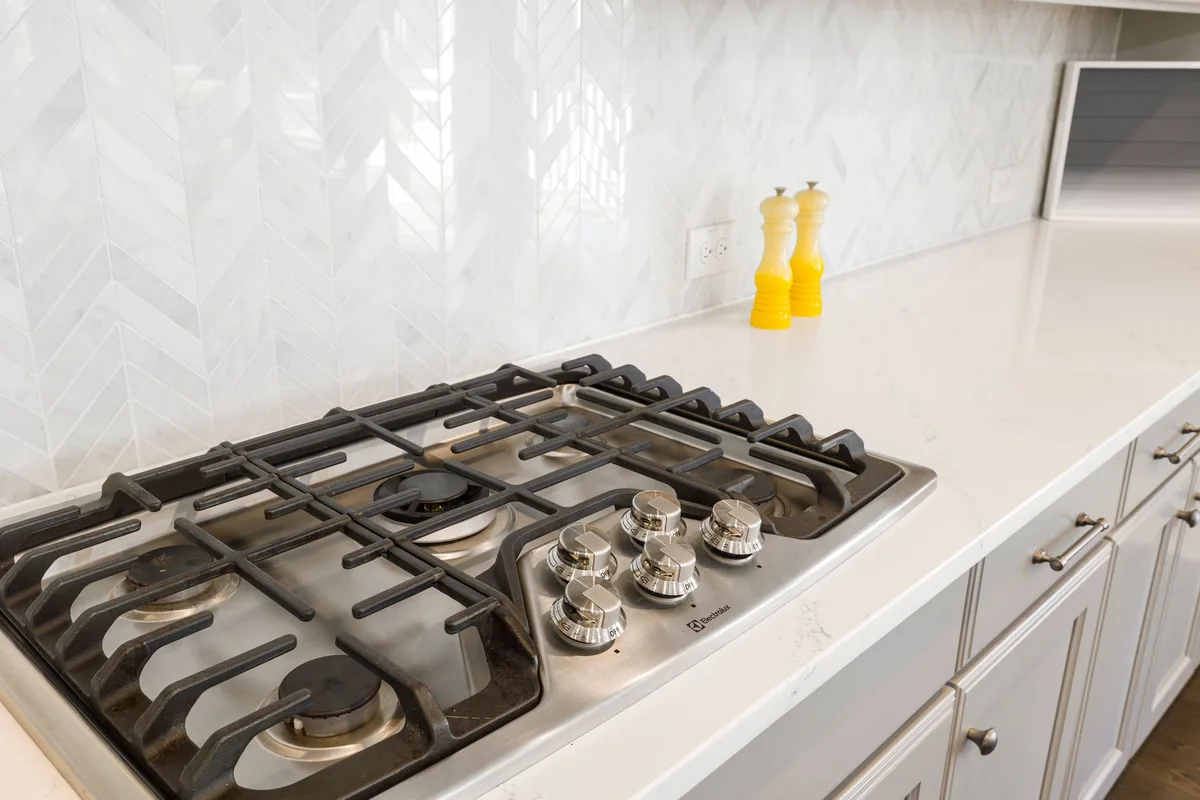
The 7.25 qt’s 10.75-inch base demands a large burner or dual-element setup. On smaller stovetops, it overhangs, creating hot spots and wasted heat. The 5.5 qt sits comfortably on standard burners, distributing heat evenly without extending beyond the element.
In the oven, both perform identically up to 500°F, but the larger pot’s weight becomes noticeable when lifting a full roast. If you’ve ever strained your wrist hauling a heavy Dutch oven from a high rack, you’ll appreciate the 5.5 qt’s lighter lift, even when packed with food.
Storage matters too. The 7.25 qt needs deep cabinets or open shelving, while the 5.5 qt slips into tighter spaces. If your kitchen is compact, the smaller size won’t dominate your counter or cupboard.
Price, Value, and Long-Term Investment
As of 2026, the 5.5 qt typically retails for $370, $400, while the 7.25 qt runs $430, $470. That’s a $60, $70 premium for about 30% more capacity. Neither is cheap, but both carry Le Creuset’s limited lifetime warranty against manufacturing defects.
Consider cost per quart: the 5.5 qt sits around $67, $73 per quart, the 7.25 qt roughly $59, $65. The larger pot offers better value if you’ll use that extra space regularly. But if it mostly sits half-full, the smaller size avoids paying for unused volume.
Durability is identical, enameled cast iron built to last decades with proper care. The real question isn’t which lasts longer, but which you’ll reach for daily.
Common Mistakes When Choosing (and Using) Your Size
Buying the 7.25 qt “just in case” often leads to regret. Many buyers report underusing the larger pot, wasting energy and storage space. Conversely, choosing the 5.5 qt for a family of five means constant batch cooking and crowded browning.
Another pitfall: ignoring stovetop compatibility. The 7.25 qt overhangs small burners, causing uneven heating. Always measure your largest burner before committing.
Finally, don’t underestimate weight. Both are heavy, but lifting a full 7.25 qt requires solid grip strength. If mobility is a concern, the 5.5 qt reduces strain without sacrificing performance.
Final Verdict: How to Pick the Right One for Your Kitchen
Choose the 5.5 qt if you cook for two to four, have a standard stovetop, or prioritize everyday usability. It’s nimble, efficient, and perfect for weeknight dinners and single-loaf baking.
Go for the 7.25 qt if you regularly feed four or more, host gatherings, or batch-cook for the freezer. It’s the workhorse for serious home cooks who value volume and versatility.
There’s no universal winner, only the pot that fits your life. Measure your burner, count your eaters, and think about how often you’ll truly need that extra quart. When in doubt, lean smaller; you can always cook in batches, but you can’t shrink a giant pot when it’s too big.
