


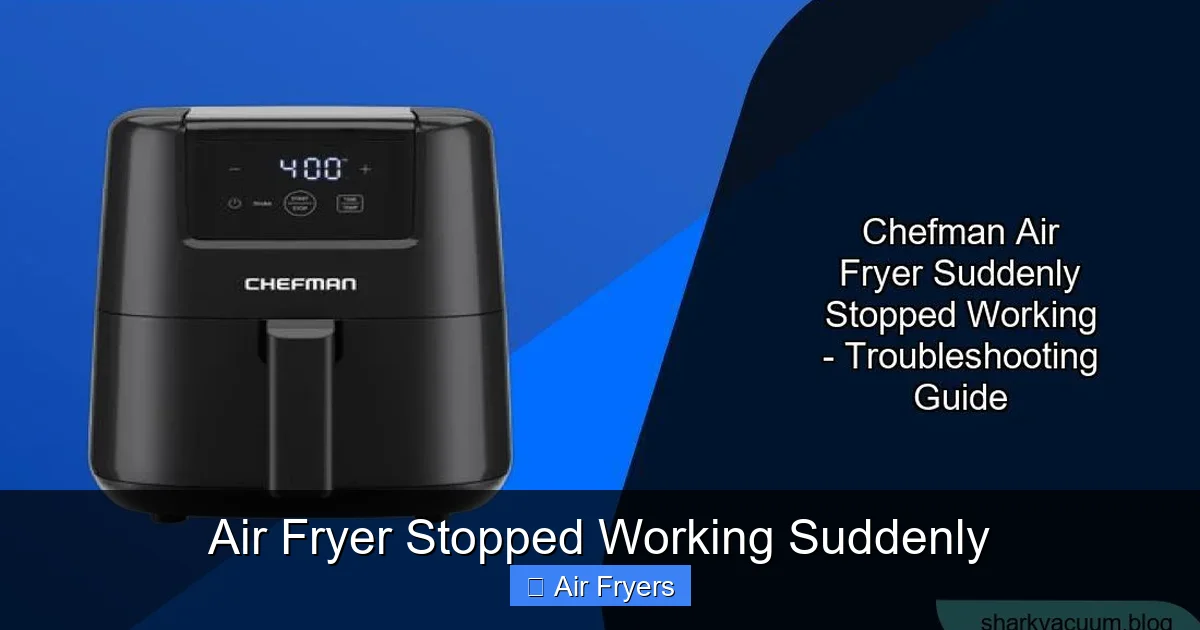
An air fryer that stops working suddenly can be frustrating, but most issues have simple solutions. Whether it’s a power problem, overheating, or a faulty component, knowing how to diagnose the issue can save time and money. This guide walks you through practical steps to identify the cause and get your air fryer back in action safely and efficiently.
If you’re like most people, you rely on your air fryer to make quick, healthy meals with minimal effort. It’s one of those kitchen gadgets that becomes indispensable once you start using it—until, suddenly, it just stops working. One moment it’s crispy bacon sizzling away, and the next, nothing happens when you press the power button. An air fryer stopped working suddenly can leave you frustrated, especially if dinner’s already started. But don’t panic. Most sudden failures aren’t signs of total breakdown; they’re often simple issues that anyone can troubleshoot with a little know-how.
Before you decide to replace your air fryer, take a deep breath. The first step is understanding why it might have shut down. Was it during use? Did you hear a pop or smell something burning? Was it plugged in the whole time? Answering these questions helps narrow down the cause. In this article, we’ll walk through common reasons why an air fryer stops working suddenly, how to diagnose the problem, and what steps you can take to fix or prevent it from happening again. We’ll also share tips on choosing a reliable model so you don’t face this issue down the line.
Key Takeaways
- Power Supply Issues: A tripped circuit breaker, unplugged cord, or blown fuse often causes sudden shutdowns. Always check the outlet and power source first.
- Overheating Protection: Many air fryers automatically turn off when they overheat. Let it cool for 30–60 minutes before restarting to reset the safety mechanism.
- Faulty Heating Element or Fan: If your air fryer runs but doesn’t heat, the heating coil or fan may be damaged. These components are hard to fix at home without tools.
- Timer or Control Board Malfunction: Electronic glitches in the timer or control panel can stop operation. Try unplugging for 5–10 minutes to reboot the system.
- Cooking Basket Misalignment: If the basket isn’t properly seated, some models won’t start. Ensure it’s fully inserted and the latch is secure.
- Warranty Coverage: Check if your model is still under warranty—many manufacturers cover sudden failures within the first 1–2 years.
📑 Table of Contents
Common Reasons Why Your Air Fryer Stopped Working Suddenly
There are several likely culprits when your air fryer decides to call it quits all of a sudden. While every model is slightly different, many share similar failure points. Below, we break down the most frequent causes so you can pinpoint the issue quickly.
1. Power Supply Problems
The simplest explanation for an air fryer not turning on is often the most overlooked: a loose plug or unpowered outlet. It sounds basic, but it happens more than you think. Before assuming a major malfunction, double-check:
- Is the power cord fully inserted into both the air fryer and the wall outlet?
- Try plugging another device into the same outlet to confirm it’s live.
- If you’re using a power strip or extension cord, test the fryer directly in the wall outlet.
Also, inspect the cord itself. Frayed wires or bent prongs can interrupt the connection. If the cord looks damaged, avoid using it until repaired or replaced.
2. Overheating Safety Mechanism
Modern air fryers come with built-in thermal protectors that shut off the unit if it gets too hot. This usually happens after prolonged use or if the exhaust vent is blocked. When triggered, the fryer powers off automatically and may display an error code or simply refuse to turn back on immediately.
In this case, the solution is simple: unplug the air fryer and let it cool completely—usually 30 to 60 minutes. Once cooled, plug it back in and try again. Most models will resume normal operation without further issues.
3. Faulty Timer or Control Panel
Like any electronic device, air fryers rely on internal circuits to manage settings and timing. Sometimes, these can glitch due to voltage spikes, moisture (from cleaning), or general wear. You might notice the display flickers, buttons become unresponsive, or the unit powers on but doesn’t respond to inputs.
A quick fix is to perform a hard reset: unplug the fryer for at least 10 minutes. This allows the internal capacitors to discharge and resets the control board. Afterward, reconnect and test. If the problem persists, the control board may need professional attention.
4. Heating Element or Fan Failure
If your air fryer turns on but doesn’t heat up, the issue is likely with the heating element or the fan responsible for circulating hot air. Without airflow, food won’t crisp properly, and the unit may shut down as a safety measure. You can usually tell if the fan isn’t spinning by listening for silence where there should be a gentle hum.
Unfortunately, replacing these parts requires technical skill and specific tools. Unless you’re handy with electronics, it’s best to contact the manufacturer or seek professional repair. Some brands offer service centers or mail-in repair programs.
5. Basket or Latch Misalignment
Some air fryer models won’t operate unless the cooking basket is fully seated and locked in place. If the basket shifts during cleaning or cooking, the safety sensor may interpret this as a hazard and prevent startup. Similarly, if the latch mechanism is broken or dirty, it might not register correctly.
Always ensure the basket clicks securely into the base. Clean the latch area regularly to prevent buildup that could interfere with engagement. Never force the basket—if it doesn’t fit snugly, inspect for debris or damage.
How to Troubleshoot a Sudden Air Fryer Shutdown
When your air fryer stops working suddenly, a systematic approach makes diagnosis easier. Follow these steps in order:
Step 1: Check the Basics First
Start with the obvious: power source, plug connection, and outlet functionality. Use a lamp or phone charger to test the outlet. Then examine the power cord for visible damage. If everything checks out, move to the next step.
Step 2: Inspect for Error Codes
Many modern air fryers display error messages (like E1, E2, or Lo) on the digital screen when something goes wrong. Refer to your user manual to decode these. For example, “E1” might mean temperature sensor failure, while “Lo” indicates low temperature detection.
If no code appears, proceed to physical inspection.
Step 3: Reset the Unit
Unplug your air fryer for at least 10 minutes. This resets the internal electronics and clears temporary faults. Afterward, plug it back in and attempt to power on. This resolves many software-related glitches.
Step 4: Test Without Load
Sometimes food residue or oil buildup near sensors can trigger false shutdowns. Run an empty cycle at a low temperature to see if the fryer operates normally. If it does, clean the interior thoroughly—especially around vents and the heating element.
Step 5: Listen and Look
Turn on the air fryer and listen for unusual noises—clicks, buzzes, or silence where sound should be present. Also, watch for smoke, sparks, or burning smells. These indicate serious electrical issues requiring immediate disuse and professional help.
By following this checklist, you’ll likely identify the root cause without needing replacement parts or service calls. And remember, regular maintenance significantly reduces the chance of unexpected failures.
Preventative Maintenance Tips to Avoid Future Breakdowns
The best way to handle an air fryer that stopped working suddenly is to prevent it from happening in the first place. Simple habits go a long way toward extending your appliance’s life and reliability.
Clean After Every Use
Residue buildup inside the fryer can block vents, overheat components, and confuse sensors. Wipe down the basket, tray, and exterior after each use. For stubborn grease, soak removable parts in warm, soapy water—never submerge the main unit in liquid.
Avoid Overfilling
Overloading the basket restricts airflow, forcing the fan and heater to work harder. This increases strain and raises the risk of overheating. Stick to recommended fill levels and avoid stacking items.
Use Compatible Accessories
Cheap or ill-fitting baskets and trays can misalign and trigger safety locks. Always use manufacturer-approved accessories. Consider upgrading to high-quality nonstick trays if yours wears out.
Store Properly
Keep your air fryer in a dry, well-ventilated area. Don’t store it in cabinets with poor airflow, especially if recently used. Moisture trapped in a hot fryer can lead to mold or short circuits over time.
Follow Manufacturer Guidelines
Each model has unique care instructions. Read the manual for cleaning frequency, recommended oils, and usage limits. Some brands advise against certain foods (like sugary items) that can caramelize and clog vents.
Implementing these practices won’t just prevent sudden shutdowns—they’ll also keep your air fryer running smoothly for years. Think of it as investing in peace of mind with every meal.
When to Call a Professional vs. DIY Fixes
Knowing whether to attempt a repair yourself or call a technician is crucial for safety and effectiveness.
DIY Is Safe For:
- Checking power connections and outlets
- Resetting the unit by unplugging
- Cleaning internal components
- Replacing easily removable parts like baskets or trays
Call a Pro When:
- You smell burning or see smoke
- The control panel is cracked or unresponsive
- The heating element or fan shows physical damage
- Error codes persist after resetting
- Your unit is still under warranty (self-repair may void coverage)
Most reputable brands offer customer support lines or online portals where you can submit diagnostic questions. They can guide you through troubleshooting or arrange authorized repairs. Always verify service providers through official channels to avoid scams.
Choosing a Reliable Air Fryer to Minimize Failures
If your current air fryer has failed unexpectedly, it might be worth considering a replacement—especially if it’s older or frequently malfunctioned. Investing in a quality model from a trusted brand reduces the likelihood of sudden breakdowns.
Look for features like:
- Solid build quality – heavier metal housings last longer than plastic ones
- Clear error messaging – helps you understand issues faster
- Easy-to-clean surfaces – reduces maintenance-related problems
- Strong warranties – typically 1–2 years covers sudden failures
For families or heavy users, consider larger capacity models with dual-zone cooking. And if space is tight, compact designs like the ones featured in our Best Air Fryer for Small Kitchens guide offer efficient performance without clutter. For everyday convenience, explore options from top-rated brands listed in Best Air Fryer Brands 2025, which prioritize durability and customer satisfaction.
Whether you’re making french fries, roasting chicken, or baking desserts, a dependable air fryer transforms busy nights into stress-free meals. And with proper care, it becomes a kitchen staple you’ll never want to live without.
Frequently Asked Questions
Why did my air fryer turn off by itself?
Most likely due to overheating. Air fryers have safety mechanisms that shut them down if they exceed safe temperatures. Unplug it, let it cool for 30–60 minutes, then restart. If it works afterward, the issue was temporary overheating.
Can I fix my air fryer myself if it stopped working?
Yes, for minor issues like power supply problems or cleaning residue. Start with checking the plug, outlet, and performing a hard reset. However, avoid opening internal components unless you’re experienced—electrical repairs require caution.
How do I know if my air fryer is broken permanently?
If it won’t turn on after resetting, shows no signs of power, or emits smoke/strange smells, it may be irreparable. Also, if it’s old and frequently malfunctioned, replacement might be more cost-effective than repair.
What should I do if my air fryer won’t heat up?
First, ensure the basket is properly seated. Then unplug and reset the unit. If it still doesn’t heat, the heating element or thermostat may be faulty. Contact the manufacturer—especially if under warranty.
Is it safe to use an air fryer that stopped working suddenly?
Only if you’ve identified and fixed the issue. Never use a fryer that smells burning, shows sparks, or has visible damage. Electrical faults can pose fire or shock risks and should be addressed immediately.
How can I prevent my air fryer from stopping suddenly?
Clean it regularly, avoid overloading, store it properly, and follow the user manual. Regular maintenance reduces strain on components and prevents overheating or sensor errors.
