


Yes, you can grow a cherry tree from a cherry pit. It's free, hands-on, and satisfying if you're patient. But there's a critical catch: most home growers end up disappointed because the timeline is long and the fruit won't match the parent tree.
Before you decide if it's worth trying, you need to know three things: how long you'll actually wait, why true-to-type cherries rarely happen from seed, and when buying a grafted sapling makes more sense. The good news is that once you understand these factors, you can make a real decision instead of finding out halfway through.
Can You Really Grow a Cherry Tree From a Pit?
Yes, it works. Cherry pits will germinate and grow into trees if you give them the right conditions. But you're not cloning the parent tree, you're growing something entirely new.
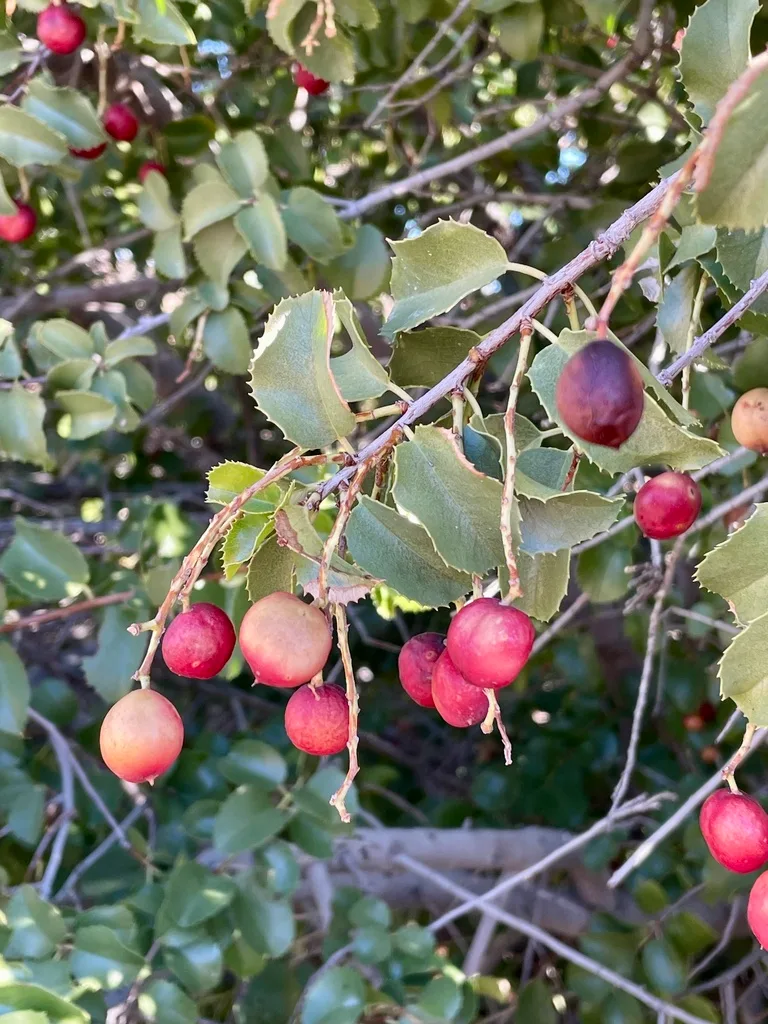
When you plant a cherry pit, you're working with a seed that carries genetic material from both parent trees. That means the cherries on your tree might taste sweeter, smaller, less juicy, or completely different from the original. It's botanical lottery. Orchardists use grafting specifically to avoid this problem, but seed-growing accepts it as part of the game.
This variation doesn't matter if you're growing for the ornamental value or just experimenting. But if your goal is to recreate that perfect Bing cherry from your neighbor's tree, seed-growing is the wrong path.
Beyond the fruit quality question, you're also betting on timeline, space, climate match, and years of care. These factors together determine whether this is worth your effort.
Timeline Reality: How Long Before You Get Fruit?
The first thing most people ask: how long? The honest answer is 5 to 10 years before your tree produces meaningful fruit. Some trees fruit earlier, some take longer. It depends on the cherry variety, your growing conditions, and whether you're patient enough to wait that long.
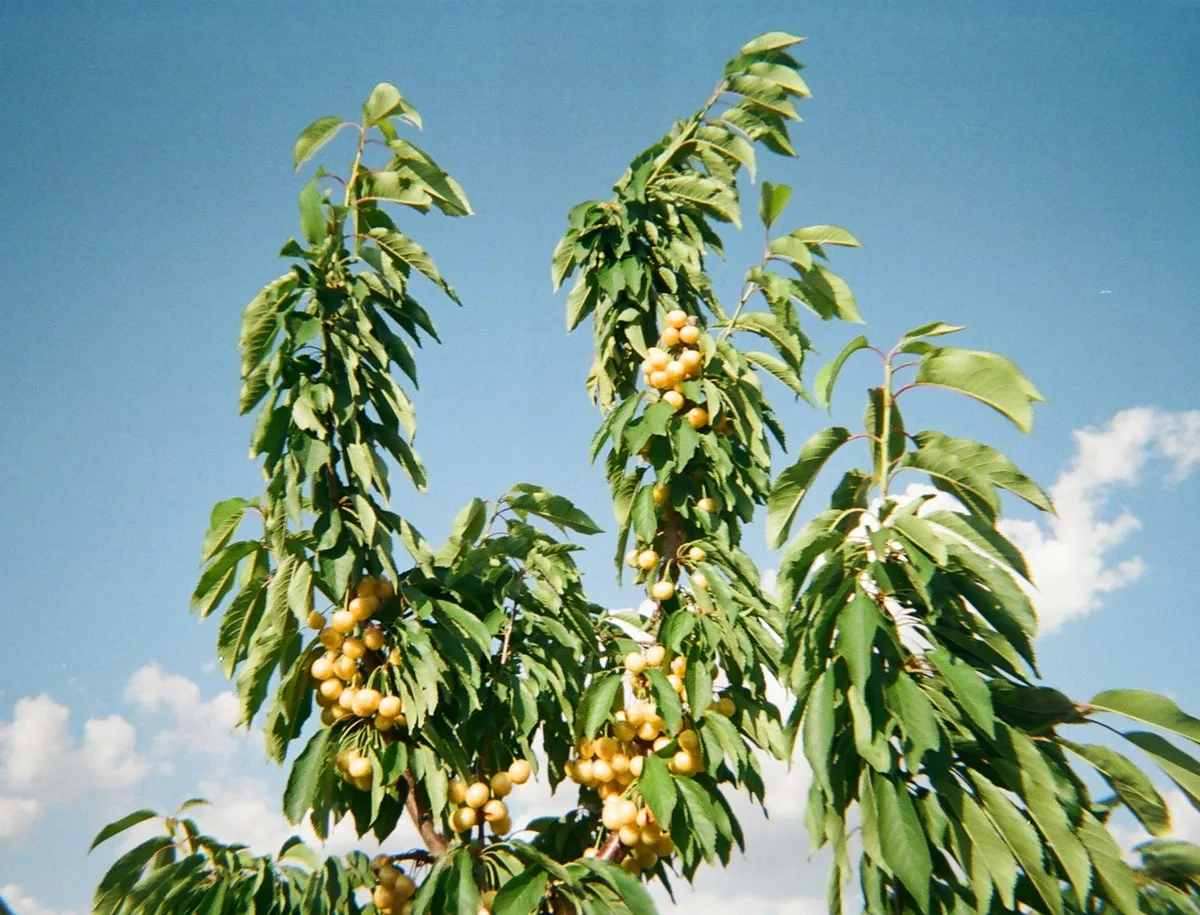
Compare that to buying a grafted sapling from a nursery, which typically produces fruit in 2 to 3 years. That's a massive difference, and it's why most home growers don't bother with seed.
If you're a grandparent planting a tree for your grandchildren, the timeline feels romantic. If you're someone who wants fresh homegrown cherries in a few years, seed-growing will test your patience to the breaking point.
The timeline also varies by climate. In colder zones, trees grow more slowly. In warmer zones, they accelerate but might struggle with the chilling hours they need to flower. So your specific location matters a lot.
The Main Catch: Why Your Cherries Might Not Match
Here's the real limitation: commercial cherry varieties like Bing, Rainier, and Montmorency are grafted clones, not seed lines. Nurseries propagate them by grafting a cutting from the original tree onto rootstock. That guarantees genetic identity. The fruit tastes the same every time.
When you plant a seed, you break that genetic lock. The fruit characteristics scatter across a wide range. You might get a cherry that's mostly similar, or you might get something that barely resembles the parent tree.
This happens because cherry trees carry two copies of each gene. When seeds form, those genes shuffle. Some seedlings inherit the sweet-fruit genes from one parent but the small-size genes from the other. Some inherit disease resistance but lose flavor.
It's genetic recombination, and it's why commercial growers don't rely on seeds for premium varieties.
The only way to guarantee identical fruit is grafting. Seed-growing is inherently a gamble on flavor, sweetness, size, and ripening time. Is the gamble worth it? That depends on whether you're OK with mystery cherries.
Some people actually enjoy the surprise. Others find it frustrating.
Three Questions That Determine If You Should Try
Before you commit, ask yourself three honest questions. Your answers will tell you whether this is realistic or whether you should take a different path.
First question: Do you live in a climate where cherries actually grow? Cherries need chilling hours (roughly 600 to 2,000 hours below 45°F per year, depending on variety) and summer warmth to ripen. If you're in zones 4 through 7, you're usually fine.
Zones 8 and 9 need low-chill varieties and are a harder gamble. Zones 1 through 3 or zone 10-plus are probably too extreme for standard cherries.
Second question: Can you genuinely wait 5 to 10 years? If you want fruit within 3 years, seed-growing will frustrate you. Buy a grafted tree instead. If you're OK with a long timeline and view it as a legacy project, you're in the right mindset.
Third question: Does mystery fruit bother you? If you're fixated on recreating a specific cherry flavor, seed-growing is the wrong bet. If you're OK with whatever you get, or actually excited about the surprise, you're good to proceed.
Yes to all three? You've got a real shot at this. No to any? Look at the next section first.
The Easier Route: When to Buy a Grafted Sapling
If any of those three questions gave you pause, here's the reality check: buying a grafted cherry sapling from a nursery is almost always the smarter choice for home growers.
A grafted tree is a cultivar (a named variety like Bing or Rainier) joined to rootstock. The scion, or top part, produces identical fruit to the original tree. You lose the free-seed angle and the learning experience, but you gain certainty. A tree from the nursery costs $30 to $100, depending on size and variety, and it produces fruit in 2 to 3 years instead of 5 to 10.
That 2-3 year difference is huge in real life. You're not waiting a decade for the payoff.
Who should buy instead of grow? Anyone in zones 8 or 9 where low-chill varieties are essential (and hard to source as quality seeds). Anyone who wants fruit in their lifetime, not for their grandkids.
Anyone who dislikes risk. Anyone who loves a specific cherry variety and wants to guarantee that flavor.
In reality, this covers most backyard growers. Seed-growing isn't the default path for cherries like it is for some other plants. It's the experimental path.
That said, if you answered yes to all three questions and you're still curious, the next sections walk you through exactly how to do it right.
When Growing From Seed Is Actually Worth It
Growing from seed makes sense if you fit a few specific situations. You're genuinely OK with the mystery, you enjoy gardening as a process rather than just for results, and you have a decade of patience in your back pocket.
It's also worth it if you're interested in testing different cherry varieties from local orchards and seeing what genetic traits pop up. Some growers find this educational. It teaches you how climate and genetics shape fruit.
One legitimate scenario is if you live in a region where specific cherry cultivars struggle and you want to create your own adapted variety. Collecting seeds from trees that thrive locally, growing seedlings, and selecting the best-performing trees over several years is how new regional cultivars develop. It's slow, but it works.
If you're also growing primarily for ornamental value and don't mind if fruit production is sparse or irregular, seed-growing is low pressure. Cherry trees are beautiful. The flowers, foliage, and form matter just as much as the fruit.
The final case: you're curious and have excess cherry pits from eating fresh cherries anyway. Experimenting with a handful of pits costs nothing and teaches you how seeds work. That's fine. Just don't expect commercial-grade results.
How to Stratify and Plant a Cherry Pit
The process sounds complicated but it's straightforward. Cherries need a cold dormancy period before they'll germinate, so you'll mimic winter indoors. Most growers use refrigerator stratification.
Start by collecting pits from ripe cherries in late summer or early fall. Clean the pits thoroughly to remove all flesh and pulp. Dried fruit flesh breeds mold, so rinse them well and let them dry.
Once dry, place the pits in a sealed container with slightly damp sand, peat moss, or vermiculite. The medium should be moist but not waterlogged. Seal the container and place it in a refrigerator at 35 to 40°F.
Keep the pits in the fridge for 12 to 16 weeks (roughly 3 to 4 months). Check them every 2 to 3 weeks. If the medium dries out, mist it lightly. If mold appears, remove any affected pits and replace the medium.
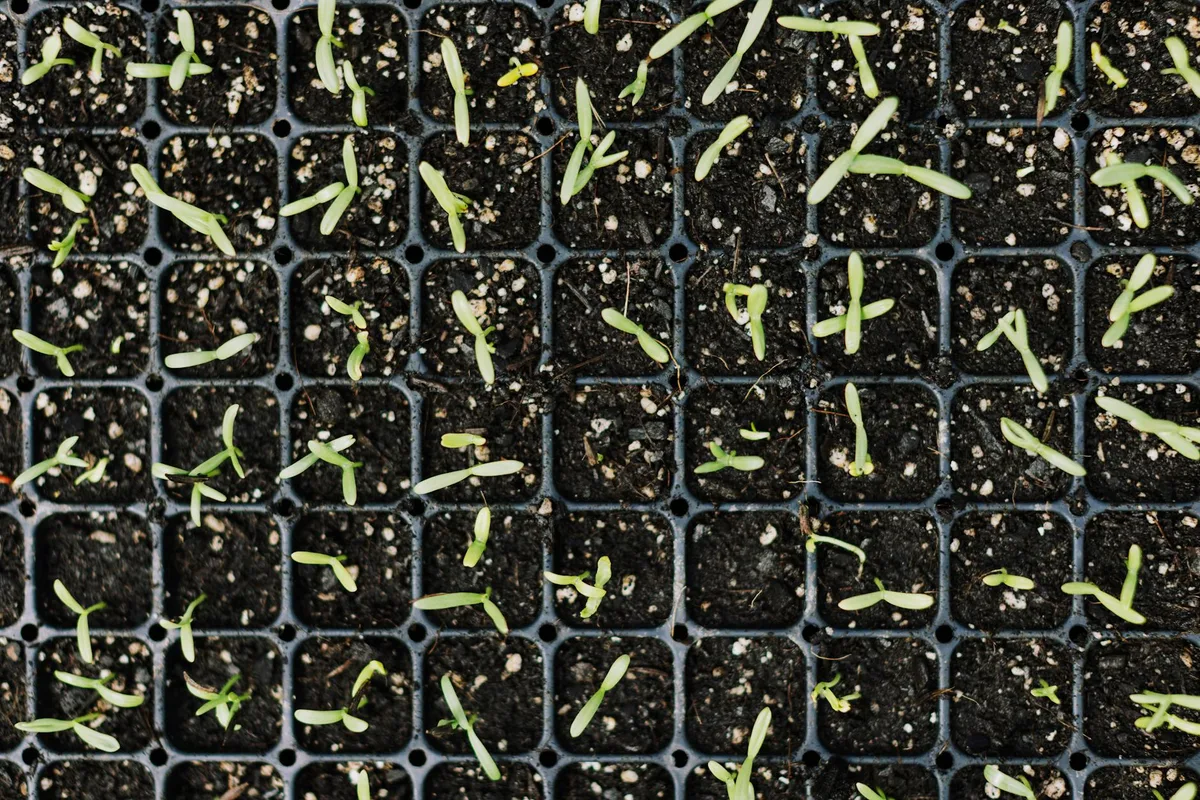
After 12 to 16 weeks, look for the first signs of germination. You'll see a tiny white radicle (root) pushing out of the pit. Once germination begins, it's time to plant.
Prepare seed-starting mix or a well-draining soil blend with equal parts peat moss, perlite, and compost. Fill small pots or seed trays with this mix. Plant the germinated pits about 1 inch deep, root-side down. Water gently so the soil is moist but not soggy.
Cover the pots with a humidity dome or plastic wrap to retain moisture. Place them in a warm spot (65 to 70°F) with bright, indirect light. Avoid direct sun, which can scorch seedlings.
Germination typically happens within 2 to 4 weeks after planting. Once seedlings emerge, remove the dome and move them to bright light (a south-facing window is ideal). Keep soil consistently moist but never waterlogged.
Growing Your Seedling: Care and Timeline
Your seedling is fragile for the first few weeks. The most common cause of failure is damping off, a fungal disease that collapses the stem at soil level. Good air circulation and proper watering prevent this. Water from below when possible, and don't let humidity get excessive.
Once the seedling has true leaves (not just the initial seed leaves), thin out excess seedlings if you started multiple pits in one pot. Keep only the strongest one. Thinning prevents competition and frees up nutrients.
By late spring (about 8 to 10 weeks after germination), seedlings are ready to move outdoors. Harden them off first by placing them outside in a sheltered spot for a few hours, gradually increasing time over a week. Don't shock them with full sun immediately.
Transplant into slightly larger pots with regular potting soil once the first true leaves appear. By the end of the first growing season, a healthy seedling is 12 to 18 inches tall with multiple sets of leaves.
The second and third years are less dramatic but critical. Your tree needs consistent water, full sun, and light fertilization. In year two, it's probably 3 to 4 feet tall. By year three, it could reach 5 to 7 feet depending on your climate and care.
Flowering typically doesn't happen until year 4 or 5, and fruit production lags behind flowering by another year. So the earliest realistic timeline is 5 to 6 years. Most growers see fruit production at 7 to 10 years.
Mistakes That Slow Your Progress
Overwatering is the quickest killer of young cherry trees. Wet soil invites root rot and fungal diseases. Your soil should feel like a wrung-out sponge, not saturated. Drainage is non-negotiable.
Skipping the stratification period is another common mistake. Cherry seeds need cold hours to break dormancy. If you plant a pit directly indoors in spring without chilling, it won't germinate. The dormancy is a biological requirement.
Planting too deep is surprisingly common. A cherry pit should be planted roughly 1 inch deep, not several inches. Too deep and the seedling can't push through the soil to emerge.
Placing seedlings in low light is tempting if you're growing indoors, but it causes leggy growth. The seedling stretches toward whatever light is available, becoming weak and spindly. If indoor, use a grow light or place them in the brightest window available.
Neglecting to harden off seedlings before moving them outdoors is another pitfall. A seedling grown indoors under consistent conditions gets shocked by wind, direct sun, and temperature fluctuation. Hardening off gradually over a week prevents damage.
Many growers also skip pest management. Young trees attract aphids, spider mites, and sawflies. Regular inspection and early intervention prevent outbreaks that can set back growth by years.
Pro Tips for Better Success Rates
Start with multiple pits, not just one. Germination rates for cherry seeds average 30 to 50 percent, depending on seed quality and your technique. If you want one strong tree, stratify 4 to 6 pits so you have backup options if some fail.
Keep detailed notes on your stratification conditions. Record the start date, temperature, moisture level, and any observations. This data helps you troubleshoot if germination is poor and informs future attempts.
Collect pits from multiple trees if possible. Genetic diversity improves your odds of getting a tree with good vigor. Pits from healthy, mature trees in your climate zone are also more likely to thrive.
Once seedlings are growing, prune lightly to encourage branching. A single tall stem becomes a weak tree prone to damage. Pinching the top when the seedling is 12 inches tall encourages the plant to branch, creating a sturdier structure.
Give your tree the best location you can offer. Full sun (6 to 8 hours daily) and well-draining soil are non-negotiable. In zones where cherry trees typically thrive, a north or east-facing spot is usually fine.
Water deeply but infrequently rather than shallow daily watering. Deep watering encourages deep root growth. Roots that extend far into the soil are more resilient during drought and cold winters.
Consider companion planting. Some growers plant nitrogen-fixing plants like clover or legumes around young fruit trees to improve soil fertility without added fertilizer. This is optional but useful in poor soils.
Frequently Asked Questions
Can you grow a sweet cherry and a sour cherry from the same pit?
You can't. A single pit produces one seedling, which will be either a sweet cherry or a sour cherry depending on its genetics. Sweet cherries (Prunus avium) and sour cherries (Prunus cerasus) are different species, though they can occasionally hybridize. If you want both types, you'll need pits from both parent trees.
What's the difference between cold stratification in a refrigerator and outdoor burying?
Both work, but the fridge method gives you more control. Outdoor stratification means burying pits in soil in fall, leaving them to experience natural winter conditions, then digging them up in spring. It's free and uses natural cold cycles, but you might lose pits to rodents or rotting. Indoor fridge stratification is more reliable for tracking germination and reducing losses.
Will my cherry tree actually pollinate itself?
It depends on the cultivar. Some cherry varieties are self-fertile, meaning a single tree can produce fruit. Others are self-sterile and need a second compatible tree for cross-pollination. Since your seed-grown tree carries random genetics, there's no guarantee it'll be self-fertile or compatible with nearby trees.
If you want reliable fruit production, plan for at least two trees or assume you'll need a cross-pollinator.
What if my pit doesn't germinate after stratification?
Some pits are simply non-viable. Viability drops if pits are old, dried out, or stored improperly before you collected them. If only a few fail after proper stratification, it's normal. If none germinate, check your stratification setup: Was the medium truly moist (not waterlogged)?
Did the temperature stay between 35 and 40°F consistently? Did you leave them in long enough (12 to 16 weeks)? Adjust and try again with fresh pits.
Can I skip stratification and just plant pits directly in spring?
No. Cherry seeds have enforced dormancy, meaning they won't germinate without experiencing cold hours. Planting a pit directly in spring soil without prior chilling will result in failure. The cold period is biological, not optional.
It breaks a germination inhibitor in the seed coat and is absolutely required.
How big does a cherry tree get when grown from seed?
A seed-grown cherry can reach 25 to 30 feet tall and 20 to 25 feet wide at maturity, depending on variety and growing conditions. This is much larger than a grafted tree on dwarfing rootstock, which might stay under 15 feet. For small properties, a seed-grown tree can become a problem. If space is limited, a dwarf or semi-dwarf grafted variety is the better choice.
The Bottom Line: Should You Grow From Seed?
Growing a cherry tree from a pit is possible, rewarding, and absolutely free. But it's not the path for most home growers chasing a quick harvest or reliable fruit quality.
You should grow from seed if you're genuinely interested in the process itself, you can wait 5 to 10 years for fruit, and you're comfortable with genetic uncertainty. This works for learning projects, legacy plantings, and growers who view the tree as ornamental first and fruiting tree second.
You should buy a grafted sapling if you want specific fruit flavors, a faster harvest, or you live outside zones 4 to 7. The modest upfront cost buys you certainty and decades of predictable production. For most people, this is the smarter bet.
Either way, you're planting a tree. That's what matters most.
