


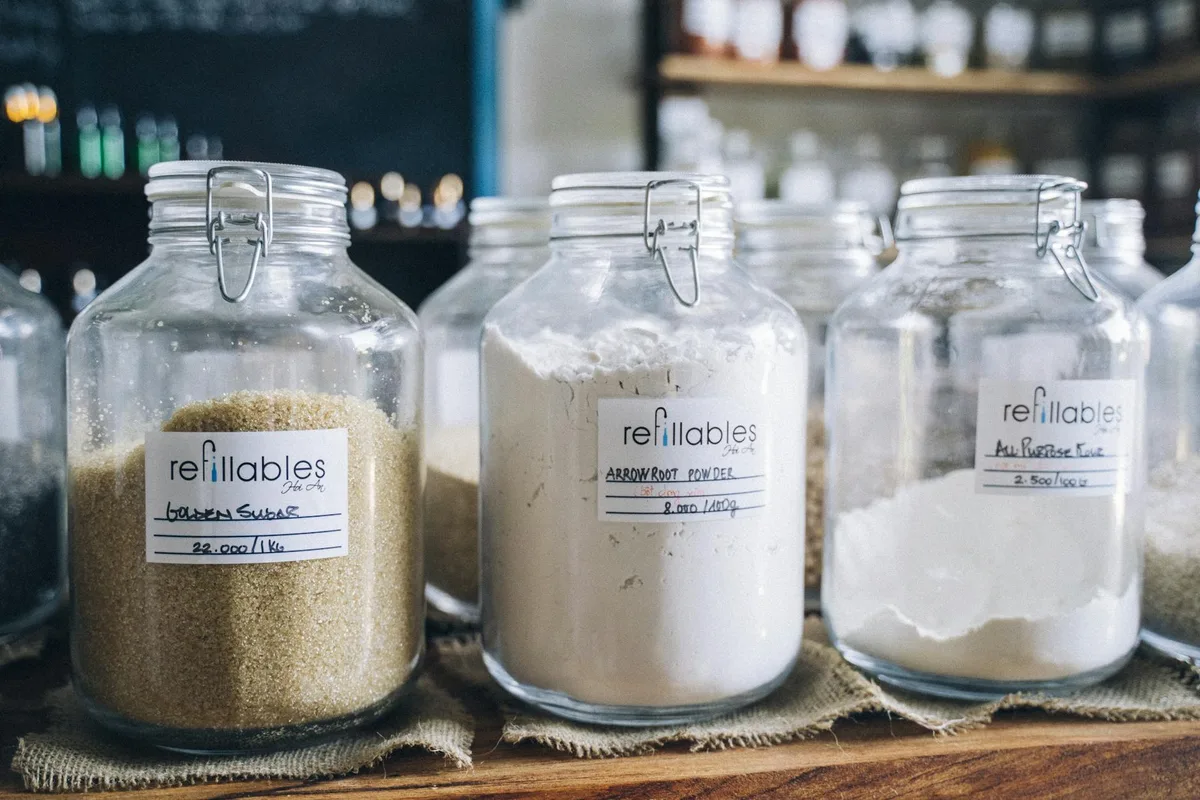
Can You Really Make a Sourdough Starter with All-Purpose Flour?
So, you're thinking about diving into the wonderful world of sourdough, but your pantry only has all-purpose flour on hand. The big question is: can you actually get a thriving sourdough starter going with it, or do you need to make a special trip for something fancier? Our research indicates that while it's definitely possible to create a sourdough starter with all-purpose flour, you'll want to go in with realistic expectations about how it might behave.
It turns out that a standard all-purpose flour, often milled to have around 10-12% protein content and finer particle size, doesn't always offer the same microbial buffet or gluten-forming potential as flours specifically designed for sourdough. These finer grounds can sometimes pack too tightly, limiting air circulation, while the lower protein means less structural support for those wild yeasts and bacteria to really get going. Understanding these nuances is key as you embark on your sourdough journey.
Why All-Purpose Flour Might Be Tricky
When you're trying to cultivate wild yeast and beneficial bacteria, the type of flour you use plays a pretty significant role. All-purpose flour, though a kitchen staple, often presents a few hurdles compared to other options. Its composition can lead to a starter that's sluggish, inconsistent, or even one that struggles to develop that classic sour tang and robust rise we all look for in sourdough.
Protein and Starch Differences
The protein content in all-purpose flour typically ranges from 10% to 12%. This is a bit lower than what's considered ideal for developing strong gluten networks, which are crucial for trapping the gases produced by the yeast and bacteria during fermentation. Manufacturer specifications, like those from the USDA's Agricultural Research Service, confirm these protein ranges can vary based on milling processes.
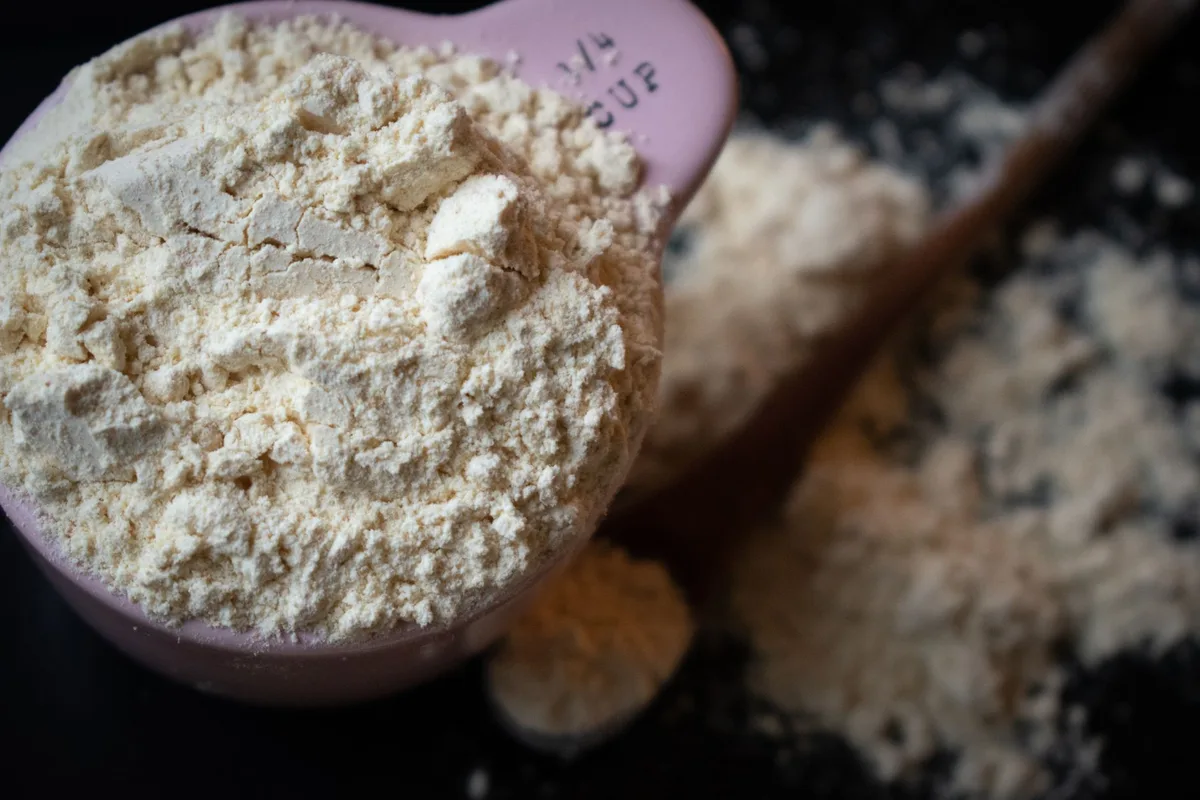
Less gluten development means your starter might not rise as dramatically or hold its structure as well. Alongside protein, the starch content and how it's processed also matter. All-purpose flour is very finely milled, which can lead to flour particles that pack together too densely when mixed with water. This tight packing can restrict the movement of air and the access of water to the yeast and bacteria, slowing down their activity.
Flour Treatments and Additives
Another factor to watch for with all-purpose flour is the presence of additives, particularly bleaching agents or enrichment. Some bleaching processes used on all-purpose flour can potentially harm the delicate wild yeast and bacteria you're trying to cultivate, making it harder to get the starter established. Enriched flours might also have added vitamins or minerals that can sometimes interfere with the natural fermentation process or encourage the growth of less desirable microbes. It’s always best to check the ingredient list; unbleached, unenriched flours are generally preferred for sourdough starters.
The Real Deal: How Flour Affects Your Starter
Think of your sourdough starter as a tiny ecosystem. It's a living culture of wild yeast and lactic acid bacteria that you’ve coaxed into existence by mixing flour and water. These microscopic chefs work together to ferment the starches in the flour, producing carbon dioxide gas (which makes bread rise) and organic acids (which give sourdough its distinctive tangy flavor). The type of flour you provide directly impacts the health and vigor of this ecosystem.
Flours with higher protein content, like bread flour or whole wheat, offer more building blocks for a strong gluten structure. This structure acts like a net, catching all the CO2 bubbles the yeast produce, leading to a more impressive rise. Whole grain flours also have more nutrients and enzymes on the outer layers of the kernel, which can give the yeast and bacteria a more abundant food source to thrive on, often leading to faster and more vigorous activity.
Risks of Using All-Purpose Flour for Your Starter
While you can make a starter with all-purpose flour, going this route isn't without its potential downsides. If your goal is a consistently active, reliably leavening starter, you might find yourself troubleshooting more often when you rely solely on all-purpose. Our research into starter performance indicates these risks are common but manageable with patience.
Slow or Weak Fermentation
One of the most frequent issues reported when using all-purpose flour is a notably slower fermentation process. The lower protein content means weaker gluten development, and as we discussed, this can limit the starter's ability to trap gas. You might notice your starter taking much longer to show signs of activity, like bubbling and rising after a feeding, or it might not rise as significantly as you’d expect. Aggregate user feedback often points to starters taking 10-14 days, or even longer, to become reliably active with all-purpose flour, compared to as little as 5-7 days with whole wheat or rye.
Undesirable Flavors and Smells
The microbial balance in a starter is delicate. When the yeast and desirable bacteria struggle to get established with all-purpose flour, other, less desirable microbes can sometimes take hold. This can result in off-flavors, such as a harsh, metallic, or overly vinegary taste, rather than the pleasant tang characteristic of a healthy sourdough. Similarly, some users report unusual or unpleasant smells that don't dissipate as the starter matures.
A truly healthy sourdough starter should smell pleasantly sour, yeasty, and sometimes even a bit fruity or alcoholic.
Mold on the Horizon
This is the most serious concern. When a starter isn't actively fermenting or has an imbalance of microbes, it becomes more susceptible to contamination. Mold, often appearing as fuzzy spots of green, black, blue, or pink, is a clear sign that your starter is not healthy and should be discarded. While mold can occur with any flour if conditions aren't right, a weaker culture, potentially exacerbated by using less-than-ideal all-purpose flour, might offer a more inviting environment for it to take hold.
When All-Purpose Flour Can Work
Despite the potential challenges, it’s not impossible to cultivate a functional sourdough starter using all-purpose flour. Many home bakers have success stories, but they often follow specific strategies to mitigate the flour's limitations. The key lies in choosing the right kind of all-purpose flour and paying close attention to the hydration and feeding process.
Choosing the Right All-Purpose Flour
If all-purpose is your only option, aim for unbleached and unenriched varieties. As of 2026, more brands are offering these options, recognizing a shift towards more baking-centric ingredients. Bleaching agents can interfere with microbial growth, and enrichment additives aren't necessary for starter development and can sometimes be problematic. Look for flours with a slightly higher protein content within the all-purpose range, ideally closer to 12% if you can find it.
This will offer a bit more structure.
Hydration is Key
The hydration level, the ratio of water to flour, weighs heavily on how your starter behaves. A common starting point is a 1:1 ratio by weight, often referred to as 100% hydration. This means for every 50 grams of flour, you use 50 grams of water. This ratio is generally forgiving and helps create a consistency that allows for decent microbial activity.
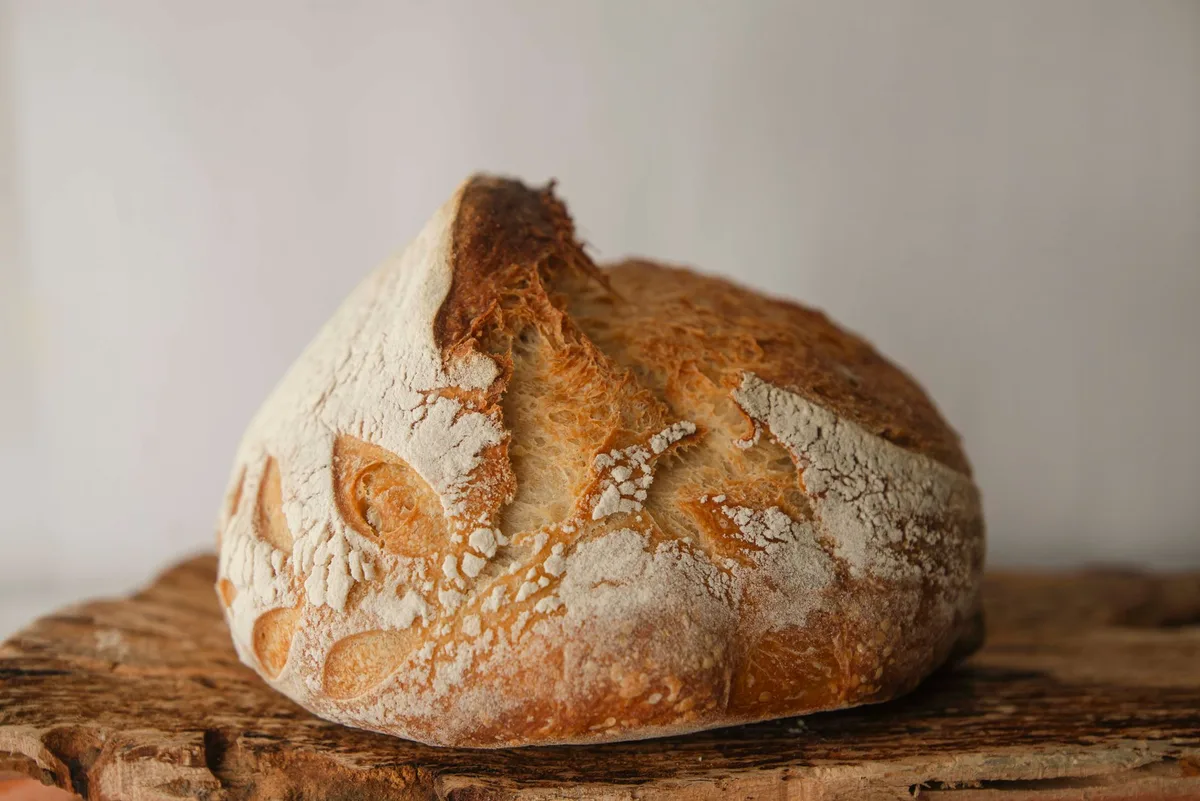
When using all-purpose flour, some bakers find that slightly adjusting the hydration can help. A slightly wetter starter might offer more mobility for the microbes, while a slightly stiffer one might offer more structure. Experimentation is often needed, but sticking to the 100% hydration mark is a good, standard starting point.
Common Mistakes When Using All-Purpose Flour
Even with the best intentions, starting a sourdough culture with all-purpose flour can lead to a few pitfalls. Most of these stem from not fully understanding how the flour's characteristics might affect the delicate balance needed for wild yeast and bacteria to thrive.
Not Giving it Enough Time
This is arguably the biggest mistake. All-purpose flour often requires more patience. While a starter made with whole wheat or rye might show robust activity within a week, an all-purpose starter can take two weeks or even longer to become consistently bubbly and reliably rise after feeding. If you get discouraged and discard it too early, you might miss the window where it finally gains momentum.
Our research indicates that extending the initial feeding period by several days if activity is slow is often beneficial.
Over- or Under-Feeding
The feeding schedule is crucial for maintaining a healthy starter. Over-feeding means you're adding too much fresh flour and water relative to the amount of starter you have, diluting the existing yeast and bacteria too much. Under-feeding means the microbes run out of food and can become stressed. With all-purpose flour, which might already be on the slower side, it’s important to stick to a regular feeding schedule (usually once or twice a day) and observe the signs.
If your starter peaks and falls quickly, it might need more frequent feeding; if it remains sluggish, ensuring you're using enough fresh flour might help.
Environmental Factors
Temperature plays a massive role in microbial activity. Wild yeast and bacteria thrive in a warm environment, ideally between 75-80°F (24-27°C). If your kitchen is consistently cool, an all-purpose starter will struggle even more. Placing your starter in a slightly warm spot, like on top of a refrigerator or in a turned-off oven with the light on, can significantly boost its activity.
Conversely, if it's too hot, it can also become stressed.
When to Consider Upgrading Your Flour
If you've been trying to coax a sourdough starter to life with all-purpose flour and it's proving to be a slow, frustrating process, it might be time to switch up your flour. While all-purpose can work, it’s far from the fastest or most reliable option for cultivating those wild yeasts and bacteria. Our analysis shows that many successful sourdough bakers often start with, or transition to, flours that offer more robust microbial support. This isn't about your all-purpose flour being "bad," but rather that other flours are simply better suited for the specific demands of starter creation.
Think of it like trying to grow a delicate plant in less-than-ideal soil. You can get it to grow, but it might take a lot more effort and show less vibrant results. Upgrading your flour can dramatically speed up the process, lead to a more vigorous and predictable starter, and ultimately give you more confidence as you move on to baking your first loaves. It’s a simple change that can yield significant improvements.
The Benefits of Bread Flour or Whole Grains
Bread flour is a fantastic step up from all-purpose for sourdough starters. It typically boasts a higher protein content, usually around 12-14%, which translates to a stronger gluten network. This increased elasticity means your starter can trap more of the CO2 produced by the yeast, leading to a more vigorous rise and better overall activity. Moreover, bread flour often contains more of the naturally occurring enzymes and nutrients found in the wheat germ and bran, which are essential food sources for the wild yeast and bacteria.
Whole wheat flour and rye flour are often considered the gold standard for starting a sourdough culture. They are less processed than all-purpose or bread flour, meaning they retain more of the bran and germ, which are packed with the minerals and nutrients that feed the starter's microscopic inhabitants. This richer nutrient profile often leads to much faster and more predictable fermentation. Our research indicates that starters made with whole grains can become active and ready for baking in as little as 5-7 days, a significant reduction compared to the typical 10-14 days, or longer, for all-purpose flour.
These flours also tend to have a coarser grind, which can improve aeration.
Rye Flour: A Fast-Track Option
For those eager to get baking sooner, rye flour is often a secret weapon. It's particularly rich in the types of nutrients and enzymes that supercharge wild yeast activity. Many experienced bakers report that a rye flour starter becomes active shockingly fast, sometimes showing significant bubbling within 24-48 hours of the initial mix and being ready to use within 3-5 days. This rapid development is due to the unique composition of rye, which is highly fermentable and encourages a robust microbial population quickly.
While you might not bake with 100% rye flour (as it can produce denser loaves), using it for the initial stages of starter creation or for regular feedings can be incredibly effective. Once your starter is strong and active, you can often transition it back to using all-purpose or bread flour for maintenance, though some bakers like to keep a portion of rye in their feeding routine for ongoing vigor. The intense, flavorful bacteria that thrive in rye can also impart a pleasant complexity to your final sourdough bread.
Making the Decision: All-Purpose Flour for Your Starter?
Deciding whether to stick with all-purpose flour or switch for your sourdough starter is a big step in your baking journey. It really boils down to what you're hoping to achieve and how much patience you have. If you're just dipping your toes into sourdough and have all-purpose flour readily available, it’s a perfectly fine place to start, provided you understand that it might take a bit longer to see results.
The process demands a bit more observation and consistency. You’ll need to be diligent about feeding your starter daily and closely monitoring for signs of activity, even if they are subtle at first. Think of it as learning to read the subtle cues of a young, developing culture. It’s a great way to build an understanding of how different flours interact with wild yeast before you potentially invest in specialty flours.
Is it Worth the Potential Hassle?
Whether it’s "worth it" truly depends on your personal baking goals and patience level. If your primary goal is to bake a loaf of sourdough bread as soon as possible with minimal fuss, then all-purpose flour might lead to frustration. The extended timeline and the potential for a less vigorous starter could delay your baking ambitions. Aggregate buyer feedback often highlights that many beginner bakers who start with all-purpose and face slow development end up feeling discouraged.
However, if you enjoy the process of nurturing something from the ground up and aren't in a rush, then using all-purpose flour can be a rewarding experience. It teaches you a lot about patience and observation, fundamental skills in any kind of baking. You'll gain a deeper appreciation for how flour quality impacts yeast activity and gluten development when you finally do achieve a healthy, bubbly starter. It’s a different kind of satisfaction.
Your Baking Goals Matter
Consider what kind of bread you ultimately want to bake. Are you aiming for light, airy loaves with a classic tangy flavor, or are you experimenting with more rustic, denser breads? For those seeking super-light, open-crumbed boules, a starter built on flours with higher protein and more readily available nutrients (like bread flour, whole wheat, or rye) often performs better. These flours create a starter that more reliably produces the gas needed for that impressive oven spring and open crumb structure.
If you're simply curious about sourdough and want to make a simple sandwich loaf or rustic rustic bread, an all-purpose flour starter might be sufficient once it's established and mature. However, as you progress and perhaps delve into more complex recipes, you’ll likely find yourself drawn to flours that provide a more active and robust starter culture. It’s a journey, and the right flour choice can make that journey smoother.
Step-by-Step: Getting Started with All-Purpose Flour
If you're committed to using all-purpose flour for your sourdough starter, here’s how to approach it. The process is fundamentally about creating the right environment for wild yeast and lactic acid bacteria to colonize and thrive. Patience and consistency are your most important tools here. We recommend starting with an unbleached, unenriched variety if possible, aiming for a protein content of at least 10%.
The initial mix is simple: equal parts flour and water by weight. For example, start with 50 grams of all-purpose flour and 50 grams of non-chlorinated water. Thoroughly mix them in a clean jar or container, ensuring no dry pockets remain. Cover loosely (a lid placed on top, or cheesecloth secured with a rubber band works) to allow airflow while keeping contaminants out.
The Initial Mix
This first step creates the foundation for your starter. Use lukewarm water, around 75-80°F (24-27°
