


Ever found yourself mid-recipe, staring at a nearly empty bottle of cooking oil, and wondering if you can just top it off with something else? That's precisely the situation that leads many home cooks to ask: Can I mix vegetable oil and olive oil for frying? The straightforward answer is yes, but as with most things in the kitchen, there's more to it than just a simple nod.
The key to understanding this decision lies in how different oils react to heat and how their flavors interact with your food. For instance, manufacturer specifications for common vegetable oils often list smoke points around 400-450°F, while extra virgin olive oil typically hovers between 325-375°F. This difference is crucial, especially when frying, and understanding it will help you make the best choice for your dish.
Quick Answer: Yes, But Know the Trade-offs
You absolutely can mix vegetable oil and olive oil for frying. Think of it as creating a custom blend for your needs. However, this blend inherently brings together the characteristics of both oils, meaning you'll end up with a cooking medium that behaves like a combination, not exactly like either one on its own. This can affect both the performance of your frying and the taste of your finished food, so it’s not always a straightforward "set it and forget it" situation.
Understanding Your Cooking Oils: Smoke Point and Flavor
The primary factors that differentiate cooking oils, particularly for frying, are their smoke point and their flavor profile. These two attributes dictate how an oil performs under heat and how it will influence the taste of whatever you're cooking. When you're heating oil to high temperatures for frying, understanding these aspects prevents unwanted outcomes like bitterness or even safety concerns.
Vegetable Oil's Role in Frying
The typical "vegetable oil" you find in most supermarkets is often a blend, commonly including soybean, corn, or canola oil. These oils undergo a refining process to remove impurities, which is why they tend to have a neutral flavor and, crucially, a high smoke point. This refines them for predictable performance in a variety of cooking applications, making them a go-to for many home cooks.
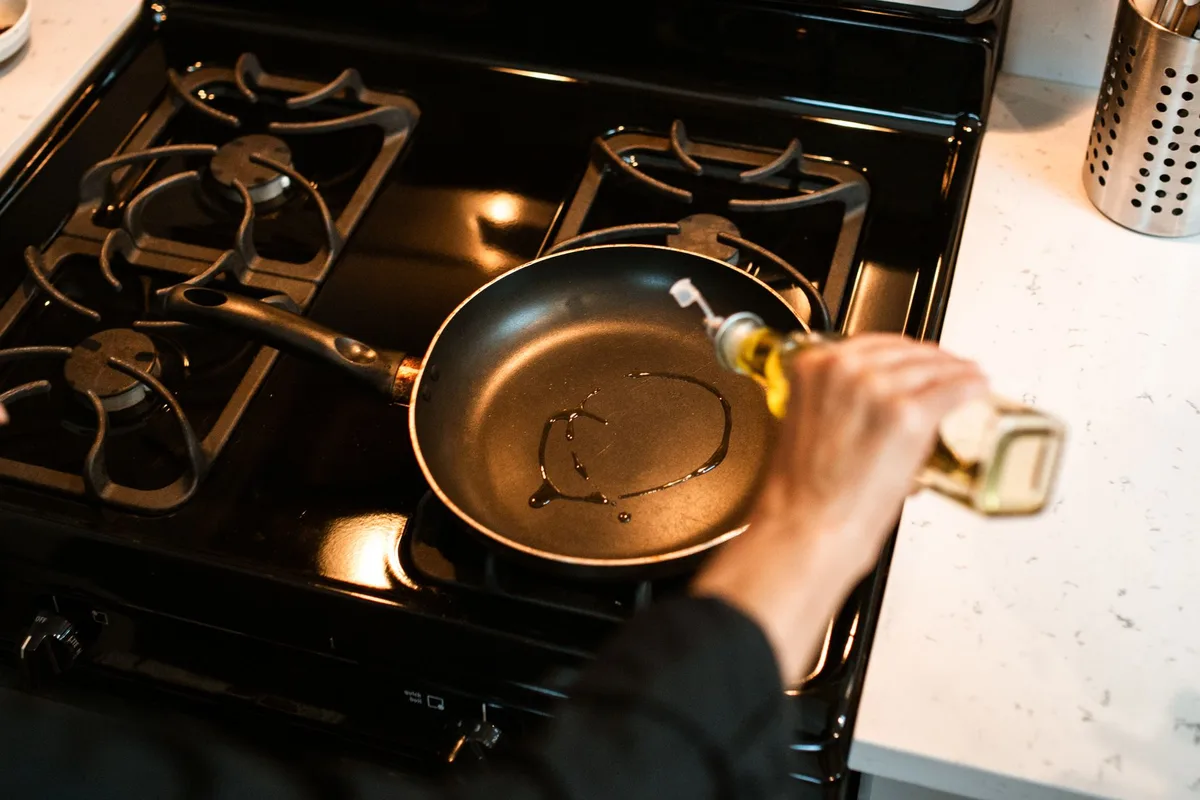
Olive Oil's Impact on Frying
Olive oil, especially extra virgin olive oil (EVOO), is generally less refined and retains more of its natural color, nutrients, and distinct flavor. This less processed nature means its smoke point is typically lower than that of refined vegetable oils. While EVOO offers a delightful fruity, peppery, or grassy taste that can enhance certain dishes, its lower heat tolerance requires more careful management when frying.

What Happens When You Mix Them: The Science and the Taste
When you combine vegetable oil and olive oil, you're not just creating more cooking liquid; you're creating a new oil blend with a modified set of characteristics. This fusion impacts both how hot the oil can get before it starts to break down and what notes of flavor it imparts to your food. Paying attention to these changes is key to achieving successful frying results.
The Mixed Smoke Point Reality
The most significant consequence of mixing vegetable oil and olive oil is that the resulting smoke point will generally be closer to that of the oil with the lower smoke point. If you're mixing a refined vegetable oil (high smoke point) with extra virgin olive oil (lower smoke point), your blended oil's smoke point will be reduced. For example, if your vegetable oil has a smoke point of 425°F and your EVOO is 350°F, your mix will likely start smoking somewhere in the middle, closer to the 350°F mark, or even lower depending on the ratio. This means you need to be more vigilant about temperature control to avoid burning your oil and food.
The Flavor Fusion Factor
Beyond heat, the flavor of olive oil can also be a consideration. Extra virgin olive oil offers a noticeable taste that can range from fruity to pungent. When mixed with a neutral vegetable oil, that distinct olive oil flavor becomes diluted. This might be a desirable outcome if you want a subtle hint of olive oil to complement your fries or chicken.
However, if you're aiming for a pure, neutral flavor for delicate items like tempura or certain pastries, the added olive oil might be unwelcome.
When Mixing Vegetable Oil and Olive Oil Makes Sense
While it's possible to mix these oils, it's not always the optimal choice for every cooking scenario. Knowing when this blend works best can save you from potential kitchen mishaps and ensure your food turns out the way you want it. It boils down to the specific cooking method and the desired outcome for your dish.
Ideal Scenarios for Blending
Mixing vegetable oil and olive oil can work well in situations where precise high-heat control isn't paramount, and a subtle olive oil flavor is welcome. For instance, if you're pan-frying chicken cutlets or sautéing vegetables, and you need just a bit more oil to properly coat the pan, topping off your existing vegetable oil with a splash of olive oil is generally fine. This is particularly true if you're using a light or refined olive oil, which has a higher smoke point and milder flavor than EVOO. Dishes like recipe for chicken artichoke hearts sundried tomatoes or a simple recipe for chilli chicken gravy might benefit from this subtle flavor addition.
When to Absolutely Avoid Mixing
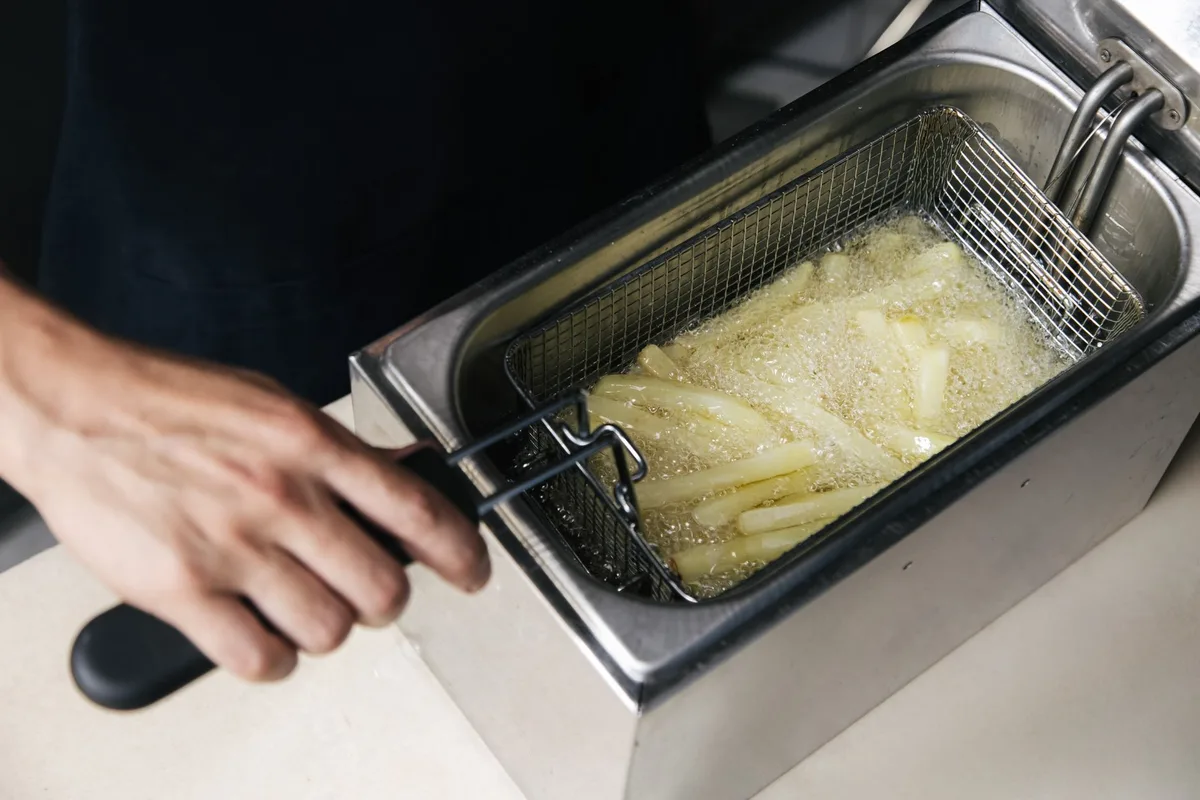
Deep frying requires consistent, high temperatures, and this is where mixing oils can become problematic. The reduced smoke point of a vegetable oil and olive oil blend means the oil is more likely to smoke and break down rapidly under the sustained heat of deep frying. According to food safety guidelines, oil that has reached its smoke point degrades, producing acrolein, a compound that can cause irritation and a bitter taste. For activities like making French fries or classic fried chicken that requires immersion in hot oil, it's best to stick with a single type of oil that has a proven high smoke point, such as a refined vegetable oil or peanut oil.
For other cooking methods, you might consider recipes like baked chicken jamaican recipe where the cooking temperature is more controlled.
Practical Tips for Blending Oils
If you've decided that blending vegetable oil and olive oil is the way to go for your current cooking task, a few practical tips can help you do it right. The goal isn't just to mix them but to manage the resulting oil blend effectively to avoid common pitfalls. This means paying attention to both the what and the how of your oil choice.
Choosing Which Oils to Blend
Not all oils are created equal for blending. For best results, consider pairing a neutral, high-smoke-point vegetable oil with a lighter, less intensely flavored olive oil. Light olive oil or refined olive oil, rather than extra virgin, are better candidates because they have higher smoke points and less pronounced flavor. This pairing helps minimize significant drops in heat tolerance and flavor interference.
How to Be Smart About Mixing Ratios
When you're mixing, the ratio matters significantly. As a general rule, if you're concerned about maintaining a higher smoke point, keep the majority of your blend as vegetable oil, say at an 80/20 or 75/25 ratio of vegetable oil to olive oil. This strategy allows you to introduce a subtle hint of olive oil flavor without drastically compromising the oil's ability to withstand heat. For tasks requiring more neutral flavor, consider ponzu chicken recipe where a clean base is important.
Watching the Heat: Frying Safely
The most critical aspect of frying with a blended oil is temperature control. Since the smoke point is likely lower than that of 100% vegetable oil, you must monitor your cooking temperature closely. If the oil begins to smoke, it has reached its limit and is starting to break down. At this point, it’s best to reduce the heat immediately or even remove the pan from the heat source briefly.
Consistent temperature is key for foods like baked french toast casserole recipe or air fryer recipes vegetarian high protein where consistent heat ensures even cooking.
Key Differences: Vegetable Oil vs. Olive Oil (for Frying)
To truly grasp why mixing matters, it's essential to highlight the core distinctions between vegetable oil and olive oil as they relate to frying. These differences aren't just academic; they directly impact your cooking performance, flavor, and even the health profile of your meal. Understanding these points helps you decide if blending is worthwhile or if sticking to one oil is a better bet.
| Feature | Typical Vegetable Oil | Extra Virgin Olive Oil (EVOO) | Mixed Blend (General) |
|---|---|---|---|
| Smoke Point | Higher (approx. 400-450°F/204-232°C) | Lower (approx. 325-375°F/163-190°C) | Lower than pure vegetable oil |
| Flavor | Neutral | Distinct (fruity, peppery, grassy) | Milder olive flavor, less neutral |
| Processing | Refined, highly processed | Minimally processed | Varies based on ratio and types used |
| Best For | High-heat frying, neutral flavor | Low-heat sautéing, finishing dishes | Situational pan-frying, mild flavor enhancement |
Common Mistakes When Mixing Frying Oils
Many home cooks make the same few errors when deciding to combine cooking oils for frying. These missteps often lead to disappointing results, from bland or burnt food to a generally less-than-ideal cooking experience. Recognizing these common pitfalls can help you avoid them and achieve more consistent success in the kitchen.
- Assuming no change in smoke point: The biggest mistake is believing the blended oil will retain the high smoke point of the vegetable oil. This is rarely true, and as discussed, the lower smoke point of the olive oil will dominate.
- Overheating the mixture: Without careful monitoring, it's easy to push a blended oil past its lowered smoke point, leading to burnt flavors and degraded oil quality.
- Ignoring flavor impact: Not considering how the olive oil's flavor will affect the dish can lead to unexpected taste profiles that may not be desirable for certain recipes.
- Using the wrong olive oil: Opting for a robust, intensely flavored EVOO for frying when a lighter, more neutral option would have been more appropriate.
Common Questions About Oil Blending
Why does olive oil have a lower smoke point?
Olive oil, particularly extra virgin olive oil, contains more free fatty acids, water content, and other compounds like polyphenols compared to highly refined vegetable oils. These constituents are more susceptible to heat and begin to break down at lower temperatures, causing the oil to smoke. Refined oils, on the other hand, have had most of these components removed, allowing them to withstand higher heat before smoking.
Can I use blended oil for baking?
Yes, you can often use blended oil for baking, especially in recipes where flavor and a high smoke point aren't critical. Cakes, muffins, and quick breads can often accommodate a 75/25 blend of vegetable oil and olive oil without noticeable negative effects. However, for recipes that rely on precise oil performance, sticking to a single, specified oil type is usually best practice. For instance, recipes like recipe chicken mornay do not require high heat frying.
Final Verdict: Is Mixing Right for Your Fried Foods?
So, after looking at the details, is mixing vegetable oil and olive oil a good idea for your frying needs? The answer really depends on what you're cooking and your priorities. For most deep-frying applications, sticking to a single, high-smoke-point oil is the safest and most reliable route to prevent burning and maintain optimal flavor. However, for pan-frying or sautéing where temperatures are more moderate and a subtle flavor enhancement is welcome, a carefully balanced blend can certainly be a practical solution when you need to stretch your ingredients.
If you're looking for versatile frying options, consider recipe for chicken marsala ina garten or baked chicken flautas recipe which are forgiving with oil choices. For more delicate dishes or high-heat frying, always opt for a single, appropriate oil.
