


Can I Put A Cold Glass Dish In The Oven
It's a kitchen conundrum many of us have faced: you’ve got a ready-to-bake dish chilling in the fridge, and you're wondering, "Can I put a cold glass dish in the oven without it cracking?" Nobody wants to deal with a shattered casserole or a ruined meal, so it’s a question worth asking.
The ability to safely transition cold glass bakeware into a hot oven hinges on a fundamental material property: thermal shock resistance. Manufacturer specifications often indicate that many modern glass bakeware pieces, particularly those made from borosilicate glass, can withstand temperature differentials of up to 200°F (93°C) as defined by common industry testing protocols.
Quick Answer: It Depends on the Glass
So, can you go straight from the fridge to the oven with your glass dish? The honest answer is: often, yes, but it's not a universal rule. It entirely depends on the type of glass your dish is made from and how it was manufactured. Some glass bakeware is specifically engineered to handle rapid temperature changes, while other types are not.
The Real Risk: Understanding Thermal Shock
The main danger when putting cold glass into a hot oven is something called thermal shock. This happens when a material experiences a rapid and significant change in temperature. Imagine a thin sheet of ice being splashed with boiling water, it’s likely to crack, right? Glassware can behave similarly, though usually less dramatically.
What is Thermal Shock Damage?
Thermal shock damage occurs when the glass expands or contracts unevenly due to extreme temperature differences. Different parts of the glass heat up or cool down at different rates. This creates stress within the material. If the stress exceeds the glass's structural integrity, it can lead to cracks or even complete shattering.
Why Some Glass Cracks and Others Don't
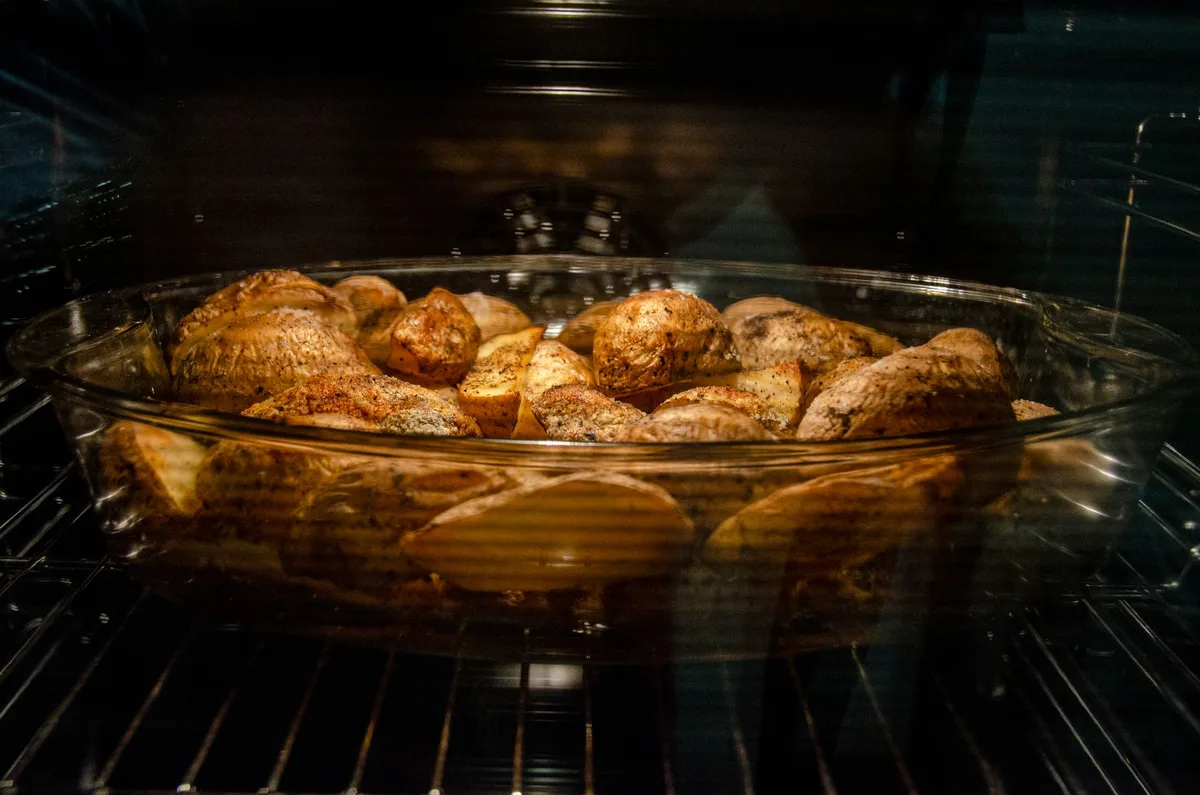
The key difference lies in the glass composition and its expansion coefficient. Borosilicate glass, a common material in oven-safe bakeware, has a low coefficient of thermal expansion. This means it expands very little when heated and contracts minimally when cooled. Soda-lime glass, often used in drinking glasses and windows, has a much higher expansion coefficient, making it far more susceptible to cracking under thermal stress.
Identifying Your Glassware: Key Clues
Before you assume your glass dish is oven-safe, it’s smart to do a little detective work to figure out what you're dealing with. This can save you a lot of mess and potential danger.
Borosilicate vs. Soda-Lime Glass
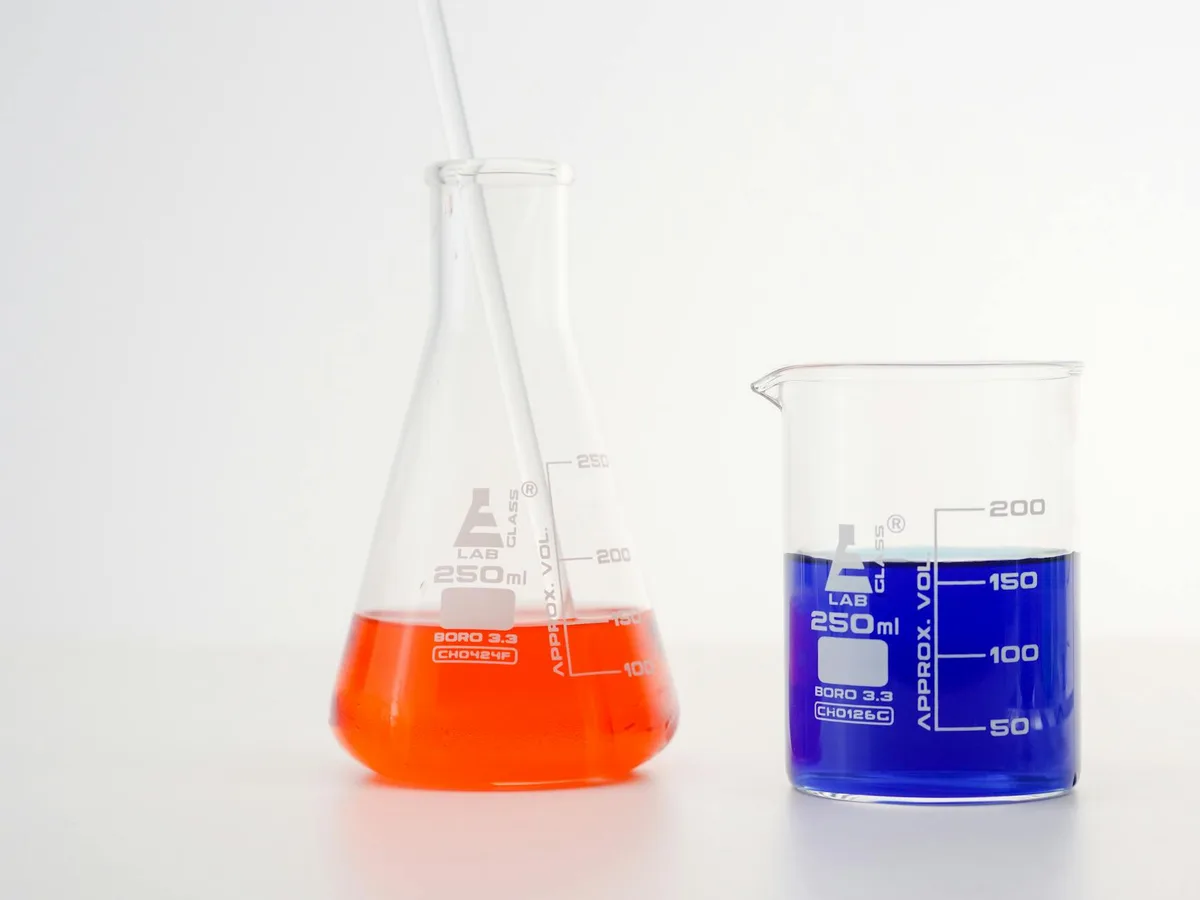
Borosilicate glass is your go-to for oven-safe cookware. Brands like Pyrex and Anchor Hocking primarily use this material. It's known for its durability and resistance to thermal shock, making it ideal for baking and roasting. Soda-lime glass, on the other hand, is more brittle and less resistant to temperature fluctuations.
It's typically found in everyday drinking glasses and decorative items, not in baking dishes meant for the oven.
Where to Find Brand and Material Info
The best way to know for sure is to check the product itself or its packaging. Many oven-safe dishes will have "oven-safe" clearly marked on the bottom or on a sticker. If you still have the original box, it will usually specify the type of glass and its temperature limits. If you purchased a well-known brand of bakeware, checking their official website can provide exact specifications.
For instance, Pyrex's official site often lists product details and care instructions for their glass items.
When Can You Safely Go From Cold to Hot?
The decision to place a cold glass dish directly into a hot oven really boils down to what the dish is made of. This is where understanding the properties of different glass types becomes critical.
Fridge to Oven: The Borosilicate Advantage
If your glass dish is made from borosilicate glass, it's generally safe to go from the refrigerator or freezer straight into a preheated oven. Borosilicate glass is designed to withstand temperature differences of up to 200°F (93°C). So, if your oven is preheated to 350°F (175°C) and your dish is at 40°F (4°C), the differential is well within typical limits for this type of glass. This makes it convenient for reheating casseroles or baking frozen dishes using recipes like Baked Sweet Potato And Chicken Recipe.
The "Never Ever" List for Cold Glass
You should avoid putting any cold glass dish directly into a hot oven if it's made of soda-lime glass. This includes most standard drinking glasses, tumblers, or decorative bowls. These items are not built for thermal shock and are highly likely to crack. If you have leftover food like Chilli Chicken Gravy in a non-oven-safe glass container, it's always best to transfer it to a proper baking dish first.
Steps to Safely Use Glassware in the Oven
Even when using oven-safe glass, taking a few sensible precautions can prevent mishaps and extend the life of your cookware. It’s about managing the temperature changes as gently as possible.
Preheating is Your Friend
Always ensure your oven is fully preheated before you place any dish inside, glass or otherwise. This means allowing the oven to reach the set temperature and stay there for the recommended preheat time. A preheated oven provides a more stable and consistent heat source, reducing the suddenness of the temperature increase applied to the glass.
Acclimation Strategies for Thicker Dishes
While borosilicate glass is robust, extremely thick or dense glass dishes can still be vulnerable if the temperature difference is excessively large. If you've just pulled a dish from a very cold freezer, it's a wise precaution to let it sit on the countertop for 10-15 minutes to begin acclimating to room temperature before it encounters the oven's heat. This is particularly true if you're making something like Baked Chicken Jamaican Recipe from frozen.
Inspecting Glass Before Heating
Before each use, give your glass bakeware a quick visual inspection. Look for any chips, cracks, or deep scratches, especially around the rim, handles, or bottom. Even a small imperfection can become a stress point when the glass heats up, significantly increasing the risk of breakage. A damaged dish should be retired from oven use.
When Can You Safely Go From Cold to Hot?
The decision to place a cold glass dish directly into a hot oven really boils down to what the dish is made of. This is where understanding the properties of different glass types becomes critical.
Fridge to Oven: The Borosilicate Advantage
If your glass dish is made from borosilicate glass, it's generally safe to go from the refrigerator or freezer straight into a preheated oven. Borosilicate glass is designed to withstand temperature differences of up to 200°F (93°C). So, if your oven is preheated to 350°F (175°C) and your dish is at 40°F (4°C), the differential is well within typical limits for this type of glass. This makes it convenient for reheating casseroles or baking frozen dishes using recipes like Baked Sweet Potato And Chicken Recipe.
The "Never Ever" List for Cold Glass
You should avoid putting any cold glass dish directly into a hot oven if it's made of soda-lime glass. This includes most standard drinking glasses, tumblers, or decorative bowls. These items are not built for thermal shock and are highly likely to crack. If you have leftover food like Chilli Chicken Gravy in a non-oven-safe glass container, it's always best to transfer it to a proper baking dish first.
Steps to Safely Use Glassware in the Oven
Even when using oven-safe glass, taking a few sensible precautions can prevent mishaps and extend the life of your cookware. It’s about managing the temperature changes as gently as possible.
Preheating is Your Friend
Always ensure your oven is fully preheated before you place any dish inside, glass or otherwise. This means allowing the oven to reach the set temperature and stay there for the recommended preheat time. A preheated oven provides a more stable and consistent heat source, reducing the suddenness of the temperature increase applied to the glass.
Acclimation Strategies for Thicker Dishes
While borosilicate glass is robust, extremely thick or dense glass dishes can still be vulnerable if the temperature difference is excessively large. If you've just pulled a dish from a very cold freezer, it's a wise precaution to let it sit on the countertop for 10-15 minutes to begin acclimating to room temperature before it encounters the oven's heat. This is particularly true if you're making something like Baked Chicken Jamaican Recipe from frozen.
Inspecting Glass Before Heating
Before each use, give your glass bakeware a quick visual inspection. Look for any chips, cracks, or deep scratches, especially around the rim, handles, or bottom. Even a small imperfection can become a stress point when the glass heats up, significantly increasing the risk of breakage. A damaged dish should be retired from oven use.
Common & Dangerous Mistakes to Avoid
It’s easy to fall into habits, especially in a busy kitchen, but some common practices with glass bakeware can be risky. Being aware of these pitfalls can help you sidestep potential disasters.
Directly From Freezer to Oven? Think Twice.
While borosilicate glass can handle temperature changes, going straight from a freezer (which can be as low as 0°F or -18°C) into a hot oven (say, 425°F or 220°C) creates a substantial temperature differential. This is pushing the limits, even for robust glass. It’s much safer to allow the dish to thaw slightly on the counter for at least 15-20 minutes to reduce this extreme shift. This is especially important for thicker, denser items that retain cold longer, like those containing frozen liquids.
Using Damaged Glassware
Never, ever use a glass dish that has visible damage. Chips, cracks, or even significant scratches compromise the structural integrity of the glass. These weak points are where stress concentrates during heating and cooling. Aggravating these flaws with oven temperatures is a fast track to shattered glass, potentially ruining your food and making a significant mess.
Ignoring Manufacturer Warnings
Manufacturers put specific care instructions on their products for a reason. If a dish explicitly states "not oven-safe" or provides temperature limits, heed them. Sometimes, glass might look like bakeware but is intended only for serving or chilling. For instance, delicate glass salad bowls or novelty items might not be designed for baking and could fail under heat.
Always refer to the user manual or product details.
When to Choose an Alternative
There are times when even oven-safe glass isn't the best choice, or when you encounter a situation where using glass is simply out of the question. Having alternatives in mind ensures you can always bake safely.
When a Dish Isn't Oven-Safe
If your glass container is clearly not designed for oven use (e.g., no "oven-safe" label, it's a drinking glass, or it has decorative elements that might degrade), your safest bet is to transfer the contents. For many dishes, like a quickly assembled chicken dish or a vegetable bake, this is a straightforward step. You could use a metal baking sheet, a ceramic casserole dish, or even an oven-safe skillet if you don't have another suitable baking vessel on hand.
Best Alternatives for Extreme Temps
For extreme temperature applications, like going directly from a freezer that's set to -10°F (-23°C) or lower, metal cookware like aluminum or stainless steel is often a better choice. These materials are generally more forgiving of rapid temperature shifts than glass. However, they don't offer the same aesthetic for serving directly from the oven to the table as fine glassware does. For dishes specifically designed for freezing and baking, robust ceramic or specialized metal cookware are often preferred.
Expert Tips for Glass Bakeware Care
To get the most out of your glass bakeware and ensure its longevity, our research indicates a few best practices are consistently recommended. Following these simple tips can help prevent common issues and maintain your dishes for years to come.
- Avoid Abrasive Cleaners: Stick to soft sponges and mild dish soap. Harsh scrubbers can create micro-scratches on the glass surface, which over time, can weaken it.
- Never Use Under the Broiler: High, direct heat from a broiler element can cause rapid, uneven heating that glass bakeware may not handle well, even if it's oven-safe.
- Don't Use Damaged Cookware: As mentioned, any chips or cracks are a serious safety hazard. Dispose of compromised dishes.
- Cool Before Washing: Allow glass dishes to cool to near room temperature before washing them. Plunging a hot dish into cold water can cause thermal shock, even if it’s borosilicate.
- Use Oven Mitts: This is a given for handling hot cookware, but especially important with glass, which can retain heat for a long time.
Safety First: Essential Warnings
Working with glass in high-heat environments requires constant awareness of safety protocols. The risk of breakage, while manageable with the right understanding, is always present.
- Risk of Shattering: The primary danger is the dish shattering, which can spray hot food and glass shards. Always stand back if you hear a crack or pop, and never touch a dish that sounds compromised.
- Sharp Edges: If a dish does break, treat broken glass with extreme caution. Use heavy-duty gloves and a dustpan for cleanup, and ensure all tiny fragments are removed.
- Hot Surfaces: Glass bakeware retains heat exceptionally well. Always use reliable oven mitts or trivets to prevent burns when handling hot dishes.
- Never Heat on a Stovetop: Unless the manufacturer explicitly states it's safe for stovetop use (which is rare for typical bakeware), never place glass dishes directly on a burner. This can cause concentrated, uneven heating leading to breakage.
- Avoid Sudden Temperature Changes: This is the core principle. Never take a very cold glass dish and place it into a very hot oven, or vice-versa, if the glass isn't designed for that stress. For a guide on safe food preparation, consider recipes like Recipe Chicken Artichoke Hearts Sundried Tomatoes and ensure your bakeware is appropriate.
