


You’ve got a jar of molasses in your pantry and you’re not quite sure what to do with it. How to use molasses depends heavily on which kind you have and what you’re trying to achieve, whether that’s baking soft gingerbread, boosting soil biology, or supplementing livestock feed. It’s not just a sweetener; it’s a versatile, mineral-rich byproduct of sugar refining with distinct varieties that behave differently.
In our research, we found that blackstrap molasses contains up to 20% of the daily value for iron per tablespoon, making it more than just a flavor agent. That same richness can feed beneficial microbes in compost or garden beds, but using the wrong type in a recipe can leave you with bitterness instead of warmth. Let’s walk through what molasses really is and how to match it to your goal.
What Molasses Is and Why It Matters
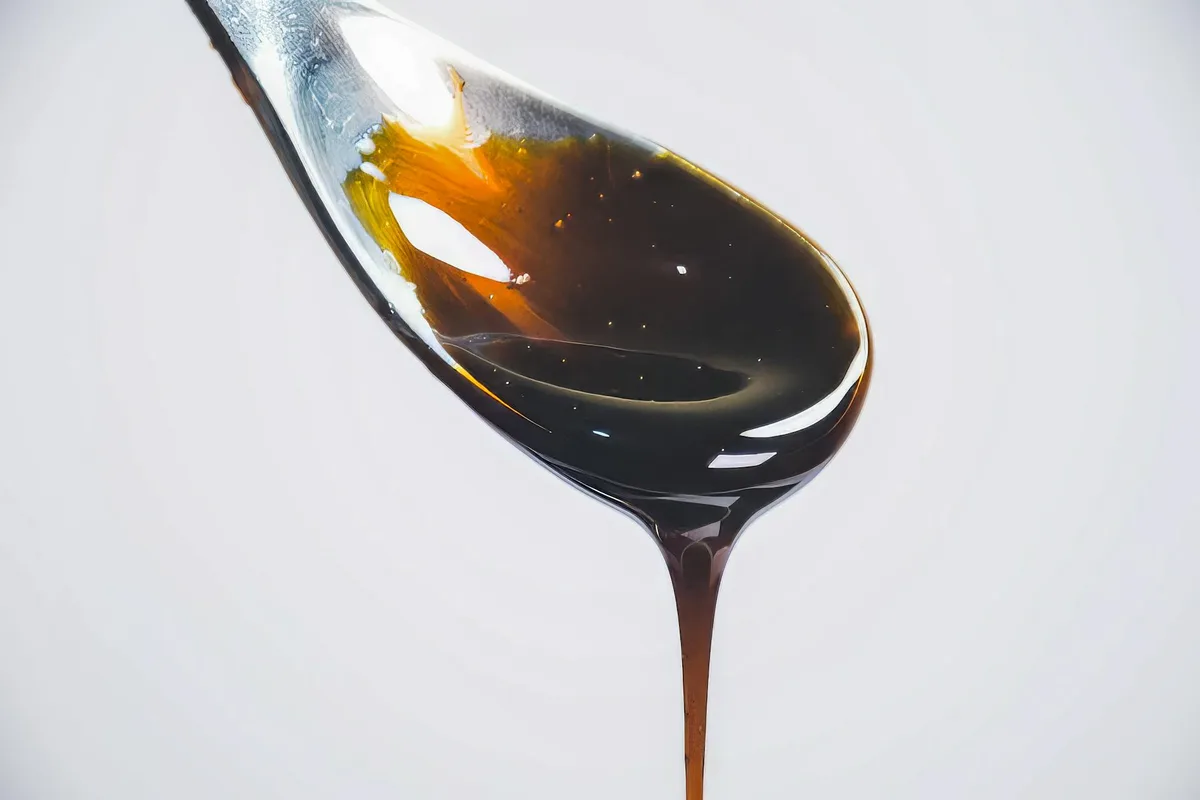
Molasses is the thick, dark syrup left over after sugar cane or sugar beet juice is boiled down and crystallized during sugar production. Each boiling stage produces a different grade: light from the first boil, dark from the second, and blackstrap from the third. Unlike refined sugar, molasses retains vitamins and minerals, especially calcium, potassium, magnesium, and iron, because it doesn’t undergo the same bleaching and filtration.
This makes it valuable beyond the kitchen. Gardeners use it to stimulate microbial activity in soil, farmers add it to animal feed for palatability and nutrients, and some people take it as a supplement for anemia or fatigue. But not all molasses is interchangeable, and using the wrong kind can throw off recipes or even harm plants if applied incorrectly.
The Three Main Types of Molasses—and How They’re Different
There are three primary grades you’ll find on store shelves or in bulk bins, each with distinct flavors, nutrient profiles, and best uses.
| Type | Flavor Profile | Sweetness | Mineral Content | Best For |
|---|---|---|---|---|
| Light molasses | Mild, sweet | High | Low | Baking (cookies, cakes), glazes |
| Dark molasses | Rich, robust | Medium | Moderate | Baked beans, marinades, spice blends |
| Blackstrap | Bitter, intense | Low | Very high | Soil amendment, livestock feed, supplementation |
Light molasses comes from the first boiling and is the sweetest, think classic gingerbread cookies. Dark molasses, from the second boil, has deeper flavor and works well in savory dishes like barbecue sauce. Blackstrap, the final boil, is where most of the minerals concentrate, but its bitterness makes it less ideal for desserts unless balanced carefully.
Note: “Unsulfured” means no sulfur dioxide was added as a preservative during processing, important if you’re sensitive to sulfites or aiming for cleaner flavor. Sulfured versions are typically cheaper but can taste harsher.
How to Choose the Right Molasses for Your Goal
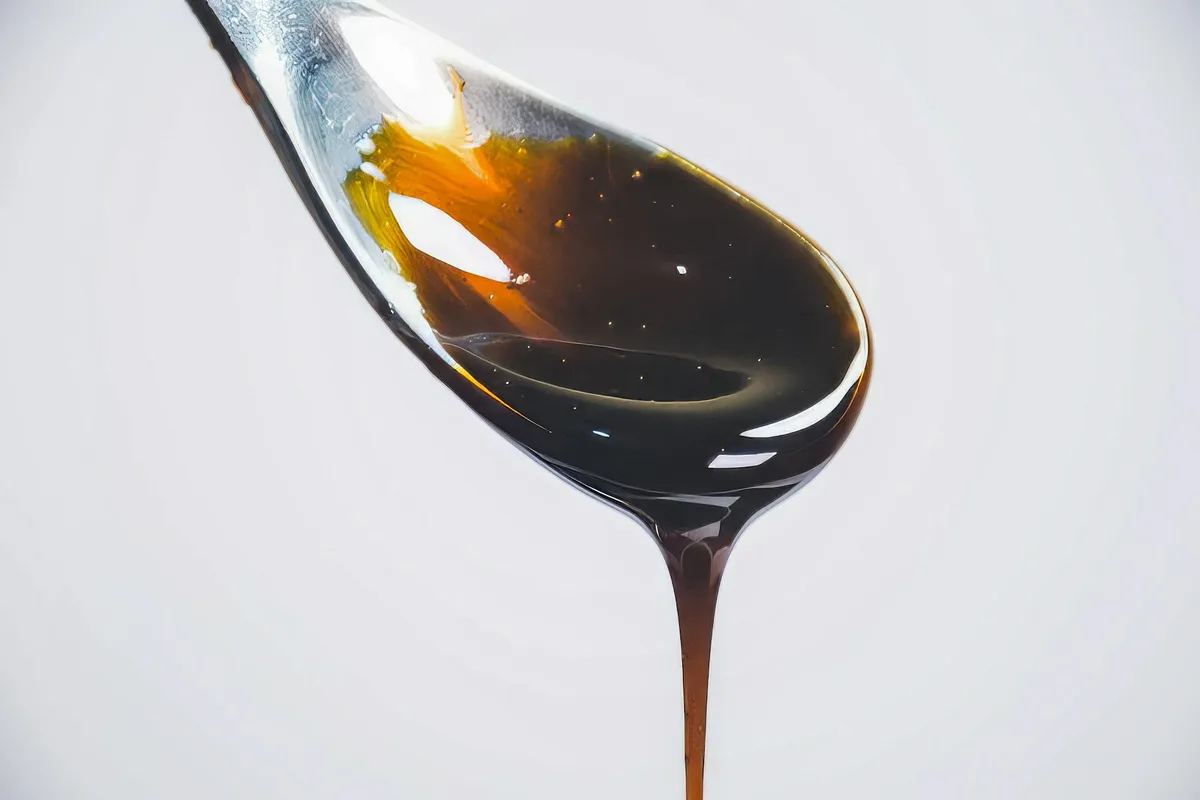
Picking the right molasses starts with asking: what’s my endgame? If you’re baking something delicate like shortbread or sponge cake, go with light molasses, it won’t overpower other flavors. For heartier recipes like ginger snaps, baked beans, or homemade Worcestershire sauce, dark molasses gives depth without overwhelming bitterness.
If you’re feeding chickens, goats, or cattle, blackstrap is often preferred because of its iron and calcium content, but dilute it (typically 1, 2 tablespoons per gallon of water or feed) to avoid digestive upset. In the garden, blackstrap is also the top choice, its microbial food value helps compost heat up and improves soil structure when used in moderation.
Avoid using blackstrap in desserts unless the recipe specifically calls for it. Its strong, almost smoky bitterness can dominate unless offset by spices like cinnamon or cloves. Conversely, don’t use light molasses in soil, it lacks the mineral density needed to make a real difference.
Cooking and Baking: Sweet, Spiced, and Savory Uses
Molasses shines in both sweet and savory applications, thanks to its complex flavor and natural acidity, which reacts with baking soda to help batters rise.
Sweet uses:
- Gingerbread, molasses cookies, and spice cakes
- Brown sugar (make your own by mixing 1 cup white sugar + 1 tbsp molasses)
- Glazes for ham or roasted vegetables
Savory uses:
- Baked beans (add 2, 3 tbsp to the pot)
- Barbecue sauces and dry rubs
- Marinades for beef or pork (combine with vinegar, garlic, and mustard)
When substituting molasses for other liquid sweeteners like honey or maple syrup, reduce other liquids in the recipe slightly, molasses is thicker and more hygroscopic (water-attracting). A general rule: use ⅔ cup molasses for every 1 cup of honey, and add ¼ tsp baking soda per cup to neutralize acidity if the recipe doesn’t already include it.
Gardening and Soil Health: Feeding Microbes, Not Just Plants
Molasses isn’t fertilizer, it’s microbial food. When added to compost or soil, it provides fast-acting carbohydrates that jumpstart bacterial and fungal activity, helping break down organic matter faster and improving nutrient cycling.
Use only unsulfured blackstrap for gardening. Sulfur can suppress beneficial microbes. Mix 1, 2 tablespoons into a gallon of water and apply to compost piles or garden beds every 2, 4 weeks during the growing season. Never dump undiluted molasses directly onto soil, it can create anaerobic pockets and attract pests.
In our research, growers reported faster compost turnover and improved earthworm activity when using diluted blackstrap as a soil drench. However, overuse can lead to microbial imbalances or sugar buildup, so stick to small, infrequent doses. As of 2026, no major agricultural extension recommends molasses as a standalone fertilizer, but it’s widely recognized as a useful soil biology booster when used correctly.
Animal Feed and Livestock Nutrition: When (and When Not) to Use It
Molasses is a common additive in livestock feed, especially for ruminants like cattle, goats, and sheep. It improves palatability, helps bind loose feeds, and provides quick energy through fermentable sugars. Blackstrap is preferred here because of its mineral density, particularly iron, calcium, and magnesium, which supports bone health and metabolic function.
But it’s not a free-for-all. Too much molasses can disrupt rumen balance, leading to acidosis or reduced fiber digestion. Most extension services recommend limiting molasses to no more than 5, 10% of total dry matter intake. For poultry, the limit is even lower, around 2, 3%, since birds are more sensitive to sugar overload.
Always mix molasses thoroughly into feed to prevent selective eating. If you’re making your own mineral blocks or lick tubs, combine it with salt, trace minerals, and a bulking agent like limestone or dried beet pulp. Never offer pure molasses as a free-choice supplement; it’s too concentrated and can cause digestive upset.
Health and Supplementation: Benefits, Risks, and Dosage Basics
Some people take molasses as a natural source of iron, especially those with mild anemia or dietary restrictions. Blackstrap molasses delivers about 3.5 mg of iron per tablespoon, roughly 20% of the daily value for adults. It also contains small amounts of B vitamins and electrolytes like potassium and magnesium.
However, it’s not a medical treatment. If you’re clinically anemic, consult a healthcare provider before relying on molasses. The iron in molasses is non-heme iron, which isn’t absorbed as efficiently as the heme iron in meat. Pairing it with vitamin C (like a squeeze of lemon) can boost absorption, but don’t expect it to replace prescribed supplements.
Dosage-wise, one to two tablespoons per day is a common supplemental amount. More than that adds unnecessary sugar, about 15 grams per tablespoon, which can be problematic for people managing blood glucose. Pregnant women and those with diabetes should talk to their doctor before regular use.
Common Mistakes That Ruin Recipes or Harm Plants
Using the wrong grade is the top error. Light molasses in place of blackstrap won’t give soil the microbial kick it needs. Blackstrap in delicate cookies turns them bitter. Another frequent misstep: adding molasses directly to compost piles without diluting it.
This creates sticky, anaerobic zones that slow decomposition and attract rodents.
In baking, forgetting to adjust leavening is another pitfall. Molasses is acidic, so if your recipe doesn’t include baking soda, your cake may not rise properly. Always check whether the recipe accounts for that acidity, if not, add ¼ teaspoon of baking soda per tablespoon of molasses.
Over-applying in the garden is just as bad. More isn’t better. Applying undiluted molasses or using it weekly can lead to sugar buildup, which favors harmful molds over beneficial bacteria. Stick to diluted applications every few weeks, and always water it in well.
Substitutes and Swaps—When You Don’t Have Molasses on Hand
No molasses? You’ve got options, but they won’t all behave the same. For light molasses, mix ¾ cup brown sugar with ¼ cup water and simmer until syrupy, this mimics the sweetness and moisture but lacks the depth. Maple syrup or honey can work in a pinch for glazes, but they’re less acidic, so your baked goods might not rise the same.
For dark molasses, try blending ½ cup brown sugar with ½ cup corn syrup and 1 tsp cream of tartar. It won’t have the mineral content, but it’ll carry flavor. In savory dishes like baked beans, a mix of brown sugar, soy sauce, and a dash of vinegar can approximate the complexity.
Blackstrap is trickier to replace in gardening or animal feed because of its unique mineral profile. In soil, you could use unsulfured liquid kelp or compost tea as a microbial stimulant instead. For livestock, plain mineral blocks or fortified feeds are safer bets than improvising with sweeteners.
Storage, Shelf Life, and Signs It’s Gone Bad
Molasses stores well thanks to its low water activity and natural acidity. Keep it in a cool, dark place with the lid tightly sealed to prevent crystallization or moisture absorption. Light and dark molasses can last 2, 3 years unopened; blackstrap, because of its lower sugar content, may start to ferment after 18, 24 months if not stored properly.
You’ll know it’s off if you see mold, smell alcohol or vinegar, or notice a sharp, sour odor beyond its usual robust scent. Crystallization is normal, just warm the jar in hot water and stir, but bubbling or fizzing means fermentation has started. Discard it if that happens.
Never refrigerate molasses. Cold temperatures accelerate thickening and make it harder to measure or pour. If it gets too thick at room temperature, place the whole jar in warm water for 10, 15 minutes before use.
Safety Notes: Sulfured vs. Unsulfured, Allergies, and Overuse Risks
Sulfured molasses contains sulfur dioxide, a preservative used to extend shelf life in younger sugar cane. If you’re sensitive to sulfites, common in people with asthma, opt for unsulfured. The label will say so clearly; if it doesn’t specify, assume it’s sulfured. Unsulfured has a cleaner, sweeter taste and is preferred in baking and gardening.
Allergic reactions to molasses are rare but possible, especially in those with mold or yeast sensitivities, since molasses can harbor trace microbes. If you notice digestive discomfort, skin irritation, or respiratory changes after use, discontinue and consult a healthcare provider.
Overuse poses real risks. In animals, excess sugar from molasses can lead to laminitis in horses or acidosis in cattle. In humans, regular high intake contributes to blood sugar spikes and dental issues. Stick to recommended amounts: no more than 1, 2 tablespoons daily for supplementation, and dilute properly for soil or feed applications.
Your Decision Guide: Which Molasses for Which Job?
Match your task to the right molasses using this quick-reference logic:
- Baking sweet, mild-flavored goods (cakes, muffins)? → Light molasses
- Making gingerbread, spice cookies, or robust sauces? → Dark molasses
- Boosting soil microbes or feeding livestock? → Unsulfured blackstrap
- Supplementing iron or minerals? → Blackstrap (1, 2 tbsp/day max)
- Need a pantry substitute in a pinch? → Brown sugar + water (for light), brown sugar + corn syrup + cream of tartar (for dark)
If you’re unsure, start with dark molasses, it’s the most versatile for cooking. Avoid blackstrap in desserts unless the recipe explicitly calls for it. And never use sulfured molasses in soil or for animals with known sensitivities.
This isn’t just about flavor, it’s about function. The right choice ensures better results, whether you’re pulling warm cookies from the oven or watching your compost pile heat up.
