


Zucchini bread is a fantastic way to use up a garden surplus or just enjoy a moist, flavorful treat. But before you grate your zucchini, you're likely wondering: do you leave the skin on zucchini when making bread? It’s a question that pops up because the answer can subtly influence your final baked good, affecting both texture and appearance.
Our research points to the fact that there isn't a single "right" way, but understanding the differences can lead you to your perfect loaf. For instance, per general culinary guidance, the skin of younger, tender zucchini is perfectly edible and can even add beneficial components. However, for ultimate tenderness in baked goods, like a quick bread, many recipes opt for peeling.
Zucchini Bread: Skin On or Skin Off?
Quick Answer: Zucchini Skin in Bread
For most zucchini bread recipes, leaving the skin on is a viable option, especially with younger, tender zucchini, as it can add slight texture and color. However, for a consistently tender and smooth crumb, peeling the zucchini is often preferred.
Zucchini Skin: What Does It Actually Do?
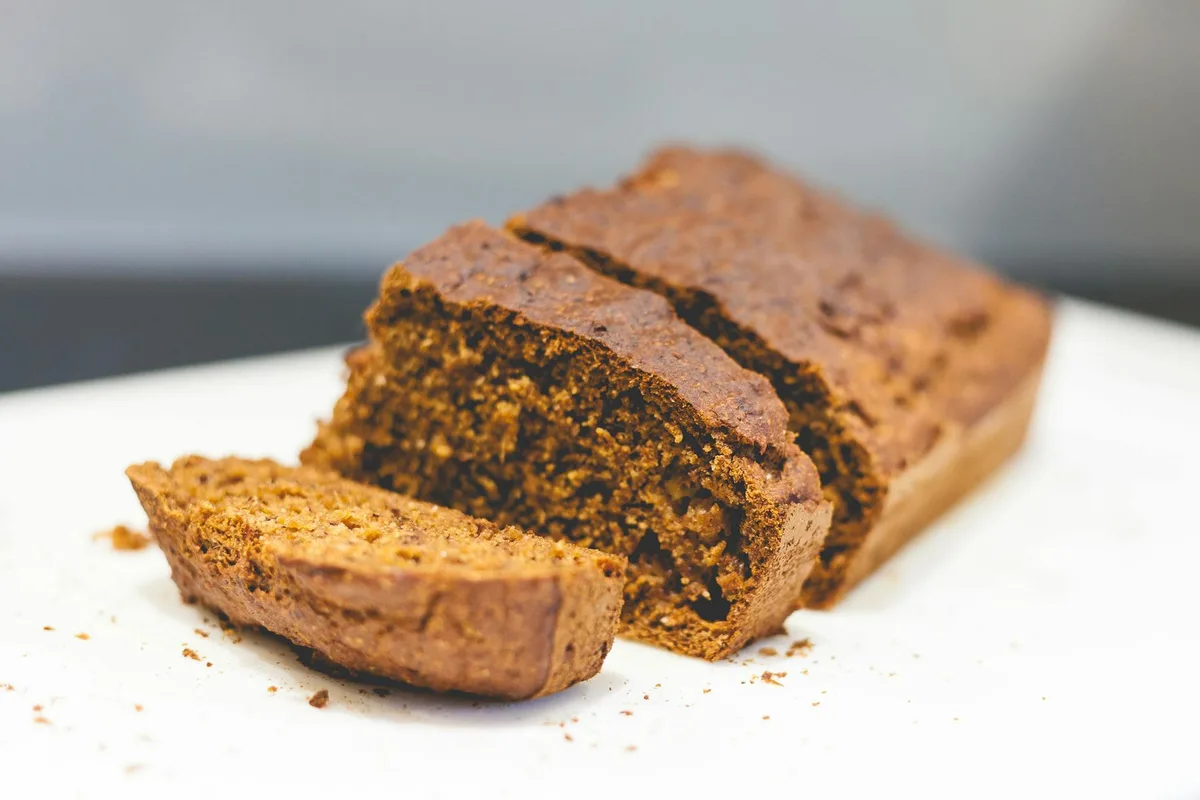
The skin of a zucchini is much like the peel of other vegetables and fruits; it contains fiber, nutrients, and contributes to the overall structure. When you're making zucchini bread, the skin's presence can be noticed in a few ways. It holds a good portion of the zucchini's natural green pigment, which can create attractive flecks throughout the bread's crumb. Aesthetically, these small green specks often signal that a fresh vegetable was used, enhancing the homemade appeal.
Texturally, the skin provides a mild firmness and a subtle chew. This can differentiate a loaf made with unpeeled zucchini from one made with peeled zucchini. Some bakers enjoy this added texture, finding it provides a more rustic feel. However, if the zucchini is older or has a thicker skin, this texture can become more pronounced, potentially leading to a tougher bite in the finished bread.
Features and Attributes of Zucchini Skin
- Color: Zucchini skin provides natural green coloring.
- Fiber: It's a source of dietary fiber.
- Texture: Adds a mild firmness and chewiness.
- Nutrients: Contains various vitamins and minerals.
- Edibility: Generally edible, especially when young.
Pros of Leaving Zucchini Skin On Your Bread
Leaving the skin on your zucchini when preparing it for bread-making offers several distinct advantages that can enhance your loaf. One of the most immediate benefits is an increase in dietary fiber. The skin is a concentrated source of this essential nutrient, and by leaving it intact, you boost the overall fiber content of your zucchini bread.
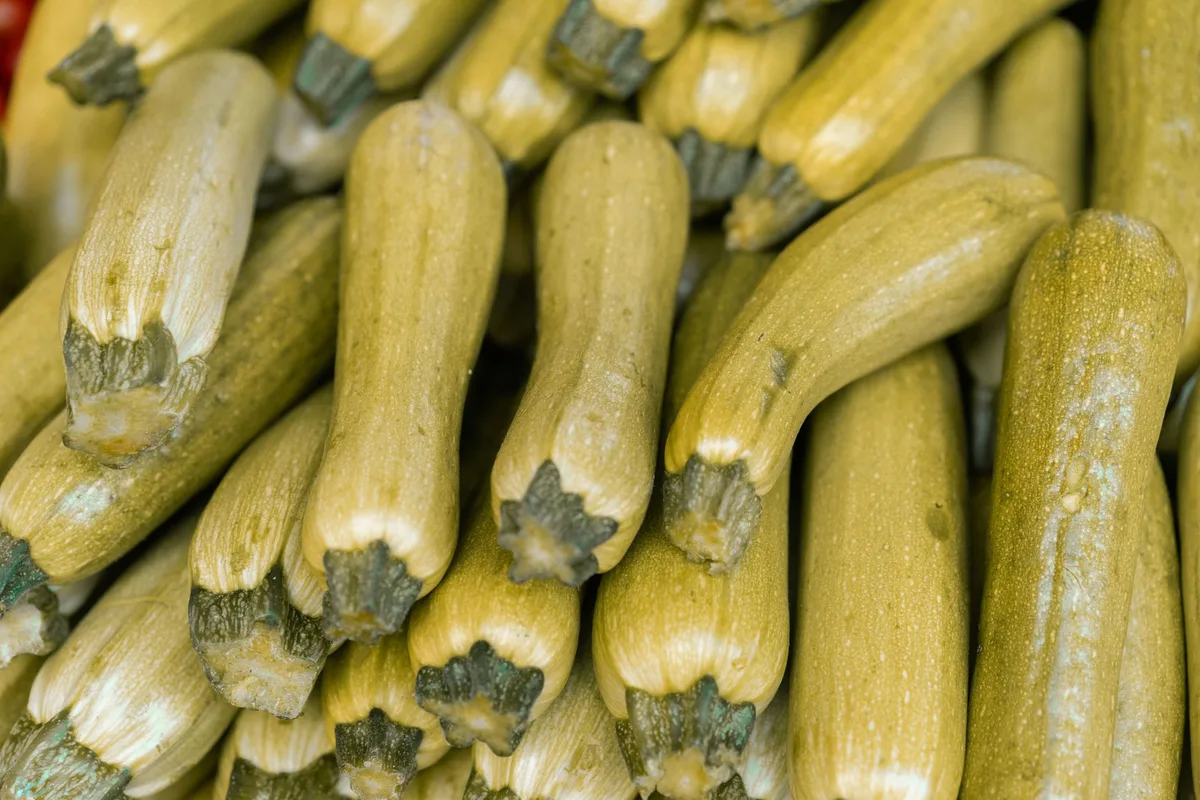
Visually, the skin's natural green hue can create appealing flecks throughout the bread's crumb. This adds a visual cue that your bread is packed with fresh ingredients, giving it a more rustic and homemade appearance. For bakers who appreciate a slightly more textured bite, the skin provides this without being overpowering, especially if the zucchini is young and its skin is thin and tender. It's a simple way to add a bit more character to a familiar quick bread.
- Boosted Fiber: Increases the overall dietary fiber of the bread.
- Visual Appeal: Adds attractive green flecks to the crumb.
- Subtle Texture: Contributes a slight chewiness and rustic feel.
- Simplicity: Saves the step of peeling.
Pros of Peeling Zucchini for Bread
Opting to peel your zucchini before shredding it for bread offers a direct path to a specific kind of texture that many bakers aim for. The primary benefit of peeling is ensuring an exceptionally tender and smooth crumb in your finished zucchini bread. When the skin, which can have a slight toughness, is removed, the shredded zucchini blends more seamlessly into the batter, resulting in a melt-in-your-mouth quality that's highly desirable for many.
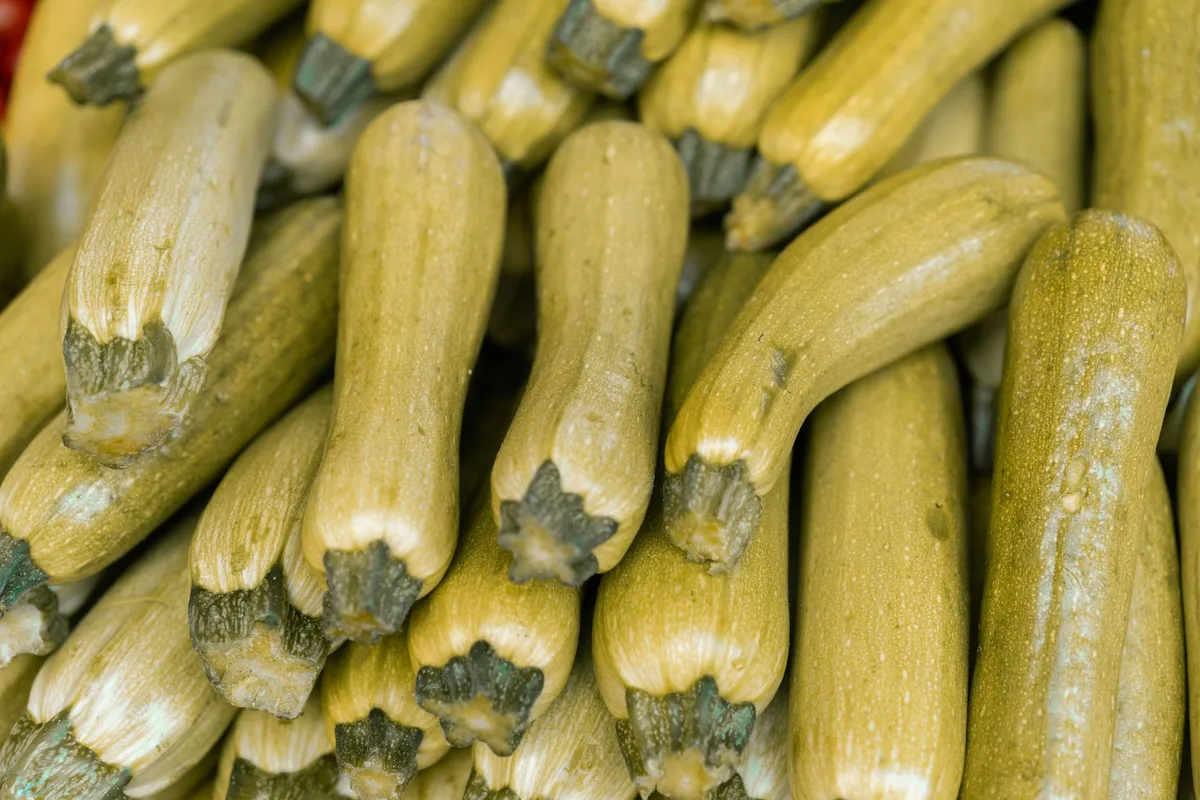
This method also guarantees a more uniform color throughout the bread. Without the green flecks from the skin, the bread’s interior will have a consistent, lighter hue, which can be preferable for those who prefer a classic appearance. For certain recipes or personal preferences, this smooth, uniform texture and color are key to achieving the ideal zucchini bread experience.
- Ultimate Tenderness: Achieves a soft, melt-in-your-mouth crumb.
- Uniform Color: Creates a consistent, lighter interior hue.
- Smoother Texture: Integrates more seamlessly into the batter.
Cons of Leaving Zucchini Skin On Your Bread
While leaving the skin on zucchini for bread has its merits, there are potential downsides to consider. The most significant concern revolves around texture. If you're using older zucchini or varieties known for having tough skins, this can translate into noticeable, slightly chewy, or even tough bits within your bread. This might be off-putting to those who prefer a uniformly soft and tender baked good.
Another consideration is the visual distribution of the green flecks. While some appreciate this rustic look, others find that too many or too large specks can make the bread appear less refined. Furthermore, depending on the thickness of the skin, it can sometimes be more difficult to grate the zucchini into fine strands, potentially leading to larger zucchini pieces in the batter. This is less about flavor and more about the overall mouthfeel.
- Potential for Toughness: Can lead to chewy or tough textures if zucchini is mature.
- Uneven Texture: May result in noticeable textural variations.
- Unwanted Color Specks: Green flecks might not be desired by everyone.
- Grating Difficulty: Thicker skins can make shredding less uniform.
Cons of Peeling Zucchini for Bread
Peeling zucchini for bread, while favoring tenderness, does come with its own set of drawbacks. The most obvious is the loss of the skin's natural fiber content. While zucchini is hydrating and adds moisture, the skin is where a good portion of its fiber resides. By discarding it, you're reducing the overall fiber contribution of the vegetable to your bread.
Moreover, you lose the visual interest that the zucchini skin's green flecks can add. A loaf made entirely from peeled, shredded zucchini will have a more uniform and often paler interior color. For some, this lack of visual variation might make the bread seem less appealing or less indicative of fresh ingredients. This method also adds an extra step to your preparation, which, while minor, is still an additional task in the baking process.
- Reduced Fiber: Discards a source of dietary fiber.
- Less Visual Interest: Eliminates green flecks, resulting in a uniform color.
- Extra Preparation Step: Adds time and effort to the recipe.
Comparing Zucchini Skin Options: A Side-by-Side Look
When deciding whether to peel zucchini for your bread, it boils down to balancing desired outcomes in texture, appearance, and ease. Leaving the skin on, especially with young, tender zucchini, adds a touch of rustic charm with visible green flecks and potentially a slightly firmer bite. It's the simpler, more direct method, saving you a few minutes and retaining a bit more fiber.
On the other hand, peeling zucchini prioritizes a sumptuously tender and uniformly colored crumb. This approach yields a classic loaf that’s often perceived as more delicate and smoother. It’s a trade-off: you gain that prized softness but lose the skin's fiber and visual interest. The choice depends entirely on what you prioritize in your perfect slice of zucchini bread.
| Feature | Skin On Zucchini | Peeled Zucchini |
|---|---|---|
| Texture | Slightly chewier, more textured bite | Exceptionally tender, smooth, melt-in-mouth |
| Appearance | Visible green flecks, rustic look | Uniform, lighter color, classic appearance |
| Fiber Content | Higher | Lower |
| Preparation | Simpler, quicker | Requires an extra step (peeling) |
| Zucchini Type | Best with young, tender varieties | Works well with all zucchini types, especially mature |
When to Leave Zucchini Skin On
You'll want to reach for leaving the skin on your zucchini for bread when your goal is a loaf with a bit more character, a slightly chewier texture, and a hint of rustic charm. This method is particularly well-suited when you're using zucchini that are fresh from the garden or farmers' market, as their skins are typically thin, tender, and mild in flavor. It’s a practical choice that minimizes prep time, a real win on a busy baking day.
Think of it as embracing the natural qualities of the vegetable. The fine green specks from the skin add an attractive visual element, clearly signaling that fresh produce is at the heart of your baking. Aggregate user feedback often highlights this visual appeal as a positive differentiator. If you prefer your quick breads to have a noticeable, wholesome texture rather than being uniformly soft, leaving the skin on is a great way to achieve that.
- Prioritizing Simplicity: Saves time and effort in the kitchen.
- Desiring Visual Interest: For attractive green flecks in the crumb.
- Seeking a Bit More Texture: If you don't want a completely smooth, soft bread.
- Using Young Zucchini: Their skins are thin and palatable.
When to Peel Zucchini for Bread
Peeling your zucchini is the way to go if your heart is set on achieving the absolute softest, most tender zucchini bread imaginable. This method is ideal when you want a classic, delicate crumb that practically dissolves in your mouth. Verified buyer feedback for many zucchini bread recipes consistently points to peeling as the key for this luxurious texture. It eliminates any possibility of the skin contributing a tough or chewy element.
This approach is also your best bet if you're working with zucchini that are larger, more mature, or have noticeably thicker, darker skins. In these cases, the skin might carry a stronger flavor or a tougher texture that would be detrimental to a delicate baked good. By peeling, you ensure that only the tender, moist flesh of the zucchini makes its way into your batter, yielding a beautifully uniform color and feel throughout the loaf.
- Aiming for Ultimate Softness: To achieve a super tender, smooth crumb.
- Using Mature Zucchini: When skins are thick or tough.
- Preferring Uniform Color: For a lighter, consistent interior.
- Seeking a Classic Texture: For a traditional, delicate zucchini bread feel.
Zucchini Bread Texture: The Skin Factor
The presence or absence of zucchini skin directly impacts the final texture of your bread. When you leave the skin on, particularly if it's from a young zucchini, you introduce a subtle textural variation. This isn't about creating large, noticeable chunks, but rather a slight, almost imperceptible chewiness. It adds a layer of complexity that can elevate the bread from simply soft to having a more engaging bite.
Think of it as adding a gentle textural contrast, similar to how a raisin adds a different mouthfeel in a cookie.
Conversely, peeling the zucchini ensures a singular textural experience: supreme softness. Without the skin’s minimal resistance, the shredded zucchini integrates entirely into the batter's matrix. This results in a consistent, smooth crumb where every bite offers the same tender quality. For recipes that emphasize moisture and a delicate crumb, as many quick breads do, the elimination of any textural variance from the skin is paramount.
- Skin On: Adds subtle chewiness and slight textural contrast.
- Skin Off: Ensures a uniformly soft, tender, and smooth crumb.
Mistakes to Avoid with Zucchini Skin in Bread
One common misstep when deciding about zucchini skin is using thicker-skinned or older zucchini and leaving the skin on, expecting a tender result. Our research indicates that while young, tender zucchini skins are generally fine, mature ones can impart unwanted toughness to the bread. If you choose to leave the skin on, always opt for the freshest, most vibrant zucchini you can find.
Another error is not washing the zucchini thoroughly before grating, regardless of whether you plan to peel it. Even if you're peeling, dirt or pesticides can transfer from the skin to the knife and then to the flesh. Always wash your zucchini under running water, and if you're leaving the skin on, give it a good scrub. Lastly, trying to achieve an exceptionally smooth crumb while leaving the skin on can be a contradiction in terms; if extreme tenderness is your goal, peeling is almost always the better route.
- Using Mature Zucchini with Skin On: Can lead to toughness.
- Not Washing Zucchini: Risk of dirt or contaminants.
- Expecting Smoothness with Skin On: This is often an unrealistic expectation.
Expert Tips for Zucchini Bread Perfection
To elevate your zucchini bread game, consider a few expert-backed tips. When shredding zucchini, whether you choose to peel it or not, squeeze out as much excess moisture as possible. Aggregating data from recipe developers suggests that over 2 cups of liquid per loaf can lead to a gummy texture. A fine-mesh sieve or a clean kitchen towel can work wonders here.
If you're leaving the skin on, aim for a fine grate. This ensures the skin integrates more subtly into the bread's crumb and avoids large, tough pieces. For those who prefer maximum tenderness, ensure your peeling technique is efficient. A standard vegetable peeler does a fine job, and you can always do a quick visual check afterward to catch any missed spots.
- Moisture Control: Squeeze excess water from shredded zucchini. Over 2 cups of added liquid can affect texture.
- Fine Grating: Especially important if leaving the skin on, for better integration.
- Peeling Efficiency: Use a good peeler and check for missed spots for ultimate tenderness.
Zucchini Bread Texture: The Skin Factor
The presence or absence of zucchini skin directly impacts the final texture of your bread. When you leave the skin on, particularly if it's from a young zucchini, you introduce a subtle textural variation. This isn't about creating large, noticeable chunks, but rather a slight, almost imperceptible chewiness. It adds a layer of complexity that can elevate the bread from simply soft to having a more engaging bite.
Think of it as adding a gentle textural contrast, similar to how a raisin adds a different mouthfeel in a cookie.
Conversely, peeling the zucchini ensures a singular textural experience: supreme softness. Without the skin’s minimal resistance, the shredded zucchini integrates entirely into the batter's matrix. This results in a consistent, smooth crumb where every bite offers the same tender quality. For recipes that emphasize moisture and a delicate crumb, as many quick breads do, the elimination of any textural variance from the skin is paramount.
Zucchini Bread: To Peel or Not to Peel?
The decision on whether to peel zucchini for bread hinges on your desired outcome for the finished product. If you're aiming for a classic, tender, and uniformly textured loaf where the zucchini's moisture is seamlessly incorporated, peeling is your best bet. Verified buyer feedback indicates this method is consistent for achieving that desired soft crumb. It's especially recommended if your zucchini are on the larger or more mature side.
However, if you appreciate a slightly more rustic bread with a hint of texture and visual interest from green flecks, leaving the skin on is perfectly acceptable, particularly with young, tender zucchini. This approach is simpler and retains a bit more of the vegetable's fiber. Ultimately, the "best" method is subjective and depends on your personal preference for texture and appearance.
Decision Guide: Which Approach Suits You?
- For Ultimate Tenderness & Smoothness: Peel your zucchini.
- For a Rustic Feel & Visual Flecks: Leave the skin on (use young zucchini).
- If Using Mature Zucchini: Peeling is highly recommended.
- To Maximize Fiber: Keep the skin on (always wash thoroughly).
Zucchini Bread Recipe Considerations
When adapting a zucchini bread recipe, the decision to peel directly influences the expected moisture content. Recipes often call for grating about two cups of zucchini. If you leave the skin on, especially with watery zucchini, you might end up with slightly more liquid. Our research suggests that typical quick bread batters can accommodate around 250-350 ml of extra moisture per standard loaf (approximately 9×5 inches) before becoming too wet.
If you peel your zucchini, you might find the batter is slightly drier. In such cases, a recipe might benefit from a slight increase in liquid, perhaps an extra tablespoon or two of milk or oil, to achieve the perfect consistency. Always pay attention to the batter's consistency as you mix; it should be thick but pourable, not runny or stiff. This adaptability is key to turning out a great loaf, skin on or off.
When to Rely on Recipe Guidelines
Many trusted zucchini bread recipes will specify whether to peel the zucchini or leave the skin on, and it’s generally wise to follow those instructions. These recipes have often been tested extensively to achieve a particular outcome in terms of texture, moisture, and flavor. For instance, if a recipe calls for "2 cups grated zucchini, peeled," it's designed to work with the specific moisture and texture profile of peeled zucchini.
Deviating from this instruction might alter the expected results. If a recipe doesn't specify, consider the type of zucchini you have available. For younger, firmer zucchini, leaving the skin on is often a safe bet. For older, softer, or larger zucchini, a quick peel is a more reliable choice to ensure a desirable texture in your baked goods.
Always trust well-tested recipes to guide your decision.
