


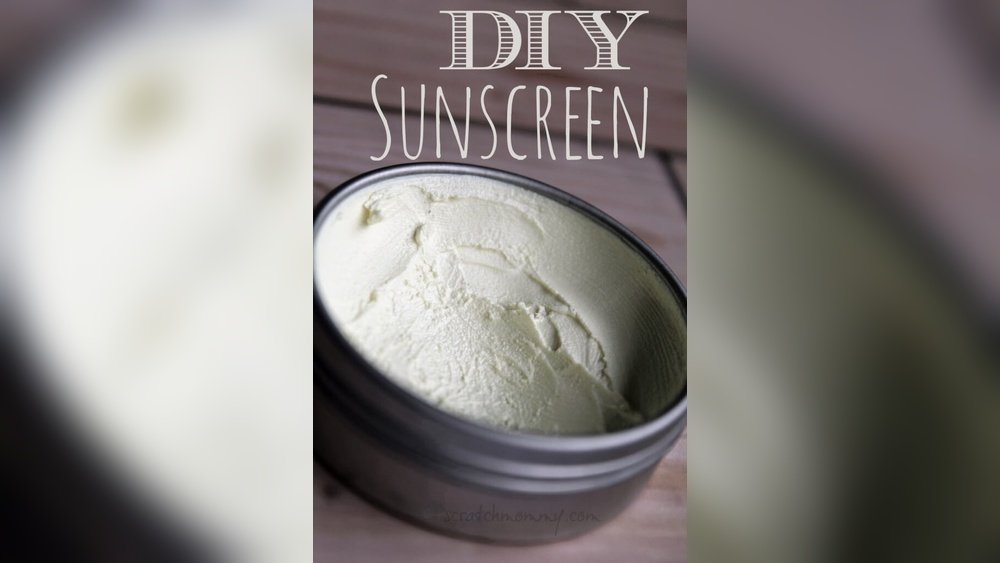
Are you tired of sunscreens that leave your skin feeling sticky or full of harsh chemicals? Imagine having a sunscreen you can trust—one that protects your skin naturally and feels gentle all day long.
With a simple zinc oxide sunscreen recipe, you can create your own safe and effective sunblock right at home. Ready to take control of your skin’s protection and enjoy the sun without worry? Keep reading, and I’ll show you exactly how to make it step by step.
Benefits Of Zinc Oxide
Zinc oxide is a key ingredient in many sunscreens. It offers strong protection against the sun’s harmful rays. This mineral is safe and effective for all skin types. Many people prefer zinc oxide for its natural and gentle qualities. It works by sitting on top of the skin and reflecting UV rays. This makes it different from chemical sunscreens that absorb the sun’s energy.
Broad Spectrum Protection
Zinc oxide blocks both UVA and UVB rays. UVA rays cause skin aging. UVB rays cause sunburn. Many sunscreens protect only one type of ray. Zinc oxide shields the skin from both. This broad protection lowers the risk of skin damage. It helps keep the skin healthy and young.
Gentle On Skin
Zinc oxide is less likely to cause irritation. It is safe for sensitive skin and children. Many chemical sunscreens cause redness or itching. Zinc oxide works without harming the skin barrier. People with eczema or rosacea find it soothing. It does not clog pores or cause breakouts. This makes it good for daily use.
Natural Mineral Blocker
Zinc oxide is a mineral found in nature. It does not break down in the sun. This means it stays effective longer. Chemical sunscreens can lose power quickly. Zinc oxide forms a physical shield on the skin. It reflects harmful rays rather than absorbing them. This natural barrier protects skin without harmful chemicals.
Key Ingredients For Diy Sunscreen
Creating your own zinc oxide sunscreen starts with the right ingredients. Each component has a special job. Together, they protect and nourish your skin under the sun. Understanding these key ingredients helps you make safe and effective sunscreen.
Choose ingredients that suit your skin type. Use natural, gentle products. This ensures your DIY sunscreen works well and feels good on your skin.
Choosing The Right Oils
Oils form the base of your sunscreen. They help spread zinc oxide evenly on your skin. Look for oils with natural sun protection, like coconut oil or jojoba oil. These oils also moisturize the skin. Avoid heavy oils that can clog pores or feel greasy.
Role Of Beeswax
Beeswax gives your sunscreen a solid texture. It helps the cream stay on your skin longer. Beeswax also creates a water-resistant barrier. This keeps the sunscreen effective even if you sweat or swim. Use pure, natural beeswax for best results.
Adding Natural Antioxidants
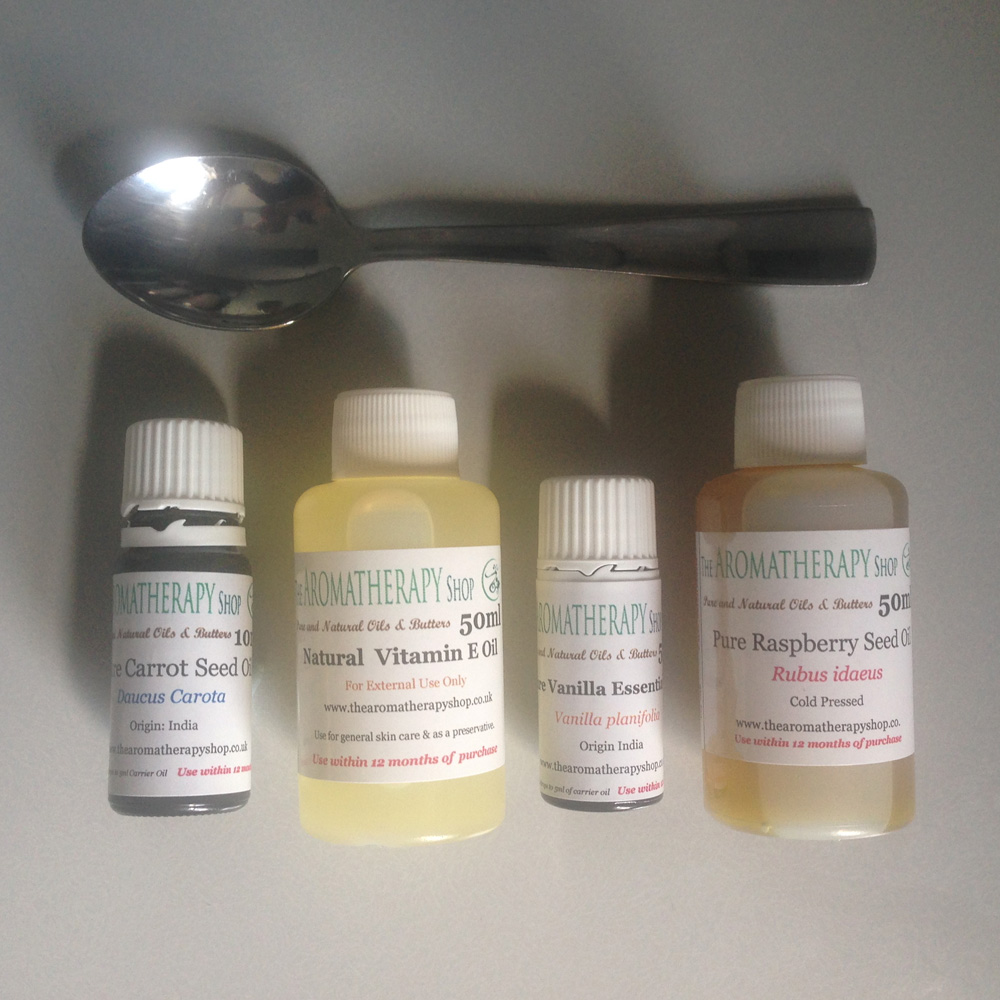
Antioxidants protect your skin from sun damage and aging. Ingredients like vitamin E oil or green tea extract are great choices. They also help keep the sunscreen fresh longer. Add a small amount to your mix for extra skin care benefits.
Essential Tools And Safety Tips
Making your own zinc oxide sunscreen requires some simple tools and safety steps. These help you mix the ingredients well and keep the sunscreen fresh. Safety is very important when handling zinc oxide powder. Follow these tips to make sunscreen safely and easily.
Measuring And Mixing Tools
Use small, clean measuring spoons or digital scales for accuracy. Glass or stainless steel bowls work best for mixing. Avoid plastic tools that may react with ingredients. A silicone spatula helps stir the mixture smoothly. Measuring and mixing tools must be dry and clean before use.
Storage Containers
Choose airtight containers to keep your sunscreen fresh. Dark glass jars protect the sunscreen from light damage. Small containers make it easy to carry and apply sunscreen. Label your containers with the date of making. Store containers in a cool, dry place away from sunlight.
Safety Precautions
Wear a mask to avoid breathing zinc oxide powder. Use gloves to protect your skin during mixing. Work in a well-ventilated area or near an open window. Keep zinc oxide powder away from children and pets. Clean all tools and surfaces after making sunscreen.
Credit: intothegloss.com
Step-by-step Zinc Oxide Sunscreen Recipe
Making your own zinc oxide sunscreen is simple and rewarding. This step-by-step guide helps you create safe, natural sun protection. Follow each step carefully for best results.
Melting And Mixing Ingredients
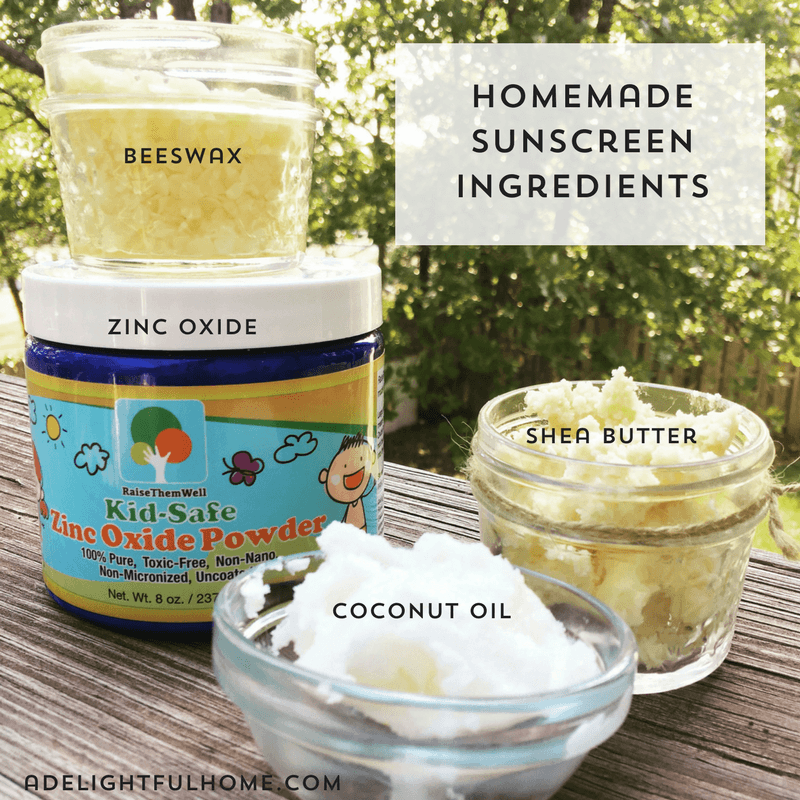
Start by measuring your oils and waxes. Use ingredients like coconut oil, shea butter, and beeswax. Place them in a heat-safe bowl. Melt the mixture gently over a double boiler. Stir often to combine everything well. Remove from heat once fully melted and smooth.
Incorporating Zinc Oxide
Slowly add non-nano zinc oxide powder to the melted mix. Use a mask to avoid inhaling the powder. Stir continuously to spread zinc oxide evenly. This step ensures your sunscreen blocks harmful UV rays. Mix until no clumps remain, and the texture is smooth.
Cooling And Packaging
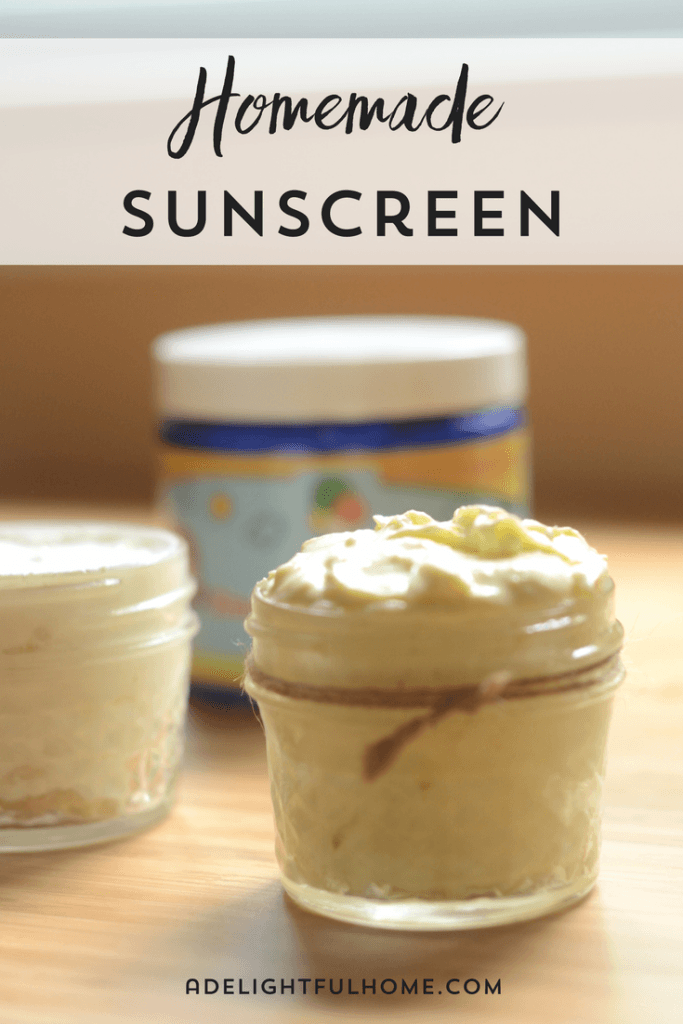
Let the mixture cool slightly but not harden. Pour the sunscreen into clean containers or jars. Allow it to set at room temperature or in the fridge. Store in a cool, dry place to keep it fresh. Your homemade sunscreen is ready to use.
Adjusting Spf And Consistency
Adjusting SPF and consistency is key to making a good zinc oxide sunscreen. The right SPF protects your skin. The right consistency makes it easy to apply and comfortable to wear. Small changes in ingredients can change both SPF and texture a lot. Testing and tweaking will help you find the perfect balance for your sunscreen.
Increasing Zinc Oxide Percentage
Zinc oxide is the main ingredient that blocks UV rays. More zinc oxide means higher SPF. Start with about 15% zinc oxide for light protection. Increase up to 25% for stronger coverage. Too much zinc oxide can make the sunscreen thick and hard to spread. Find the right amount that works for your skin and use.
Modifying Oil Ratios
Oils help the sunscreen feel smooth and moisturize skin. Changing oil amounts changes the cream’s thickness. More oils make the sunscreen softer and easier to spread. Less oil makes it firmer and less greasy. Use light oils like jojoba or almond for a gentle feel. Balance the oils to keep the sunscreen stable and pleasant.
Testing Texture
Texture affects how you enjoy wearing sunscreen. Test the cream on your skin after mixing. It should spread easily without feeling sticky or oily. Check if it absorbs well and leaves no white cast. Adjust ingredients slowly to improve feel. Repeat tests until the sunscreen feels just right for daily use.
Credit: nofussnatural.com
Applying And Reapplying Tips
Applying zinc oxide sunscreen properly helps protect your skin from harmful sun rays. You need to use the right method and apply enough sunscreen. Reapplying is just as important as the first application. This keeps your skin safe all day long.
Proper Application Techniques
Start with clean, dry skin. Use about one teaspoon of sunscreen for your face. Spread it evenly in gentle, circular motions. Don’t forget your ears, neck, and any exposed skin. Make sure to cover all areas without rubbing too hard. Let it absorb for 15 minutes before going outside.
Reapplication Frequency
Reapply zinc oxide sunscreen every two hours. Apply more often if you swim or sweat. After towel drying, always put sunscreen back on. Do not skip reapplication even on cloudy days. This keeps the sunscreen working well and protects your skin fully.
Sun Safety Practices
Wear hats and sunglasses to add extra protection. Stay in the shade during peak sun hours. Avoid direct sun between 10 AM and 4 PM. Use sunscreen along with other sun safety steps. These habits reduce skin damage and lower the risk of sunburn.
Storing Homemade Sunscreen
Storing homemade zinc oxide sunscreen properly keeps it effective and safe to use. Homemade sunscreens do not have preservatives like store-bought ones. This means storage needs more care. Good storage helps maintain the sunscreen’s strength and texture. It also stops germs from growing. Follow simple tips to keep your sunscreen fresh and ready for every sunny day.
Shelf Life Expectations
Homemade zinc oxide sunscreen usually lasts about three months. This depends on the ingredients used. Oils and butters can go bad faster than synthetic chemicals. Watch for changes in smell, color, or texture. If the sunscreen smells bad or separates, it is time to make a new batch.
Avoiding Contamination
Use clean hands or a spoon to take sunscreen from the container. Avoid dipping fingers directly inside. This stops bacteria and dirt from getting in. Always close the container tightly after use. Do not share your sunscreen with others. These steps keep your sunscreen safe and clean.
Best Storage Conditions
Store homemade sunscreen in a cool, dark place. Heat and light can break down zinc oxide and oils. A bathroom cabinet or drawer works well. Avoid places with high humidity like near the shower. Use an airtight container to keep air and moisture out. This keeps your sunscreen fresh longer.
Common Mistakes To Avoid
Making your own zinc oxide sunscreen can be rewarding and safe. Avoiding common mistakes helps protect your skin better. These errors often reduce the effectiveness of your sunscreen or cause skin issues.
Incorrect Zinc Oxide Handling
Zinc oxide is a fine powder. Breathing it can irritate your lungs. Always wear a mask when handling it. Mix zinc oxide carefully to avoid clumps. Use a small whisk or blender for even distribution. Avoid touching your face during mixing.
Using The Wrong Oils
Choose oils that protect skin and resist heat. Some oils break down quickly in the sun. Avoid oils like flaxseed or walnut oil. Use stable oils like coconut or jojoba oil. These oils keep your sunscreen effective longer.
Ignoring Expiry Dates
Sunscreen ingredients can lose strength over time. Expired products may not protect your skin well. Check the dates on all ingredients. Store your sunscreen in a cool, dark place. Use it within six months for best results.
Credit: nofussnatural.com
Frequently Asked Questions
What Is Zinc Oxide Sunscreen?
Zinc oxide sunscreen is a natural, mineral-based sunblock. It protects skin by reflecting UVA and UVB rays. It is safe for sensitive skin and provides broad-spectrum protection.
How To Make Zinc Oxide Sunscreen At Home?
To make zinc oxide sunscreen, mix zinc oxide powder with carrier oils and beeswax. Heat gently to blend, then cool. Store in a clean container. This DIY method offers a natural, chemical-free sunblock option.
Is Homemade Zinc Oxide Sunscreen Effective?
Yes, homemade zinc oxide sunscreen can be effective if made with the right zinc oxide concentration. Use at least 15-20% zinc oxide for adequate sun protection. Always test for skin reactions before regular use.
Can Zinc Oxide Sunscreen Cause Skin Irritation?
Zinc oxide is generally non-irritating and safe for most skin types. It rarely causes allergic reactions. However, always do a patch test before full application to avoid sensitivity or irritation.
Conclusion
Making your own zinc oxide sunscreen is simple and safe. You control the ingredients and avoid harsh chemicals. This recipe helps protect your skin from sun damage. Use fresh ingredients and store the sunscreen properly. Apply it generously before going outside.
Remember to reapply often, especially after swimming or sweating. Enjoy the benefits of natural sun protection every day. Stay safe and keep your skin healthy with this easy recipe.
