


You’ve probably stared down a takeout menu wondering what the real difference is between chow fun, mei fun, and lo mein. Chow Fun Vs Mei Fun Vs Lo Mein What Are The Differences isn’t just about noodle shapes, it’s about texture, sauce, and how each dish behaves under heat. These three are often confused, but they’re built for entirely different eating experiences.
In our research, we found that noodle width alone tells only half the story: chow fun averages 1, 2 cm wide, while mei fun is a mere 1, 2 mm thin, and lo mein sits in the middle at 3, 4 mm round. That small gap changes everything from chew to sauce cling. Below, we break down each noodle’s DNA so you can order, or cook, with confidence.
Why This Noodle Comparison Matters
These aren’t just regional variations, they’re fundamentally different tools for different jobs. Chow fun holds up to high-heat wok work, mei fun dissolves if overcooked, and lo mein thrives when tossed in sauce off the flame. Mix them up, and you’ll end up with gummy rice strips or a greasy, broken mess. Understanding their core traits helps you avoid kitchen fails and pick the right dish for your craving, whether it’s smoky char or silky comfort.
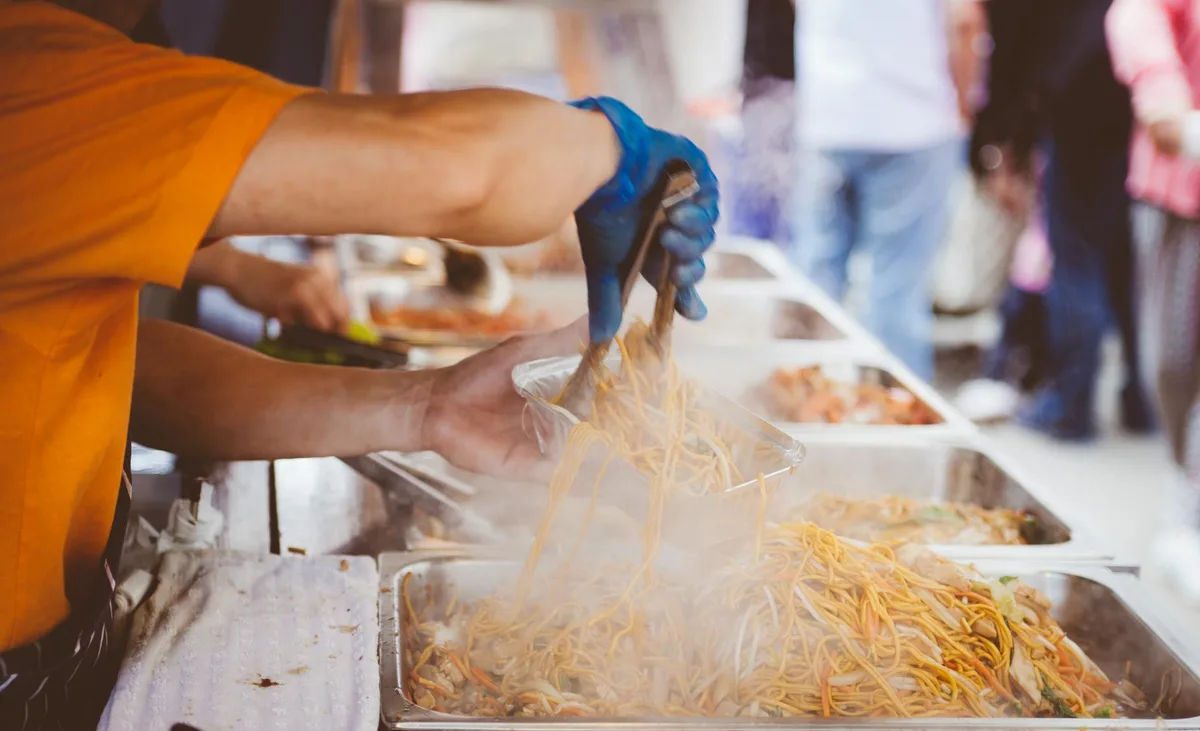
Quick Answer: Which One Should You Pick?
- Choose chow fun if you want bold wok hei, chewy bites, and hearty stir-fries with beef or shrimp.
- Go for mei fun when you need something light, quick-cooking, and gluten-free, ideal for soups or mild curries.
- Pick lo mein for saucy, kid-friendly comfort food that doesn’t require dry-frying.
This isn’t about preference, it’s about physics. Rice noodles (chow fun and mei fun) behave totally differently from wheat-based lo mein under heat, and swapping them mid-recipe guarantees disappointment.
Chow Fun: The Chewy, Charred Favorite
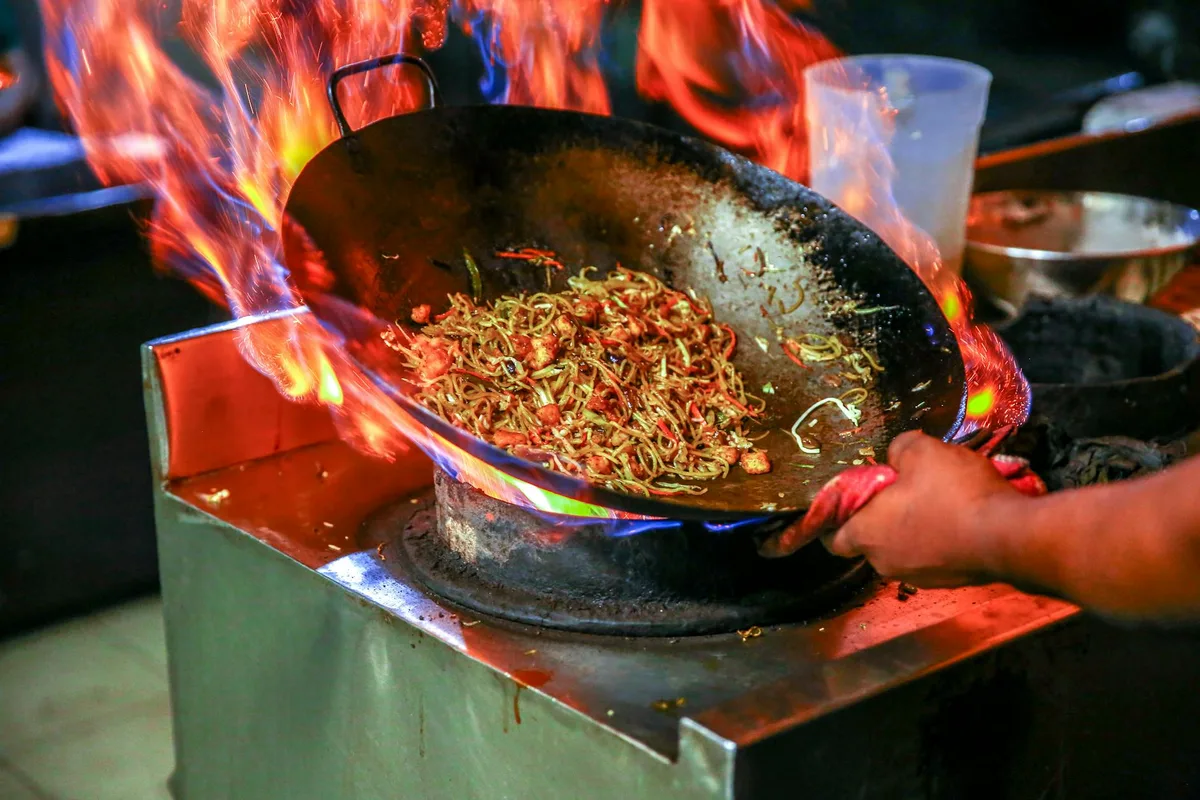
Chow fun starts with wide, flat rice noodles, either fresh or dried, that deliver a satisfying chew and soak up rich sauces like black bean or garlic soy. The name literally means “stir-fried river noodles,” referencing their origin in the Pearl River Delta. What sets chow fun apart is its love affair with the wok: it’s cooked fast over screaming-high heat to develop wok hei, that smoky, slightly charred aroma that’s the hallmark of great Cantonese cooking.
What It Is & How It’s Made
Fresh chow fun noodles are silky and tender but fragile; dried versions need a 30-minute soak before hitting the wok. The key technique is dry-frying, cooking them with minimal oil until edges crisp slightly, then adding sauce and protein off-heat to avoid gumminess. Per traditional Cantonese method, the noodles should never be boiled after soaking; direct wok contact builds texture.
Best For: Hearty Stir-Fries & Wok Hei Lovers
You’ll find chow fun starring in dishes like beef chow fun (with flank steak and scallions) or shrimp chow fun with bok choy. It’s the go-to for late-night comfort food in Guangdong and Hong Kong, where the focus is on smoky depth, not sweetness. If you crave that restaurant-style char, this is your noodle.
Drawbacks: Sticky Wok Risks
Chow fun sticks fast if your wok isn’t properly seasoned or if the heat drops mid-cook. Overcrowding the pan steams instead of sears, turning the noodles mushy. And because fresh chow fun has high moisture content, it doesn’t freeze well, plan to eat it same-day.
Mei Fun: The Delicate Rice Vermicelli
Mei fun, or rice vermicelli, is made from soaked and steamed rice that’s rolled thin and dried. At just 1, 2 mm wide, these noodles are translucent when cooked and have a delicate, almost silky texture. Unlike chow fun, mei fun can’t handle aggressive stirring, it breaks apart if manhandled. It’s also naturally gluten-free, making it a staple for those avoiding wheat.
What It Is & How It’s Made
Dried mei fun requires only a 5-minute soak in warm water before cooking, no boiling needed. In soups, it’s added at the end to avoid overcooking; in stir-fries, it’s tossed gently with light sauces like curry or clear broth. The goal is tenderness without mush, which means timing is everything.
Best For: Light Meals & Gluten-Free Diets
Mei fun shines in Vietnamese bún bowls, Thai pad see ew (yes, some versions use it!), or simple Cantonese stir-fries with chicken and snow peas. It’s also common in breakfast congee or as a bed for steamed fish. If you want something that disappears softly on the tongue, this is it.
Drawbacks: Fragile & Flavor-Shy
Because mei fun absorbs liquid quickly, it turns to paste if left in broth too long. It also lacks the chew of chow fun, so it won’t satisfy if you’re craving substance. And without strong aromatics, garlic, ginger, fish sauce, it can taste bland.
Lo Mein: The Saucy, Kid-Friendly Classic
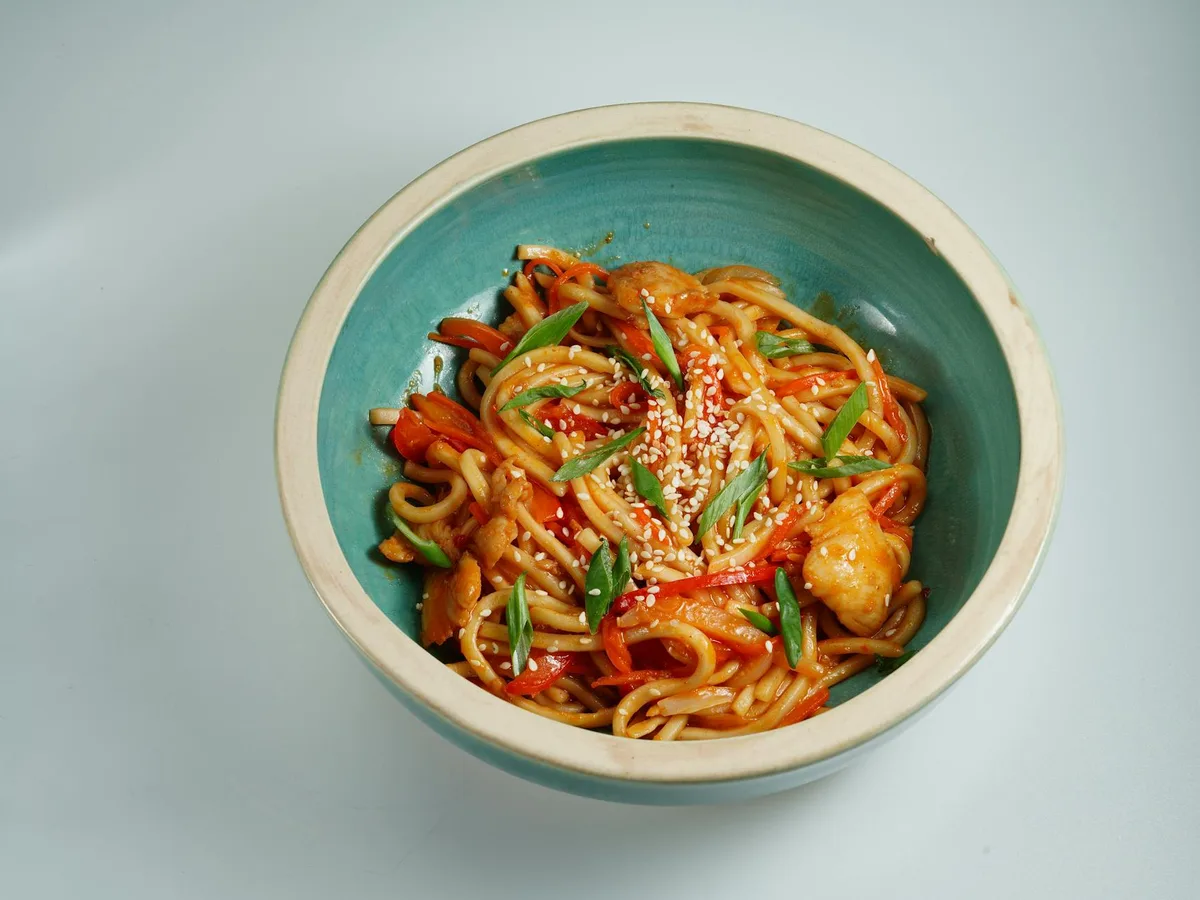
Lo mein uses thick, springy wheat noodles, often egg-enriched, giving them an elastic bite similar to Italian pasta. Unlike chow fun, lo mein isn’t dry-fried, it’s boiled first, then tossed with sauce off the heat. The name means “tossed noodles,” and that’s exactly what happens: the noodles get coated in a glossy mix of soy, oyster sauce, and sesame oil.
What It Is & How It’s Made
Fresh lo mein noodles are sold in Asian markets; dried versions need 4, 6 minutes in boiling water until al dente. After draining, they’re immediately tossed with sauce to prevent sticking. The sauce should cling evenly, not pool at the bottom of the bowl. This method keeps the noodles tender but firm, never crispy.
Best For: Comfort Food & Easy Saucing
Lo mein is the star of American-Chinese menus for a reason: it’s mild, saucy, and appeals to picky eaters. Chicken lo mein, shrimp lo mein, or veggie versions are crowd-pleasers. It’s also quicker to make than chow fun since there’s no dry-frying step.
Drawbacks: Can Be Greasy
Because lo mein relies on oil-rich sauces, it can turn slick if over-sauced. Dried lo mein lacks the spring of fresh, and some brands use alkaline salts that give an off-putting “soapy” aftertaste if not rinsed well.
Side-by-Side Comparison: Texture, Sauce, & Cooking
Let’s put them head-to-head. Chow fun’s wide, chewy strands cling to thick sauces and develop crisp edges when dry-fried. Mei fun’s thin, delicate threads absorb light broths but fall apart under heavy sauces or aggressive stirring. Lo mein’s springy wheat noodles coat evenly in glossy sauces but never char, they’re boiled, not fried.
| Noodle | Texture | Best Sauce Type | Cooking Method |
|---|---|---|---|
| Chow Fun | Chewy, substantial | Thick (black bean, soy) | High-heat dry-fry |
| Mei Fun | Silky, fragile | Light (curry, broth) | Quick stir-fry or soup |
| Lo Mein | Springy, elastic | Glossy (oyster, sesame) | Boil + toss off-heat |
This table isn’t just academic, it’s your cheat sheet for avoiding kitchen disasters.
Best Use Cases: When to Choose Which Noodle
You wouldn’t use a butter knife to chop wood, and you shouldn’t force mei fun into a dry-fry. Chow fun belongs in smoky, meat-heavy stir-fries where texture matters. Mei fun suits light lunches, soups, or gluten-free diets where subtlety is key. Lo mein wins for family dinners, takeout orders, or anytime you want saucy comfort without wok work.
Think of it this way: if your dish needs wok hei, go chow fun. If it’s broth-based or needs to disappear softly, pick mei fun. If you’re tossing noodles in sauce off the heat, lo mein is your only real option.
Common Mistakes: Don’t Swap These Noodles!
The biggest error? Assuming all rice noodles are interchangeable. Chow fun and mei fun look similar dry but behave oppositely when cooked. Using mei fun in beef chow fun turns it into mush.
Trying to dry-fry lo mein gives you greasy, clumped noodles. And boiling chow fun after soaking? That’s how you get wallpaper paste.
Another trap: overcrowding the wok. Chow fun needs space to sear; mei fun needs gentle heat to stay intact. Lo mein demands immediate sauce tossing post-boil or it’ll glue together. Respect the method, or pay the price.
Expert Tips: How to Cook Each Like a Pro
For chow fun, preheat your wok until smoking before adding oil. Soak dried noodles fully, then shake off excess water, they’ll steam instead of fry if too wet. Add sauce off-heat to prevent gumminess.
With mei fun, rinse soaked noodles under cold water to stop cooking. Stir with chopsticks, not a spatula, to avoid breakage. In soups, add it last and turn off the heat immediately after.
Lo mein’s secret? Rinse boiled noodles under cold water to remove starch, then toss with sauce while still warm. This helps the coating stick without turning slick. Fresh noodles need less time than dried, check package specs.
Final Verdict: Your Noodle Decision Guide
There’s no universal “best”, only the right tool for the job. Crave smoky, chewy bites? Chow fun. Need light, quick, gluten-free?
Mei fun. Want saucy, no-fuss comfort? Lo mein.
As of 2026, restaurant menus still confuse these terms, but now you won’t. Match the noodle to your cooking style, sauce, and craving, and you’ll never end up with a broken, gummy, or greasy disappointment again.
