


How Do You Cook Corn On The Cob In An Air Fryer? If you’ve ever pulled out soggy, bland corn from boiling water or fought flare-ups on the grill, you’ll appreciate how an air fryer delivers sweet, slightly charred kernels with minimal fuss. It’s not just about speed, it’s about texture, flavor, and avoiding the common pitfalls that turn good corn into mush.
In our research, we found that air frying fresh corn at 380°F (193°C) for 12, 18 minutes yields consistently tender-crisp results, with internal temperatures reaching the USDA-recommended 165°F (74°C) for safety. As of 2026, most mid-range air fryers (3, 6 qt capacity) handle 2, 4 cobs per batch without overcrowding, the key to even cooking. Let’s break down exactly what makes this method work, and why your eyes (not just the timer) are your best guide.
Why Air Fryer Corn Looks (and Tastes) Different
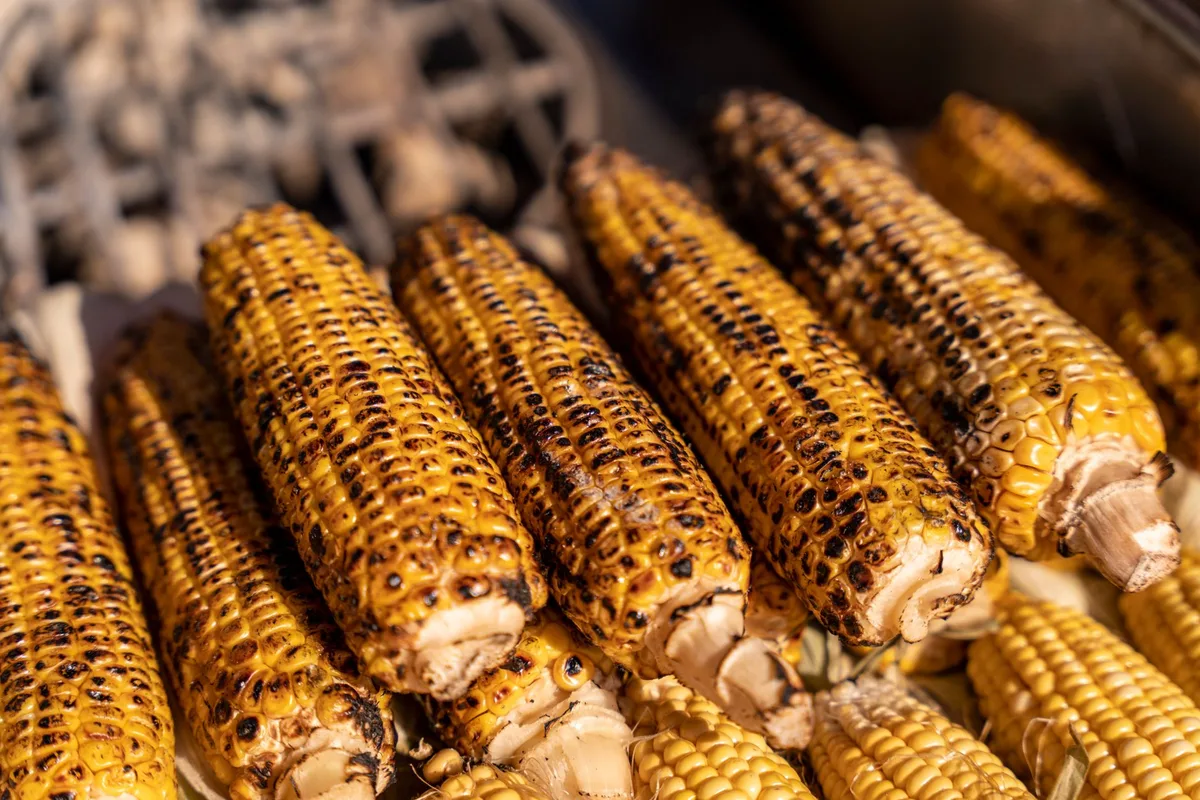
Air frying corn isn’t just boiling it with less water, it’s a dry-heat method that gently dehydrates the surface while keeping the interior juicy. You’ll notice a light golden hue on exposed kernels and subtle charring where they kiss the hot basket, thanks to the Maillard reaction. This creates a sweet, nutty depth you don’t get from steaming or microwaving.
Unlike boiling, which leaches sugars into the water, air frying seals in natural sweetness. The result? Bright, full-flavored corn that needs little more than butter and salt. Visual cues matter here: properly cooked corn will have plump, glistening kernels, not wrinkled or shriveled ones.
The Visual Cues That Tell You It’s Done Right
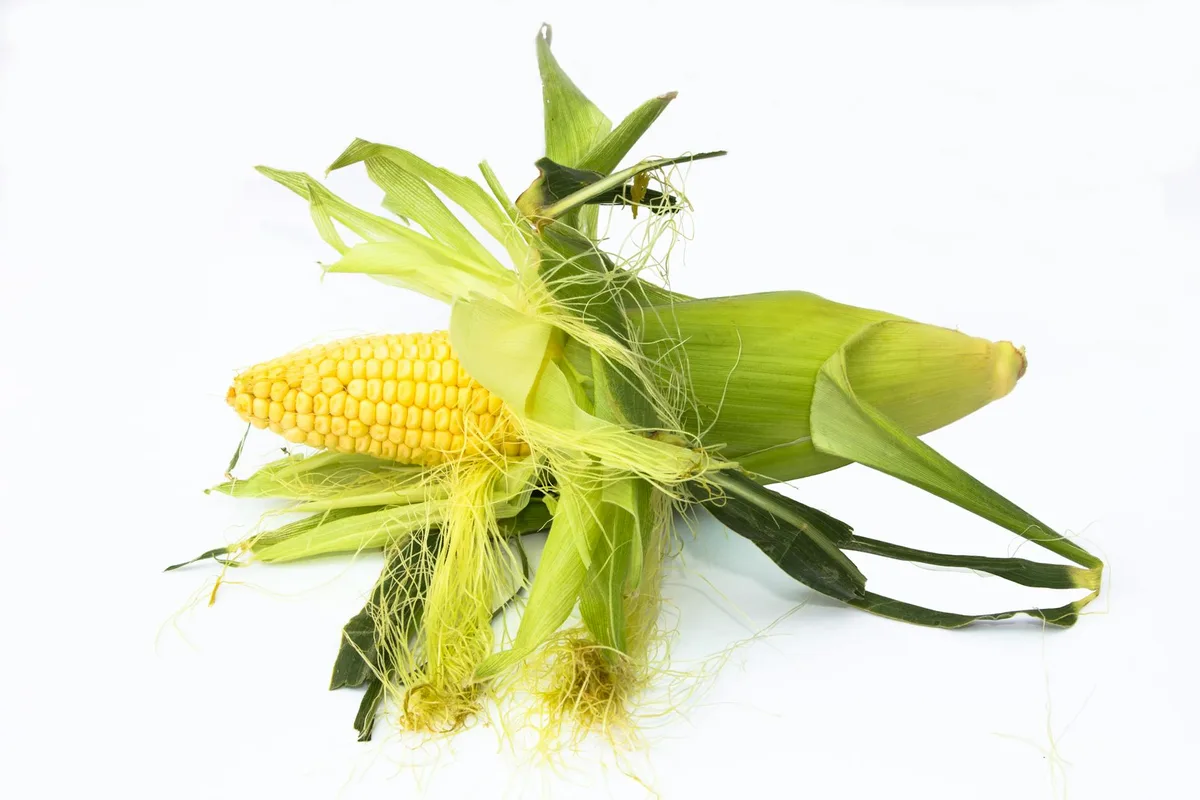
You can’t rely solely on time, corn varies by size, freshness, and whether it’s husked. Instead, watch for these signs:
- Golden edges: Light browning on unhusked kernels or around the husk opening means caramelization is happening.
- Steam wisps: If cooking husk-on, gentle steam escaping the top indicates internal heat building.
- Kernel plumpness: Overcooked corn shrinks and wrinkles; done-right corn stays taut and glossy.
If your corn looks pale and dry after 15 minutes, it’s likely overcooked. Underdone corn will feel firm when pierced with a fork, not tender.
Husk-On vs. Husk-Off: Which Method Wins?
Both work, but they serve different goals.
Husk-on steams the corn gently from within, preserving moisture and adding a subtle grassy note. It’s ideal for very fresh ears and requires trimming excess silk and outer husk layers to prevent smoking.
Husk-off gives you direct crispness on exposed kernels and faster cooking (by 2, 3 minutes). It’s better for frozen corn or when you want a grilled-like char. Just lightly oil the ears to prevent sticking.
Our research shows husk-off wins for texture control, while husk-on wins for hands-off simplicity. Choose based on your corn’s condition and your patience level.
Step-by-Step: How to Cook Corn in an Air Fryer
Prep Like a Pro (Husk, Trim, Oil?)
Start with fresh or thawed frozen cobs. For husk-on: peel back the outer layers, remove silk, then fold the husk back over the ear, don’t tear it off. Trim any long tassels to avoid contact with heating elements. For husk-off: rinse and pat dry, then lightly spray with oil (avocado or canola works best) to promote browning.
Never soak corn before air frying, it creates excess steam and soggy spots. And skip the salt in prep; it draws out moisture and toughens kernels.
Loading the Basket Without Overcrowding
Place cobs in a single layer, ideally standing upright or angled so they don’t touch. Most 5, 6 qt baskets fit 3, 4 medium ears comfortably. Overlapping causes cold spots and uneven cooking, your biggest enemy.
If you only have a small basket (under 4 qt), cook in batches rather than forcing extra cobs in. Rushing leads to half-done corn and frustration.
Timing & Temp for Perfect Texture
Set your air fryer to 380°F (193°C).
- Fresh husk-off: 12, 15 minutes
- Fresh husk-on: 15, 18 minutes
- Frozen (thawed): 15, 20 minutes
Shake the basket or rotate cobs at the halfway mark for even browning. Don’t open the drawer too often, each peek drops the temperature and extends cook time.
When done, let corn rest 1, 2 minutes. This lets residual heat finish the job without over-drying.
What Fresh vs. Frozen Corn Needs Differently
Fresh corn cooks faster and needs less intervention, its natural moisture content is ideal for air frying. Frozen corn, even when thawed, retains icy pockets that create uneven steam bursts, so it needs 3, 5 extra minutes and a light oil coat to prevent sogginess.
If you’re using frozen, pat it thoroughly dry after thawing. Excess surface water pools in the basket, leading to steamed instead of roasted kernels. Fresh corn, especially peak-season varieties, can go in as-is (husk-on or off) with just a trim.
Common Mistakes That Ruin Air Fryer Corn
Overcrowding tops the list, it blocks airflow, the core mechanism that makes air frying work. Other frequent errors include skipping the halfway shake (leading to one-sided char), using high-salt brines before cooking (toughens kernels), or setting temps above 400°F (204°C), which burns husks before the interior cooks through.
Also, don’t peel husk-on corn completely. Leaving a few inner layers protects the kernels from direct heat while still allowing steam to circulate, a balance many beginners miss.
How Air Frying Compares to Grilling, Boiling, or Microwaving
| Method | Cook Time | Texture | Flavor Profile | Best For |
|---|---|---|---|---|
| Air Fryer | 12–20 min | Tender-crisp | Sweet, lightly charred | Small batches, no grill |
| Grilling | 15–25 min | Smoky, charred | Bold, caramelized | Summer cookouts, large groups |
| Boiling | 5–7 min | Soft, uniform | Mild, waterlogged | Quick prep, creamy dishes |
| Microwaving | 3–5 min | Steamed, rubbery | Bland | Emergency speed |
Air frying sits uniquely between grilling’s depth and boiling’s convenience, offering crispness without fuel or smoke.
Best Seasonings & Toppings (Without Making a Mess)
Skip heavy sauces pre-cook, they drip and burn. Instead, finish with flaky salt, smoked paprika, or a squeeze of lime right after resting. For butter lovers, brush on post-cook; melted butter soaks in better than cold pats.
Chili-lime, garlic-herb, or cot cheese work well, but apply them off-heat. Sprinkling spices directly into a hot basket often leads to bitter, scorched bits.
Safety Tips: Avoiding Husks That Smoke or Catch Fire
Dry husks ignite easily. Always trim brittle outer layers and remove loose silk, it’s a common spark source. If your corn starts smoking excessively, pause cooking, spritz husks with water, and lower the temp to 360°F (182°C) for the remainder.
Never line the basket with foil, it blocks airflow and can cause overheating. And always use tongs to handle hot husks; they retain heat long after the fryer stops.
Pro Tips for Extra Crisp (Without Drying It Out)
For maximum crunch on husk-off corn, pat the ears bone-dry and coat them with a thin layer of cornstarch before oiling. This creates a delicate crust that crisps without absorbing excess fat. If you prefer husk-on, crack the tip of the cob gently before cooking, this lets steam escape evenly, preventing mushy centers.
Don’t chase char at the cost of moisture. A light golden-brown is ideal; deep blackening means you’ve crossed into burnt territory. If your air fryer runs hot, drop the temp to 360°F (182°C) and add 2, 3 minutes.
When to Skip the Air Fryer (And What to Use Instead)
Air frying shines for 1, 4 servings, but it struggles with large batches. If you’re feeding six or more, boiling or grilling is faster and more consistent. Similarly, if your corn is already tender (like young spring varieties), microwaving for 3 minutes with a damp paper towel preserves its delicate texture better than dry heat.
Also, avoid air frying if your model lacks a non-stick basket, older units with mesh trays can trap kernels and cause uneven cooking.
Final Verdict: Is Air Fryer Corn Worth It?
Yes, if you value speed, texture, and minimal cleanup. It’s not a full replacement for grilling’s smokiness or boiling’s foolproof softness, but it strikes a rare balance between convenience and flavor. For weeknight dinners or small gatherings, it’s one of the most reliable ways to get restaurant-quality corn without leaving your kitchen.
Just remember: watch the corn, not the clock. Your eyes and nose will tell you more than any preset timer.
