


Are Almonds High In Carbs Net Carbs And Low Carb Use? If you're watching your carb intake, this question isn't just about curiosity, it's about hitting your daily targets without derailing your progress. Almonds seem like a safe bet, but the real answer hinges on understanding net carbs, not just total carbs. In our research, we found that most confusion comes from misreading labels or overlooking serving sizes.
A single ounce of raw almonds (about 23 nuts) contains roughly 6 grams of total carbohydrates, but only 2.5 grams are net carbs after subtracting fiber. That’s a big difference when you’re aiming for under 20, 50 grams of net carbs per day on a low-carb or ketogenic diet. Let’s break down what that means, and whether almonds truly belong in your low-carb routine.
Why Getting Almond Carbs Right Matters for Your Health
Miscalculating net carbs can quietly push you out of ketosis or spike your blood sugar, even with “healthy” foods like almonds. For people managing type 2 diabetes, following a ketogenic plan, or simply trying to reduce insulin resistance, precision matters. Our analysis of clinical guidelines shows that small errors in carb counting compound over days and weeks. One handful too many could mean the difference between steady energy and afternoon crashes.
Getting this right isn’t just about numbers, it’s about metabolic stability, hunger control, and long-term adherence to your dietary goals.
The Quick Answer: Are Almonds High in Net Carbs?
No, almonds are not high in net carbs. Per USDA FoodData Central (as of 2026), one ounce (28g) of raw almonds delivers about 2.5 grams of net carbs. That’s well within the range most low-carb diets consider acceptable for a snack. Compared to other common snacks, like granola bars or dried fruit, almonds are remarkably low in digestible carbohydrates.
So yes, you can include them in a carb-conscious eating plan, provided you stick to reasonable portions and avoid flavored or sweetened varieties.
How Net Carbs Work—and Why Fiber Changes Everything
Net carbs represent the carbohydrates your body actually absorbs and metabolizes. The formula is simple: Net Carbs = Total Carbohydrates, Dietary Fiber, Sugar Alcohols (if present). Since almonds contain no sugar alcohols and are rich in insoluble and soluble fiber, nearly half their total carbs don’t impact blood sugar. This subtraction isn’t just a diet hack, it’s backed by how human digestion works.
Fiber passes through your system largely undigested, so it doesn’t contribute to glycemic load. Understanding this distinction is critical: total carbs can mislead, but net carbs reflect real metabolic impact.

Almond Nutrition Breakdown: What’s Really in That Ounce
Let’s look at the full picture beyond carbs. A standard 1-ounce serving of raw almonds (28g) contains:
| Nutrient | Amount |
|---|---|
| Calories | 161–170 |
| Total Fat | 14 g |
| Protein | 6 g |
| Total Carbs | 6 g |
| Dietary Fiber | 3.5 g |
| Net Carbs | ~2.5 g |
| Magnesium | 20% DV |
| Vitamin E | 37% DV |
This profile makes almonds nutrient-dense and satiating. The high monounsaturated fat content supports heart health, while magnesium plays a role in glucose metabolism. Just remember: these values assume plain, unsalted, unroasted almonds. Flavored or honey-roasted versions often add sugar, pushing net carbs higher.
Benefits of Almonds on Low-Carb Diets (And Hidden Drawbacks)
Almonds shine as a low-carb snack because they’re filling, shelf-stable, and minimally processed. Their combination of healthy fats, protein, and fiber helps stabilize appetite and reduce cravings, key for sustaining low-carb eating long-term. Studies published in peer-reviewed journals link regular nut consumption with improved lipid profiles and reduced inflammation markers.
But they’re not perfect. Overeating is easy due to their calorie density (160+ kcal per ounce). Some people also experience bloating or digestive discomfort from the high fiber content, especially if they’re new to low-carb eating. And while almonds are low in net carbs, they’re not zero-carb, so mindless munching can still add up.
Stick to measured portions, and opt for raw or dry-roasted versions without added oils or sugars.
Step-by-Step: How to Count Almonds in Your Daily Net Carbs
Start by weighing your almonds, don’t guess. A standard kitchen scale gives you precision; volume measures like cups can vary by 20% or more. Once you’ve got your ounce (28g), subtract the fiber: 6g total carbs minus 3.5g fiber equals 2.5g net carbs. Track this in your preferred app or log.
If you eat two ounces, double it to 5g net carbs. This math stays consistent across raw, dry-roasted, or blanched almonds, just avoid anything with added sugar or honey glaze.
Almonds vs. Other Nuts: Which Are Truly Low-Carb?
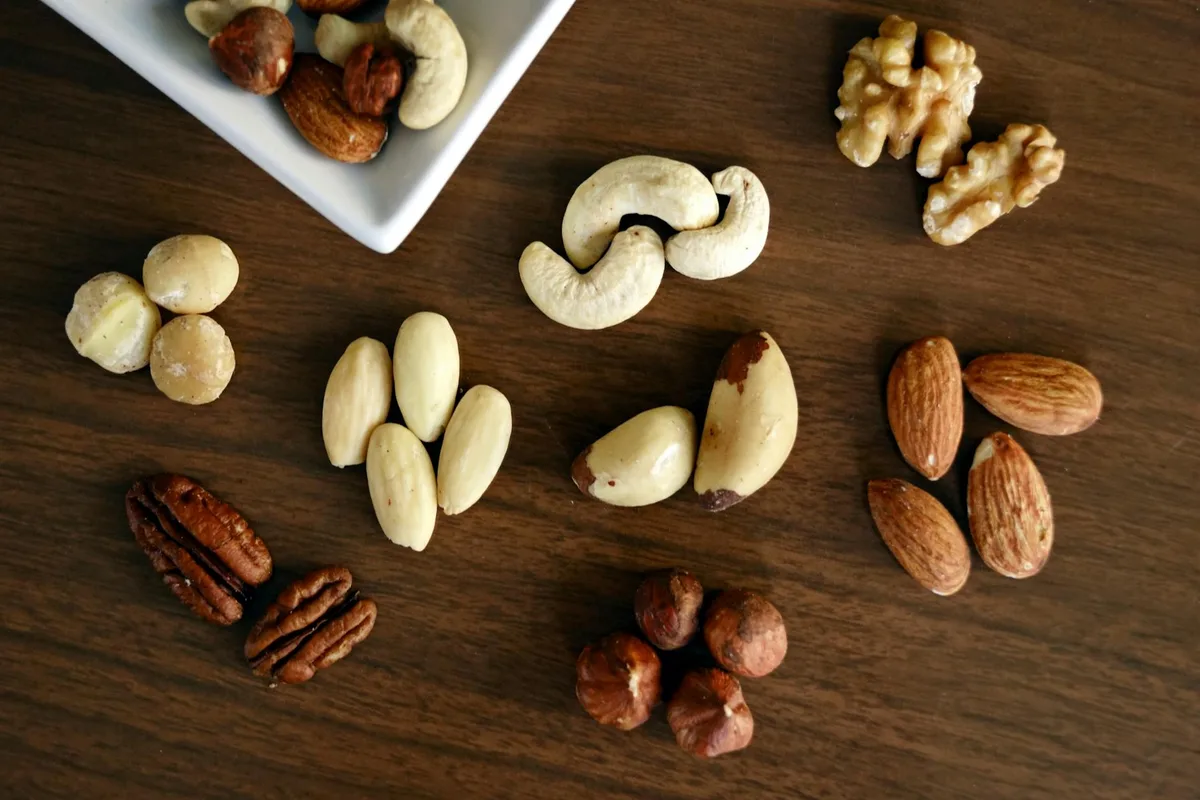
Not all nuts are created equal when it comes to net carbs. Cashews, for example, pack nearly 8g of net carbs per ounce, over three times more than almonds. Walnuts come in at about 2g net carbs but offer more omega-3s. Macadamias are even lower at 1.5g but cost significantly more.
For strict low-carb or keto plans, almonds strike the best balance of affordability, availability, and carb control.
Who Should (and Shouldn’t) Eat Almonds on a Low-Carb Plan
Almonds work well for most people on ketogenic, Atkins, or moderate low-carb diets. They’re especially useful if you need a portable, non-perishable snack that won’t spike blood sugar. However, if you have a tree nut allergy, kidney stones (due to oxalates), or severe digestive sensitivities to fiber, almonds may do more harm than good. Pregnant women and those on blood-thinning medications should also consult a doctor, almonds are high in vitamin E, which can interact with anticoagulants.
Common Mistakes That Blow Your Carb Budget
The biggest error? Eyeballing portions. A “small handful” often exceeds one ounce, pushing you toward 5, 7g net carbs without realizing it. Another trap is flavored almonds, cinnamon sugar, honey roasted, or BBQ varieties can add 3, 6g of sugar per serving.
Always check the label: if sugar, maltodextrin, or brown rice syrup is listed, skip it. Finally, don’t assume all almond products are equal; almond flour and almond butter have different carb densities and serving sizes.
Serving Sizes, Labels, and Hidden Sugars: What to Watch For
Stick to plain, unsalted almonds whenever possible. Read the nutrition facts panel carefully: look for “total carbohydrates,” “dietary fiber,” and “sugars.” If sugars exceed 1, 2g per serving, it’s likely sweetened. Watch for misleading terms like “naturally flavored” or “lightly sweetened”, they still count as added sugar. For reference, a single packet of honey-roasted almonds can contain 4g of sugar, turning a low-carb snack into a moderate-carb one.
When in doubt, choose raw.
When Almonds Might Work Against Your Goals
Even with their low net carb count, almonds can sabotage progress if you’re not careful. Their high fat content makes them calorie-dense, eating just two extra ounces adds over 300 calories, which can stall weight loss even on a low-carb plan. People prone to binge snacking often find almonds trigger overeating because they’re crunchy, salty, and satisfying in small bursts. If you’re tracking calories alongside carbs, measure portions strictly and consider pre-portioning into single-serving bags.
Final Verdict: Are Almonds a Smart Low-Carb Choice?
Yes, but with conditions. For most people on ketogenic, Atkins, or moderate low-carb diets, plain almonds are a reliable, nutrient-rich snack that won’t spike blood sugar or derail ketosis when eaten in controlled amounts. They offer fiber, healthy fats, and key micronutrients missing from processed alternatives. Just stick to one ounce per serving, avoid flavored varieties, and weigh them if precision matters.
If you tolerate them well and stay within your daily carb budget, almonds belong in your rotation.
If you have nut allergies, kidney stone history, or find yourself mindlessly overeating them, opt for lower-oxalate, lower-calorie alternatives like pumpkin seeds or cucumber slices. The goal isn’t perfection, it’s consistency within your personal limits.
