


When you're thinking about baking ribs, one of those little questions that pops up is whether or not you should put water in the pan. It might sound straightforward, but the answer really changes how your ribs end up. Getting this detail right can be the difference between ribs that are just okay and ribs that absolutely wow everyone at the table.
Our research into various rib-cooking methodologies shows there isn't a single "right" way. Instead, it's about understanding what effect adding liquid has versus keeping the pan dry. This choice directly influences the final texture and the development of that coveted rib "bark." Understanding these differences is key to achieving your desired outcome.
So, Water in the Pan for Baking Ribs? Let's Break It Down.
The question of whether water belongs in the pan when baking ribs isn't a simple yes or no. It’s more about understanding the why behind each approach. Adding water is about creating a moist, steamy environment in your oven, which has a direct impact on the connective tissues within the ribs. Conversely, keeping the pan dry encourages different reactions on the surface of the meat.
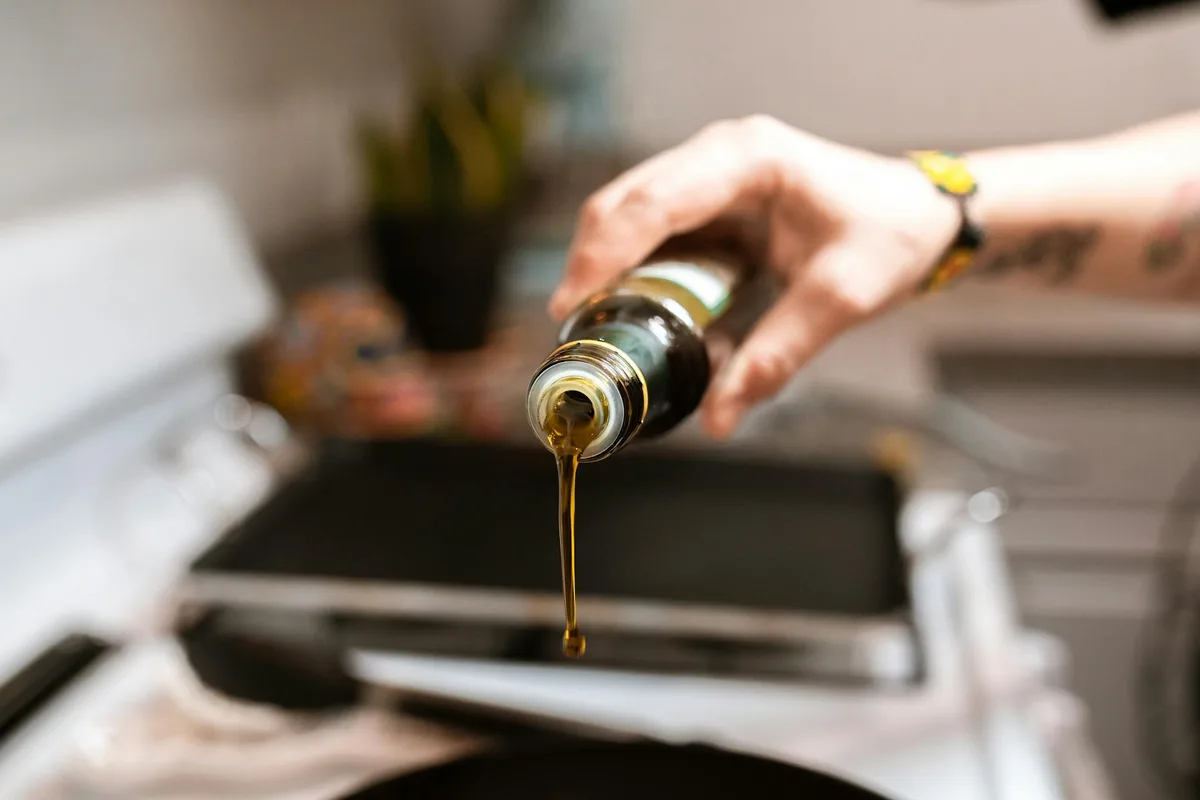
In our research, we found that oven cooking without any added liquid often aims for a more intense heat interaction with the rib surface. Per manufacturer specifications for most standard electric ovens, maintaining a consistent temperature between 250°F and 300°F (121°C, 150°C) is crucial for the rendering of fat and the development of surface characteristics when no steam is introduced. Understanding these variables helps you make an informed decision about your rib preparation.
Adding Water to the Pan: What It Does to Your Ribs
When you add water, or even broth or juice, to the bottom of the baking pan, you're essentially creating a steamy environment inside your oven. The heat from the oven turns this liquid into steam, which then surrounds the ribs as they cook. This steam acts as a tenderizer.
It works by helping to break down the tough collagen and connective tissues that run through the rib meat. Think of it like a gentle, moist heat treatment. This process is particularly effective for cuts of ribs that might otherwise be on the leaner side or tougher. The steam keeps the meat from drying out during the extended cooking times often needed for ribs to become truly tender.
Pros and Cons of Adding Water When Baking Ribs
Adding liquid to your pan during the baking process offers some clear benefits, but it also comes with a trade-off that's important to consider before you start. It’s all about what kind of end result you're hoping to achieve with your ribs.
Boosting Tenderness and Moisture
The primary advantage of adding water to the pan is its ability to significantly boost tenderness and moisture. The steam generated helps to tenderize the tough connective tissues in the ribs, making them easier to chew and more succulent. This is especially helpful for ribs that might be a bit on the leaner side or for bakers who are concerned about overcooking and drying out the meat.
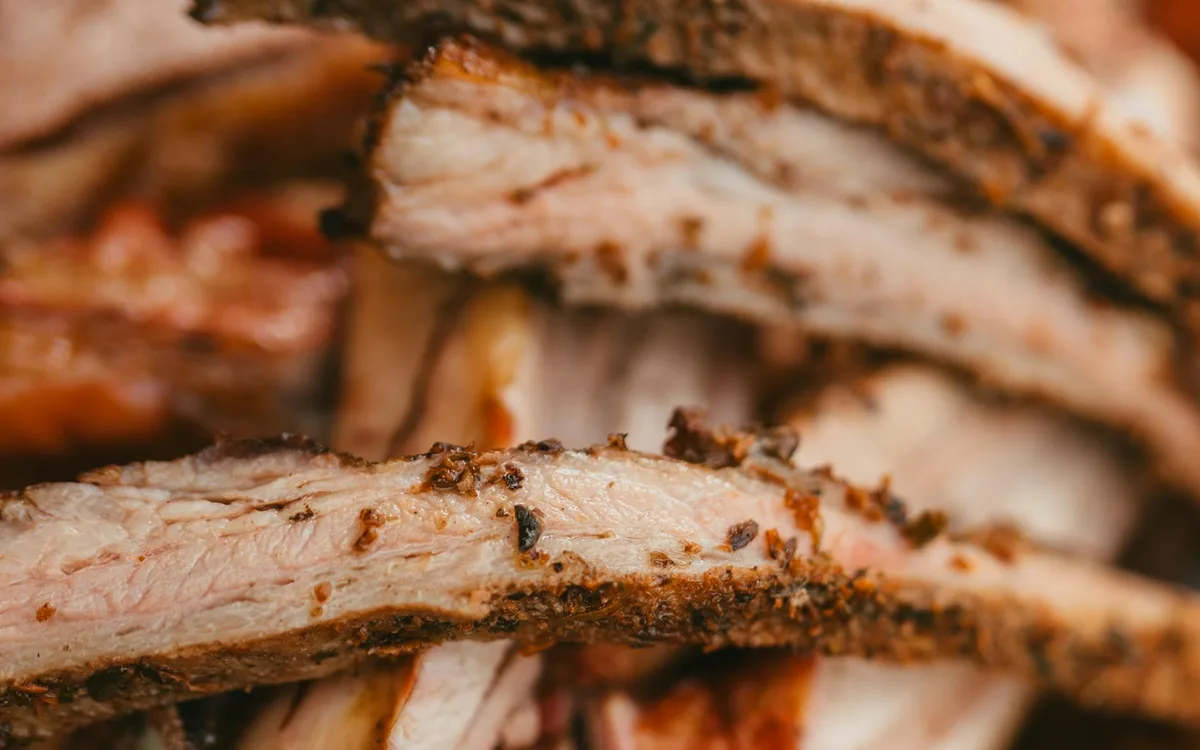
This method acts as a "moisture insurance policy" throughout the cooking process. As of 2026, many home cooks find that this approach drastically reduces the chances of ending up with tough, dry ribs, especially if they are new to cooking ribs or if their oven tends to run hot. Plus, the liquid in the pan collects all those delicious rendered fats and juices, providing an excellent base for a flavorful pan sauce.
The Trade-off: Sacrificing Bark
The flip side of creating all that wonderful steam is its impact on the rib's exterior. The moisture in the air around the ribs inhibits the Maillard reaction and caramelization that are responsible for developing a desirable, crispy, and chewy "bark" on the outside of the ribs. Bark is that deeply flavored, slightly charred, and textured crust that many barbecue enthusiasts crave.
When there's excess steam, it can essentially "steam wash" the surface of the ribs, preventing them from getting that dark, crusted finish. If your main goal is a robust, well-defined bark, relying solely on a steamy environment might mean you won't achieve the texture you're looking for. You're trading some bark development for guaranteed tenderness and juiciness.
Skipping Water in the Pan: The Alternative Approach
Opting to bake ribs without adding any liquid to the pan is a completely different strategy, and it's often chosen by cooks who prioritize a specific textural element: that delicious, deeply flavored bark. This method creates a drier heat environment within the oven.
When you don't add water, the heat of the oven has a more direct effect on the surface of the ribs. It encourages the fats to render and caramelize, and the sugars in any rubs or glazes to brown and crisp up. This lack of ambient moisture is what allows for the development of that sought-after, slightly chewy, and intensely flavorful bark. It’s a technique that demands careful temperature control and cooking time management to ensure the ribs still become tender.
For That Perfect Crispy Bark
If a firm, chewy, and caramelized exterior is what you’re after, skipping the water is generally the way to go. This method allows the heat in the oven to work directly on the surface of the ribs without the interference of steam. The dry heat bakes and browns the exterior, creating the perfect conditions for that classic barbecue bark to form.
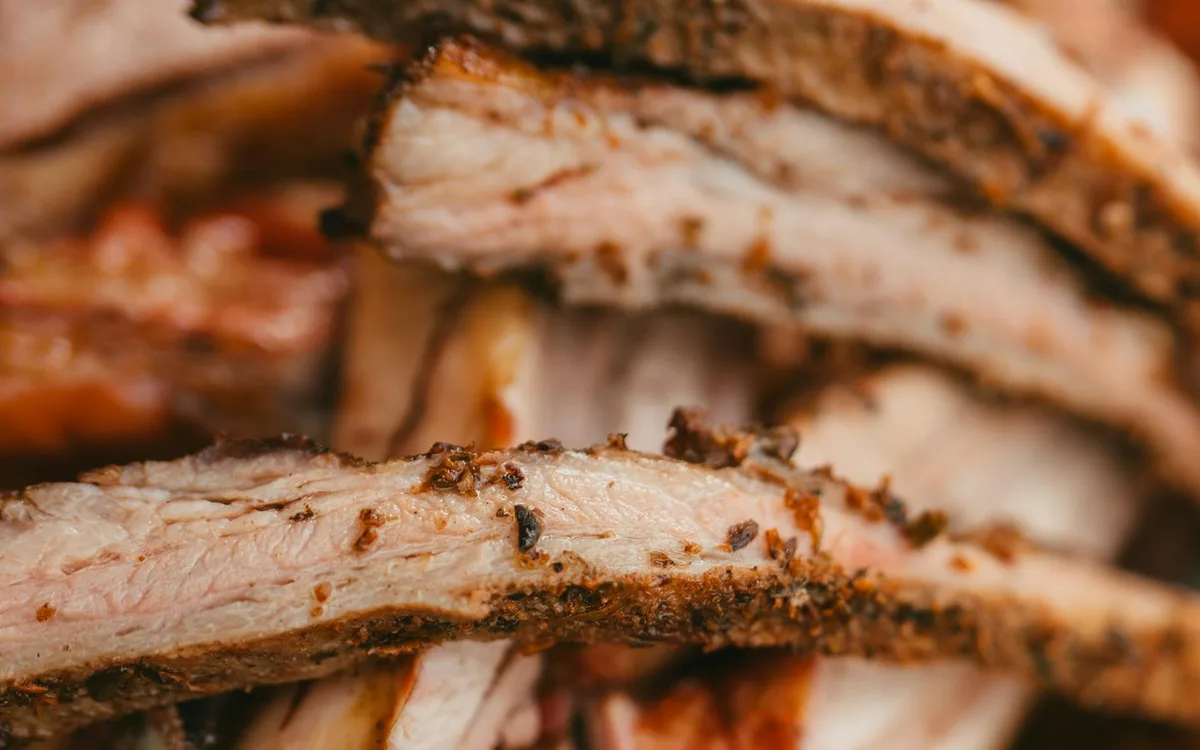
The rendered fats and juices will still collect in the pan, but they'll do so in a more concentrated form, which can also contribute to a richer flavor profile on the surface of the ribs. Manufacturers of high-end convection ovens often highlight how their dry-heat capabilities are ideal for achieving superior bark without the need for added moisture. This approach is favored by those who appreciate the textural contrast between a tender interior and a robust, flavorful crust.
Understanding the Risk of Dryness
The main drawback to baking ribs without any added moisture in the pan is the increased risk of them drying out. In a dry oven environment, the meat can lose moisture more quickly, especially during longer cooking periods. If your ribs are particularly lean, or if your oven's temperature fluctuates significantly, you might find they become tough and less juicy than you'd hoped.
This method requires more vigilance. You need to pay close attention to cooking times and temperatures to ensure the ribs are cooked through and tender without becoming desiccated. Some cooks mitigate this risk by using a slightly lower oven temperature and a longer cooking time, or by basting the ribs periodically with their preferred sauce or even their own rendered fat. It’s a balance between achieving that desirable bark and ensuring the meat stays moist.
When to Add Water vs. When to Skip It
Deciding whether to add water to your pan when baking ribs boils down to what kind of ribs you want to serve. Are you aiming for melt-in-your-mouth tenderness, or are you chasing that irresistible crispy, chewy bark? Both are delicious, but they require different approaches to moisture management in the oven.
Choosing Your Ribs' Fate: Tender vs. Crispy
If your priority is extreme tenderness and ensuring the ribs are juicy to the core, adding water or another liquid to the pan is your best bet. This creates that essential steamy environment that helps break down tough connective tissues. It's a forgiving method that helps prevent dry, tough ribs, making it ideal for beginners or for those who just love that fall-off-the-bone texture.
On the other hand, if you're a fan of the classic barbecue experience with a deep, flavorful, and slightly crispy bark, you'll likely want to skip the water. This allows the dry heat of the oven to work its magic, caramelizing the surface and creating that sought-after crust. It’s a technique that appeals to those who appreciate textural contrast and a more intense surface flavor.
Considering the Cut and Your Oven
The specific cut of ribs you're using can also influence your decision. Fattier cuts, like pork spare ribs or baby back ribs with a good amount of marbling, can often render enough of their own fat and moisture to stay tender even in a drier oven environment. Leaner cuts, however, benefit significantly from the added moisture that water in the pan provides.
Your oven itself plays a role too. If you know your oven runs particularly hot or dry, adding water can be a wise precaution to keep your ribs from drying out. Conversely, if you have a convection oven that circulates heat efficiently and dries out surfaces effectively, you might find the dry-heat method works exceptionally well for bark development without needing extra liquid.
Expert Tips for Baking Ribs with or Without Water
Regardless of whether you choose to add water or keep the pan dry, a few seasoned techniques can elevate your baked ribs from good to unforgettable. These aren't complicated steps, but they’re the kind of things that make a real difference in the final outcome.
The Foil Wrap Trick: Best of Both Worlds
Many experienced cooks achieve tender, flavorful ribs with excellent bark by using a two-stage cooking process involving foil. Start by cooking the ribs uncovered in the pan, perhaps with a bit of liquid, for the initial part of the bake. This allows some browning and rendering to occur. Then, tightly wrap the ribs in aluminum foil.
This creates a steamy, self-basting environment that significantly tenderizes the meat and locks in moisture. After an hour or so in the foil, unwrap the ribs and return them to a hotter oven for the final 15-30 minutes. This second stage allows the surface to dry out just enough to crisp up and develop that desirable bark. It's a fantastic way to get tenderness without sacrificing the texture of the crust.
Flavorful Pan Sauces
One of the unsung heroes of adding liquid to the pan is the opportunity to create an incredibly delicious pan sauce. As the ribs bake, they release juices, fat, and seasonings that mingle with the water (or broth) in the bottom of the pan. This creates a concentrated, flavorful fond that is pure gold.
Once your ribs are cooked and resting, you can carefully decant this liquid from the pan into a saucepan. You can then reduce it further on the stovetop, perhaps adding a splash of vinegar, a pinch of brown sugar, or some of your favorite BBQ sauce, to create a rich sauce. This sauce can then be brushed back onto the ribs or served alongside for dipping. It's a simple way to maximize flavor and minimize waste.
Expert Tips for Baking Ribs with or Without Water
Regardless of whether you choose to add water or keep the pan dry, a few seasoned techniques can elevate your baked ribs from good to unforgettable. These aren't complicated steps, but they’re the kind of things that make a real difference in the final outcome.
The Foil Wrap Trick: Best of Both Worlds
Many experienced cooks achieve tender, flavorful ribs with excellent bark by using a two-stage cooking process involving foil. Start by cooking the ribs uncovered in the pan, perhaps with a bit of liquid, for the initial part of the bake. This allows some browning and rendering to occur. Then, tightly wrap the ribs in aluminum foil.
This creates a steamy, self-basting environment that significantly tenderizes the meat and locks in moisture. After an hour or so in the foil, unwrap the ribs and return them to a hotter oven for the final 15-30 minutes. This second stage allows the surface to dry out just enough to crisp up and develop that desirable bark. It's a fantastic way to get tenderness without sacrificing the texture of the crust.
Flavorful Pan Sauces
One of the unsung heroes of adding liquid to the pan is the opportunity to create an incredibly delicious pan sauce. As the ribs bake, they release juices, fat, and seasonings that mingle with the water (or broth) in the bottom of the pan. This creates a concentrated, flavorful fond that is pure gold.
Once your ribs are cooked and resting, you can carefully decant this liquid from the pan into a saucepan. You can then reduce it further on the stovetop, perhaps adding a splash of vinegar, a pinch of brown sugar, or some of your favorite BBQ sauce, to create a rich sauce. This sauce can then be brushed back onto the ribs or served alongside for dipping. It's a simple way to maximize flavor and minimize waste.
Making the Decision: Your Best Ribs
Ultimately, the decision of whether to add water to your pan when baking ribs comes down to your personal preference and the kind of texture you’re aiming for. Both methods can produce delicious results, but they cater to different desires in a rack of ribs.
If your goal is overwhelmingly tenderness and a juicy, almost fall-apart texture, then including water or another liquid in the pan is the more reliable route. This is particularly true if you’re working with leaner ribs or if you’re concerned about the meat drying out during cooking. It's a method that offers more forgiveness and a higher chance of yielding succulent ribs.
Your Guide to Perfect Pan Preparation
Let's quickly recap how to approach your rib pan preparation based on what you want. For maximum tenderness and moisture insurance, add about 1/2 to 1 cup of liquid (water, broth, or apple cider vinegar) to the bottom of your pan before baking. Ensure the liquid doesn't completely submerge the ribs, just creates a steamy environment.
If achieving a robust, chewy bark is your top priority, bake the ribs in a dry pan. You might want to ensure your oven temperature is well-controlled, and be prepared to baste the ribs with their own rendered fat or a favorite sauce during the cooking process. Remember, the dry-heat method encourages browning and crisping, but requires closer monitoring to prevent drying.
