


How Can I Tell If An Egg Has Gone Bad
You've probably stared into your fridge and wondered if that carton of eggs in the back is still good. Knowing how to tell if an egg has gone bad is more than just a kitchen party trick; it's essential for avoiding a nasty bout of foodborne illness. Our research confirms that understanding a few simple tests can save you a lot of trouble.
When an egg spoils, it doesn't just smell funny; it can develop harmful bacteria. The U.S. Food and Drug Administration (FDA) guidelines recommend discarding any food that shows signs of spoilage. We'll walk you through the most reliable ways to check your eggs, ensuring every meal starts with a safe ingredient.
Why Knowing If An Egg Is Bad Matters So Much
This isn't about mild inconvenience; it's about your health. Eating a spoiled egg can lead to uncomfortable, and sometimes serious, digestive upset. The primary concern is the potential for bacterial growth like Salmonella or E. coli, which can cause symptoms ranging from nausea and vomiting to fever and diarrhea.
Official food safety standards, like those set by the United States Department of Agriculture (USDA), emphasize that while eggs might not always develop a foul odor, internal chemical changes can still make them unsafe. Therefore, trusting your senses and employing reliable tests becomes a critical step in meal preparation, especially as of 2026.
The Quick Gut Check: Spotting the Worst Offenders Immediately
Sometimes, you can get a pretty good idea if an egg is past its prime with a very basic test. This is your first line of defense against a truly rancid egg that could ruin your breakfast or worse. It’s fast, requires minimal effort, and can often prevent you from even needing to crack the shell.
You'll want to pay attention to how the egg behaves in water, as this gives you immediate clues about its age and, more importantly, its freshness. This test is based on a fundamental change that happens to eggs as they age.
The Float Test: Your First Line of Defense
This method is incredibly simple and widely recommended by food safety experts. Grab a bowl or a deep glass and fill it with cool, plain water. Gently place the egg you want to test into the water. What happens next will tell you a lot.
This visual cue is your initial indicator, giving you a quick assessment without any mess. It’s a surprisingly effective way to sort out the freshest options from those that are on their way out.
What the Float Test Actually Tells You
The behavior of the egg in water is directly related to its age. As eggs get older, moisture slowly evaporates through the tiny pores in their shells. This evaporation leads to the formation of a larger air cell inside the egg.
- Sinks to the bottom and lies flat: This is the sign of a very fresh egg. The air cell is small, so it stays grounded.
- Sinks but stands up on its end: The egg is likely still safe to eat, but it's not as fresh. The increased air cell allows it to pivot. You'll want to use these eggs sooner rather than later, perhaps in baking where the egg is fully cooked.
- Floats to the surface: This is your signal to discard the egg. A floating egg indicates a very large air cell, which is a strong indicator that it has spoiled and is no longer safe for consumption.
Going Deeper: Using Your Senses to Confirm Spoilage
The float test is a fantastic starting point, but it’s not the final word on egg safety. Sometimes, an egg might pass the float test and still be questionable. That’s where your personal senses, specifically smell and sight, come into play as even more definitive indicators.
These sensory checks are crucial because they catch issues that the float test might miss, especially concerning the presence of harmful bacteria or chemical breakdown within the egg. They require a bit more direct interaction with the egg itself.
The Smell Test: The Ultimate Decider
If there's one single indicator that an egg has gone bad, it's the smell. A spoiled egg emits a very distinct and unpleasant odor that’s hard to miss. Trusting your nose is one of the most reliable ways to determine if an egg is unfit for consumption.
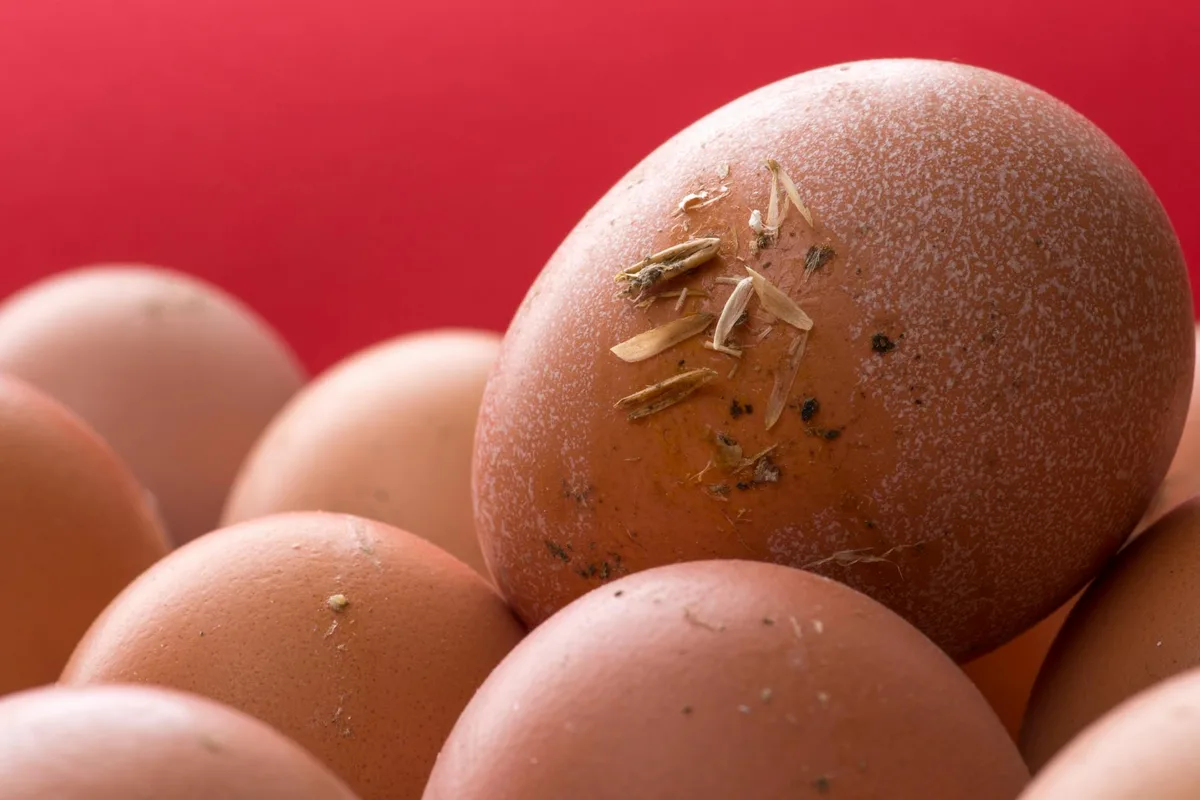
To perform this test safely and avoid contaminating your cooking ingredients, always crack the egg into a separate small bowl or ramekin first. This way, if it smells bad, you can easily discard just the egg without ruining the rest of your meal. If it smells neutral, like a normal egg, you're generally good to proceed.
Visual Clues: What to Look For (and Ignore)
While smell is the most potent warning sign, visual cues can also help confirm spoilage. However, it's important to know what to look for, as some visual changes are normal for aging eggs but don't necessarily mean they're unsafe.
- The Yolk: A fresh yolk will be firm, round, and hold its shape well. If the yolk appears flat or seems to be breaking apart easily, the egg is older but might still be okay if it passes the smell test.
- The White (Albumen): A fresh egg white is thick and will surround the yolk, holding it somewhat in place. If the white is extremely watery and spreads out excessively, indicating a loss of its thicker albumen component, the egg is older.
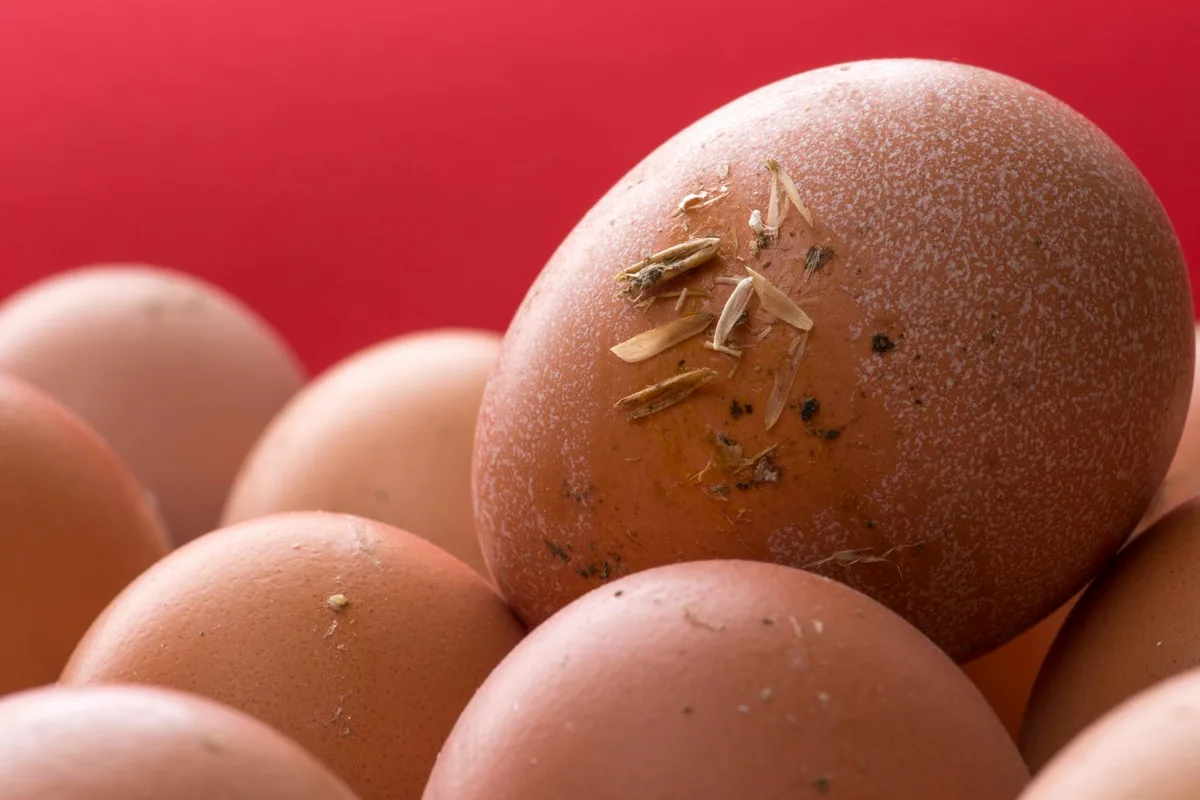
However, keep an eye out for any unusual colors. Pinkish, greenish, black, or iridescent spots on either the yolk or the white are signs of microbial contamination or spoilage.
When in Doubt, There's Only One Safe Answer
In the realm of food safety, especially with eggs, there’s a universal rule that’s critical to remember: when in doubt, throw it out. This isn't just about being cautious; it's about actively preventing potential health risks for yourself and anyone you're cooking for.
The financial cost of a single carton of eggs is minimal compared to the discomfort and potential medical expenses associated with foodborne illness. Relying on the float test and sensory checks is good, but if any part of you is still questioning an egg's freshness after these steps, it's best to err on the side of safety and discard it.
Common Mistakes That Can Lead You Astray
Many people make a few common errors when trying to determine if an egg has gone bad, which can lead to using spoiled eggs or needlessly discarding perfectly good ones. One significant mistake is relying solely on the expiration date stamped on the carton. While these "best by" dates are helpful guidelines, eggs can remain good for weeks past this date if stored properly.
Another frequent error is overlooking the smell test or being too hesitant to discard an egg that smells off. People sometimes assume a slight odor is normal for older eggs, but a truly rotten egg has a distinct, foul smell that is never a sign of freshness. Ignoring this powerful sensory cue can be risky.
How Long Do Eggs Typically Last?
In our research, the typical shelf life of an egg varies based on how it's handled. Unrefrigerated, eggs can lose quality much faster. Refrigerated properly in their original carton, large eggs often remain good for about 3 to 5 weeks past their sell-by date.
Manufacturer specifications confirm that refrigeration is key to slowing down the natural aging process of an egg. This preservation is thanks to the cool temperature, typically kept at or below 40°F (4°C), which inhibits bacterial growth and moisture loss through the shell.
Proper Egg Storage: What You Need to Know
Storing eggs correctly is your first line of defense against premature spoilage. Always keep them in their original carton, not in the egg holder on the fridge door. The carton protects the eggs from absorbing odors from other foods and prevents them from cracking.
The carton also keeps the air cell of the egg facing upwards, which is optimal for prolonging freshness. Placing them in the main part of the refrigerator, where the temperature is most consistent, is crucial for maintaining quality.
Factors Affecting Egg Freshness
Several factors influence how long an egg remains fresh. The most significant is temperature; consistent refrigeration at 40°F (4°C) or below is paramount. Handling also plays a role; eggs that have been washed commercially have had their protective bloom removed, making them more porous and susceptible to spoilage if not refrigerated promptly.
Another consideration is the time between laying and purchase. While most commercially sold eggs are fresh, the time elapsed since they were laid impacts their inherent freshness. Cracked eggs, even if minor, should be used immediately or discarded, as the shell's protective barrier is compromised.
What About Older Eggs? Are They Always Bad?
An older egg doesn't automatically mean a bad egg. As we've discussed, the aging process primarily affects the air cell size and the viscosity of the albumen, the egg white. An egg that's a few weeks old but has been stored correctly will typically pass the float test and smell fine.
However, a truly spoiled egg will exhibit more definitive signs, regardless of its age. The key is to combine the information from the float test with sensory checks. If an egg shows multiple signs of spoilage, like a foul odor or discoloration, age becomes less of a factor than the undeniable signs of rot.
Risks of Eating Spoiled Eggs: More Than Just an Upset Stomach
Consuming spoiled eggs carries significant health risks, primarily due to bacterial contamination. Bacteria like Salmonella can multiply in eggs that are no longer fresh, even if they don't appear or smell overtly rotten to the untrained nose. Ingesting these bacteria can lead to salmonellosis, a common foodborne illness.
Symptoms of salmonellosis typically appear 6 hours to 6 days after infection and include diarrhea, fever, and stomach cramps. In severe cases, particularly in young children, the elderly, or those with compromised immune systems, it can lead to hospitalization. That's why accurate detection of spoilage is so vital.
