


So, you've got a potato and you want to bake it. Easy enough, right? But then you hit that small but crucial point: do you poke holes in the foil when baking potatoes? It sounds like a tiny detail, but it's the difference between a potato you politely eat and one you rave about.
Our research shows that this simple step directly impacts the final texture of your potato's skin, steering it towards either a delightful crisp or a soft tenderness. As of 2026, manufacturers of baking equipment and culinary instructors still emphasize understanding this effect for optimal results. Let's get into what’s really happening.
What's Your Potato Skin Craving?
Think about the last amazing baked potato you had. Was the skin the star? It likely was. The outer layer of a baked potato is far more than just a wrapper; it's a critical component of the overall eating experience, providing texture and flavor that complements the fluffy interior.
Understanding your preference for potato skin texture is the first step to mastering the bake. It's not about right or wrong, but about aligning the cooking technique with your desired outcome.
Crispy Skin vs. Soft Skin: The Core Difference
When we talk about the skin, we're primarily concerned with moisture content and heat application. A potato's skin can become pleasantly crisp and slightly chewy, or it can remain soft and yielding.
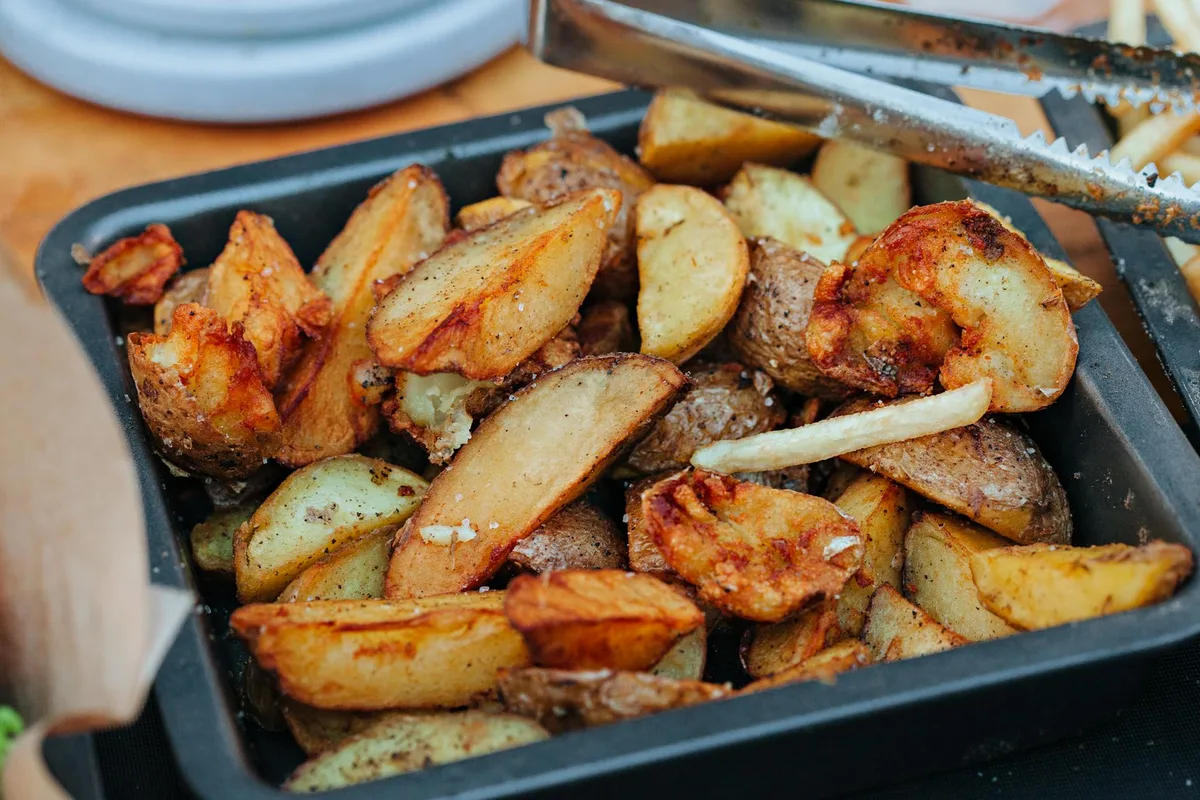
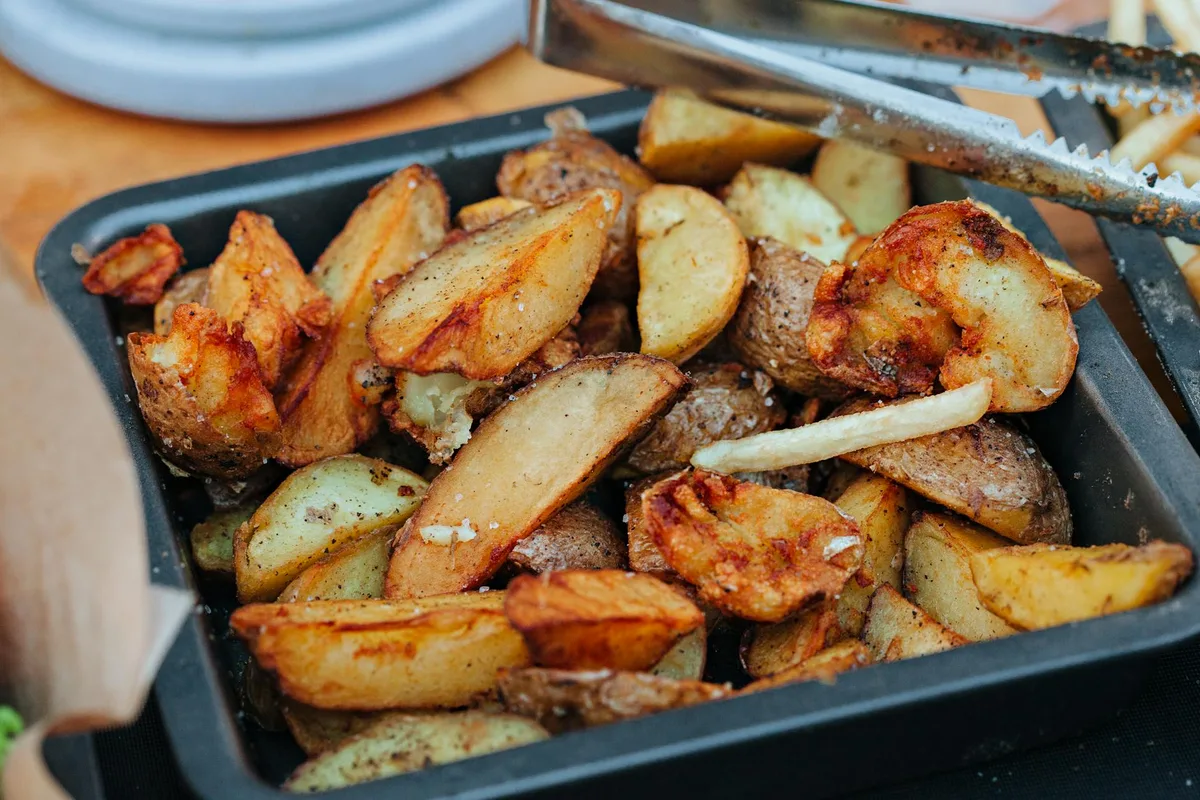
- Crispy Skin: This texture is achieved when moisture is allowed to escape freely from the potato's skin. The direct heat then works to dry out and toast the skin, creating that desirable crunch.
- Soft Skin: This result comes from trapping the steam released by the potato. The high heat, combined with the trapped moisture, essentially steams the skin, making it soft and tender.
The Foil Method: Poking Holes or Not?
The decision to poke holes in your foil-wrapped potato boils down to controlling steam. It’s a straightforward application of heat and moisture management, a common principle in many cooking methods.
Why NO Holes Means CRISPY Skin
If you're aiming for that satisfyingly crisp skin, keep that foil sealed tight and unpunctured. When you wrap a potato completely in foil without any holes, you create a little personal sauna for the potato. As the potato heats up, it releases moisture. This moisture gets trapped inside the foil, essentially steaming the potato and its skin.
The heat from the oven transfers through the foil, but the steam prevents the skin from ever getting dry enough to crisp up. Instead, it becomes soft, pliable, and often a bit gummy. If you've ever unwrapped a foil-baked potato and found the skin to be too soft to really enjoy, this is likely why.
Why HOLES Mean SOFT, Tender Skin
Now, let's flip it. If a soft, tender skin is your goal, then poking holes in the foil is your move. Alternatively, skipping the foil altogether often yields the best results for this texture. When you poke several holes in the foil, you're giving that trapped steam an escape route.
This allows the moisture to vent out during the baking process. As the steam escapes, the skin has a chance to dry out a bit. The hot air circulating around the potato can then work on softening the skin, rather than steaming it. You won't get that brittle crispness, but you will avoid the overly moist, sometimes unpleasant texture of a fully sealed foil wrap.
It offers a pleasant, yielding bite that’s easy to eat.
The "No Foil" Alternative for Great Skin
Honestly, for many home cooks, the easiest path to a great baked potato, one with both a fluffy interior and a nicely textured skin, is to skip the foil entirely. This method allows for maximum moisture escape and direct heat interaction with the skin.
Here’s how it generally plays out:
- Preparation: Always start with a clean potato. Scrub it well under running water to remove any dirt. Pat it thoroughly dry with a clean kitchen towel.
- Application: Rub the entire surface of the potato with a tablespoon or two of oil. Olive oil, vegetable oil, or even melted butter work well. Follow this with a generous sprinkle of coarse salt. The oil helps render the skin tender and slightly crisp, while the salt adds flavor and draws out surface moisture.
- Baking: Place the prepared potato directly onto the oven rack. Many people add a baking sheet on the rack below to catch any drips, which can prevent oven messes.
- Time: Bake at a moderate to high temperature, typically around 400°F (200°C). The time will vary based on potato size, but expect 45 to 60 minutes, or until a fork or knife slides easily into the center.
This approach inherently promotes a drier skin that becomes tender and slightly chewy, without the need to manage foil perforations.
Baking Potatoes: A Quick Workflow
Getting a good baked potato is all about controlling the environment inside the oven. The fundamental principle is how heat and moisture interact with the potato's skin and flesh.
Step 1: Prep Your Potatoes Right
Begin by selecting good baking potatoes, like Russets or Marlowes, which have the right starch content for fluffy insides. Scrub them thoroughly under cold running water to remove any soil or debris. Manufacturer guidelines for baking potatoes often recommend using a firm brush. After washing, dry them completely with a clean cloth or paper towels.
Excess surface moisture can lead to a steaming effect even if you plan to bake without foil or poke holes.
Step 2: Wrapping Strategy: Foil or No Foil?
This is where the core decision lies, directly impacting your outcome.
- For Crispy Skin: Do NOT poke holes in the foil. Wrap the potato tightly in aluminum foil. This traps steam, leading to a soft skin. If ultimate crispiness is the goal, consider baking without foil, as described earlier.
- For Soft Skin: Poke several holes (3-5) in the foil wrap with a fork or skewer. This allows steam to escape, promoting a drier, more tender skin.
- For Best All-Around: Bake directly on the oven rack, perhaps with a baking sheet below, after oiling and salting. This method usually achieves a pleasant balance of tender interior and acceptably textured skin.
Step 3: Into the Oven: Temp & Time
Preheat your oven to the correct temperature. A common recommendation from culinary sources is 400°F (200°C) for a good balance of cooking speed and interior fluffiness. For larger potatoes, you might lower the temperature slightly to 375°F (190°C) and increase the baking time to ensure they cook through without burning the outside. The exact time depends heavily on the size of the potato.
Step 4: Checking for Doneness
Don't guess when your potato is ready. The most reliable method is to insert a fork, skewer, or sharp knife into the thickest part of the potato. It should slide in with little resistance. If it feels tough or you have to force it, the potato needs more time.
Gently squeeze the potato (using oven mitts, of course); it should feel soft and yield slightly.
Common Potato Baking Mistakes to Sidestep
Even with the right foil strategy, a few common slip-ups can derail your baked potato ambitions. One frequent issue is overcrowding the oven. Packing too many potatoes too close together restricts air circulation, leading to uneven cooking and less crispy skin, even if you're going for that texture.
Another pitfall is not drying the potato enough after washing. As we've touched on, excess water can steam the skin rather than allowing it to crisp. Additionally, piercing the foil too many times when aiming for crispiness defeats the purpose; research suggests 2-3 small holes are sufficient for a tender result, not a dozen. Finally, consistently under or overcooking the potato can leave you with a disappointing texture.
Your Baked Potato Decision Guide
Deciding whether to poke holes in foil for baking potatoes really comes down to one thing: what kind of skin you want. If a super crisp, almost chip-like exterior is your dream, then absolutely no holes in the foil is the way to go.
However, if you prefer a softer, more yielding skin that's easy to eat, poking a few holes in the foil is your best bet. For many, the ultimate shortcut to a great potato, with a tender interior and a pleasant skin texture, is to bypass the foil entirely and bake the oiled, salted potato directly on the oven rack. This method naturally balances moisture and heat for a consistently good result.
Pro Tips for Potato Perfection
Beyond the foil debate, a few simple techniques can elevate your baked potatoes. Always preheat your oven fully; consistency in temperature is key to predictable cooking times. For an even fluffier interior, some culinary experts recommend pricking the potato a couple of times with a fork before it even goes into the oven, regardless of whether you use foil.
Consider adding a pinch of baking soda to your oil when prepping for a no-foil bake; this can help achieve a crispier skin by raising the pH of the surface, aiding browning. For truly exceptional fluffiness, some swear by par-baking the potato for about 30-40 minutes, then letting it cool completely before baking again at a higher temperature towards the end. This double-bake method often results in an incredibly light and airy interior.
