


So, you're staring at a beautiful cut of corned beef and wondering, "Do you cover corned beef when cooking on stove top?" It’s a classic kitchen question, and the answer often hinges on the exact texture and flavor you’re aiming for. Getting it just right makes all the difference between a good meal and a truly memorable one.
The goal for most home cooks is that incredibly tender, fork-apart texture so many of us associate with perfectly cooked corned beef. That's where the lid comes in. Manufacturer specifications for heavy-bottomed pots, often used for braising, typically recommend a tight-fitting lid to maintain consistent internal temperatures and moisture. We'll break down exactly why this simple step is so crucial.
Quick Answer: Why Cover Corned Beef on Stove Top?
Yes, you should almost always cover corned beef when cooking it on the stovetop, especially if your aim is maximum tenderness and juiciness. Covering the pot traps steam and moisture inside, creating a humid cooking environment. Science indicates this is the most effective method for breaking down the tough connective tissues in corned beef, transforming it into a tender, melt-in-your-mouth dish. This process is scientifically known as braising, and it relies heavily on a sealed environment to work its magic.
The Science of Steamy Stovetop Corned Beef
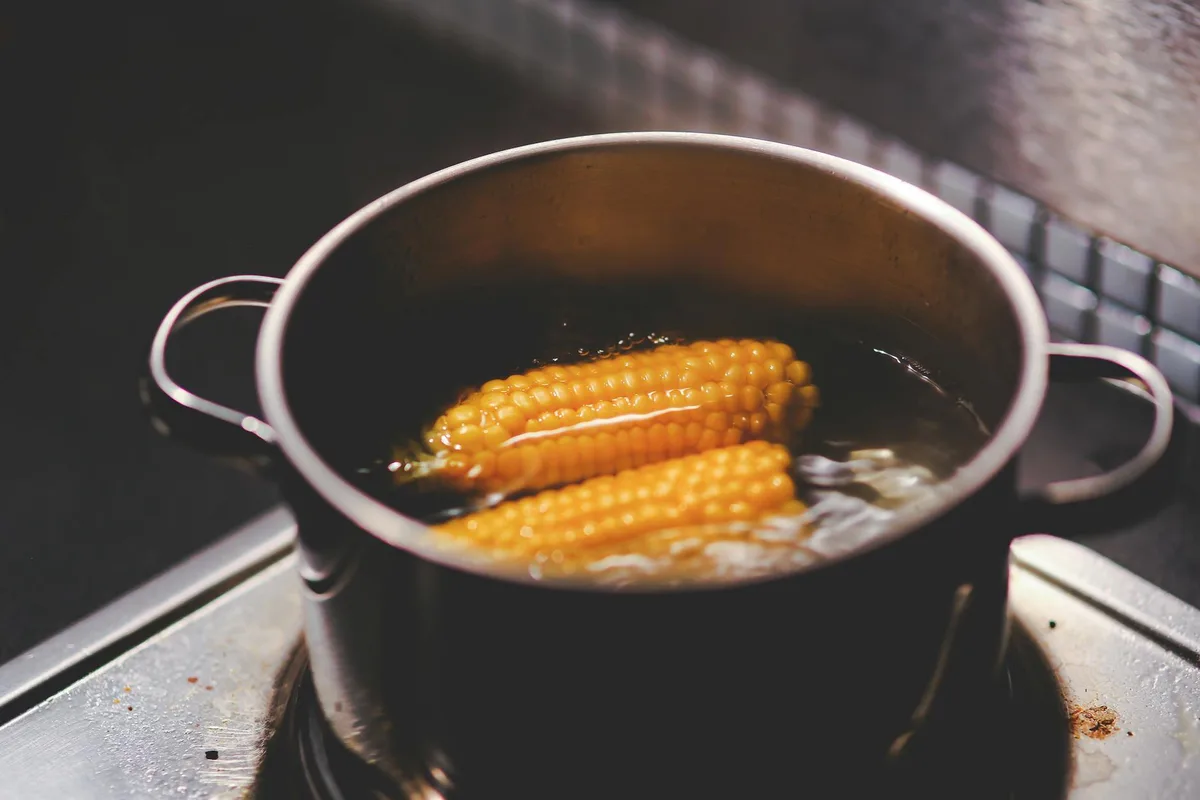
When you cook corned beef on the stovetop, you're essentially braising it. This cooking method relies on two main components: a flavorful liquid and a moist heat environment. Covering the pot is the key to achieving that moist heat. As the liquid heats up, it creates steam.
A tight-fitting lid traps this steam, surrounding the corned beef with a hot, humid atmosphere.
This consistent exposure to high-moisture heat is critical for tenderizing the meat. Corned beef is a cut that benefits greatly from slow, gentle cooking. This is because it contains a lot of connective tissue, which is rich in collagen. The extended, moist heat causes this collagen to break down into gelatin, which gives the meat a wonderfully tender, succulent texture and a rich mouthfeel.
Think of it like gently coaxing the tough fibers to relax and yield.
How Covered Cooking Achieves Tenderness
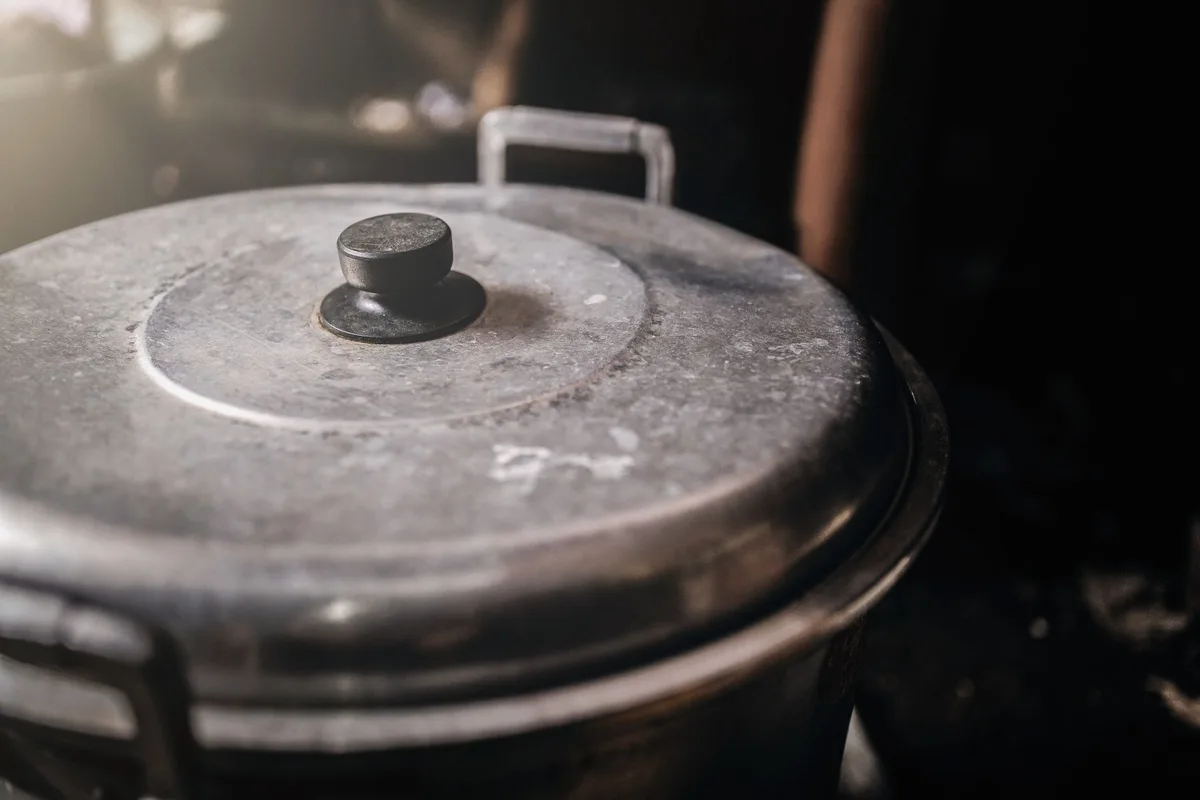
The science behind covered cooking for corned beef comes down to a few key principles. Firstly, moisture retention. When the pot is covered, the steam generated from the cooking liquid (often water, beer, or broth) can't escape. This traps moisture within the pot, preventing the corned beef from drying out.
USDA Food Safety and Inspection Service guidelines for moist heat cooking emphasize this point for tenderizing tougher cuts.
Secondly, even heat distribution. A lid helps to create a more uniform temperature within the pot. Instead of hot spots caused by direct contact with the heating element or air currents, the trapped steam circulates heat evenly around the entire piece of meat. This promotes consistent cooking, ensuring all parts of the corned beef reach the optimal temperature for collagen breakdown simultaneously.
Without a lid, the top of the corned beef can be exposed to drier, hotter air, potentially leading to tougher sections or uneven cooking.
When to Cover, When to Lift the Lid
For most stovetop corned beef preparations where extreme tenderness is the primary goal, a lid is your best friend. It’s not just about keeping moisture in; it’s about creating the ideal braising environment. This is especially true if you're using a Dutch oven or a similarly heavy-bottomed pot designed for slow cooking.
However, there are situations where you might consider removing the lid, or at least partially uncovering the pot, though these are secondary to the main tenderizing phase. Think of these as finishing touches rather than core cooking strategies.
The Case for Keeping It Covered
Keeping the pot covered for the majority of the cooking time is almost always recommended for stovetop corned beef. This method ensures the meat simmers gently in its cooking liquid, where the magic of collagen conversion happens. The USDA recommends moist heat cooking methods for tougher cuts of meat to achieve tenderness, and a covered pot on the stovetop is a prime example of this. This ensures the meat stays hydrated and cooks evenly.
Aggregate reviews from culinary resources consistently point to covered simmering as the most reliable way to achieve that characteristic fork-tender result. Without a cover, you risk significant moisture loss, which can lead to your corned beef becoming dry and tough, no matter how long you cook it. The steady, gentle heat and steam are what break down those fibrous tissues, making it easy to shred or slice.
When Uncovering Might Be an Option
There are a couple of specific scenarios where you might opt to uncover your corned beef, usually only during the latter stages of cooking. One common reason is liquid reduction for flavor. If you've added a generous amount of liquid at the start, and the corned beef has already reached a tender state, you might remove the lid for the last 20-30 minutes. This allows some of the excess liquid to evaporate, concentrating the flavors of the broth and meat.
Another, far less common, reason might be to encourage a slight crust development. This is rarely the goal for traditional stovetop corned beef, as its appeal lies in its tenderness, not a seared exterior. If, for some experimental reason, you wanted a minimally browned surface, you might uncover it briefly towards the end. However, this usually comes with the risk of drying out the meat, so it’s a trade-off best avoided by most home cooks looking for classic results.
Common Mistakes in Stovetop Corned Beef Cooking
One of the biggest mistakes people make is not using a tight-fitting lid. If your lid has significant gaps, steam will escape, and your corned beef can end up dry. Ensure your pot’s lid seals well. Another common error is cooking at too high a heat.
Corned beef needs a gentle simmer, not a rolling boil. Boiling can toughen the meat rather than tenderize it. Per general meat cooking principles, a constant simmer at around 195°F (90.5°C) is optimal for collagen breakdown.
Rushing the cooking time is another pitfall. Corned beef, especially a thicker cut, often needs 2-4 hours to become truly tender. Trying to speed this up significantly by increasing heat or skipping the lid is counterproductive. Finally, failing to let the corned beef rest after cooking can result in juices running out when sliced, making it seem less tender than it is.
A good 10-15 minute rest is crucial.
Step-by-Step: Mastering Corned Beef Tenderness on the Stove
Getting perfectly tender corned beef on the stovetop is straightforward when you follow a few key steps. The most important principles are maintaining adequate moisture and a consistent, low heat.
Preparing Your Pot and Corned Beef
Start with a heavy-bottomed pot, like a Dutch oven, that can hold the corned beef and enough liquid to mostly submerge it. Rinse the corned beef under cold water to remove excess brine, then pat it dry with paper towels. This helps remove some of the saltiness. Trim any excessive fat cap if desired, though a little fat contributes to flavor and moisture.
The Simmering Process: Cover or Not?
Place the corned beef in your pot. Add your chosen cooking liquid, water, beef broth, beer, or a combination, to cover at least two-thirds of the meat. You can also add aromatics like onions, garlic, bay leaves, peppercorns, and pickling spices, which often come with packaged corned beef. Bring the liquid to a gentle simmer over medium-high heat.
Once simmering, immediately reduce the heat to low, cover the pot tightly with its lid, and let it cook.
The cooking time will vary based on the thickness of the corned beef, generally ranging from 2 to 4 hours. You're looking for the meat to be very tender when pierced with a fork. For the vast majority of this cooking time, keep that lid firmly in place to maximize the steam and moisture environment. Only consider briefly uncovering it towards the end if you need to reduce excess liquid for flavor concentration.
Alternatives to Stovetop: Other Ways to Cook Corned Beef
While stovetop cooking with a lid is fantastic for tender corned beef, it's not the only game in town. Many home cooks find success with other methods, each offering slightly different results. Understanding these alternatives can help you choose the best approach for your schedule and desired outcome.
One popular option is oven braising. This method involves placing the corned beef in a covered roasting pan and cooking it in a preheated oven, typically around 300-325°F (150-160°C). It offers very even heat distribution and excellent tenderness. Another familiar path is the slow cooker.
You simply place the corned beef and liquid in the slow cooker, set it to low for 8-10 hours or high for 4-5 hours, and let it work its magic with minimal supervision. For speed, a pressure cooker can dramatically reduce cooking time, often getting a tender corned beef ready in under an hour, though it requires careful monitoring to avoid overcooking.
Pro Tips for Perfectly Tender Stovetop Corned Beef
Beyond simply covering your pot, a few extra touches can elevate your stovetop corned beef. First off, using a good quality cooking liquid makes a huge difference. While water works, a flavorful base like beef broth, a dark beer, or even a mix with some apple cider can add delightful depth. Always ensure the liquid is at least halfway up the corned beef, preferably more, to maintain that crucial moist heat environment.
Don't neglect the resting period after cooking. Once the corned beef is fork-tender, carefully remove it from the pot to a cutting board. Tent it loosely with foil and let it rest for 10-15 minutes before slicing. This allows the juices to redistribute throughout the meat, ensuring every slice is moist and flavorful.
Many user reviews highlight this as a game-changer for texture.
Adding Flavorful Aromatics
A standard corned beef package often comes with a spice packet, but you can enhance it further. Consider adding a roughly chopped onion, a couple of bay leaves, a head of garlic (halved crosswise), and a handful of whole peppercorns directly to the cooking liquid. Some people also add a sprig of fresh thyme or rosemary for an extra layer of complexity. These aromatics infuse the meat with subtle, wonderful flavors as it braises.
Liquid Volume and Replenishment
It’s vital to have sufficient liquid in the pot throughout the cooking process. As the corned beef simmers, some liquid will naturally evaporate, even with a lid. Check the liquid level periodically, about halfway through the cooking time. If it seems low, add more hot liquid (water, broth, or beer) to maintain the moisture level.
This proactive step prevents the bottom of the meat from drying out and scorching.
Your Decision Guide: Cover or Go Lidless?
So, to cover or not to cover your corned beef on the stovetop? Our research and analysis of culinary best practices strongly lean towards covering. If your goal is that classic, fork-tender, juicy corned beef that melts in your mouth, a lid is your essential kitchen companion for this method.
When Covering is Your Best Bet
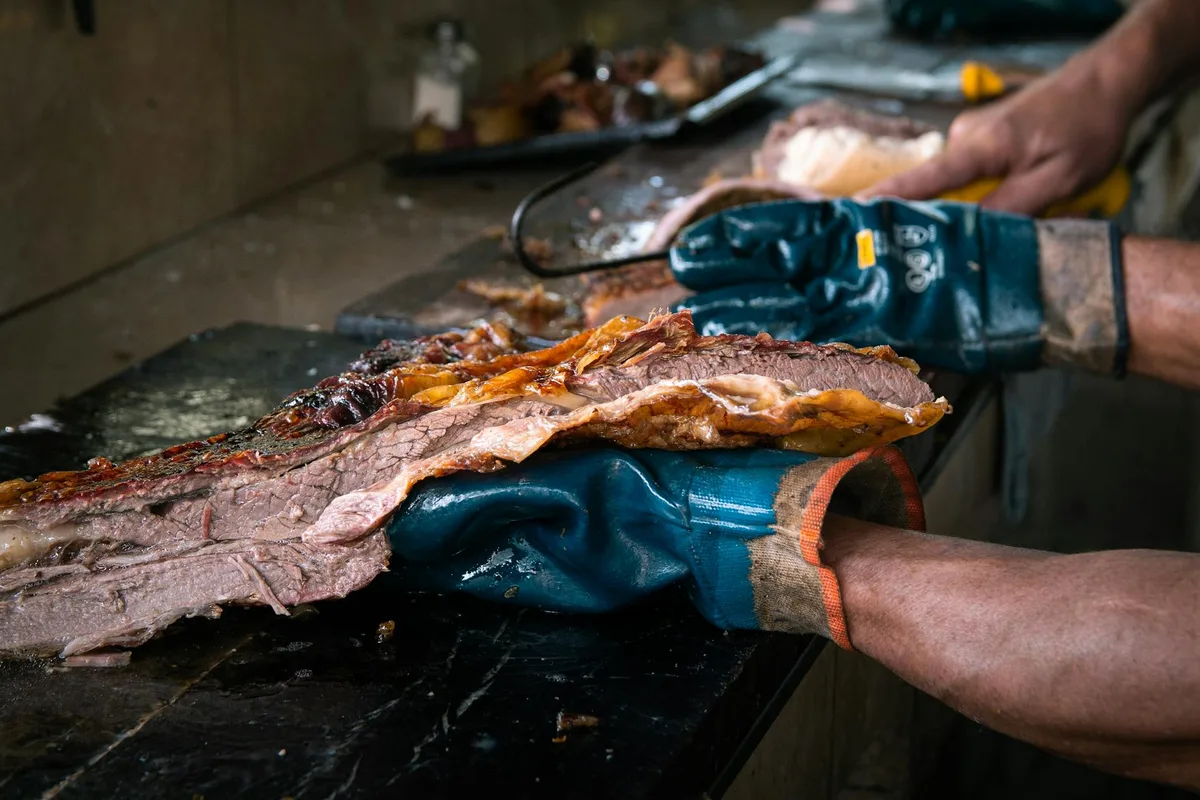
You should definitely cover your corned beef when stovetop cooking if you prioritize:
- Maximum Tenderness: The moist, steamy environment created by a lid is paramount for breaking down collagen.
- Juiciness: Trapped steam prevents moisture loss, leading to a more succulent final product.
- Consistency: Covered cooking offers more predictable results than an uncovered pot.
- Ease: It’s generally less hands-on and forgiving than methods requiring constant monitoring for drying.
When You Might Consider Going Lidless (Briefly)
Consider lifting the lid only during the final 20-30 minutes of cooking IF:
- The corned beef is already very tender, and the cooking liquid seems excessively abundant.
- You wish to reduce the liquid to concentrate its flavor as a sauce for serving.
However, for the main cooking duration, keep that lid sealed tight to achieve the signature tenderness associated with expertly cooked stovetop corned beef.
