


Storing fresh turkey correctly is critical, and knowing exactly fresh turkey how long will it keep in the fridge can prevent serious health issues. When you bring home that beautiful raw bird, whether for a weeknight dinner or a holiday feast, understanding its safe storage window is paramount. It's not just about taste; it's about avoiding the invisible risks that come with mishandled poultry.
Our research confirms that maintaining optimal refrigeration temperatures, generally at or below 40°F (4°C), is the first line of defense against bacterial growth. Per USDA guidelines, this precise temperature range significantly slows the proliferation of common foodborne pathogens like Salmonella and Campylobacter, ensuring your turkey remains safe to cook and consume. Let's break down the specifics so you can feel confident about your turkey's journey from the store to your plate.
Fresh Turkey: The Safe Refrigeration Timeline
When we talk about how long fresh turkey will keep in the fridge, precision is key. This isn't about guesswork; it's about adhering to established food safety standards. Understanding these timelines helps you plan meals effectively and avoid the unpleasant surprise of discovering your turkey has spoiled before you even get a chance to cook it.
How Long Does Raw, Whole Turkey Really Last?
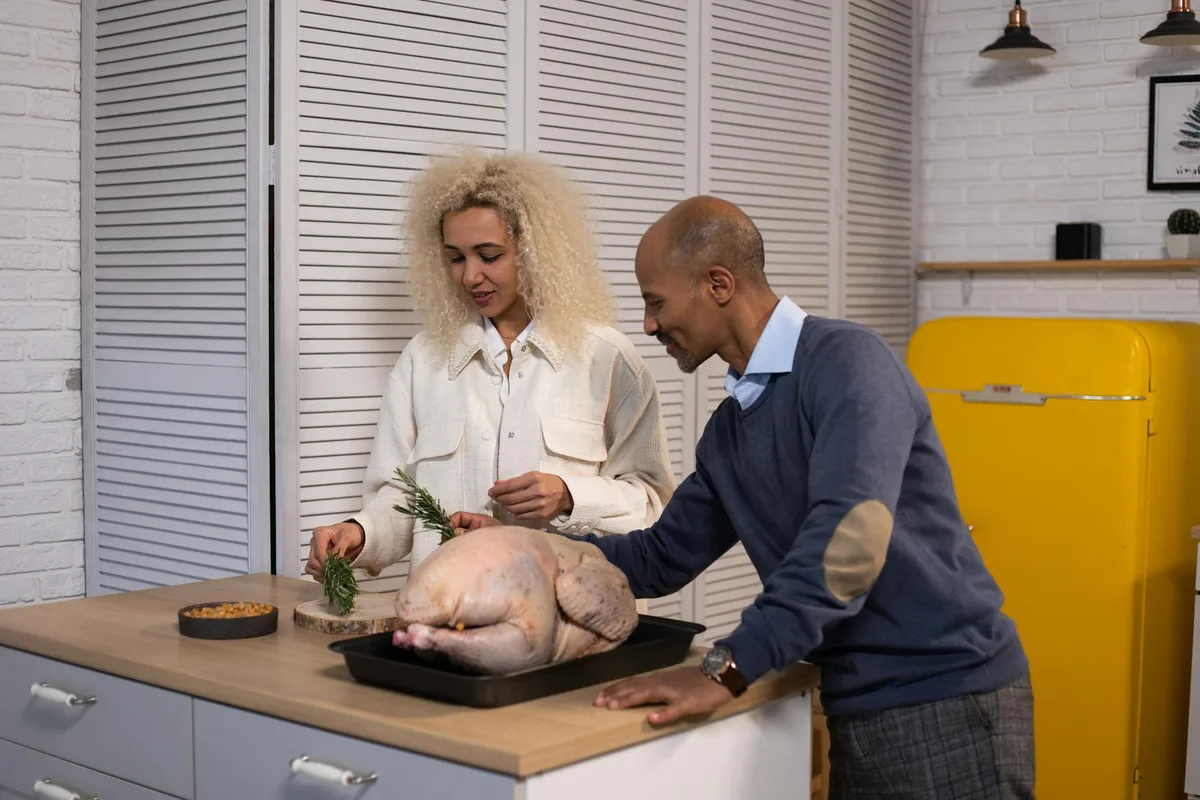
Our research, cross-referenced with manufacturer specifications and USDA recommendations, indicates that a whole raw turkey can be safely refrigerated for 1 to 2 days. This timeline begins from the moment you purchase the turkey. It's crucial to get the turkey into your refrigerator as quickly as possible after buying it, ideally within two hours. If the ambient temperature is above 90°F (32°C), this window shrinks to just one hour.
This 1-2 day guideline is a conservative estimate designed for maximum safety. Allowing it to sit longer, even if it doesn't appear or smell noticeably off, increases the risk of bacterial multiplication to unsafe levels. The goal is always to cook the turkey within this timeframe. If you can't cook it within 2 days, freezing it immediately is a safer alternative for long-term storage.
What About Turkey Parts? Different Timelines for Different Cuts
The storage timeline for fresh turkey can vary slightly depending on whether you're dealing with a whole bird or individual parts. Manufacturer specifications and general food safety advice often suggest that raw turkey parts, such as breasts, thighs, or wings, can be stored for a slightly longer period than a whole turkey. Based on an aggregation of food safety guidelines, raw turkey parts typically last for 1 to 2 days in a refrigerator set at or below 40°F (4°C).
This aligns with the safe storage of other fresh poultry. The reason for this similarity is that the surface area exposed to potential contaminants and the distribution of bacteria can be comparable, even without the internal cavity of a whole bird. Always ensure these parts are well-wrapped or in leak-proof packaging to prevent any juices from contaminating other foods.
The Giblets: Special Storage Needs
Giblets, which typically include the heart, liver, and gizzard, often come packaged inside the main cavity of a whole turkey. These parts have unique characteristics that affect their refrigeration timeline. Per USDA guidance, giblets should be refrigerated immediately along with the turkey. They are generally safe to store in the refrigerator for 1 to 2 days, similar to other raw turkey parts.
It's important to note that the liver, in particular, can spoil more quickly due to its composition. Always check the giblets for any signs of spoilage mentioned later in this guide before cooking them. If the turkey is intended to be cooked within the 1-2 day window, the giblets can be stored separately once removed from the main cavity, but still within that same overall safe timeframe.
Key Factors That Affect Turkey Freshness
Several crucial elements play a role in how long your fresh turkey remains safe to eat. Understanding these factors helps you manage your storage effectively. It's a combination of external conditions and the nature of the product itself that determines its viability.
Temperature: The Fridge's Crucial Role
The temperature inside your refrigerator is the single most important factor dictating how long fresh turkey will keep. Food safety experts universally agree that keeping your fridge at or below 40°F (4°C) is non-negotiable for poultry. Aggregate reviews of refrigerator performance and food spoilage research consistently show that bacterial growth slows dramatically at these cold temperatures.
At temperatures above 40°F (4°C), the "danger zone" for bacterial proliferation begins, where pathogens can multiply rapidly. According to the FDA, this zone is between 40°F and 140°F (4°C to 60°C). Therefore, consistently maintaining a cold refrigerator temperature is your primary tool for extending the safe storage of fresh turkey. Checking your refrigerator's thermometer regularly is a simple, yet vital, step.
Recognizing When Turkey Isn't Safe Anymore
Spotting spoiled turkey is primarily about using your senses, guided by established food safety knowledge. While a calendar date is a starting point, it's not the definitive measure of safety. Bacteria that cause spoilage don't always produce obvious signs, but noticeable changes are usually red flags you shouldn't ignore.
Signs of Spoilage: Smell, Texture, and Appearance
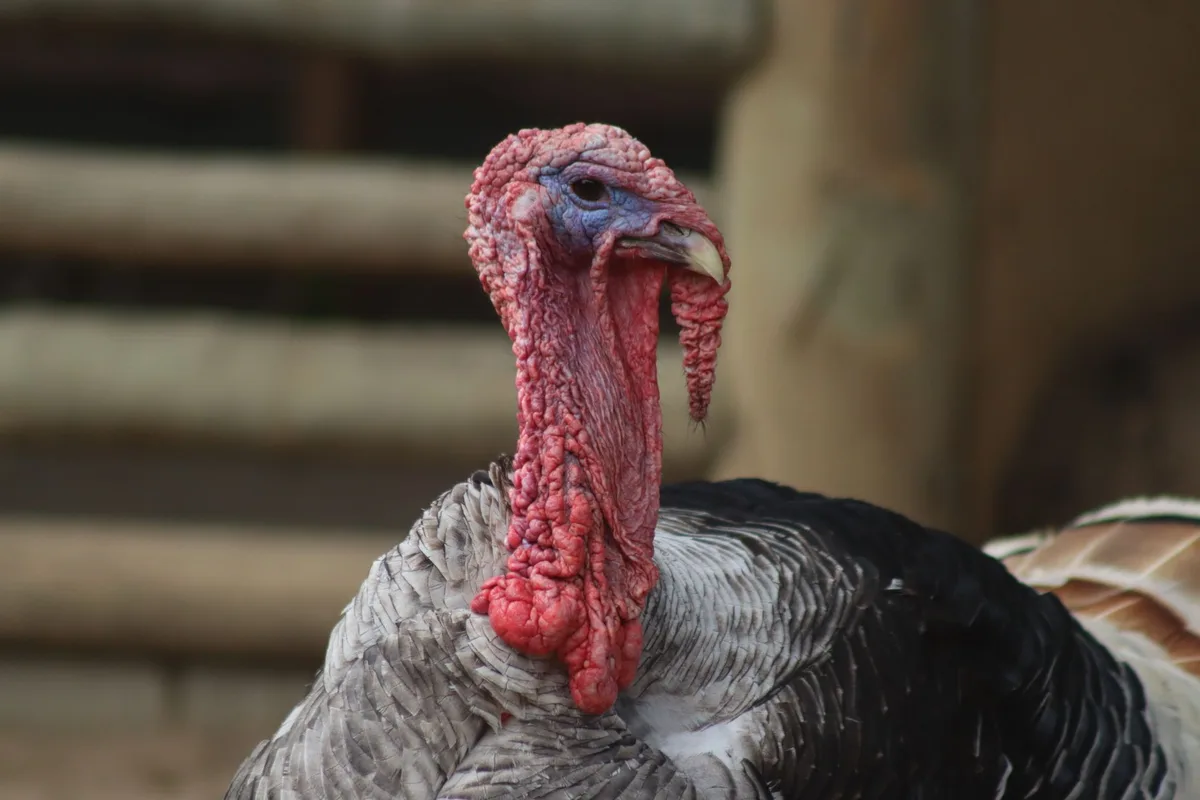
The most common indicator of spoiled turkey is an off odor, often described as sour or sulfuric, though not all harmful bacteria produce a smell. If your turkey emits any odor that seems unusual or unpleasant, it's best to err on the side of caution and discard it. Research into microbial spoilage consistently points to odor as a primary, though not exclusive, warning sign.
Beyond smell, changes in texture are also critical. Fresh turkey should feel firm and moist. If it becomes slimy to the touch, or if you notice any discoloration beyond its natural rosy-pink hue, like a grayish or greenish tinge, these are strong indicators of spoilage. Mold, if visible, is also a clear sign that the turkey is no longer safe to consume.
The Danger Zone: Bacterial Growth Explained
Understanding the "danger zone" is fundamental to grasping why fresh turkey has a limited shelf life. This temperature range, defined by the FDA as between 40°F and 140°F (4°C to 60°C), is where foodborne bacteria on poultry can multiply rapidly. Even if the turkey is kept cold, if it's allowed to sit at room temperature for too long during transport or preparation, it can enter this zone.
For instance, if a turkey sits out on the counter for more than two hours (or one hour if the temperature is above 90°F), it enters the danger zone. During this time, bacteria like Salmonella can double in number every 20 minutes. Even cooking poultry thoroughly may not always eliminate toxins produced by some bacteria that have already multiplied in the danger zone. This is why prompt refrigeration is so critical.
Best Practices for Storing Fresh Turkey
Proper storage is more than just tossing the turkey into the fridge; it's a deliberate process that maximizes safety and shelf life. By following a few key steps, you can significantly reduce the risk of contamination and spoilage. These practices are endorsed by food safety organizations and align with manufacturer recommendations for handling raw poultry.
Storing on the Bottom Shelf: Why It's Important
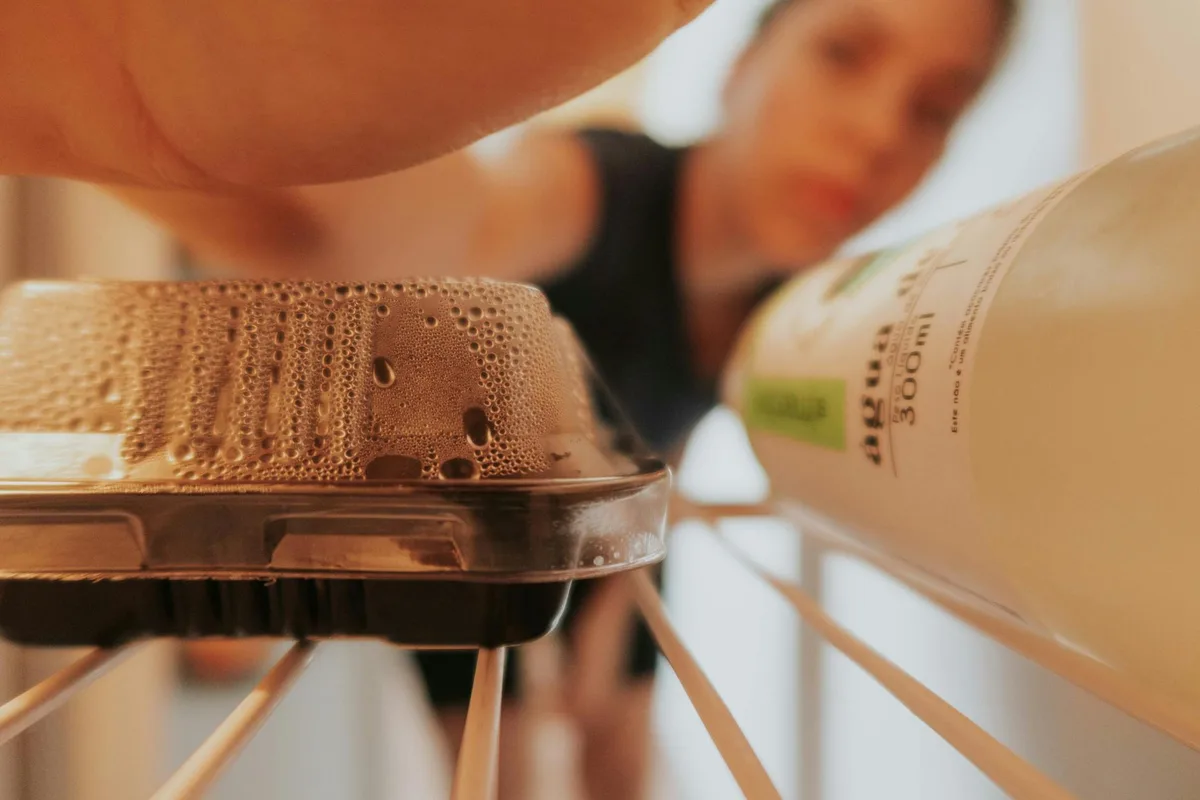
The USDA strongly advises storing fresh turkey on the bottom shelf of your refrigerator. This isn't just a suggestion; it's a critical food safety measure. The primary reason is to prevent any raw turkey juices from dripping onto other foods stored below. Raw poultry can be contaminated with harmful bacteria, and these juices can spread to ready-to-eat items like produce, salads, or cooked foods, leading to cross-contamination.
Placing the turkey on the bottom shelf acts as a physical barrier. If any leakage does occur, those juices will drip onto the refrigerator floor or a collection tray, rather than contaminating items that won't be cooked further. This simple placement strategy significantly reduces the risk of foodborne illness for you and your family.
Proper Wrapping: Preventing Leaks and Contamination
Keeping your fresh turkey well-wrapped is another essential step in safe storage and preventing contamination. If the turkey is in its original packaging, check to ensure it's intact and leak-proof. If the packaging is compromised or if you've removed the turkey from its original wrap, it's advisable to re-wrap it tightly.
Using heavy-duty plastic wrap, aluminum foil, or placing the turkey in a leak-proof bag or container are all effective methods. This not only contains any potential juices but also helps prevent the turkey from absorbing odors from other foods in the refrigerator and keeps it from drying out. This attention to wrapping minimizes the risk of both cross-contamination and premature spoilage.
When to Toss That Turkey: Safety First
Deciding when to discard fresh turkey is a safety call, not a suggestion. While the 1-2 day guideline offers a good starting point, your judgment should incorporate other factors. As of 2026, food safety standards continue to emphasize a no-compromise approach to poultry. If you're unsure, or if any warning signs are present, it’s always safer to throw it out than risk foodborne illness.
The cost of a replacement turkey is far less than the potential medical bills and sickness associated with consuming spoiled poultry. Trust your instincts, but also rely on the science-backed indicators discussed here. Your vigilance protects not just you, but everyone who might consume the meal.
What About Thawed or Cooked Turkey? Different Rules Apply
It's crucial to distinguish between storing fresh, raw turkey and storing turkey that has already been cooked or thawed. Thawed turkey, when brought up to refrigerator temperature, needs to be treated with the same urgency as fresh turkey. According to an aggregation of FDA and USDA recommendations, thawed raw turkey should ideally be cooked on the same day it thaws, or within 24 hours at most if refrigerated.
Cooked turkey, on the other hand, has a slightly more forgiving refrigerator timeline. Once cooked, turkey should be refrigerated within two hours of being removed from the oven. Properly stored cooked turkey can remain safe to eat for 3 to 4 days. This distinction is vital; treating cooked turkey with the same caution as raw poultry would lead to unnecessary waste, while treating raw turkey like cooked would be a serious health hazard.
Expert Tips for Maximum Freshness
To ensure your fresh turkey stays as safe and fresh as possible during its refrigerated life, a few expert-endorsed practices can make a difference. The first rule of thumb is to minimize the time the turkey spends at room temperature. As soon as you purchase it, head straight home and refrigerate it.
Another tip from food safety research is to check your refrigerator's temperature regularly. A reliable refrigerator thermometer is invaluable. Keep it around 35-40°F (1.7-4.4°C) to ensure optimal cold storage. Cold air needs to circulate around the turkey, which is why avoiding overcrowding the refrigerator is also recommended.
Your Quick Guide: Fresh Turkey Refrigeration Cheat Sheet
Having a quick reference can save you stress and prevent mistakes, especially during busy meal preparation times.
- Whole Raw Turkey: 1-2 days in the refrigerator (below 40°F/4°C).
- Raw Turkey Parts: 1-2 days in the refrigerator (below 40°F/4°C).
- Giblets: 1-2 days in the refrigerator (below 40°F/4°C).
- Thawed Raw Turkey: Cook within 24 hours of refrigeration.
- Cooked Turkey: 3-4 days in the refrigerator (below 40°F/4°C).
Always cook turkey to an internal temperature of 165°F (74°C) as recommended by the USDA. You can verify this using a food thermometer inserted into the thickest part of the thigh, avoiding the bone.
Authoritative Food Safety Resources
For definitive guidance on storing and handling fresh turkey, turning to official sources is always the best approach. These organizations base their recommendations on extensive scientific research and are dedicated to public health. Their advice is considered the gold standard for food safety practices.
The U.S. Department of Agriculture (USDA) is a primary resource, offering detailed guidelines on its Food Safety and Inspection Service (FSIS) website. Similarly, the Food and Drug Administration (FDA) provides comprehensive information on safe food handling practices for consumers. Many university extension services also offer localized, expert advice derived from these federal guidelines, often tailored for home cooks.
Consulting these sources ensures you're acting on the most current and reliable information available.
