


So, you're staring at your jar of bubbly sourdough starter, and a little voice in your head is asking, "How can I tell if my sourdough starter is bad?" It’s a common moment for anyone cultivating this lively culture. A starter is a complex ecosystem, and sometimes it throws us a curveball, making us wonder if it's time to start fresh.
Don't worry, we've got you covered. We've compiled insights to help you assess your starter's health. For instance, consistent starter inactivity or unusual smells often indicate an issue, with many manufacturers recommending specific feeding schedules to maintain optimal microbial balance, typically aiming for a consistent rise of at least 50% within 4-6 hours post-feeding. Let's dive into the signs.
What "Bad" Actually Means for a Sourdough Starter
When we talk about a sourdough starter being "bad," it boils down to a few key issues. Primarily, it means the starter has encountered something harmful that makes it unsafe or unlikely to produce good bread. This usually comes down to contamination with mold or other unwelcome microbes, or a severe imbalance in its culture that prevents it from fermenting effectively.
It's not just about your starter looking a little sluggish or smelling a bit funky for a day; those can often be signs of hunger or a need for adjustment. True "badness" means the delicate balance of yeast and bacteria has been tipped too far, rendering it unusable for baking.
Your Starter's Condition: A Quick Visual Checklist
The first thing we'll do is a good old-fashioned visual inspection. This is your starter's first line of communication about its well-being.
The Mold Check
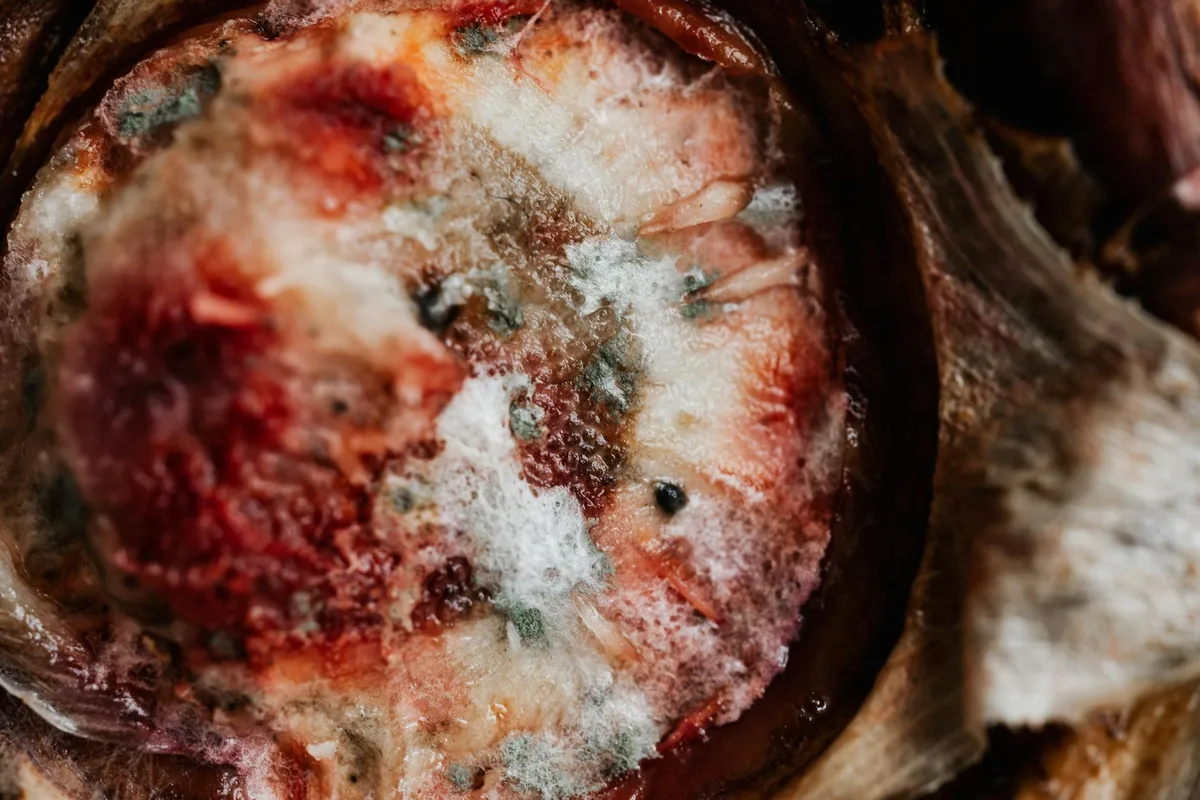
This is the most critical visual cue. Can you see any fuzzy or colored spots anywhere in your starter? Mold typically appears as green, red, pink, blue, or black growth. If you spot mold, it's a definitive sign that the entire batch is contaminated and should be discarded immediately.
There's no salvaging a moldy starter; the risk of consuming harmful mycotoxins is too high.
Color Clues
A healthy starter usually sports an even, creamy beige or light brown hue. This consistent color indicates a balanced microbial population. However, if you notice streaks of dark brown, orange, or even pinkish tones that aren't just surface oxidation, it could signal an imbalance. These off-colors might suggest the presence of unwanted bacteria or a starter that's gone too long between feedings.
Dealing With Hooch
Sometimes, a layer of dark liquid forms on top of your starter. This is affectionately known as "hooch," and it's essentially alcohol and acids created during fermentation. A small amount of clear or light tan hooch is generally not a major concern. It simply means your starter is hungry and has consumed most of its food.
You can either pour it off or, more commonly, stir it back into the starter and then feed it.
However, if you see a large volume of hooch, or if it’s very dark, syrupy, and carries an unpleasant, acrid smell when stirred in, it’s a stronger warning sign. This indicates prolonged starvation and potentially unfavorable microbial activity.
Bubble Activity
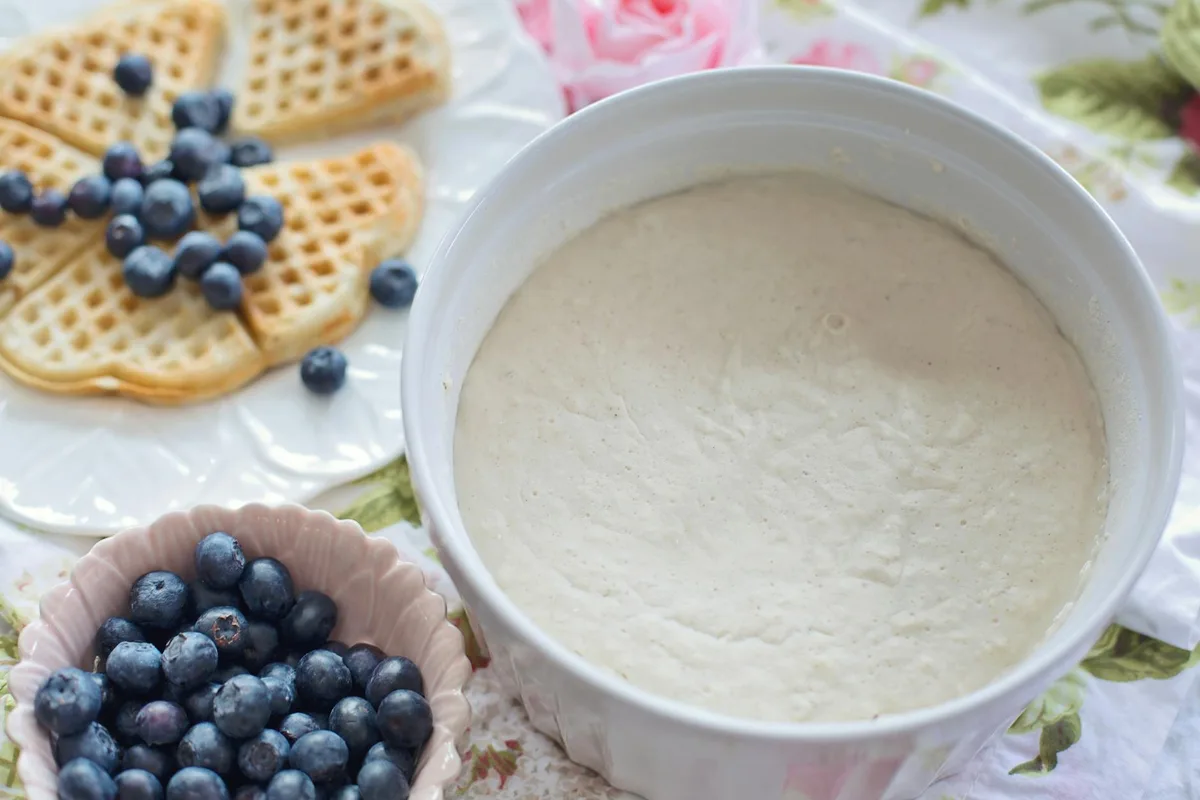
Bubbles are the lifeblood of your sourdough starter. Even tiny ones indicate that the yeast and bacteria are actively producing carbon dioxide gas, the byproduct of fermentation. A healthy starter, especially a few hours after feeding, should be visibly bubbly, almost effervescent. If your starter appears completely flat, dense, and stubbornly devoid of any bubbles after a feeding, or if it remains that way for days on end, it’s a clear indicator that something is not right within the culture.
The Essential Smell Test for Starter Health
Your nose is one of your most powerful tools when it comes to judging a sourdough starter's condition. As a living culture, it has a distinct, and usually pleasant, aroma when healthy.
What a Healthy Starter Smells Like
A well-maintained sourdough starter typically emits a pleasantly sour, tangy, and slightly yeasty scent. Some might detect a subtle alcoholic or vinegary note, especially if it's been a while since its last feeding. This aroma is a sign of active fermentation by the beneficial yeast and lactic acid bacteria. Think of the complex, slightly sharp smell of good quality yogurt or kombucha; that's the ballpark you're aiming for.
Recognizing Questionable Smells
While a slightly "funky" smell can happen, some odors are red flags. A strong, sharp smell reminiscent of acetone or nail polish remover often means your starter is very hungry and needs immediate feeding, perhaps with a higher gluten flour that can sustain it longer. A perfumey or distinctly fruity smell can also indicate hunger or an imbalance in the microbial community.
But if the smell is truly overpowering and unpleasant, like rotten eggs, ammonia, or something unmistakably putrid, proceed with caution. While a beginner starter might go through a "stinky" phase, a persistently foul odor, especially when it’s accompanied by other warning signs, is a strong indicator that unwelcome bacteria have taken over and the starter should be discarded.
Assessing Your Starter's Activity Level
This is where we check if your starter is actually doing its job: fermenting and producing gas. A healthy starter shows consistent activity after feeding. This predictable cycle is key to knowing it's ready for baking.
The Float Test Explained
The float test is a classic quick check. After feeding, wait for your starter to become active and bubbly, typically 4 to 12 hours depending on ambient temperature and its overall vigor. Gently scoop a small spoonful into a glass of room-temperature water. If the starter floats, it means it has produced enough gas to become buoyant, indicating it's likely active and ready to bake with.
If it sinks, it's probably not robust enough yet and might need more time or care.
Understanding Rise and Fall Cycles
A healthy starter should reliably double, or even triple, in volume after feeding and then gradually fall back down as it consumes its food. This rise and fall is its natural rhythm. If your starter never really gets going after several feedings, or if it collapses very quickly after a small rise, it’s struggling and likely not active enough for successful baking. As of 2026, consistent doubling within 4-8 hours after feeding is a common benchmark for readiness.
When It's Time to Let Your Starter Go
There comes a point where you have to make the tough decision to discard a starter. This isn't a sign of failure, but rather a recognition that sometimes, we're dealing with something beyond repair.
The Unsalvageable Signs
The most common and definitive sign that your starter must be discarded is the presence of mold. As mentioned, any fuzzy, colored growth on the surface or within the starter means it's contaminated and unsafe. Additionally, if your starter consistently smells putrid, like actual rot or decay, and shows no signs of recovery after multiple attempts at feeding and revival, it's best to let it go. A starter that remains completely flat and inactive for weeks, no matter how diligently you feed it, has likely lost its vital microbial balance.
What To Do If Your Starter Is Just "Off" (But Not Gone!)
If you're not seeing mold or smelling outright rot, but something just feels a bit off with your starter, don’t despair! Many starter issues are fixable with the right approach. It’s often just a matter of helping the beneficial microbes re-establish dominance.
Boosting Your Starter with a Stronger Feeding
When your starter seems sluggish or has an off-smell, a more diluted feeding can often help. Try increasing the ratio of fresh flour and water relative to the amount of starter you keep. Instead of a typical 1:1:1 ratio (starter:water:flour), opt for something like 1:2:2 or even 1:3:3. This dilutes any unfavorable byproducts and gives the healthy yeast and bacteria a better environment to thrive.
Adjusting Feeding Frequency
A starter that smells like acetone or is very flat might just be very hungry. In such cases, feeding it more often can make a significant difference. Try feeding your starter every 12 hours for a few days. This will ensure it always has fresh food available and can help speed up the activity of the beneficial microbes.
Trying Different Flours
Sometimes, the type of flour you’re using can impact your starter’s health. If you're exclusively using white bread flour, consider adding a small percentage of whole grain flours like rye or whole wheat to your feedings. These flours are often more nutrient-dense and can provide a better food source for the yeast and bacteria, sometimes jumpstarting a sluggish culture.
Temperature Matters
The temperature of your kitchen plays a big role in your starter's activity. Ideally, starters thrive in a warm environment, between 75-80°F (24-27°C). If your kitchen is consistently cold, your starter's fermentation process will slow down dramatically. Try finding a warmer spot for your jar, like on top of a refrigerator or near a pilot light.
You can also consider using a seedling heat mat or a proofing box to maintain a consistent, warm temperature.
