


You've probably stood in the produce aisle, pineapple in hand, wondering: "How can you tell if a fresh pineapple is ripe?" It's a common puzzle, balancing that perfect moment between firm and sweet, and avoiding the tartness of an underripe fruit or the mushy disappointment of one past its prime. Getting it right means the difference between a delightful tropical treat and a wasted grocery trip.
In our research, understanding the key indicators is crucial. While some sweetness can be enhanced by letting pineapple sit at room temperature after purchase, its peak ripeness is best judged before it leaves the store. For instance, according to USDA guidelines for fruit quality, a ripe pineapple will typically have a specific gravity between 1.045 and 1.060, indicating its sugar content, a metric best assessed by cultivators and distributors. Let's break down the sure signs to look for.
Why Seeing is Believing When Picking a Pineapple
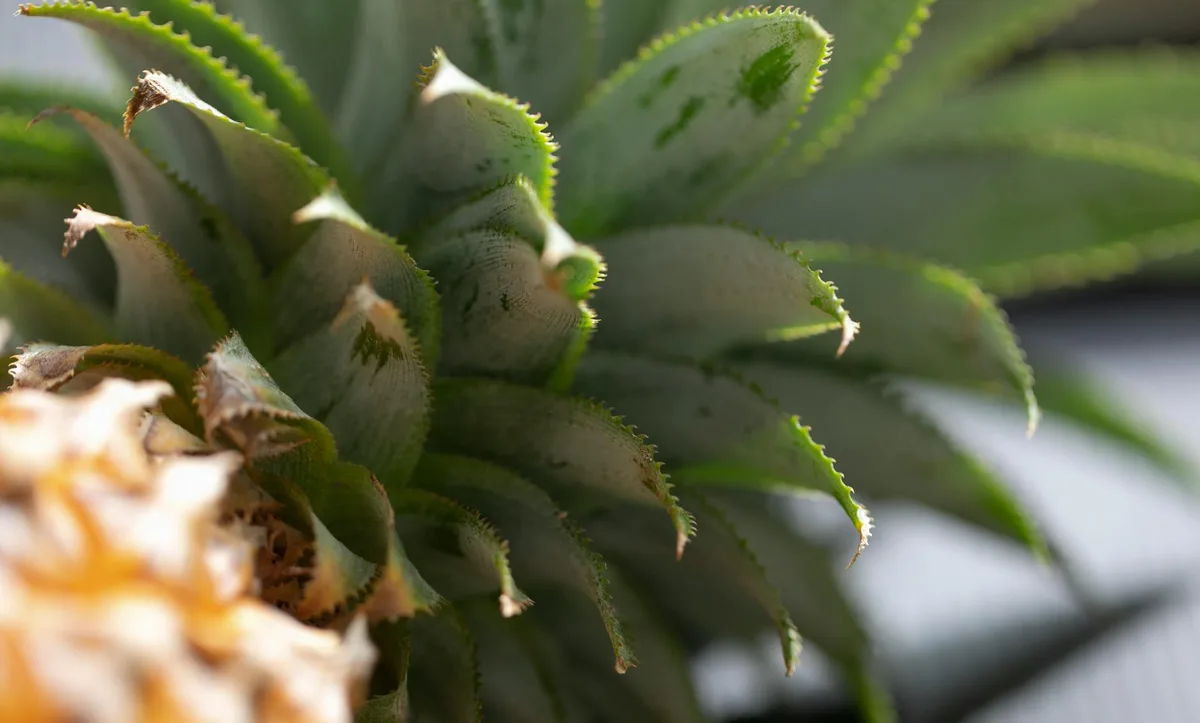
When you're trying to figure out if a pineapple is good to go, your eyes and nose are your best friends, way more than any app or chart. It's about the whole sensory experience. You're not just looking at a fruit; you're assessing its readiness based on a combination of visual cues and aromas that signal its internal development. It’s a bit like being a fruit detective, piecing together clues to find the perfect specimen.
The Sweet Smell Test: What to Sniff For
This is perhaps one of the most reliable, and easiest, ways to check pineapple ripeness: give it a good sniff at the base. A pineapple that's ready to eat will have a distinct, sweet, and fragrant aroma. Think of a pleasant, tropical perfume, that's what you're aiming for. This scent comes from the natural sugars breaking down and releasing volatile compounds as the fruit matures.
If you don't smell anything, or if the scent is faint and grassy or vegetal, the pineapple is likely still unripe. It needs more time on the plant to develop its sweetness and aroma. On the flip side, if the smell is overwhelmingly alcoholic, fermented, or sour, it's a sign the pineapple has gone too far. It’s starting to spoil, and while some might still use it for cooking, the fresh eating quality is gone, and sometimes a strong alcoholic smell indicates spoilage that's not safe to consume.
Aim for that sweet spot in between.
Color Cues: From Green Hues to Golden Glow
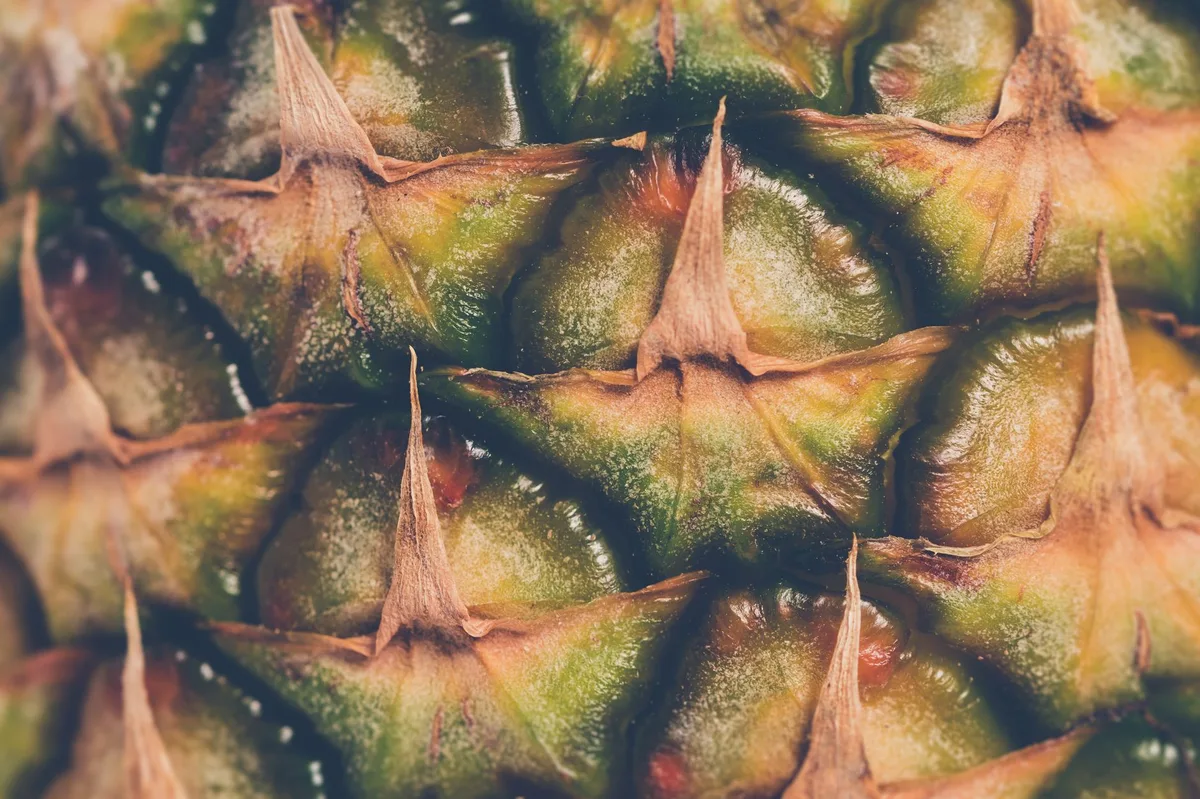
The color of a pineapple’s skin can tell you a lot, but it's not the only factor to consider, and can sometimes be misleading, especially with certain varieties. Generally, you're looking for a fruit that's transitioning from a full, vibrant green to a more golden-yellow hue. This color change indicates that the starches within the fruit are converting into sugars, leading to that desirable sweetness.
You’ll often see the yellow color creeping up from the base of the pineapple towards the crown. A pineapple that is entirely green might still be a little tart, and while it will ripen further at home, its flavor profile won't be as developed as one that shows some yellowing. Conversely, a pineapple that's completely covered in a deep, uniform golden-yellow might be on the verge of becoming overripe, potentially leading to a softer texture than you prefer for fresh eating. Look for a good balance, with the majority of the fruit showing a nice, sunny disposition.
The Gentle Squeeze: Feeling for Firmness
When you pick up a pineapple, give it a gentle squeeze. It shouldn't be rock hard, nor should it feel soft or mushy. A ripe pineapple will yield slightly to gentle pressure, feeling firm but with a little bit of give. This slight compressibility means the flesh inside is juicy and tender, ready to be enjoyed.
If the pineapple feels really hard and doesn't budge when you press it, it's probably not ripe yet. It might need several days at room temperature to reach a desirable sweetness. On the other hand, if you squeeze it and it feels very soft, or if indentations remain after you release the pressure, that's a clear indicator that the fruit is overripe. It's likely past its peak and could be bruised or starting to ferment internally.
Checking the Crown: Healthy Leaves Mean a Healthy Fruit
The leafy crown at the top of a pineapple is more than just decoration; it can be another clue to the fruit's ripeness and overall health. Look for fresh, green leaves that are firm and stand up straight. This vibrant appearance suggests that the fruit itself is likely in good condition and has been handled well.
Wilted, dry, or brown leaves are a red flag. They might mean the pineapple has been sitting around for too long, or perhaps it wasn't stored properly, leading to dehydration and a less palatable fruit. Some people test ripeness by trying to pluck a leaf from the center of the crown; if it comes out easily, some say it's ripe. However, this method can damage the fruit and isn't as reliable as the smell, color, and squeeze tests.
Focus on the overall healthy look of the crown rather than an aggressive leaf-pulling technique.
Spotting the Problem Pines: Signs of Unripe or Overripe Fruit
It's easy to get caught up in looking for the ideal fruit, but knowing what to steer clear of is just as important. Recognizing the markers of an unripe or overripe pineapple can save you from a disappointing culinary experience. These problem fruits might look okay on the surface, but their taste and texture will tell a different story.
The Tale of the Tough, Green Pineapple
An unripe pineapple is often characterized by its firm, unyielding flesh and a distinctly tart or even sour taste. Visually, it will be predominantly green, with little to no yellowing on its skin. The aroma will be minimal, lacking the sweet, tropical fragrance of a ripe fruit.
If you bite into one of these, you'll notice a fibrous, tough texture that's difficult to chew. The acidity can be quite pronounced, making your mouth pucker. While it is possible to let an unripe pineapple ripen at home, it won't necessarily get sweeter; it will primarily soften. The best approach is to choose one that's already showing signs of ripeness at the store whenever possible.
When a Pineapple Smells Too Much (Or Not Enough)
The smell test is a powerful indicator, and both extremes signal trouble. As mentioned, a truly ripe pineapple emits a pleasant, sweet fragrance. If there's no discernible smell, it's a strong clue that the fruit hasn't developed its sugars and flavor compounds properly.
On the other hand, an overwhelming alcoholic or vinegary smell is a definite warning sign. This indicates that the pineapple has begun to ferment. This process happens when the natural sugars in the fruit break down too much, often after reaching peak ripeness and starting to decay. This fermented pineapple is unsuitable for fresh eating and can sometimes even be a health risk due to the growth of unwanted microorganisms.
The Mushy Pineapple Mistake
Texture is a huge part of enjoying fruit, and a mushy pineapple is usually a sign that it’s gone too far. When you gently squeeze a pineapple with your hand and it feels very soft, or if it’s difficult to hold because it’s giving way too much, it’s likely overripe. This softness means the internal cellular structure has broken down considerably.
Sometimes, an overripe pineapple might also show signs of bruising or soft spots on its skin. The flesh inside could be watery, stringy, or have an unpleasant, cloying sweetness that borders on mushy. While some very ripe, but not fermented, pineapples can still be salvaged for smoothies or baking, they lose their appeal for fresh consumption due to the degraded texture.
How to Pick the Best Pineapple at the Store (Visual Guide)
Picking a good pineapple doesn't have to be a gamble. By systematically checking a few key things, you can significantly increase your chances of bringing home a sweet, juicy treasure. Think of this as your quick checklist before you head to the checkout.
Step 1: The Visual Scan
First, take a good look at the pineapple's overall appearance. You're looking for a fruit that has a nice, cylindrical or oval shape, without significant dents or bruises on the skin. The skin should have a healthy sheen, and as we've discussed, a transition from green to yellow is ideal. Aim for a fruit where the yellow color starts at the base and extends at least a third of the way up the body.
A vibrant, green crown is also a positive sign. Avoid pineapples with dry, brown, or wilted leaves, as this suggests the fruit is old or has been stored improperly. The goal is to find a pineapple that looks healthy and inviting, signaling it's ready for consumption.
Step 2: The Olfactory Check
Bring the base of the pineapple up to your nose and take a deep sniff. This is where your sense of smell really comes into play. A ripe pineapple will have a sweet, fruity, and slightly floral aroma. It should smell tropical and inviting.
If the smell is faint or absent, the pineapple likely needs more time to ripen. If, however, the aroma is sharp, vinegary, or strongly alcoholic, that's a sign of overripeness and potential spoilage. Trust your nose to guide you towards that perfect balance of sweetness.
Step 3: The Gentle Touch
Next, give the pineapple a gentle squeeze with your hand. You're not trying to crush it, just to feel its firmness. A ripe pineapple will yield slightly under firm pressure, feeling firm yet with a subtle give.
If it feels hard as a rock and doesn't compress at all, it's probably not ready to eat. On the other hand, if it feels very soft or mushy, it's likely overripe and may be damaged internally. A pineapple that feels a bit heavy for its size can also indicate juiciness.
Step 4: Final Leaf Inspection
Finally, take a look at the crown of green leaves. They should appear fresh, green, and relatively firm. Some slight wilting is normal, especially if the fruit has been on display for a bit, but avoid crowns that are completely dry, brown, or have fallen out.
The leaves are an indicator of the fruit's overall vitality. A healthy crown suggests the pineapple was recently harvested and handled with care. While the leaf-pulling myth exists, focusing on the overall healthy appearance of the crown is a much more reliable, and less damaging, assessment.
Common Pineapple Picking Pitfalls to Sidestep
Even with the best intentions, it's easy to make mistakes when selecting a pineapple at the grocery store. Being aware of these common errors can help you avoid bringing home a less-than-ideal fruit. These missteps often stem from relying on a single indicator or misunderstanding what certain signs actually mean.
One of the biggest mistakes is relying only on color. Yes, yellow is good, but a green pineapple can be perfectly ripe depending on its variety and growing conditions. Conversely, a uniformly golden pineapple might look ripe but could already be soft or starting to ferment internally, especially if it feels too yielding to the touch.
Another frequent pitfall is ignoring the smell test. People might pick a pineapple that looks good but has no aroma, only to find it bland and tart later. Or, they might be drawn to the strong, sweet smell without checking the firmness, later discovering the fruit is overly soft and mushy. It’s this combination of checks that truly works.
Finally, some shoppers might be too aggressive when testing firmness, leading to bruising on the fruit they intend to buy. A gentle squeeze is all that’s needed. Understanding that ripeness is a stage, not a fixed point, and that pineapples continue to develop even after picking (though their sweetness doesn't increase significantly), helps in making informed choices.
Expert Tips for Smarter Pineapple Selection
To truly master the art of picking a perfect pineapple, seasoned fruit enthusiasts and agricultural experts share a few refined insights. These tips go beyond the basic checks and offer a deeper understanding of what makes a pineapple truly exceptional. They often reinforce the primary sensory evaluations but add layers of nuance.
Our research indicates that if you have the option, check the pineapple’s weight. A ripe pineapple will feel surprisingly heavy for its size. This heft is often a direct indicator of its juiciness and density, meaning more delicious fruit for you.
When checking the smell, aim for a concentrated sweetness specifically at the base. If the smell is strong all over, it might indicate a broader issue, perhaps fermentation. The base is where the sugars are most concentrated and the aroma is typically most potent for a ripe fruit.
Also, consider the type of pineapple. Varieties like the Honeygro or Sugarloaf pineapples are naturally sweeter and have a more tender texture, and their ripeness cues might subtly differ from, say, a standard Cayenne pineapple. Generally, the indicators we've discussed apply broadly, but knowing your variety can fine-tune your selection, especially since as of 2026, consumer access to a wider range of specialty pineapples is increasing.
What to Do After You Pick Your Perfect Pineapple
So, you've successfully navigated the produce aisle and chosen a beautiful, ripe pineapple. What's next? Proper handling after purchase ensures you enjoy its peak flavor and texture. While pineapples don't ripen much further in terms of sweetness after they're picked, they can continue to soften.
If you plan to use the pineapple within a day or two, leaving it on your kitchen counter at room temperature is usually fine. This allows it to finish softening to your preferred texture. However, if you won't be eating it right away, it’s best to refrigerate it.
Place the whole, uncut pineapple in the crisper drawer of your refrigerator. While refrigeration will slow down the ripening process, it can also slightly dull the aroma and texture over time. It's generally recommended to consume it within about five to seven days for the best quality. To prepare it, you'll want to trim off the crown and base, then slice away the tough, spiky skin, and finally remove the fibrous core.
