


You’ve just pulled it out of the oven, golden brown and smelling divine. The urge to speed up the cooling process is real, especially when frosting is involved. But can you actually put a cake in the fridge to cool, or is that a baking faux pas? Our research indicates that while sometimes helpful, it’s not a universally good idea and depends heavily on the cake itself.
Manufacturer specifications for food storage often suggest that cakes, once cooled, can be refrigerated for up to 3-4 days if properly stored. However, the cooling process before frosting or serving is a different beast. This guide breaks down when it's smart to use your refrigerator and when you're better off letting nature take its course.
Quick Answer: It Depends on the Cake and Your Goals
The short answer to "Can I put a cake in the fridge to cool?" is: sometimes. It really boils down to the type of cake and your immediate plans. If you're dealing with a sturdy cake and need to frost it quickly, a period in the fridge can be beneficial. However, for delicate cakes, or if your goal is simply to get it ready for slicing and eating, room-temperature cooling is usually the better route.
Which Cakes Handle the Cold Best?
Some cakes are built for resilience, while others are more sensitive to temperature changes. Understanding this difference is key to deciding whether the fridge is a good idea.
Sturdy Cakes vs. Delicate Cakes
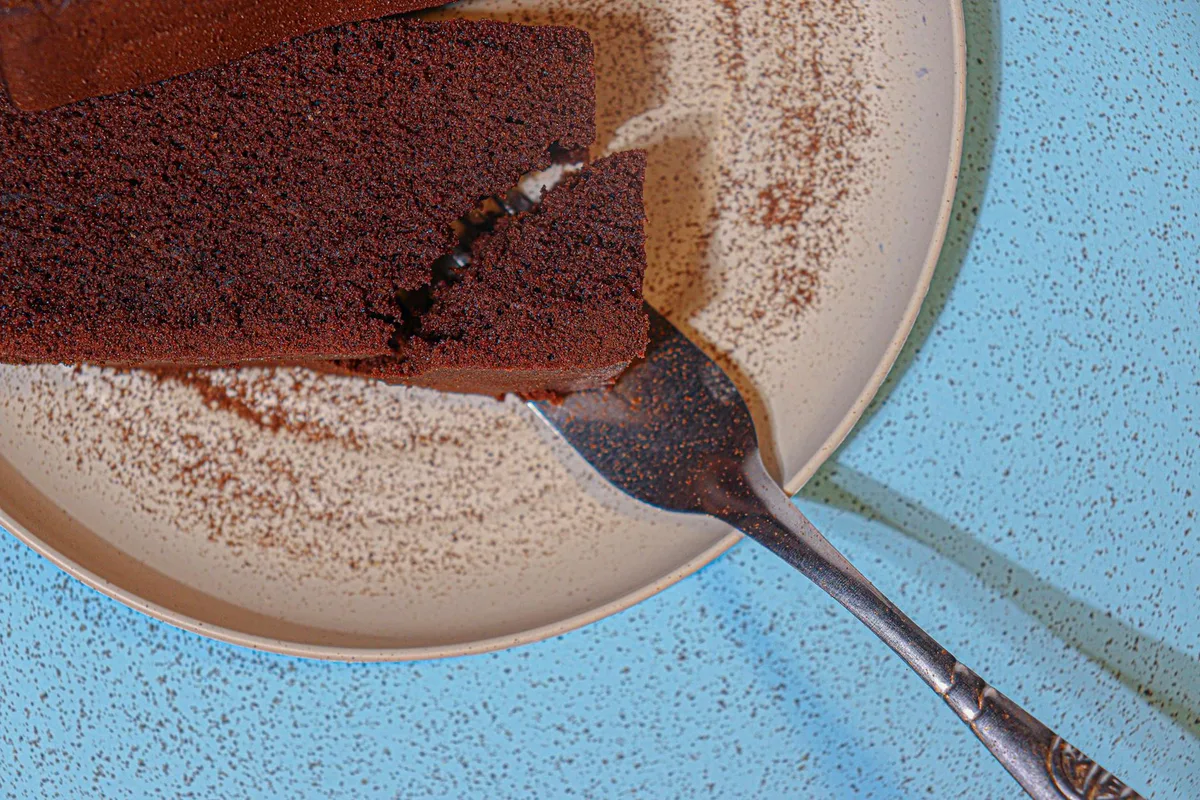
- Sturdy Cakes: These are your workhorses. Think dense chocolate cakes, moist carrot cakes, fruitcakes, or classic pound cakes. Their crumb structure is robust, meaning they tend to hold up well to refrigeration without becoming tough or crumbly. They don't typically suffer significant texture degradation from a chill.
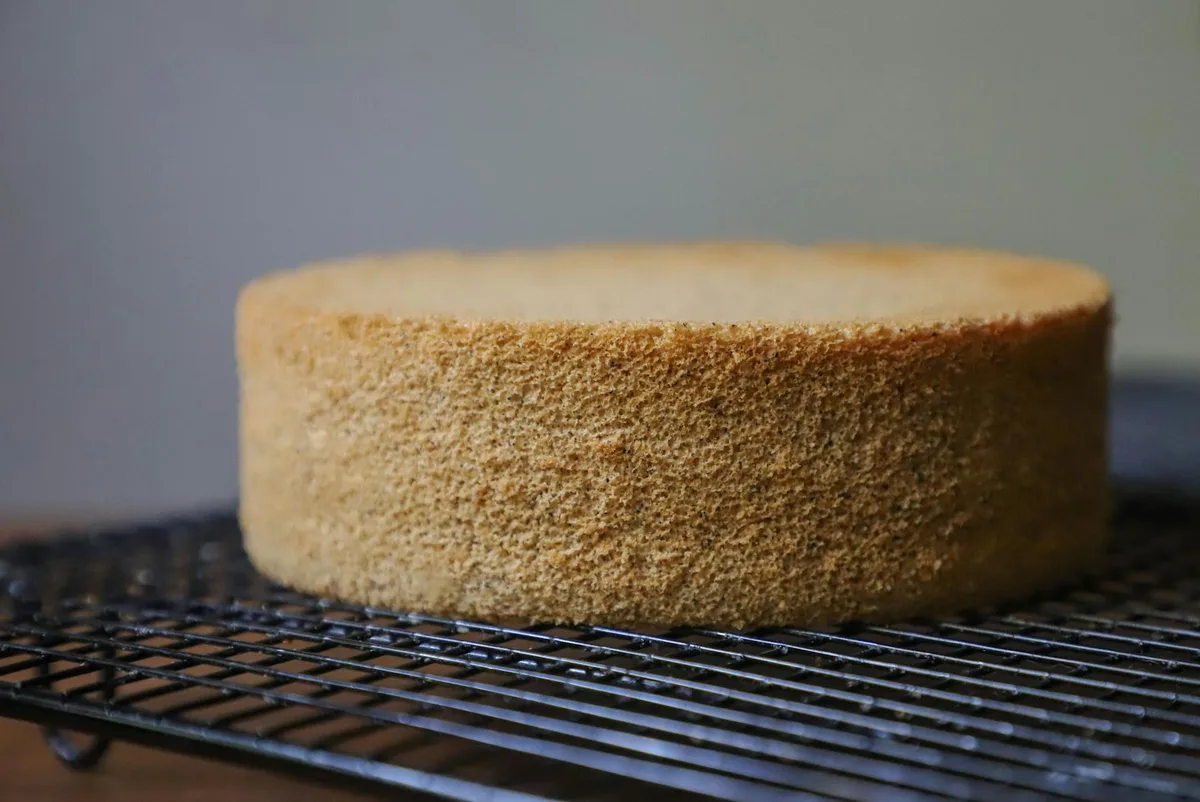
- Delicate Cakes: Light, airy cakes such as chiffon, angel food, or very light sponge cakes are more prone to issues when refrigerated too soon. The cold air can displace the moisture within their delicate structure, leading to a firmer, sometimes dry or rubbery texture.
Frosting and Refrigeration: A Balancing Act
The presence and type of frosting on your cake can significantly influence whether refrigeration is a good idea during the cooling phase.
Frostings That Benefit from Chilling
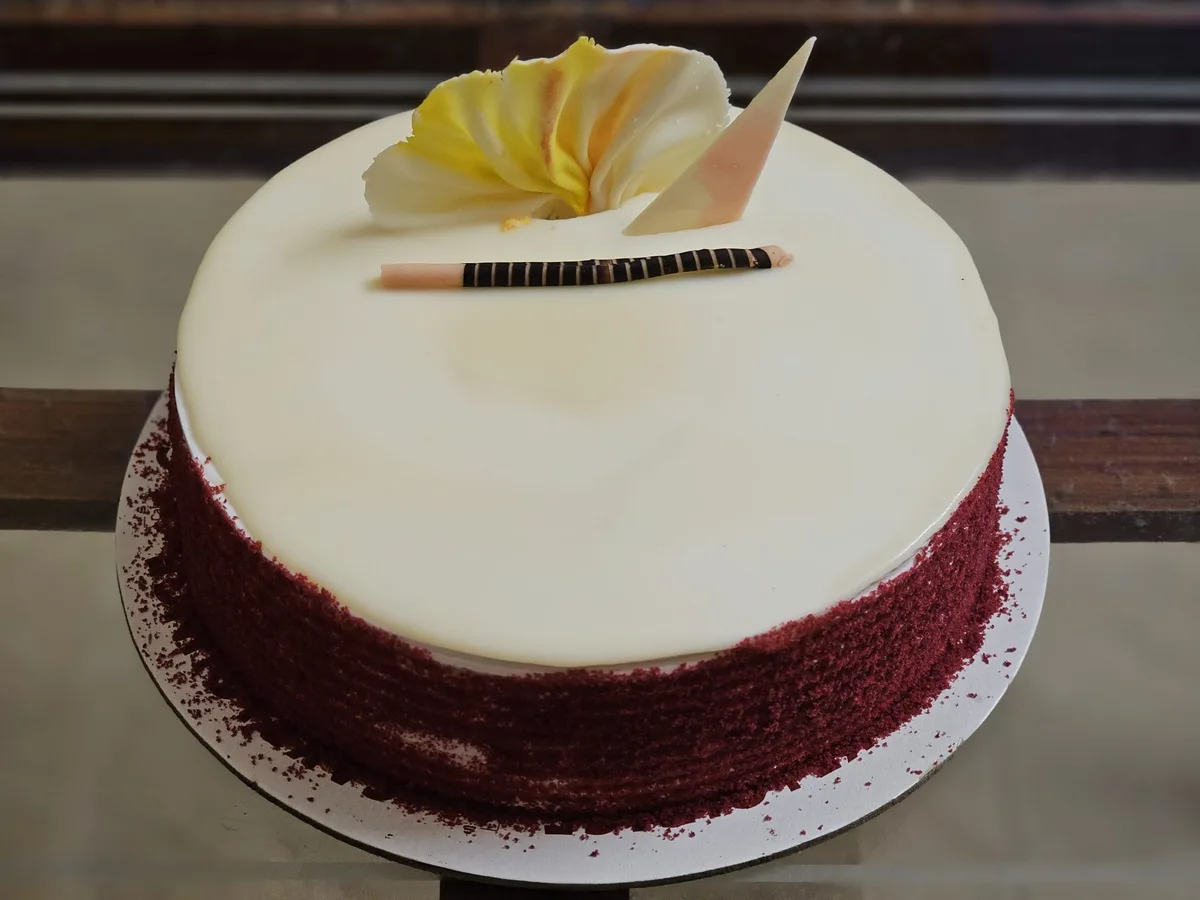
If your cake is already frosted, especially with frostings that depend on butter or cream cheese for their structure, refrigeration can be a big help. A chilled buttercream or cream cheese frosting firms up, making it much easier to handle for further decorating or slicing without smudging or melting. This is particularly useful in warmer kitchen environments where frostings can become soft quickly.
Frostings That Might Suffer in the Cold
Conversely, some frostings don't fare well with the cold, especially during the cooling stage right after baking. Delicate meringues, for instance, can weep or become sticky when exposed to the moisture and temperature fluctuations of a refrigerator. Similarly, frostings made primarily with whipped cream or mascarpone might become too firm, or in some cases, release excess water, negatively impacting their texture and appearance.
Why We Cool Cakes (And Why It Matters)
Before you even think about the fridge, it's crucial to understand the purpose of cooling a cake at room temperature first. Doing this properly ensures the best final product.
Preventing Sogginess
As a cake bakes, it releases a lot of steam. If you cover a hot cake or place it directly into a container, that steam gets trapped. This trapped moisture can create a soggy bottom, which is one of the most common frustrations for bakers. Cooling on a wire rack allows that steam to escape freely, keeping the cake's crust slightly crisp and preventing moisture buildup.
Building Structural Integrity
Cakes are much more fragile when they're hot out of the oven. They're still setting and are prone to breaking or collapsing if handled too roughly. Allowing a cake to cool completely on a wire rack helps it to firm up and achieve its final structure. This makes it easier to transfer, slice, and, crucially, frost without causing damage.
A cake that's too warm will likely crumble when you try to spread frosting.
When Refrigeration Makes Sense (The Pros)
There are specific situations where a brief stint in the refrigerator can be a smart move to help cool your cake.
Speeding Up the Process
This is often the primary driver for considering refrigeration. If you're on a tight schedule and need to frost or serve your cake relatively quickly, a controlled chill can significantly reduce the cooling time compared to air-drying alone. This can be a lifesaver when you've underestimated how long cooling takes or have guests arriving soon.
Setting Frosting Firmly
As mentioned, frostings made with butter, cream cheese, or even certain stabilizers can become much more cooperative when cold. If your goal is to achieve smooth, sharp edges on a buttercream or to prevent a chocolate ganache from becoming too fluid, chilling the cake after it has cooled slightly at room temperature will help set the frosting perfectly. This is a common technique before intricate decorating.
Preventing Meltdowns in Warm Kitchens
If you live in a particularly warm climate or your kitchen tends to get very hot when you're baking, a cake that's been cooling on the counter might start to feel the heat. In such cases, a partial cool-down on the counter followed by a move to the fridge can prevent delicate frostings from becoming oily or melting entirely, preserving their intended texture and appearance.
When to Skip the Fridge (The Cons)
Sometimes, the best approach is to let the cake cool naturally on your counter. Putting a cake into the fridge too early or if it’s not suited for it can lead to less-than-ideal results.
Protecting Delicate Textures
Cakes with light, airy structures, like angel food or chiffon, can become tough and unpleasantly chewy if they spend too much time in the cold. The cold air essentially compresses the proteins and starches, leading to a firmer texture than you’d typically want.
Avoiding Condensation Issues
When a warm cake is plunged into a cold refrigerator, condensation is almost guaranteed. This moisture can pool on the cake's surface and around any frosting, creating a sticky or even watery residue. This is particularly problematic if you're planning to decorate further, as a wet surface is hard to work with. Manufacturer best practices for food safety also highlight that rapid temperature changes can sometimes affect food quality.
Preventing Fridge Odors
Unfrosted cakes, especially simpler ones like a vanilla or a plain sponge, have a porous structure that can easily absorb surrounding smells in the refrigerator. If you have strong-smelling items like onions, garlic, or ripe cheeses in close proximity, your cake might end up tasting like them. It's always best to ensure a cake is well-covered or use a dedicated cake carrier to prevent this.
When Refrigeration Makes Sense (The Pros)
There are specific situations where a brief stint in the refrigerator can be a smart move to help cool your cake.
Speeding Up the Process
This is often the primary driver for considering refrigeration. If you're on a tight schedule and need to frost or serve your cake relatively quickly, a controlled chill can significantly reduce the cooling time compared to air-drying alone. This can be a lifesaver when you've underestimated how long cooling takes or have guests arriving soon.
Setting Frosting Firmly
As mentioned, frostings made with butter, cream cheese, or even certain stabilizers can become much more cooperative when cold. If your goal is to achieve smooth, sharp edges on a buttercream or to prevent a chocolate ganache from becoming too fluid, chilling the cake after it has cooled slightly at room temperature will help set the frosting perfectly. This is a common technique before intricate decorating.
Preventing Meltdowns in Warm Kitchens
If you live in a particularly warm climate or your kitchen tends to get very hot when you're baking, a cake that's been cooling on the counter might start to feel the heat. In such cases, a partial cool-down on the counter followed by a move to the fridge can prevent delicate frostings from becoming oily or melting entirely, preserving their intended texture and appearance.
Your Cake Cooling Decision Guide
Deciding whether to refrigerate your cake for cooling involves a few key checkpoints. Think of this as a quick decision-making flowchart.
Step 1: Assess the Cake's Heat
Is the cake still steaming or noticeably hot to the touch? If it's radiating significant heat, it's generally best to let it cool on a wire rack for at least 30 to 60 minutes first. This allows the initial, intense steam to dissipate.
Step 2: Identify Cake Type and Frosting
- If your cake is fragile (like angel food or chiffon) or has delicate frosting (like whipped cream): Stick to room-temperature cooling.
- If your cake is sturdy (like a dense chocolate or pound cake) and has a frosting that benefits from firming (like buttercream or cream cheese): Proceed to the next step.
Step 3: Consider Your Timeline
- If you are in a rush: And your cake type/frosting are suitable, the fridge can help.
- If you have plenty of time: Room-temperature cooling is usually the safest bet for optimal texture.
Common Cake Cooling Mistakes to Avoid
Making a mistake during the cooling phase can undo all your hard work. Here are a few common pitfalls to watch out for, ensuring your cake comes out just right every time.
- Frosted Too Soon: Trying to frost a cake that's still warm is a recipe for disaster. Frosting will melt, slide off, and create a messy, uneven finish. Always wait until the cake is completely cool to the touch.
- Direct Fridge Placement: Never put a hot cake directly into the refrigerator. This can create excessive condensation, as noted earlier, and can lead to a soggy cake bottom or watered-down frosting. Always let it cool at room temperature for a significant while first.
- Ignoring Cake Type: Assuming all cakes can be treated the same when it comes to cooling is a mistake. Delicate sponges need gentle, room-temperature cooling, whereas a robust fruitcake might be more forgiving.
- Improper Storage: If you do refrigerate a cake, ensure it's properly covered. An unfrosted cake can dry out quickly, while a frosted one can pick up odors. Use an airtight cake carrier or tightly sealed plastic wrap once it has cooled considerably.
