

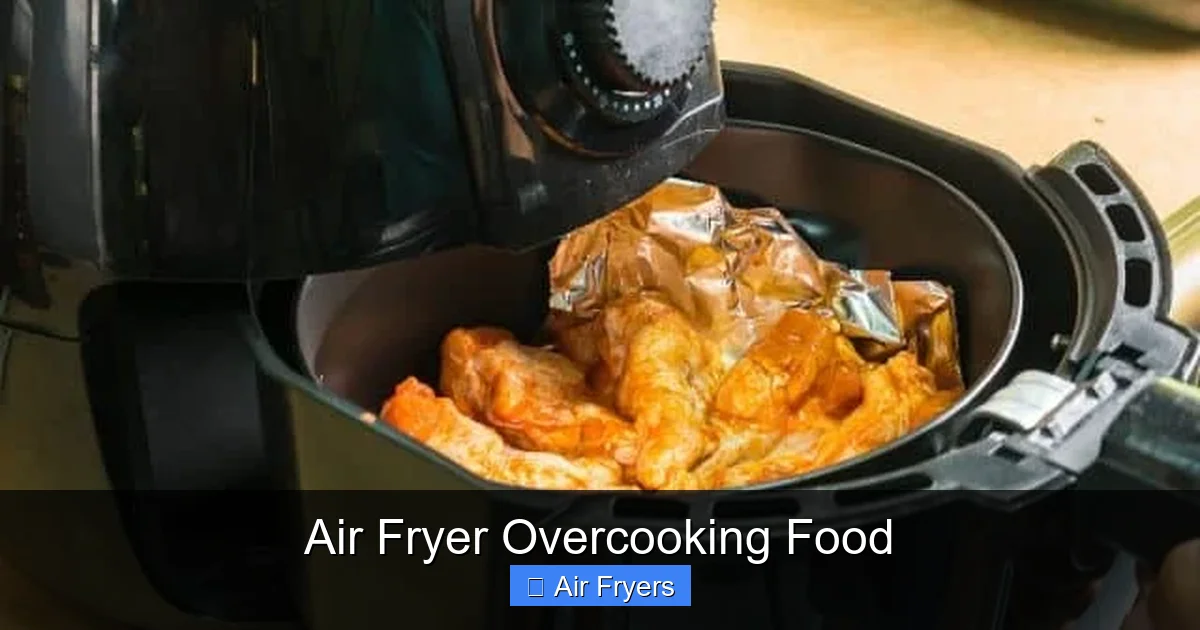
Air fryers are amazing for crispy, healthy meals—but they can easily overcook food if not used properly. The rapid airflow and high heat mean timing and temperature are everything. This guide shows you exactly what causes overcooking and gives you practical steps to fix it. You’ll learn how to adjust settings, choose the right foods, and use simple tricks to keep your dishes tender and delicious.
Key Takeaways
- Overcooking often starts with incorrect timing: Air fryers cook faster than ovens, so default recipes may be too long.
- Temperature matters more than time: Lower temperatures help delicate foods like fish and chicken stay juicy.
- Preheating saves energy and improves results: Skipping this step can lead to uneven cooking and dryness.
- Food placement affects airflow: Overcrowding blocks hot air circulation, causing some items to cook too long.
- Know your model’s quirks: Not all air fryers run at the same speed—check your manual for best practices.
- Use a meat thermometer for proteins: Internal temp is the real sign of doneness, not just visual cues.
- Resting helps retain moisture: Let meats rest after cooking to redistribute juices and avoid dryness.
📑 Table of Contents
Why Do Air Fryers Overcook Food So Easily?
You just pulled out a batch of golden fries from your shiny new air fryer—only to find them tough, rubbery, or worse, burnt around the edges. Sound familiar? It’s one of the most common complaints among home cooks, especially those new to air frying. The truth is, air fryers are powerful little machines. They circulate superheated air at speeds that rival professional convection ovens. That means they cook food fast. And while speed sounds great, it also means mistakes happen in seconds.
Unlike traditional ovens where heat radiates slowly, air fryers deliver intense, direct heat through rapid airflow. This makes browning and crisping happen almost instantly. But with great power comes great responsibility—especially when it comes to timing. A few extra minutes (or even seconds) can turn perfectly tender chicken into a dry, chewy snack. The good news? Once you understand how your air fryer works, you can avoid overcooking and cook like a pro every time.
The Science Behind Air Fryer Cooking
To fix a problem, you need to understand how it works. Air fryers use a combination of hot air circulation, radiant heat, and convection to cook food. The fan inside blows heated air around the basket, creating a crispy exterior while cooking the inside evenly. This process mimics deep-frying—without the oil—by triggering the Maillard reaction, which gives food that rich, browned flavor.
How Hot Air Cooks Food Faster
Hot air transfers heat more efficiently than still air. In a regular oven, the air near the walls stays cooler, so food cooks slowly. In an air fryer, the constant movement ensures every piece gets hit with consistent heat. That’s why food browns so quickly. But it also means you can’t “set it and forget it.” You must pay attention, especially during the first few uses.
Why Timing Is Tricky
Air fryers often follow different cooking rules than stovetops or ovens. For example, a recipe that calls for 10 minutes in the oven might only need 6–7 in the air fryer. But many people ignore this adjustment, leading to overcooked meals. It’s easy to assume the timer is wrong, but usually, it’s the cook who needs to adapt.
Common Causes of Overcooking in Air Fryers
Let’s break down the top reasons your food might be coming out too dry, tough, or burnt. Knowing these causes helps you troubleshoot before you even start cooking.
1. Using Default Settings Without Adjustment
Many people rely on pre-set programs or generic online recipes without checking if they apply to their specific air fryer. These defaults aren’t always accurate. If a recipe says “cook for 15 minutes at 375°F” and you follow it blindly, your food could end up overdone—especially if your model runs hotter or cooler than others.
2. Ignoring Preheating
Skipping the preheat step might seem harmless, but it’s a major cause of uneven cooking. When you drop cold food into a cold air fryer, the initial burst of cold air slows cooking slightly. Then, as the machine heats up, it overcompensates, leading to longer total cook times. Result: overcooked edges and dry centers.
3. Overcrowding the Basket
It’s tempting to throw in a whole chicken or a double batch of fries to save time. But overcrowding blocks airflow. The fan can’t reach all sides equally, so some parts cook longer than others. This imbalance often leads to charred spots and undercooked sections—or worse, overcooked dry bits.
4. Not Monitoring Food Progress
Air fryers are fast, but not invisible. Many people walk away while the food cooks, only to return and find it ruined. Shaking the basket halfway through helps distribute heat and prevents overcooking on one side. If you don’t check, you risk burning or drying out your dish.
5. Wrong Temperature for the Food Type
Delicate foods like fish, shrimp, or tofu cook quickly and can go from perfect to rubbery in under 3 minutes. High temperatures destroy their texture instantly. Similarly, lean meats like pork tenderloin dry out above 375°F if cooked too long. Matching temperature to food type is key.
How to Prevent Air Fryer Overcooking
Now that you know what goes wrong, here’s how to stop it. These practical tips will help you master your air fryer and enjoy restaurant-quality meals at home.
Start With Small Batches
Cook in single layers whenever possible. Even if you have a large air fryer, try to avoid stacking. Use a second basket (if available) or cook in two smaller batches. This ensures every piece gets equal hot air exposure and prevents uneven cooking.
Preheat Every Time
Make it a habit to preheat your air fryer for 3–5 minutes before adding food. This stabilizes the temperature and reduces overall cook time. For best results, add food right after the preheat alert (if your model has one).
Adjust Recipes Based on Your Model
Don’t trust every recipe blindly. Test and tweak. If something always comes out too dark, reduce the time by 1–2 minutes next time. Keep notes in a small notebook or on your phone. Over time, you’ll build a personalized cheat sheet.
Use a Timer and Check Often
Set a timer for 80% of the suggested time, then check. For example, if a recipe says 10 minutes, check at 8 minutes. This gives you control and prevents surprises. For thin foods like chicken tenders, checking at 6–7 minutes is usually enough.
Invest in a Meat Thermometer
For meats, internal temperature is the only true measure of doneness. Chicken should reach 165°F, beef medium-rare is 130–135°F, and fish flakes easily when done. Insert the thermometer into the thickest part without touching bone. This avoids false readings.
Let Food Rest After Cooking
Just like with grilled steak, let meats rest for 2–3 minutes after cooking. This allows juices to redistribute, making the meat more tender and moist. Don’t skip this step—it’s the final secret to avoiding dryness.
Best Practices for Different Foods
Not all foods behave the same in an air fryer. Here’s how to handle common categories without overcooking.
Crispy Chicken Wings
These are popular but tricky. Too long, and they become chewy; too short, and they’re raw. Try 18–20 minutes at 390°F, flipping halfway. For extra crispiness, pat them dry first and don’t overcrowd. If using frozen wings, add 3–4 extra minutes.
French Fries
Use cold potatoes (store-bought frozen works fine). Toss with a little oil and salt. Cook at 400°F for 12–15 minutes, shaking halfway. Avoid cooking beyond 18 minutes unless you want charcoal. For softer centers, reduce time by 2 minutes.
Fish Fillets
Delicate and fast-cooking. Use skinless fillets and cook at 375°F for 6–8 minutes. Flip once. Overcooking turns fish into a dry brick. Check by gently pressing—it should feel firm but still slightly springy.
Pork Tenderloin
A lean cut that dries out fast. Sear for 2 minutes per side, then bake at 350°F for 12–15 minutes. Aim for 140°F internal temp. Let it rest 5 minutes before slicing. Serve with a sauce to add moisture back in.
Vegetables
Broccoli, cauliflower, and Brussels sprouts roast beautifully. Toss with oil and salt. Cook at 375°F for 10–12 minutes, shaking halfway. Overcooked veggies lose color and crunch. Stop when they’re tender-crisp.
When to Worry About Your Air Fryer
Sometimes, overcooking isn’t about technique—it’s about the appliance itself. If you’ve tried everything and your food still comes out burnt or dry, your air fryer might have issues.
Uneven Heating
If one side of the basket gets hotter than the other, your heating element may be misaligned. This can cause some foods to cook longer than needed. Try rotating the basket 180° halfway through cooking to balance heat.
Fan Problems
A weak or clogged fan reduces airflow efficiency. Clean the interior weekly with a brush or damp cloth. Remove crumbs from the fan housing (usually at the back) to ensure smooth operation.
Old or Low-Quality Models
Budget air fryers often lack precise temperature controls and reliable timers. If yours fluctuates wildly or overheats, consider upgrading. A better model gives you more consistent results and fewer cooking disasters.
Final Thoughts: Master Your Air Fryer
Air fryers are incredible tools—when used correctly. Overcooking isn’t a flaw in the appliance; it’s usually a sign that timing, temperature, or technique needs adjustment. By preheating, monitoring closely, and matching settings to your food, you’ll avoid dry, tough meals every time.
Remember, practice makes perfect. Start with simple recipes like roasted potatoes or chicken nuggets. As you get comfortable, experiment with more complex dishes. And don’t forget to clean your air fryer regularly—this keeps it running smoothly and helps maintain even heat.
With a little patience and attention, your air fryer will become your favorite kitchen helper. Crispy, juicy, and never overdone.
Frequently Asked Questions
Can air fryers really overcook food?
Yes, absolutely. Due to their fast-heating nature, air fryers can overcook food in just a few minutes. It’s easy to go from perfect to overdone if you’re not careful with timing and temperature.
How do I know if my air fryer is overcooking my food?
Signs include dry, tough textures, burnt edges, and loss of moisture. For meats, this means they’re no longer juicy when sliced. Always check early and monitor progress to catch overcooking before it happens.
Should I preheat my air fryer before cooking?
Yes, preheating for 3–5 minutes ensures even cooking and prevents undercooked centers. Skipping this step can lead to longer cook times and overcooked exteriors as the machine compensates for the cold start.
Why does my chicken come out dry in the air fryer?
This usually happens due to high heat or too much cooking time. Lean cuts like chicken breast dry out quickly above 375°F. Try lowering the temperature to 350–375°F and using a meat thermometer to check for 165°F internally.
Can I fix overcooked food in the air fryer?
Once overcooked, you can’t reverse it—but you can salvage meals. Add sauces, gravies, or wet ingredients to moisten dry meats. For veggies, toss with olive oil and herbs to refresh flavor and texture.
How often should I clean my air fryer to prevent overcooking?
Clean the basket and drawer after each use to remove grease and crumbs. Deep clean the interior weekly, including the fan area. A clean air fryer maintains better airflow and consistent heat distribution.
