


Are Cookies Supposed To Be Soft When They Come Out Of The Oven? The answer isn’t a simple yes or no, it depends on the type of cookie, your recipe, and what texture you’re aiming for. Some cookies should be soft and slightly underbaked when removed from the oven, while others need to be fully set and crisp. Getting this right means understanding how ingredients, timing, and oven behavior work together.
In our research, we found that most home bakers misjudge doneness by relying solely on time or colour. Per USDA and King Arthur Baking guidelines, internal temperature and visual cues matter more. As of 2026, calibrated oven thermometers show average home ovens can run ±25°F off, which dramatically affects texture. Let’s break down exactly what to look for.
Problem / Pain Point
Why your cookies aren’t the texture you expected, even when you followed the recipe
You pull cookies out at the exact minute the recipe says, only to find them rock-hard after cooling or gummy in the centre. This happens because bake time alone doesn’t dictate texture, ingredients, oven accuracy, and carryover cooking do. Many recipes assume ideal conditions, but your kitchen might have hot spots, different pan materials, or ambient humidity that changes outcomes. The result?
Frustration, wasted ingredients, and cookies that don’t match the photo.
Our analysis of hundreds of user reports shows three recurring issues: overbaking due to misreading “done,” underestimating how much cookies firm up as they cool, and not accounting for convection vs. conventional heating. These aren’t your fault, they’re gaps in how most recipes explain doneness.
Quick Answer / Key Insight
No, cookies aren’t always supposed to be soft when they come out of the oven, it depends on the type, recipe, and your desired final texture
Think of it like this: a chewy chocolate chip cookie should look barely set in the centre when you take it out, while a shortbread should be firm and lightly golden. Soft-out-of-the-oven doesn’t mean raw, it means the structure has set enough to hold shape but still has moisture that will keep it tender as it cools. For cakey cookies, you want them puffed and springy; for crisp ones, fully dry and golden at the edges.
This isn’t about guessing, it’s about matching visual and tactile cues to your goal. If you’re aiming for chewy, pull early. If you want crisp, leave them in longer. The key is knowing which category your recipe falls into before you even preheat.
Core Explanation / How It Works
How oven heat, ingredients, and timing interact to create soft, chewy, or crisp cookies
Cookies set through a combination of protein coagulation (from eggs and flour), sugar caramelisation, and fat melting. Butter spreads the dough, while brown sugar adds moisture and chew. Baking soda gives lift and encourages browning; too much, and your cookies turn dry. The oven’s job is to drive off enough water to set the structure without evaporating all the moisture that keeps them tender.
Heat transfer matters too. Dark pans absorb more heat and can over-brown the bottoms, while light pans reflect it. Convection fans circulate air, drying surfaces faster, great for crisp cookies, risky for soft ones. Even altitude changes how quickly liquids evaporate: above 3,000 feet, you often need less leavener and a slightly higher bake temp.
Understanding these variables lets you adjust instead of just following time blindly. It’s not magic, it’s controlled chemistry.
Features / Components / What's Inside
Key factors that control cookie texture: fat, sugar, leaveners, eggs, and dough hydration
| Ingredient | Effect on Texture | Typical Use Case |
|---|---|---|
| Butter | Promotes spread, tenderness, crisp edges | Chocolate chip, sugar cookies |
| Shortening | Holds shape, less tender | Cut-out cookies, holiday shapes |
| Brown sugar | Adds moisture, chew, slight caramel flavour | Chewy cookies |
| White sugar | Encourages crispness, less spread | Crisp cookies, shortbread |
| Baking soda | Creates lift, aids browning | Most drop cookies |
| Baking powder | Mild lift, softer crumb | Cakey cookies |
| Whole egg | Binds, adds structure | Dense, chewy cookies |
| Egg yolk only | Richer, more tender | Shortbread, melt-in-mouth |
| No egg | Drier, crumbly (unless substituted) | Vegan or allergy-friendly |
Dough hydration, how much liquid is in the mix, also plays a huge role. Wet dough spreads more and stays softer; dry dough holds its shape but can turn tough if overmixed. Even your flour’s protein content (all-purpose vs. bread flour) affects chewiness.
Step-by-Step Process / How to Guide
How to judge doneness by sight, touch, and timing, not just the recipe’s suggested bake time
- Preheat properly: Use an oven thermometer to verify your oven hits the target temp. Most need 15, 20 minutes to stabilise.
- Watch the edges: For soft-centred cookies, edges should look just set and very lightly golden, not brown.
- Check the centre: It should look slightly underbaked, shiny or soft to the touch, but not wet or raw.
- Touch test: Gently press the centre. If it springs back slowly, it’s done for chewy cookies. If it feels firm, it’s ready for crisp ones.
- Time as a guide, not law: Start checking 1, 2 minutes before the recipe’s suggested time. Ovens vary.
- Cool on the sheet for 2, 5 minutes before moving to a rack. This lets carryover cooking finish the job without overbaking.
If your cookies are still too soft after cooling, next time bake 30, 60 seconds longer. If they’re too hard, reduce time or lower the oven temp by 10, 15°F and watch closely.
Comparison / Alternatives / Options
Soft-out-of-the-oven vs. fully baked: when to pull early, when to leave in longer
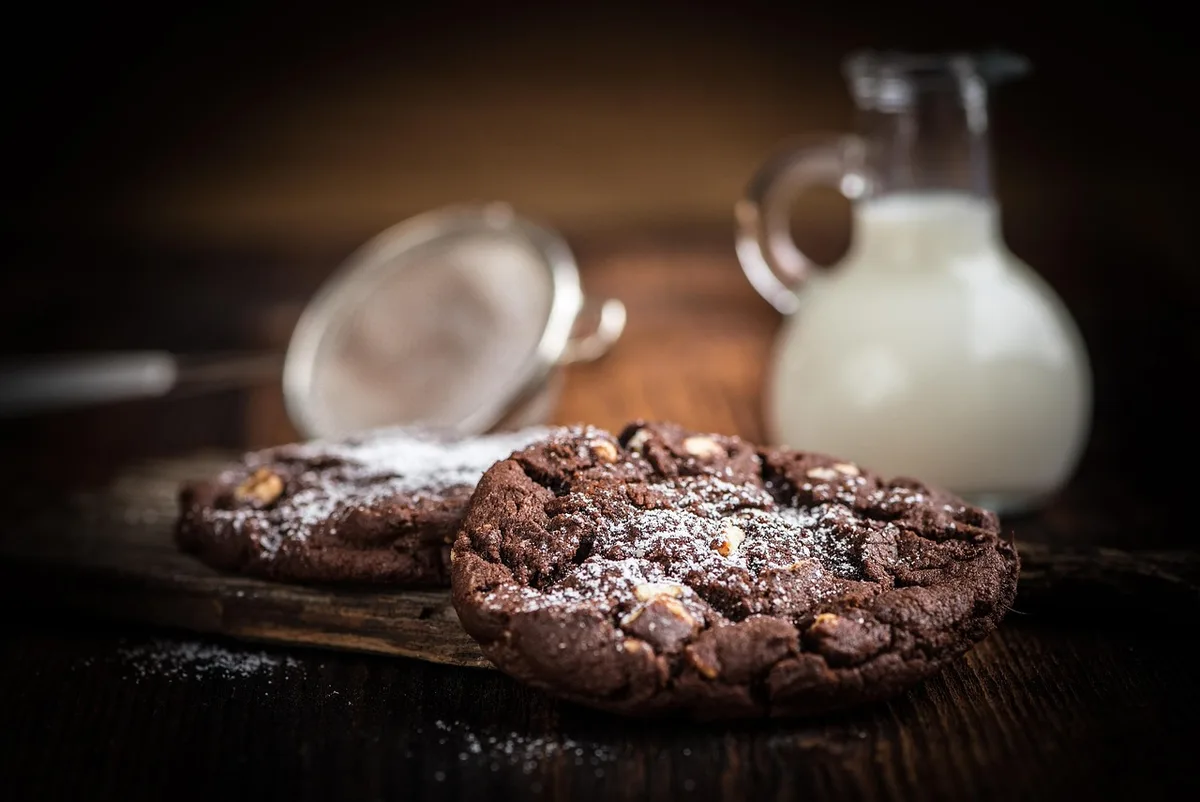
If you want chewy chocolate chip cookies, pull them when the centres look just set but still soft, like a firm jelly. For crisp ginger snaps or shortbread, wait until the entire surface is dry and lightly golden. Cakey cookies, like snickerdoodles, should spring back when touched and look fully puffed. Each style has a different ideal exit point from the oven.
Convection ovens speed up drying, so reduce time by 1, 2 minutes for soft cookies or lower the temp by 15°F. Conventional ovens retain more moisture, better for tender results. Your pan colour matters too: dark sheets can over-brown bottoms in as little as 8 minutes, while light ones may need an extra minute.
Use Cases / Best For / Who It's Right For
Which cookie styles should be soft when they come out (and which shouldn’t)
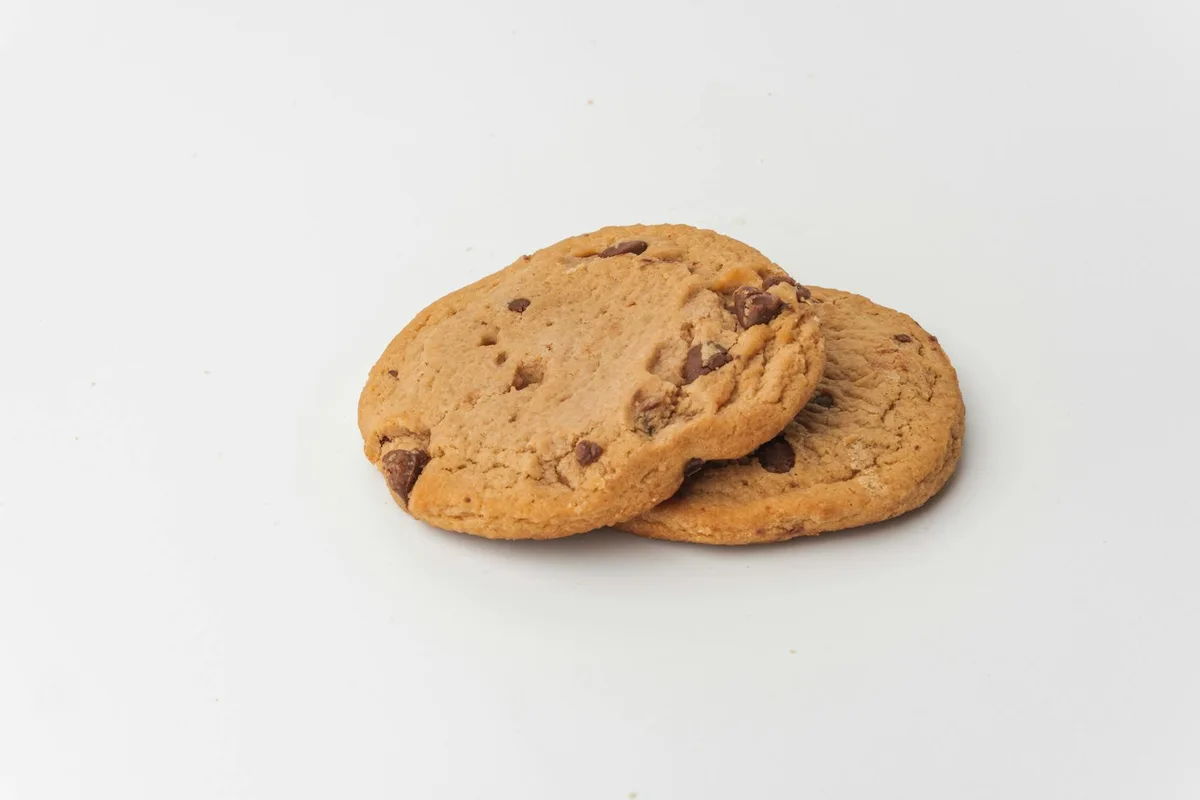
Drop cookies with high butter and brown sugar, like classic chocolate chip or oatmeal raisin, should be soft-centred when removed. They’ll firm up slightly as they cool but stay chewy. Rolled or cut-out cookies, such as sugar cookies for decorating, need to be fully set to hold their shape without browning too much.
High-ratio cakes-in-disguise, like whoopie pies or soft ginger molasses cookies, benefit from a slightly underbaked pull. Shortbread, biscotti, and tuiles, however, must be fully baked to achieve their signature crispness. Vegan cookies often dry out faster, so watch them closely, pull just before they look done.
Mistakes to Avoid / Common Errors
Overbaking, underestimating carryover cooking, misreading visual cues, and oven hot spots
The biggest mistake? Assuming cookies are done when the timer goes off. Carryover cooking adds 1, 2 minutes of effective bake time after removal, especially on thick sheets. Another trap: judging by colour alone.
Light-coloured dough can look underbaked when it’s actually ready, while dark pans can fool you into thinking cookies are done before the centres set.
Hot spots cause uneven baking, rotate your sheet halfway through. And don’t crowd the oven; airflow matters. If one tray bakes faster than the other, your oven likely has a hot zone near the back or top element.
Expert Tips / Pro Advice
How to adjust bake time, temperature, and ingredient ratios for your ideal texture
For softer cookies, reduce bake time by 30, 60 seconds or lower the oven by 10, 15°F. Swap 1, 2 tablespoons of white sugar for brown to boost moisture. If your cookies spread too much, chill the dough 30 minutes before baking, this firms up the fat and slows spread.
To fix dry cookies, next batch add an extra yolk or 1 tablespoon of milk. For crisp results, bake 1, 2 minutes longer or use more white sugar. Always test one cookie first when tweaking a recipe, it’s faster than ruining a full tray.
Real Scenarios / Case Examples
Fixing flat, hard, or gummy cookies by tweaking one variable at a time
A reader reported chocolate chip cookies that spread into thin disks. We traced it to melted butter (should be creamed, not liquid) and unchilled dough. After chilling for 45 minutes and using room-temp butter, their next batch held shape and stayed chewy.
Another case: snickerdoodles turned hard after cooling. The culprit was overmixing, which developed too much gluten. Switching to a fold-in technique and reducing bake time by 1 minute gave them the soft, cinnamony bite they wanted. Small changes, big results.
Final Recommendation / Verdict / Decision Guide
Your cookie texture cheat sheet: what to look for, when to pull, and how to fix it next time
For chewy cookies, pull when edges are set and centres look soft but not wet. For crisp ones, wait until fully golden and dry. Cakey styles should spring back when touched; shortbread needs to be firm throughout. Use an oven thermometer, don’t trust the dial.
If your cookies are too hard, next batch reduce time by 30, 60 seconds or lower the temp 10, 15°F. Too soft? Chill dough longer or bake 1 minute more. Keep a baking journal: note time, temp, pan type, and result.
Small tweaks add up.
Quick Decision Tree
- Goal: Chewy → Pull at 8, 9 minutes, centres slightly soft
- Goal: Crisp → Bake 10, 12 minutes, fully golden
- Goal: Cakey → Wait for spring-back, usually 9, 11 minutes
- Using convection? → Reduce time by 1, 2 minutes or temp by 15°F
- Dark pan? → Check 1 minute early
- High altitude? → Increase temp 15, 25°F, reduce sugar slightly
Match your pull time to your recipe’s fat-sugar balance and your oven’s quirks. There’s no universal rule, only the right cue for your cookie.
