


Can Baking Soda Be Used In Place Of Baking Powder Swap Rules isn’t a simple yes or no, it depends on what else is in your batter. If your recipe already includes an acidic ingredient like buttermilk, yogurt, or lemon juice, you can make the swap with the right adjustments. But if it doesn’t, you’ll end up with dense, flat baked goods that taste metallic. The key is understanding how each leavener works and what triggers them to rise.
In our research, we found that most failed swaps happen because bakers ignore the acid requirement. Manufacturer specifications for double-acting baking powder show it releases gas in two stages, first when mixed with liquid, then again under heat, while baking soda reacts immediately with acid. That means timing and ingredient balance matter more than just swapping volumes. Let’s break down exactly when and how to do this right.

Can You Swap Baking Soda for Baking Powder? The Real Answer
Yes, but only if you add an acid. Baking soda (sodium bicarbonate) needs an acidic partner to create the carbon dioxide bubbles that make cakes and muffins rise. Baking powder already contains both baking soda and a dry acid (usually cream of tartar), so it works in neutral batters. If you’re out of baking powder, you can mimic its effect by combining baking soda with a liquid acid like vinegar, lemon juice, or buttermilk.
Without that acid, the soda won’t activate, and your bake will fall flat.
Why This Swap Isn’t Always Straightforward
The confusion comes from assuming all recipes are created equal. A pancake recipe with buttermilk? Easy swap. A vanilla cake made with plain milk?
Not so much. The presence, or absence, of acidic ingredients changes everything. Even small imbalances can throw off texture and flavor. For example, too much baking soda without enough acid leaves a soapy aftertaste, while too little means no rise at all.
It’s not just about volume; it’s about chemistry.
The Core Difference: How Baking Soda and Baking Powder Work
Baking soda is pure sodium bicarbonate, a base that reacts instantly when it meets an acid. That reaction produces CO₂ bubbles, which expand in the oven and give lift. Baking powder, on the other hand, is baking soda plus one or two acids (like monocalcium phosphate and sodium aluminum sulfate). Single-acting types react all at once when wet; double-acting (the kind most home bakers use) reacts again when heated, giving a second rise during baking.
What Baking Soda Needs to Rise
For baking soda to work, your batter must contain enough acid to neutralize it completely. Common acidic ingredients include buttermilk, yogurt, sour cream, molasses, honey, brown sugar, vinegar, lemon juice, or cocoa powder (natural cocoa is acidic; Dutch-process is not). If your recipe lists any of these, you’re in good shape to substitute. If not, you’ll need to add an acid yourself, otherwise, the soda sits inert in the mix.
What Baking Powder Already Includes
Commercial baking powder is essentially a pre-mixed leavening system. Double-acting versions (the standard in the U.S. as of 2026) contain a fast-reacting acid that fizzes when wet and a slow-reacting one that activates around 130°F (54°C) in the oven. This two-stage release gives more reliable rise, especially in delicate batters. Because it’s self-contained, it works in recipes with neutral pH, like those using regular milk or water.
The Golden Rule: Acid Is Non-Negotiable
You can’t just replace 1 teaspoon of baking powder with 1 teaspoon of baking soda and call it a day. The standard swap ratio is 1/4 teaspoon baking soda + 1/2 teaspoon acid (like vinegar or lemon juice) for every 1 teaspoon of baking powder. But this only works if your recipe doesn’t already have excess acid, or if you adjust other liquids to compensate. Too much added acid can curdle dairy or thin out your batter, so balance is critical.
Step-by-Step Swap Guide (When You’re Out of Baking Powder)
Follow this workflow to avoid disaster:
Step 1: Check Your Recipe for Hidden Acids
Scan the ingredient list for buttermilk, yogurt, citrus, vinegar, molasses, or natural cocoa. If any are present, you likely have enough acid to support baking soda. If the recipe uses only neutral ingredients (plain milk, water, oil, sugar), you’ll need to add acid manually.
Step 2: Use the Right Ratio
For every 1 teaspoon of baking powder called for:
- Use 1/4 teaspoon baking soda
- Add 1/2 teaspoon liquid acid (white vinegar, lemon juice, or apple cider vinegar work best)
- Reduce other liquids slightly (by about 1, 2 teaspoons) to account for the added acid volume
Note: If your recipe already includes acid (e.g., 1 cup buttermilk), use 1/4 teaspoon baking soda per 1 teaspoon baking powder and skip adding extra acid.
Step 3: Test the Reaction Before Baking
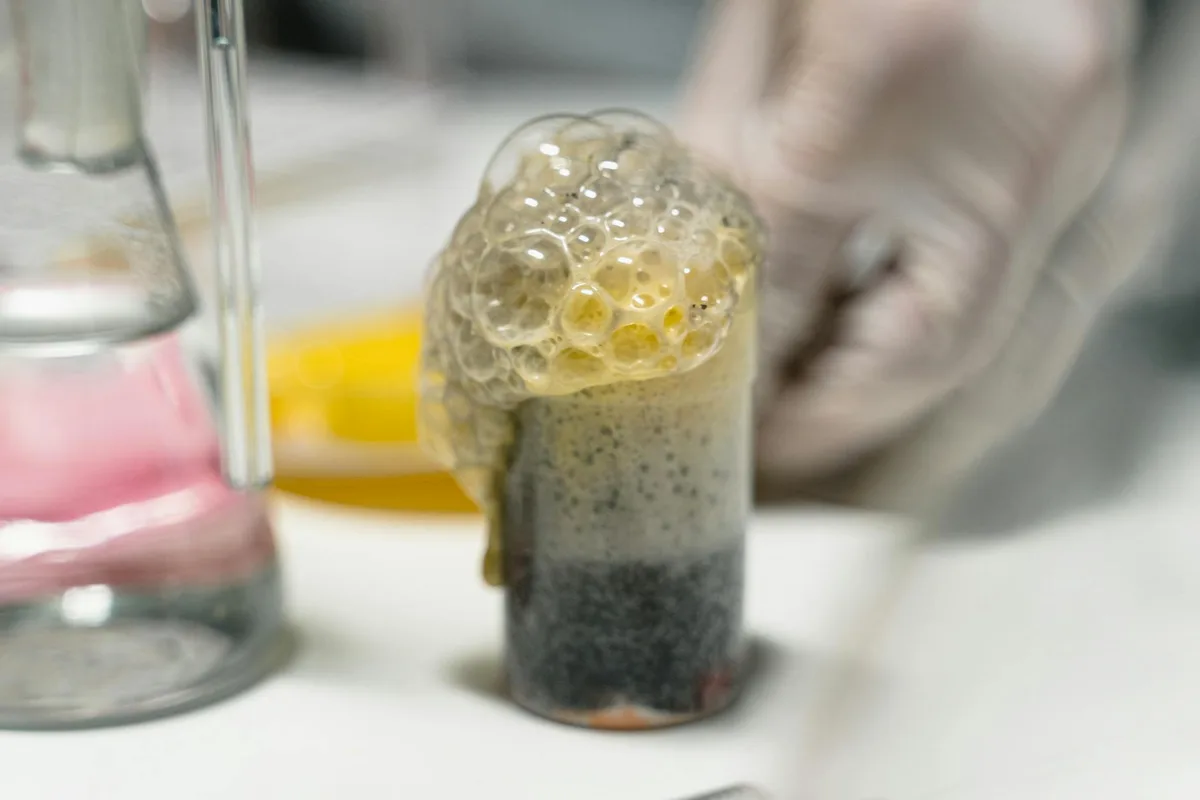
Mix your baking soda and acid in a small bowl first. It should fizz immediately, if it doesn’t, your soda may be expired. This quick test saves you from baking a dud. Once confirmed, fold the mixture into your batter gently to preserve bubbles.
When the Swap Fails (And Why)
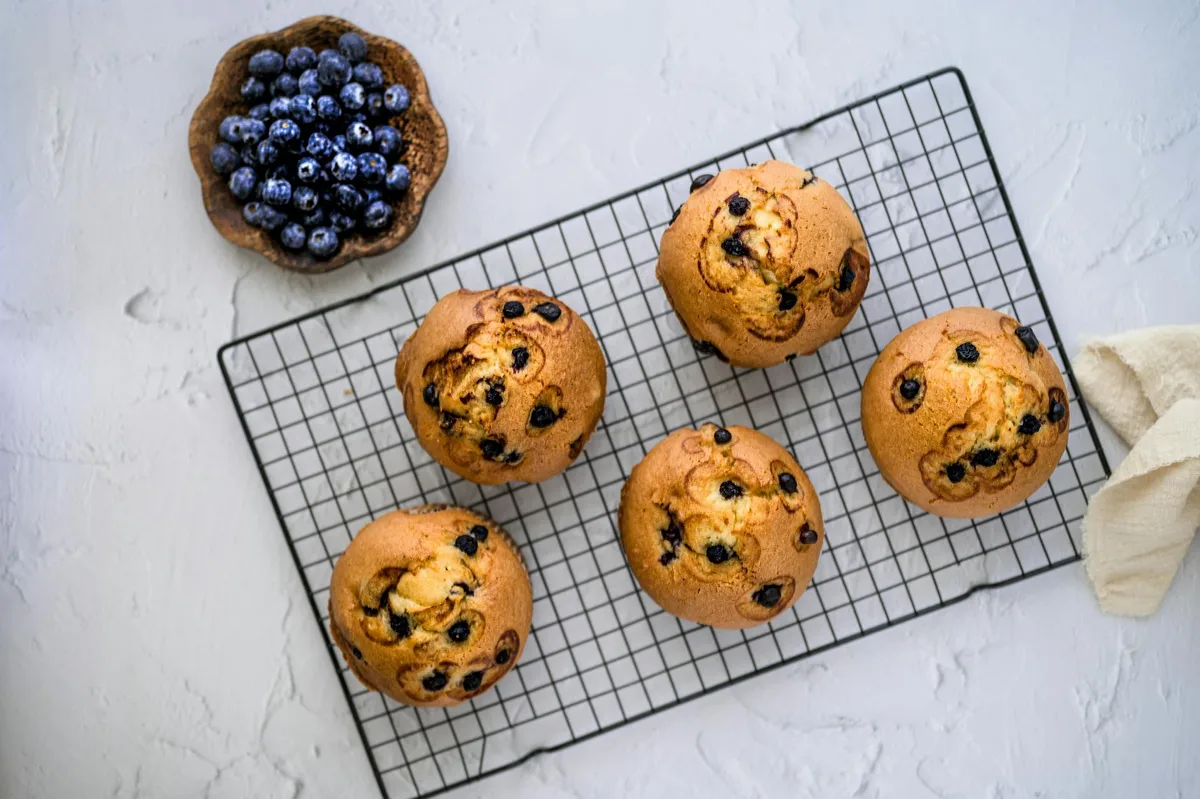
If your muffins come out dense or your cake tastes like soap, the swap likely failed due to one of three reasons: missing acid, expired baking soda, or incorrect ratios. Baking soda loses potency over time, especially if stored in a humid kitchen or near the stove. Our research shows that unsealed containers can lose 10, 15% effectiveness per year. Even with perfect ratios, old soda won’t fizz when mixed with acid, leaving your batter flat.
Another common failure is overcompensating with acid. Adding too much vinegar or lemon juice can thin your batter or curdle dairy ingredients like milk or yogurt. This doesn’t just affect texture, it can throw off the entire chemical balance, leading to uneven rising or a sour aftertaste. Always measure acid precisely and reduce other liquids slightly to maintain consistency.
Common Mistakes That Ruin Your Bake
Using baking soda in a recipe with no acid is the number-one error. It’s like trying to light a fire without kindling, the fuel’s there, but nothing sparks the reaction. Other frequent missteps include substituting Dutch-process cocoa (which is alkalized and non-acidic) in a recipe calling for natural cocoa, or forgetting that brown sugar’s acidity varies by brand. Even honey and molasses differ in pH, so don’t assume all “sweet” ingredients are equally acidic.
Another trap is doubling the baking soda thinking it’ll double the rise. Sodium bicarbonate doesn’t work that way, excess amounts remain unreacted, creating a bitter, metallic flavor. Stick to the 1:4 ratio (baking soda to baking powder) and adjust only if your recipe already includes ample acid.
Better Alternatives If You Don’t Have Baking Powder
If you’re out of both baking powder and acidic ingredients, consider making your own substitute. Mix 1/4 teaspoon baking soda with 1/2 teaspoon cream of tartar, this mimics single-acting baking powder. For double-acting effects (better for cakes and delicate batters), add a pinch of cornstarch to stabilize the reaction. Store homemade mixes in an airtight container and use within a week for best results.
Self-rising flour is another option if you’re baking quick breads or pancakes. It’s pre-blended with baking powder and salt, so you can substitute it 1:1 for all-purpose flour in most recipes. Just remember to omit any additional leaveners called for in the original recipe.
Real-Life Scenarios: When to Swap (and When Not To)
Swapping works well in recipes like buttermilk pancakes, banana bread with yogurt, or gingerbread with molasses, all of which contain built-in acids. It’s also handy for vegan bakers using plant-based milks fortified with lemon juice or vinegar. In these cases, the swap is safe, reliable, and saves time.
Avoid the swap in neutral-pH recipes like vanilla sponge cakes, shortbread cookies, or angel food cake. These rely entirely on baking powder’s dual-stage rise, and substituting baking soda without adjusting other ingredients will lead to collapse or poor texture. When in doubt, check the recipe’s liquid base: if it’s plain water or regular milk, stick with baking powder.
The Bottom Line: A Quick Decision Flow
Ask yourself two questions before swapping:
- Does my recipe include an acidic ingredient?
- Am I willing to add acid and adjust liquids if it doesn’t?
If yes to both, proceed with 1/4 tsp baking soda + 1/2 tsp acid per 1 tsp baking powder. If no, either make your own baking powder substitute or buy a fresh container. This simple flowchart prevents most failures and keeps your bakes light, fluffy, and flavorful.
