


Can I use all purpose flour instead of self rising flour? It’s a question that pops up in almost every home kitchen when a recipe calls for self-rising flour and you’re staring at an empty bag. The short answer is yes, but only if you tweak a few things. Self-rising flour isn’t magic; it’s just all-purpose flour with baking powder and salt already mixed in.
So with the right adjustments, you can absolutely make it work.
In our research, manufacturer specifications indicate that standard self-rising flour contains 1 cup of all-purpose flour plus 1½ teaspoons of baking powder and ¼ teaspoon of salt. That ratio holds across major US brands as of 2026. Knowing this baseline lets you reverse-engineer the swap confidently, without guessing.
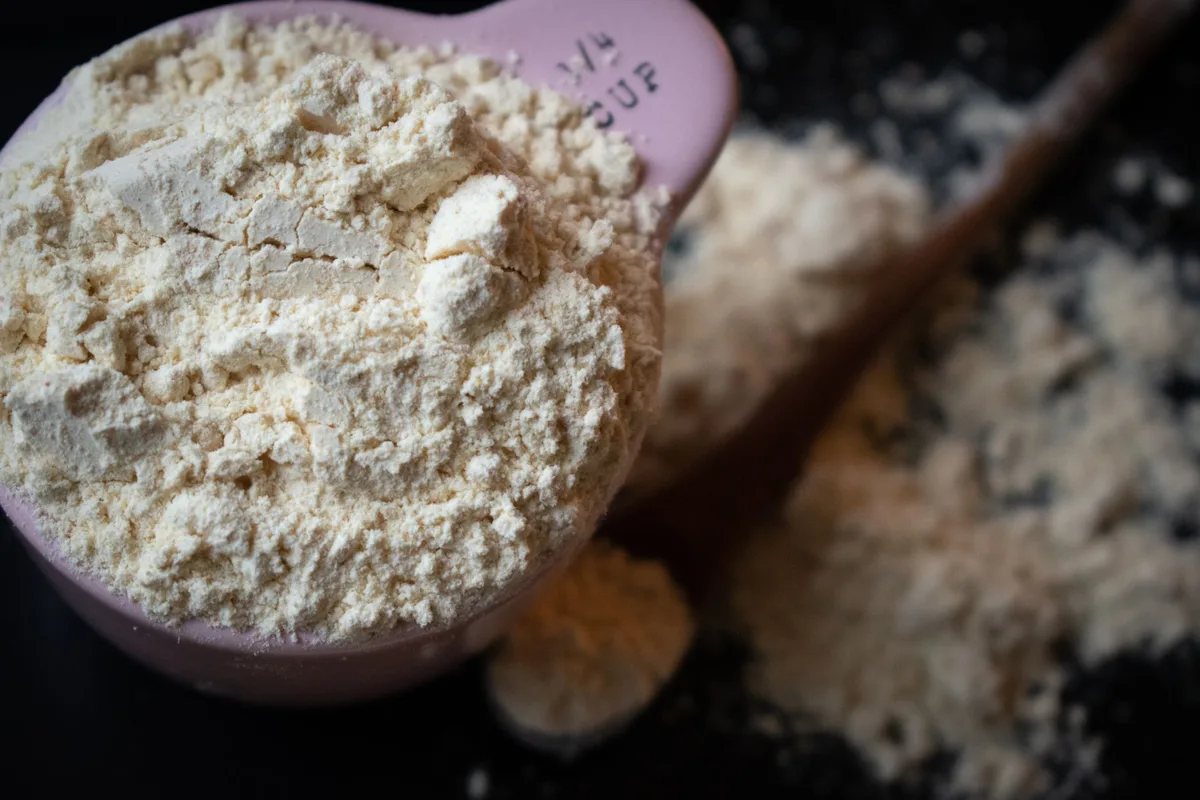
Can You Use All-Purpose Flour Instead of Self-Rising Flour?
Yes, you can, but not straight from the bag. Self-rising flour is a convenience blend, and swapping it out requires adding your own leavening. If you skip this step, your baked goods won’t rise properly and will turn out dense or flat. The key is understanding what self-rising flour actually contains so you can replicate it accurately.
Think of it like this: all-purpose flour is the blank canvas. Self-rising flour is that same canvas with pre-mixed paint. You can still create the same picture, but you’ll need to add the paint yourself. This substitution works best in recipes where precise texture isn’t critical, like pancakes, muffins, or quick breads.
For delicate cakes or soufflés, though, the margin for error shrinks fast.
The Quick Fix: When the Swap Works (and When It Doesn’t)
If you’re in a pinch, here’s the rule of thumb: you can substitute all-purpose flour for self-rising flour in most everyday baking, if you add baking powder and salt. But not all recipes forgive mistakes equally.
It works well in:
- Pancakes and waffles
- Muffins and biscuits
- Cornbread and soda bread
- Simple cookies (like drop cookies)
It’s risky or won’t work in:
- Angel food cake or chiffon cake (too much leavening = collapse)
- Recipes already calling for baking soda (double leavening = bitter taste)
- Anything requiring exact rise control (e.g., layered cakes, soufflés)
When in doubt, check your recipe’s other ingredients. If it lists baking soda or buttermilk, don’t add extra baking powder, you’ll throw off the chemical balance.
How Self-Rising Flour Works vs. All-Purpose Flour
Self-rising flour is simply all-purpose flour with two added ingredients: baking powder (a dry acid + base) and a pinch of salt. The baking powder does the lifting when liquid and heat activate it, while the salt enhances flavor and strengthens gluten slightly.
All-purpose flour, by contrast, is just ground wheat, no leavening, no salt. That means it’s neutral and adaptable, which is why it’s the go-to for everything from pie crusts to pasta dough. But without added lift, it can’t replicate the automatic rise that self-rising flour provides.
The real difference shows up in texture. Self-rising flour gives you consistent, predictable lift right out of the bag. All-purpose flour gives you control, but only if you measure your leavening correctly. Get the ratio wrong, and you’ll either get a brick or a bitter, over-risen mess.
The Magic Ratio: DIY Self-Rising Flour at Home
Making your own self-rising flour is straightforward, just mix all-purpose flour with baking powder and salt. The standard ratio, confirmed by King Arthur Baking Company and USDA guidelines, is:
| Ingredient | Amount per 1 cup all-purpose flour |
|---|---|
| Baking powder | 1½ teaspoons |
| Salt | ¼ teaspoon |
Whisk everything together thoroughly, don’t just sprinkle it on top. Uneven distribution leads to pockets of bitterness or flat spots. For best results, sift the mixture once or twice, especially if your baking powder tends to clump.
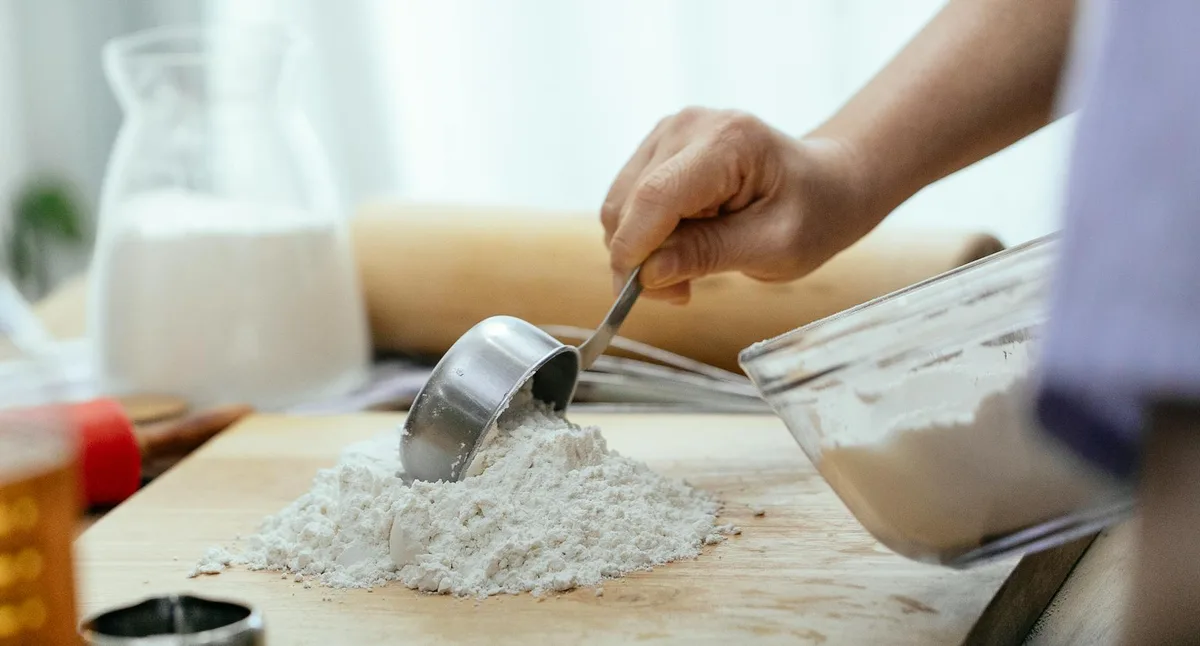
This homemade version works instantly, no waiting required. Store any extra in an airtight container, but don’t keep it longer than a month. Baking powder loses potency over time, and old mix = weak rise.
Pros and Cons of Substituting All-Purpose Flour
Using all-purpose flour instead of self-rising gives you flexibility, but it’s not always the easiest path. Here’s what you gain, and what you might lose.
Pros:
- You probably already have it on hand
- Full control over leavening strength (great for low-sodium diets)
- Cheaper in the long run (buy one flour, use it for everything)
- Works in a wider range of recipes beyond just “self-rising” calls
Cons:
- Extra measuring step increases chance of error
- Risk of over-leavening if you eyeball the baking powder
- Shelf life matters, old baking powder won’t lift properly
- Not ideal for precision baking (e.g., wedding cakes, macarons)
If you bake often, keeping both flours makes sense. But if you’re an occasional baker, mastering this swap saves cabinet space and last-minute store runs. Just remember: accuracy beats speed when it comes to leavening.
Step-by-Step: How to Substitute Without Ruining Your Bake
Start by measuring your all-purpose flour as you normally would, spoon and level, not scooped. For every cup called for in the recipe, remove 1½ teaspoons of flour to make room for the baking powder. This keeps the total volume accurate. Then add 1½ teaspoons of baking powder and ¼ teaspoon of salt directly into the measuring cup or bowl.
Whisk everything together thoroughly before adding any liquid. If you’re using a stand mixer, pulse the dry ingredients on low for 10 seconds to blend. Clumps of baking powder won’t distribute evenly, and that leads to bitter spots or uneven rise. Sifting once helps, especially if your baking powder is old or humid.
Always test your baking powder first. Drop ½ teaspoon into half a cup of hot water, if it doesn’t bubble vigorously within 10 seconds, it’s dead. Old leavening is the silent killer of quick breads and biscuits. When in doubt, replace it.
Which Recipes Can Handle the Swap (and Which Can’t)

Most everyday baked goods tolerate the swap just fine. Pancakes, muffins, and drop cookies rely more on mixing technique than precision chemistry, so a well-measured DIY blend works nearly identically to store-bought self-rising flour. Biscuits and scones also respond well, just don’t overwork the dough.
But delicate structures demand consistency. Angel food cake, chiffon cake, and soufflés depend on exact protein-to-leavening ratios. Adding extra baking powder can cause them to rise too fast and collapse. Similarly, recipes that already include baking soda, like buttermilk pancakes or gingerbread, will turn bitter if you double up on alkaline leaveners.
If your recipe lists both baking soda and an acidic ingredient (buttermilk, yogurt, vinegar), stick to the original flour type. The chemistry is already balanced; adding more baking powder upsets that equilibrium.
Common Mistakes That Lead to Dense or Bitter Results
The biggest error? Eyeballing the baking powder. A heaping teaspoon instead of level can add 50% more leavening, which sounds good until your cake domes and sinks in the middle. Use measuring spoons, not random scoops, and level them with a knife.
Another trap: assuming all-purpose flour is interchangeable with cake or bread flour. It’s not. Cake flour has less protein and yields tender crumbs; bread flour has more and creates chew. Swapping either into a self-rising recipe without adjusting protein content leads to gummy or tough textures.
Salt is easy to forget, too. Omitting it doesn’t just make things bland, it weakens gluten structure slightly, which can affect rise in delicate batters. Always include that ¼ teaspoon per cup, even if your recipe already calls for salt elsewhere.
Expert Tips for Perfect Texture Every Time
Weigh your flour if you can. Volume measurements vary wildly, a cup of all-purpose flour can weigh anywhere from 120 to 150 grams depending on how it’s packed. A kitchen scale eliminates guesswork and gives you consistent results across batches.
Store homemade self-rising blends in a cool, dry place and use them within three weeks. Baking powder starts losing potency after six months unopened, and much faster once exposed to air. Label your container with the date, future you will thank present you.
For low-sodium diets, reduce or omit the added salt. Just remember that salt does more than flavor, it tightens gluten and controls yeast activity in enriched doughs. If you cut it, expect a slightly softer crumb and milder rise.
Final Verdict: Your Go-To Decision Guide
If you’re baking something forgiving, pancakes, cornbread, basic muffins, go ahead and substitute. Measure carefully, whisk well, and you’ll get great results. For precision-dependent recipes or anything with baking soda already in the mix, reach for real self-rising flour or adjust the recipe properly.
When stock is low and time is short, this swap is a reliable lifeline. But don’t treat it as a universal fix. Understand the why behind the ratio, respect the chemistry, and your baked goods will thank you with lift, flavor, and texture that hit the mark every time.
